
Starting your watercolour journey in Singapore is an exciting creative step, but walking into an art supply store can quickly feel overwhelming. Rows of professional tubes, synthetic and natural brushes, and endless varieties of paper can make it difficult to know what you actually need to begin. The best watercolour starter sets for beginners balance rich pigment quality, ease of use, and overall value, allowing you to learn the medium without a massive financial investment. For most new painters, a high-quality student-grade half-pan set is the ideal entry point, offering portability, control, and a curated color palette that makes learning color theory straightforward.
In Singapore’s unique tropical climate, choosing the right supplies involves more than just picking a brand. High humidity levels affect how paint dries on the paper and how it must be stored to prevent mold. By selecting a starter set that aligns with your painting environment—whether you plan to paint at a dedicated home desk or sketch outdoors in Singapore’s lush parks—you can avoid common beginner frustrations. Understanding a few fundamental criteria will help you select a kit that supports your learning process and delivers beautiful, vibrant results.
How to Choose the Right Watercolour Starter Set
Before purchasing your first set, it is helpful to understand the structural differences in how watercolour paints are packaged and formulated. These design choices directly impact your painting workflow, cleanup routine, and overall budget.
Products mentioned in this guide
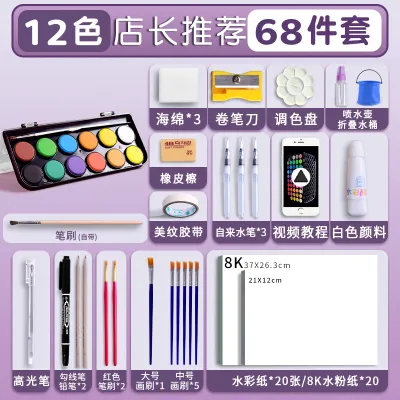
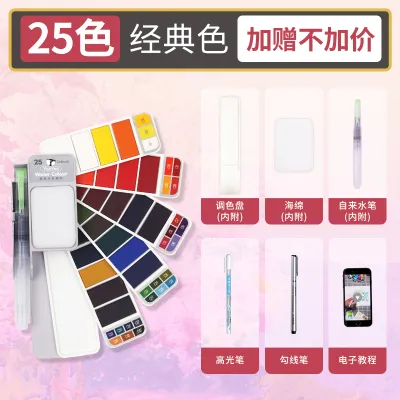
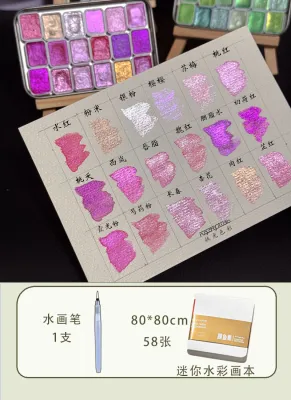
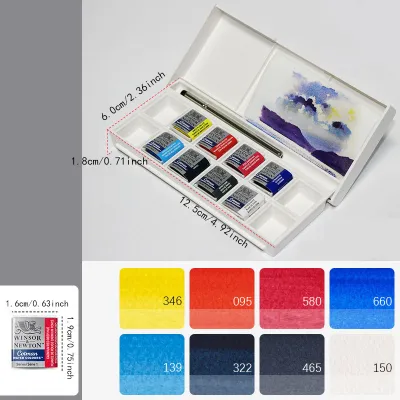
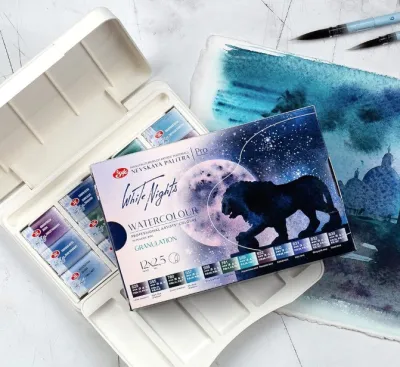
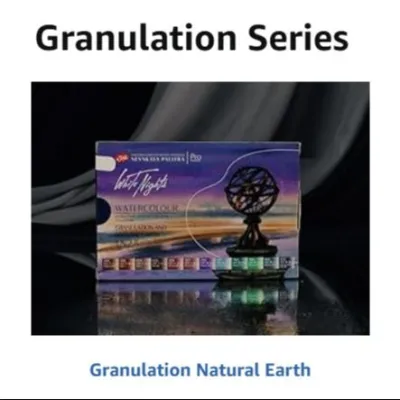
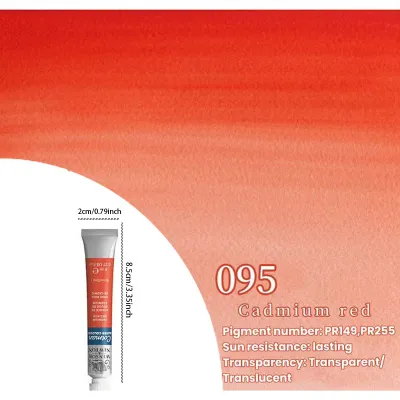
Prices are valid at publication and may change. Please refer to the product page for the latest price.
Pan vs. Tube Formats Watercolour paint is primarily sold in two formats: dry pans and wet tubes. Pans are small plastic cups containing dry, extruded blocks of paint that activate instantly when touched with a wet brush. They are highly favored by beginners because they offer exceptional control over paint volume, prevent accidental waste, and are incredibly portable. You can simply open the case, add a drop of water, and start painting. Tubes, on the other hand, contain moist, paste-like paint. They are ideal for mixing large quantities of paint for wide washes or achieving intense, highly saturated colors quickly. However, tubes require a separate mixing palette, take longer to set up, and can easily lead to wasted paint if you squeeze out more than you need. For absolute beginners, a pan set is almost always the most practical and less wasteful choice.
Student vs. Professional Grade Art supplies are generally categorized into student-grade and professional-grade (sometimes called artist-grade). Student-grade watercolours are formulated to be highly accessible and affordable. Manufacturers achieve this by using synthetic binders and replacing expensive, rare mineral pigments with reliable, safe chemical alternatives (often labeled as “hues”). These paints are highly rewettable, blend smoothly, and offer excellent consistency for learning. Professional-grade paints contain a much higher concentration of pure pigments and minimal fillers, resulting in superior vibrancy and exceptional lightfastness (resistance to fading over decades). While professional paints are beautiful to work with, they are significantly more expensive and can behave unpredictably for beginners who are still mastering water control. Starting with a reputable student-grade set allows you to practice freely without feeling guilty about wasting expensive paint.
Evaluating Included Accessories Many beginner kits come bundled with accessories like travel brushes, built-in mixing palettes, or even small water bottles. While these add-ons seem convenient, their quality varies widely. The brushes included in starter sets are often very small, synthetic round brushes designed for fine detail work. They struggle to hold enough water for broad washes, which can lead to streaky, uneven skies or background layers. On the other hand, a built-in mixing palette with deep, spacious wells is incredibly valuable. Look for sets where the lid folds out flat to double as a palette, or those with removable mixing trays that are easy to clean under the tap.
Paper Compatibility and Climate Factors A common mistake is spending a significant budget on high-quality paint while using standard drawing or printer paper. Watercolour requires a specialized medium to perform correctly. Standard paper will instantly buckle, warp, and pill (form small fiber balls) when exposed to water, ruining your painting experience. In Singapore’s humid climate, paper fibers naturally absorb ambient moisture from the air, which can slow down drying times and make paper even more susceptible to warping. To achieve smooth washes and clean blends, you must pair your starter set with dedicated watercolour paper that has a minimum weight of 300gsm (grams per square metre). Cold-pressed paper with a textured surface is highly recommended for beginners as it handles water beautifully and slows down the drying process just enough to allow for easy blending.
Top Watercolour Starter Sets for Different Needs
To help you find the right match, we have categorized the top student-grade watercolour options available in Singapore. These recommendations balance pigment performance, build quality, and practical design features.

Selection Framework When evaluating these starter sets, we look for paints that rewet easily with a damp brush, offer clean color mixing without turning muddy, and feature durable packaging. We also prioritize sets that provide a balanced selection of warm and cool primary colors, which is essential for learning how to mix a full spectrum of secondary and tertiary shades.
Local Purchasing Context These starter sets are highly accessible across Singapore. You can find them in dedicated art supply hubs, such as the legacy art stores located within the Bras Basah Complex, as well as major physical stationery chains and official brand storefronts on online marketplaces. Purchasing from established local retailers ensures you receive genuine products rather than cheap counterfeits that lack proper pigment dispersion.
Honest Limitations While these student-grade sets offer exceptional value, they do have inherent limitations. The pigments may appear slightly more opaque or chalky when applied in very thick layers compared to professional alternatives. Additionally, the included plastic travel brushes are best treated as temporary tools; you will eventually want to supplement your kit with a few dedicated, full-sized brushes to expand your painting techniques.
Best Overall for Studio Beginners
For those who plan to paint primarily at a desk, a comprehensive 12-to-24 half-pan set with a spacious, folding layout offers the best learning platform. A larger color range reduces the immediate need to mix complex shades from scratch, allowing you to focus on brush control and water management.
A high-quality 12-color half-pan set from an established student line (such as Winsor & Newton Cotman or Royal Talens Van Gogh) provides a perfectly balanced split-primary palette. This means you get a warm and cool version of red, yellow, and blue, enabling clean, vibrant mixes without muddy undertones. The sturdy plastic or metal cases typically feature deep, integrated mixing wells in the lid that lay completely flat on your desk, providing ample space to dilute and blend your washes.
In Singapore’s ambient humidity, paints in a studio pan set dry slightly slower than they would in arid climates. This actually works to your advantage, giving you a longer working window to blend colors smoothly on the paper. The paint blocks themselves remain stable and highly rewettable, meaning a quick mist of water from a spray bottle will instantly prime the entire palette for your painting session. This format is ideal for hobbyists who want a permanent, reliable setup at home.
Best for Travel and Urban Sketching
If you are inspired by Singapore’s architectural heritage, bustling hawker centres, or lush botanical gardens, a pocket-sized travel set is the perfect companion. These ultra-compact kits are designed to fit easily into a small bag or backpack, allowing you to paint on the go without carrying heavy gear.
Travel sets typically feature a highly compact, snap-shut plastic casing that can be held comfortably in one hand. Many designs include a metal ring on the bottom of the case, allowing you to slip your thumb through it to secure the palette while standing and painting. These sets often come equipped with a pocket-sized water brush—a synthetic brush with a refillable water reservoir in the handle. This eliminates the need for open water jars, making it incredibly easy to paint while sitting on a park bench or riding the MRT.
The primary trade-off with travel sets is the limited mixing space. Because the palette is designed to be pocketable, the mixing wells are small and can quickly become contaminated with adjacent colors. To maintain clean mixes on the go, it is helpful to carry a small pack of tissues or a microfiber cloth to wipe down the mixing areas frequently. Despite this limitation, the freedom to capture the vibrant scenes of Singapore wherever you go makes a travel set an incredibly rewarding choice.
Best Budget-Friendly Option
For those who want to try watercolour painting as a casual hobby without making a significant upfront financial commitment, a budget-friendly student set is an excellent entry point. These sets offer a low-risk way to explore the medium while still providing genuine watercolour characteristics.
A reliable budget set (such as Sakura Koi or Koh-I-Noor) provides rewettable, transparent colors that blend far better than cheap children’s craft paints. Unlike poster paints or tempera, which dry to an opaque, chalky finish and crack easily, these budget-friendly watercolours allow you to practice classic techniques like glazing (layering transparent washes) and wet-on-wet blending.
To keep costs low, manufacturers of budget sets often use molded plastic trays where the paint is poured directly into the wells rather than using individual, removable plastic pans. The pigment concentration is also slightly lower, meaning you may need to use more paint to achieve deep, dark values. However, as a learning tool, these sets are highly effective for developing an intuitive feel for water-to-paint ratios without worrying about the cost of your materials.
Essential Accessories to Complete Your Setup
While a starter set provides the core colors, you will need a few additional accessories to ensure a smooth, frustration-free painting experience. Investing in a few key companion tools will dramatically improve your results.
Watercolour Paper The paper you choose is the single most important factor in watercolour painting. For beginners, 100% cotton paper is the gold standard because it absorbs water evenly and allows pigments to disperse beautifully. If cotton is outside your budget, a high-quality wood cellulose paper is a viable alternative, provided it has a weight of 300gsm (140lb).
- Loose Sheets vs. Paper Blocks: Loose sheets are affordable but must be taped down to a rigid board using masking tape to prevent the paper from warping as it gets wet. Paper blocks are pads where the sheets are glued together on all four sides. This keeps the paper perfectly flat while you paint; once your artwork is completely dry, you simply slide a dull knife under the top sheet to release it.
- Humidity Considerations: Because Singapore's relative humidity is consistently high, water evaporates slower from the paper. This extended drying time can cause "backruns" or "blooms" if you apply wet paint to a semi-dry surface. Using a heavy 300gsm paper helps manage this moisture level, giving you more consistent control over your washes.
Brushes Instead of relying solely on the tiny brush included in your starter kit, we recommend building a minimal, high-quality synthetic brush collection. Synthetic brushes are excellent for beginners because they maintain their shape, offer a springy snap, and are highly durable.
- Size 8 Round Brush: This is the most versatile brush you can own. A high-quality size 8 round brush features a belly that holds a generous amount of water for washes, yet tapers to a sharp, fine point for detailed line work.
- Size 4 Round Brush: Ideal for adding fine details, sharp edges, and small accents once your base washes have dried.
- 1/2-Inch Flat Brush: Excellent for laying down flat, even washes of color across large areas, such as skies or backgrounds, and for creating clean, straight edges.
Palette and Water Containers Upgrading your mixing setup can make a surprising difference in how you handle paint. While plastic palettes are lightweight and durable, watercolours tend to bead up on new plastic surfaces, making it difficult to see the exact color and consistency of your mix.
- Ceramic Palettes: Upgrading to a small ceramic palette or even a white ceramic plate prevents paint from beading. The paint spreads smoothly, allowing you to gauge the transparency and value of your mix accurately.
- The Two-Jar Water System: Always use two separate jars of water. Jar 1 is dedicated to rinsing dirty paint off your brush. Jar 2 remains filled with clean water, used exclusively for diluting fresh paint or wetting your paper. This simple habit prevents your clean colors from becoming muddy and dull.
Caring for Your Watercolours in a Humid Climate
Singapore’s tropical climate presents unique challenges for art supplies. High humidity and warm temperatures can accelerate mold growth and damage your paints if they are not stored correctly. Implementing a few simple maintenance habits will protect your investment and keep your paints in pristine condition.
Preventing Mold Mold spores thrive in warm, damp, enclosed spaces. The most common mistake beginners make is closing their watercolour pan sets immediately after a painting session while the pans are still wet. This traps moisture inside the plastic case, creating a perfect incubator for mold. To prevent this, always leave your pan set open in a well-ventilated room or an air-conditioned space for several hours after painting. Ensure the paint blocks are completely dry to the touch before snapping the lid shut for storage. If you do notice a small spot of mold, gently scrape it off with a clean palette knife and wipe the area with a tiny drop of diluted rubbing alcohol on a cotton swab.
Cleaning Palettes Over time, highly staining pigments (such as phthalo blue or alizarin crimson) can leave stubborn stains on plastic mixing palettes. Avoid using abrasive scrubbing pads or harsh chemical cleaners, as these will scratch the plastic surface. Scratches create microscopic grooves that trap pigment even deeper, making future cleaning nearly impossible and causing colors to pool unevenly. Instead, use a soft sponge with a small amount of mild dish soap and warm water. For stubborn stains, wiping the surface gently with a soft cloth dipped in a small amount of baking soda paste can lift the pigment without damaging the plastic.
Storing Tubes If you choose to use tube paints, proper storage is essential to prevent the caps from seizing or the tubes from splitting. Before screwing the cap back onto a tube, always use a damp paper towel to wipe any excess wet paint off the metal or plastic threads. If paint dries on the threads, it acts like glue, sealing the cap shut. Attempting to force a seized cap open can twist and tear the delicate metal body of the tube, causing paint to leak. Store your tubes upright in a cool, dry drawer away from direct sunlight to prevent the binder and pigment from separating inside the tube.
Frequently Asked Questions (FAQ)
Can I use regular drawing paper for watercolour painting?
No, standard drawing or printer paper is not suitable for watercolour painting. These papers are too thin and lack the specialized sizing (a treatment that controls water absorption) found in watercolour paper. When exposed to wet washes, regular paper will immediately buckle, warp, and pill, causing the paint to pool unevenly and tear the surface. For a successful painting experience, always use dedicated watercolour paper with a minimum weight of 300gsm.
How long do student-grade watercolour pans last?
A standard 12-color half-pan starter set can last anywhere from several months to over a year of regular use. Because watercolours are dry blocks that reactivate with water, there is zero waste; any paint that dries on your mixing palette can be re-wetted and used in your next session. The actual lifespan depends on the size of your paintings, how heavily you apply the pigment, and how frequently you paint.
Is it better to buy a set or individual tubes?
For absolute beginners, buying a curated starter set is highly recommended. A set provides a balanced, harmonious selection of colors at a significantly lower cost than buying individual tubes. It allows you to learn color theory, mixing, and water control without a large initial investment. Once you gain experience and identify which specific colors you use most frequently, you can begin purchasing individual tubes to refill your palette or expand your color collection.
Community discussion
Share your experience or ask a question. Comments are reviewed before publication.