
To successfully execute a zipper replacement in Singapore, you must match the zipper’s material, strength, and mechanism to your specific project. Whether you are repairing a beloved pair of jeans, restoring a canvas bag damaged by humid weather, or sewing custom cushion covers for a high-rise apartment, selecting the right replacement zipper ensures the longevity of your repair. The ideal choice depends on understanding zipper anatomy, selecting the correct material class, and knowing where to source high-quality haberdashery items locally.
Taking the time to diagnose the exact issue before purchasing a replacement can save hours of tedious sewing. Often, a zipper fails not because the tape or teeth are damaged, but because the slider has worn out. By learning how to identify these components and matching them to your fabric’s weight, you can achieve a professional-grade finish that restores your items to full utility.
How to Choose the Right Replacement Zipper
Understanding the basic anatomy of a zipper is the first step toward a successful replacement. A standard zipper consists of four main components: the fabric tape, the teeth or chain, the slider, and the stops. The tape is the fabric strip on either side that is sewn into the garment or item. The teeth, which form the chain when interlocked, can be made of metal, molded plastic, or nylon coil. The slider is the mechanism that moves up and down to join or separate the teeth, while the top and bottom stops are small metal or plastic barriers that prevent the slider from running off the ends of the tape.
Products mentioned in this guide
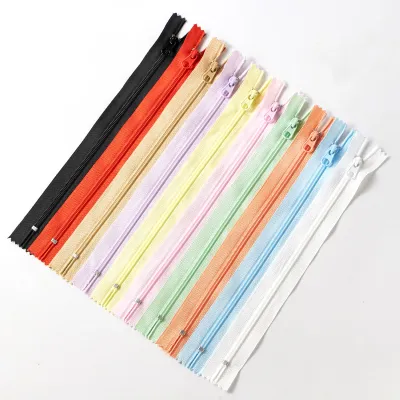
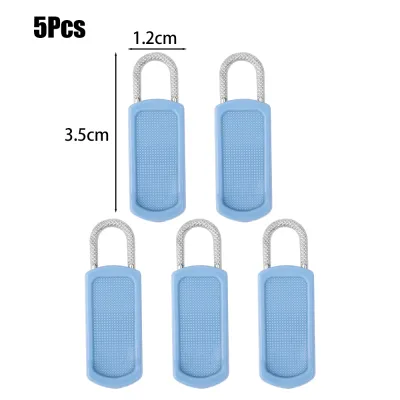
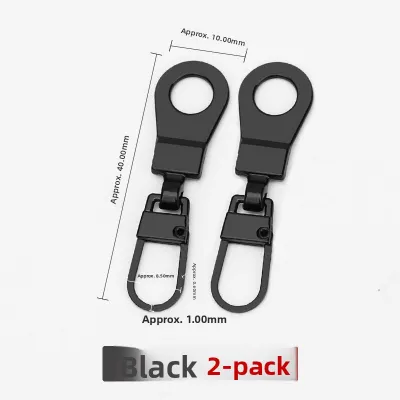
Prices are valid at publication and may change. Please refer to the product page for the latest price.
Zippers are broadly categorized into closed-end and separating types, each serving distinct structural purposes. Closed-end (non-separating) zippers remain joined at the bottom and are designed for openings that do not need to open completely, such as trousers, skirts, pockets, and cushion covers. Separating (open-end) zippers, on the other hand, feature a box-and-pin mechanism at the bottom that allows the two halves of the zipper tape to detach completely. These are essential for jackets, hoodies, coats, and detachable sports gear where the two sides of the garment must separate entirely.
Zipper sizing follows a standardized numbering system, typically ranging from #3 to #10, which indicates the approximate width of the closed teeth in millimeters. For example, a #3 zipper has teeth that measure roughly 3 mm across when closed, making it delicate and highly flexible. A #5 zipper, measuring approximately 5 mm, is the most versatile medium-weight option. Heavy-duty applications, such as luggage, canvas tents, or thick leather jackets, generally require a robust #8 or #10 zipper to withstand high lateral tension.
Before purchasing a replacement, closely examine the original zipper’s material, weight, and slider type to ensure the new one matches the item’s structural needs. Installing a zipper that is too heavy for a delicate fabric will cause the material to sag, pucker, and eventually tear under the weight. Conversely, using a lightweight zipper on a heavy-duty bag will result in the teeth bursting open under pressure. Take note of whether the original teeth are metal, molded plastic, or nylon coil, and select a replacement of equivalent weight and material.
Recommended Zipper Types by Sewing Project
Matching the zipper type to the specific demands of your project ensures both aesthetic appeal and long-term durability. Different fabrics and use cases require distinct tooth structures and tape weights.

Garments and Lightweight Apparel
Nylon coil zippers are the standard choice for general apparel, including skirts, dresses, lightweight trousers, and casual blouses. Made from a continuous coiled synthetic monofilament, these zippers are incredibly flexible, lightweight, and bend easily with the movement of the body. They also offer excellent color availability, making it straightforward to find an exact match for almost any garment shade. Because the coils are relatively soft, they are comfortable against the skin and do not add unnecessary bulk to lightweight fabrics.
For formal wear, tailored dresses, and garments where the closure must remain completely hidden, invisible zippers are the ideal option. These are specialized nylon coil zippers where the teeth are located on the reverse side of the tape, facing inward toward the garment. When installed correctly, only a clean seam line and a tiny, teardrop-shaped pull tab are visible from the outside. Successfully sewing an invisible zipper requires a specialized invisible zipper presser foot for your sewing machine, which unrolls the coils as you stitch to allow the needle to run close to the teeth.
Preventing fabric puckering requires careful coordination between the weight of the zipper tape and the fabric. Lightweight fabrics like silk, chiffon, linen, and thin cotton voile demand a delicate #3 nylon coil zipper. If you stitch a heavy-weight polyester zipper tape onto a thin fabric, the difference in structural tension will cause wave-like distortions along the seam line. Always test the drape of the zipper tape against your fabric before sewing to ensure they behave compatibly.
Bags, Jeans, and Heavy-Duty Gear
Metal zippers are the classic choice for denim jeans, leather goods, and heavy canvas bags. Featuring individual metal teeth clamped onto a sturdy fabric tape, these zippers are made from materials such as brass, aluminum, or nickel. They provide exceptional strength, high resistance to abrasion, and a rugged aesthetic that complements heavy fabrics. The rigid structure of metal teeth ensures they can withstand significant lateral tension and frequent pulling without warping or separating.
For sportswear, outdoor gear, and travel luggage, molded plastic (resin) zippers are highly recommended. Often referred to as Vislon zippers, these feature teeth molded individually from high-performance polyacetal resin directly onto the tape. They are highly durable, lightweight, and completely resistant to moisture and chemical exposure. In Singapore’s hot, humid tropical climate, molded plastic zippers are highly valued because they never rust or corrode when exposed to sweat, humidity, or rain. Their chunky teeth also handle thick, bulky seams exceptionally well.
Avoid using standard lightweight nylon coil zippers for heavy bags or backpacks under any circumstances. When a bag is packed tightly, the flexible coils of a lightweight zipper will stretch and distort under the internal pressure. This causes the teeth to separate and pop open, which can permanently damage the coil structure and render the zipper useless. For bags carrying heavy loads, always opt for a robust #5 or #8 metal or molded plastic zipper.
Cushions and Home Textiles
Standard nylon coil zippers are the most practical option for cushion covers, duvet covers, and soft furnishings. They provide a soft, flexible closure that does not create hard, uncomfortable ridges when you sit or lie on them. Additionally, nylon coil zippers are highly cost-effective, which is an important consideration when sewing large sets of matching cushion covers or long bolster cases for HDB living spaces.
When tackling large-scale home decor projects, such as custom sofa cushions or bay window pads, purchasing pre-cut zippers can be inefficient and expensive. Instead, use continuous zipper chains, commonly sold as “zippers by the yard.” This method allows you to pull the exact length of zipper tape needed from a continuous spool, cut it to size, and manually slide on one or more sliders. You can then secure the ends using thread bar tacks or metal stops, minimizing waste and allowing for custom-length closures on extra-long cushions.
For home textiles that experience frequent use, select zippers equipped with auto-lock or semi-auto lock sliders. These sliders feature a small internal pin mechanism that locks the slider in place on the teeth whenever there is no direct pull on the tab. This prevents cushion covers from gradually sliding open under the daily pressure of sitting, shifting weight, or washing, keeping the inner cushion pad securely enclosed.
Where to Source Quality Zippers in Singapore
Finding the right replacement zipper locally involves choosing between major retail outlets, traditional textile districts, and specialized online platforms depending on your project’s urgency and specificity.
Large craft and fabric retailers, such as Spotlight (with branches in central locations like Plaza Singapura and Westgate), offer highly accessible, standardized haberdashery sections. These stores are excellent for sourcing basic pre-packaged zippers in standard sizes and a wide array of everyday colors. They provide a convenient, air-conditioned shopping experience where you can physically inspect the zipper’s weight and flexibility before buying.
For specialized, bulk, or heavy-duty options, visiting Singapore’s traditional textile and haberdashery districts is highly recommended. The Arab Street area, including shops around Golden Landmark, houses several long-standing textile merchants who stock professional-grade sewing supplies. Similarly, the multi-story fabric and craft shops around People’s Park Complex in Chinatown offer an extensive selection of zippers, continuous zipper chains, and replacement sliders at competitive, wholesale-friendly prices. These traditional shops often carry hard-to-find items like extra-long metal zippers or heavy-duty molded plastic options.
If you are searching for highly specific lengths, uncommon colors, or genuine brand-name replacements like YKK, local e-commerce platforms and specialized online haberdashery webstores are excellent resources. Shopping online allows you to filter search results by exact tooth size, material, and length. When purchasing online, always verify the seller’s ratings, read customer reviews to ensure product authenticity, and factor in shipping times to ensure the items arrive before your project deadline.
To ensure an exact match when shopping in physical stores, always bring the broken zipper or the garment itself with you. If that is not possible, take a clear, high-resolution photo of the zipper next to a ruler, noting the tooth width and overall length. Haberdashery shopkeepers in places like Chinatown or Arab Street are highly experienced and can quickly identify the exact size, material, and slider type you need based on your sample or measurements.
Measuring and Preparing for Zipper Replacement
Proper measurement and preparation are critical to avoiding sizing errors and ensuring a clean, professional installation.
To measure a zipper correctly, measure only the length of the teeth (the chain) from the top stop to the bottom stop. Do not include the extra fabric tape at the top and bottom of the zipper in your measurement. This extra tape is designed to be tucked and sewn into the seams of the garment or item and does not contribute to the functional opening length. If you measure the entire tape, you will end up buying a zipper that is too short for the actual opening.
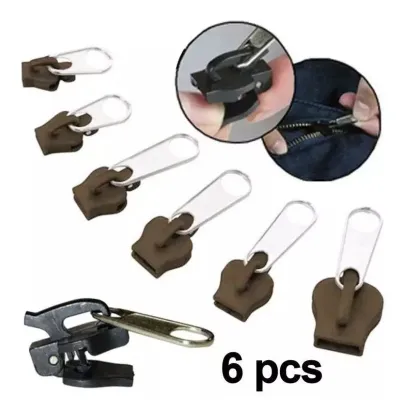
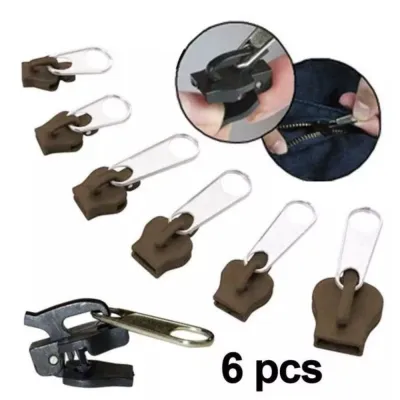
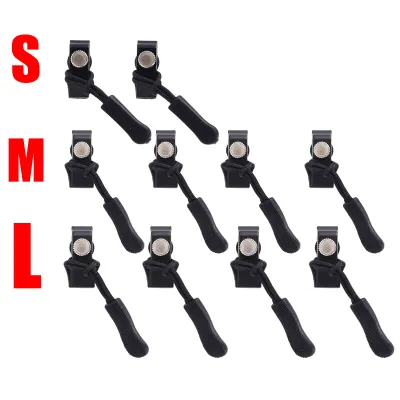
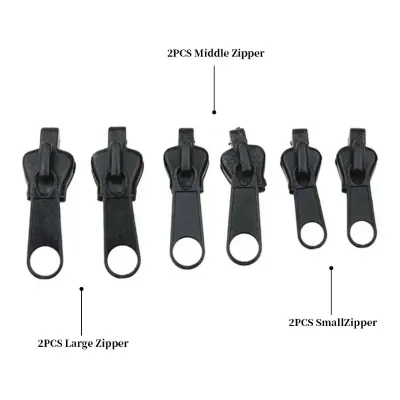
Before committing to a full replacement, diagnose whether you need to replace the entire zipper or just the slider. If the zipper teeth are completely intact, straight, and unbroken, but the zipper splits open behind the slider or the pull tab has broken off, you can usually resolve the issue by replacing only the slider. This is a much faster and less invasive repair. However, if any teeth are missing, bent, melted, or detached from the fabric tape, a full zipper replacement is mandatory.
When preparing for a full replacement, use a sharp seam ripper with extreme care to unpick the old zipper stitches. Work slowly to avoid slicing the fibers of the surrounding garment fabric. Once the old zipper is removed, pick away all loose thread fragments and press the seam flat with an iron. Pressing is a vital step; it removes any distortion or stretching that occurred during the unpicking process, providing a clean, flat, and stable foundation for pinning and sewing the new zipper tape evenly.
If you cannot find a replacement zipper of the exact length required, always purchase a zipper that is slightly longer rather than shorter. For closed-end zippers, you can easily shorten the tape from the bottom. Simply mark the desired length on the zipper teeth, sew a dense thread bar tack across the teeth at that mark to act as a new bottom stop, and cut away the excess tape and teeth approximately 1.5 cm below the new stop. Note that separating zippers cannot be easily shortened from the bottom without destroying the starter box and pin mechanism; they must be shortened from the top by removing the top stops, trimming the excess, and reattaching the stops.
Frequently Asked Questions (FAQ)
Can I just replace the zipper slider instead of the whole zipper?
Yes, you can replace just the slider if the zipper teeth are completely intact, straight, and undamaged. If the zipper splits open or the slider is stuck, replacing the slider is a much faster and easier repair than unpicking the entire fabric tape. You must ensure that the replacement slider matches the exact size (such as #5) and material type (metal, nylon coil, or molded plastic) of the original zipper chain to function correctly. You can determine the size by looking at the back of the old slider, which often has the size number stamped on it.
What should I do if I cannot find the exact zipper length?
For closed-end zippers, buy a longer version and shorten it from the bottom. Sew a secure thread bar tack across the teeth at the desired length to form a new bottom stop, then trim the excess tape about 1.5 cm below the new stop. For separating zippers, you must shorten them from the top instead of the bottom to preserve the insertion pin and box mechanism. To do this, measure down from the top, remove the top stops with pliers, cut the excess tape and teeth at the top, and reattach the top stops to prevent the slider from running off the tape.

Community discussion
Share your experience or ask a question. Comments are reviewed before publication.