
To navigate Singapore’s efficient transport network and bustling retail landscape, selecting the right sg card is essential for streamlining daily transactions. The ideal choice depends heavily on your daily routines, whether you are a daily MRT commuter, a motorist navigating Electronic Road Pricing (ERP) gantries, or a shopper looking to consolidate expenses. Singapore’s reloadable card ecosystem has evolved significantly, transitioning from traditional stored-value physical cards to advanced account-based ticketing systems. Understanding the operational differences between these options will help you select the most efficient payment method for your lifestyle.
The primary division in Singapore’s transit payment landscape lies between Contactless e-Purse Application (CEPAS) standard cards and the SimplyGo account-based system. CEPAS cards, which include traditional EZ-Link and NETS FlashPay cards, store monetary value directly on the physical chip. Transactions are processed instantly at the reader, meaning your card balance is updated in real time at the transit gantry or retail terminal. In contrast, SimplyGo is an account-based system that links your transit rides directly to an external account, such as a debit card, credit card, or mobile wallet. Under this system, fares are aggregated and billed to your linked account retroactively, eliminating the need to maintain a separate physical card balance.
When evaluating your options, consider four key decision dimensions: public transit compatibility, retail and hawker acceptance, motoring compatibility, and top-up convenience. For public transit, almost all options—including CEPAS cards, local bank cards, and major mobile wallets—work seamlessly across MRT lines and public buses. However, retail acceptance varies. While EZ-Link is widely accepted at convenience stores and many hawker centers, NETS FlashPay leverages the extensive NETS retail merchant network. Meanwhile, SimplyGo transactions depend on whether the individual merchant accepts contactless Visa, Mastercard, or NETS payments.
Products mentioned in this guide
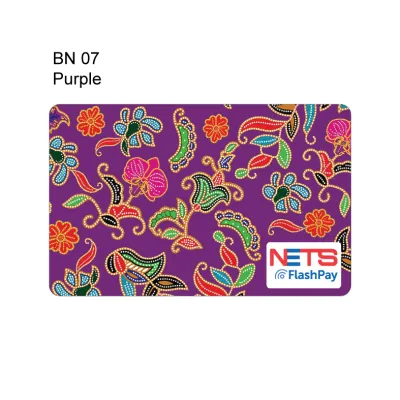
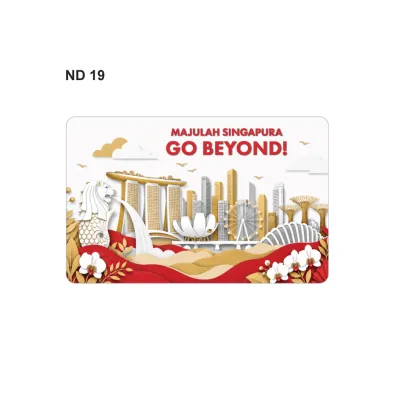
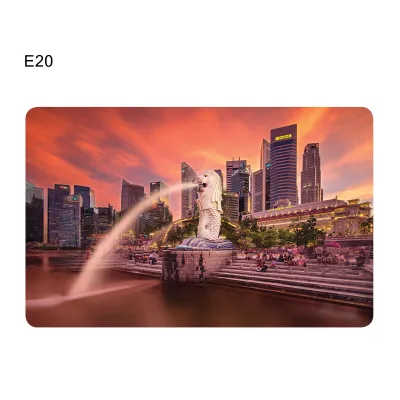
Prices are valid at publication and may change. Please refer to the product page for the latest price.
For drivers, the decision criteria shift dramatically. Traditional ERP systems and older car park gantries require physical CEPAS cards inserted into the vehicle’s In-vehicle Unit (IU). SimplyGo bank cards and mobile wallets cannot be used inside a standard physical IU for parking or ERP payments. Therefore, if you drive regularly, maintaining a physical CEPAS card like NETS FlashPay or a specialized motoring card remains necessary, even if you prefer using a mobile wallet for your daily train commutes.
Before purchasing a new physical stored-value card, evaluate the cards already in your wallet. Many local debit and credit cards are already enabled with SimplyGo functionality, allowing you to use them at transit gantries immediately without paying for a new physical card. If you prefer to keep your personal banking separate from daily transit expenses, or if you are managing pocket money for children or elderly family members, a dedicated physical reloadable card remains a highly practical and secure choice.
Top Reloadable Cards for Commuting and Everyday Purchases
Finding the perfect balance between transit convenience and retail utility requires looking closely at the specific features of each available card. While all these options facilitate daily movement across Singapore, their secondary features, fee structures, and management methods differ.
EZ-Link Card
The physical EZ-Link card remains one of the most recognized payment tools in Singapore, serving as a reliable companion for millions of daily commuters. Operating on the CEPAS standard, this card allows users to tap and pay instantly at bus scanners and MRT gantries. Beyond public transport, EZ-Link has built a massive retail footprint, making it highly useful for quick payments at convenience stores, supermarkets, vending machines, and a growing number of hawker centers across the island. It is particularly popular among students and seniors who use concession variants for subsidized transit fares.
However, the traditional physical EZ-Link card has clear limitations. It cannot be used for ERP payments or at older car park gantries that require a physical card in the vehicle’s IU. Additionally, traditional EZ-Link cards require manual top-ups at ticketing machines unless you link them to the EZ-Link app for automatic top-ups. Over time, physical cards also reach their operational lifespan, which is typically five years from the date of manufacture.
- Best for: Daily public transit riders, students, seniors, and those who frequently make small purchases at convenience stores and hawker stalls without using a smartphone.
- Limitations: Incompatible with standard vehicle IUs for ERP and car park payments; requires monitoring of physical card expiry.
- Actionable advice: Flip your physical card over to check the expiry date printed on the back. If your card is nearing its expiry or if you find physical top-ups inconvenient, consider upgrading to a SimplyGo-compatible EZ-Link card or transitioning entirely to an account-based contactless bank card.
NETS FlashPay Card
The NETS FlashPay card is another major CEPAS-compliant card option, widely utilized for its multi-purpose functionality. Produced by NETS, this card is designed to bridge the gap between daily transit commuting and motoring. It functions identically to EZ-Link at MRT gantries and public buses, allowing for swift, contactless entry and exit. Because it is backed by the extensive NETS network, it enjoys very high acceptance across supermarkets, food courts, and retail outlets island-wide.
The standout feature of the NETS FlashPay card is its compatibility with motoring systems. It can be inserted directly into first-generation and dual-mode In-vehicle Units (IUs) for automatic deductions at ERP gantries and car parks. This makes it an incredibly versatile dual-use card for individuals who commute via public transport on weekdays but drive on weekends.
- Best for: Drivers who want a single physical card to manage ERP tolls, car park fees, occasional public transit journeys, and retail purchases.
- Limitations: Some independent hawker stalls or niche retail outlets may prioritize EZ-Link or QR-based payments over physical NETS FlashPay cards.
- Actionable advice: If you plan to use NETS FlashPay for motoring, verify that your vehicle's IU is functioning correctly and supports CEPAS cards. Keep a close eye on the physical card balance, as running out of funds right before an ERP gantry can result in administrative fines.
SimplyGo (Contactless Bank Cards & Mobile Wallets)
SimplyGo represents Singapore’s transition toward a cardless, account-based transit system. By registering your existing contactless Visa, Mastercard, or NETS bank card with the SimplyGo platform, you can bypass the need to purchase or reload a dedicated physical transit card. Commuters can simply tap their physical bank card or their smartphone/smartwatch via Apple Pay, Google Pay, or Samsung Pay at any MRT gantry or bus reader. The fares are calculated automatically and billed directly to your bank account, streamlining your daily carry.
The primary advantage of SimplyGo is the complete elimination of manual top-ups and balance tracking. You no longer have to queue at ticketing machines or worry about insufficient funds when rushing for a train. However, this system relies heavily on stable mobile network processing and bank authorization. Users must also be aware that transit fares are aggregated and posted to bank accounts every few days, which can make daily budget tracking slightly more complex.
- Best for: Working professionals, tech-savvy commuters, and residents who prefer to minimize the number of physical cards in their wallets by consolidating transport and retail spending.
- Limitations: Foreign-issued credit or debit cards may incur additional administrative fees per day of use; older bank cards or devices with weak NFC signals may experience slight processing delays at gantries.
- Actionable advice: Before tapping your phone at the gantry, ensure your preferred payment card is selected as the default transit card in your mobile wallet. If you are using a foreign-issued bank card, contact your financial institution to confirm if they impose foreign transaction fees or daily transit admin fees for international contactless payments.
Prepaid Multi-Currency Cards (e.g., YouTrip, Revolut)
Prepaid multi-currency cards have gained immense popularity in Singapore, particularly among frequent travelers, expatriates, and online shoppers. These cards operate as reloadable Mastercard or Visa cards that allow users to hold and convert multiple currencies at competitive exchange rates. Because they function as standard contactless debit cards, they are fully compatible with Singapore’s SimplyGo transit system. This means you can use your physical YouTrip or Revolut card to pay for daily bus and MRT rides just like any local bank card.
Using a multi-currency card for daily transit is an excellent way to manage a strict weekly or monthly commuting budget. You can top up a specific amount of Singapore Dollars (SGD) into your digital wallet via local payment systems like PayNow, and use only those funds for your transit fares. This ring-fences your main bank account from daily transit transactions, adding an extra layer of security.
- Best for: Budget-conscious commuters, frequent travelers, and users who want to separate their daily transit and minor retail expenses from their primary bank accounts.
- Limitations: Transactions are subject to SimplyGo's aggregation and billing delays; you must ensure your digital wallet has a sufficient SGD balance to avoid card suspension at the transit gantry.
- Actionable advice: Ensure your physical multi-currency card is fully activated for contactless payments by making at least one point-of-sale transaction using your PIN at a physical retail store before attempting to use it at an MRT gantry. Check the issuer's terms of service to confirm that no hidden administrative fees are applied to local transit transactions.
Quick Comparison: Transit, Retail, and Parking Features
To help you quickly identify which sg card or payment system aligns best with your daily routine, the table below outlines the core capabilities, compatibility, and top-up methods for each major option.

| Card/System Type | MRT & Bus Transit | ERP & Car Parks | Retail & Hawker Acceptance | Primary Top-Up Method |
|---|---|---|---|---|
| EZ-Link Card | Fully compatible | Not compatible with standard IUs | High (supermarkets, convenience stores, hawkers) | Physical machines, convenience stores, mobile app |
| NETS FlashPay Card | Fully compatible | Fully compatible (supports standard & dual-mode IUs) | High (extensive NETS retail network, food courts) | Physical machines, local bank ATMs, mobile app |
| SimplyGo (Bank Cards) | Fully compatible | Not compatible with physical vehicle IUs | Extremely high (any contactless Visa/Mastercard terminal) | Automatic (direct debit from linked bank account) |
| Prepaid Multi-Currency Cards | Fully compatible (via SimplyGo) | Not compatible with physical vehicle IUs | High (any contactless Visa/Mastercard terminal) | Mobile app (via PayNow, debit card, or bank transfer) |
When prioritizing these features, consider your primary mode of transport and daily purchasing habits. If your routine involves driving daily, prioritizing ERP and car park compatibility is crucial, making the NETS FlashPay card or a dedicated motoring card the most logical choice. If your commute is strictly limited to the MRT and public buses, utilizing SimplyGo via your existing bank card or mobile wallet offers the highest level of convenience by eliminating manual top-ups entirely. For parents managing allowance budgets for children, a physical EZ-Link card remains the safest way to provide transit access and lunch money without exposing sensitive banking credentials.
How to Buy, Top Up, and Manage Your Card
Acquiring and maintaining your reloadable card in Singapore is a straightforward process, provided you use authorized channels. Physical stored-value cards like EZ-Link and NETS FlashPay can be purchased at various physical locations across the island. These include SimplyGo Ticket Offices located at major MRT stations, passenger service centers, and authorized convenience stores such as 7-Eleven or Cheers. You can also purchase customized or themed physical cards through official online stores on local online marketplaces.
Once you have acquired a physical card, keeping it funded is simple. Physical top-ups can be completed using cash or local debit cards at SimplyGo Kiosks, Assisted Service Kiosks, and Top-Up Kiosks situated inside all MRT stations and bus interchanges. Additionally, you can top up your card at the checkout counters of authorized convenience stores, though these retail transactions may sometimes incur a small service fee. For ultimate convenience, both EZ-Link and NETS offer mobile applications that allow you to link your physical card to your smartphone via NFC, enabling instant digital top-ups using local payment methods like PayNow or credit cards.
Managing your card effectively also involves protecting your funds. It is highly recommended to download the official SimplyGo, EZ-Link, or NETS apps and register your physical cards under your personal account. Registering your card provides loss protection; if you happen to misplace your physical card, you can immediately block it via the app to prevent unauthorized usage and initiate a transfer of the remaining balance to a replacement card or your bank account. If your physical card is damaged or reaches its expiry date, you can visit any SimplyGo Ticket Office to have the card inspected, retrieve the remaining balance, or transfer the funds to an active card.
To ensure your financial safety, always observe strict security boundaries when managing your reloadable cards. Only download official transit applications from authorized app stores, and never click on unsolicited SMS or email links claiming your transit card is blocked or requires an urgent top-up. Avoid using unauthorized third-party top-up services or websites, as these can be fronts for phishing scams or card-cloning operations. When performing physical top-ups, only use official, clearly branded kiosks inside transit stations or reputable retail partner counters to safeguard your personal data and financial assets.
Frequently Asked Questions (FAQ)
Can I use my foreign credit card for public transport in Singapore?
Yes, you can use foreign-issued contactless Visa and Mastercard credit or debit cards for public transport in Singapore via the SimplyGo system. You do not need to purchase a local physical transit card; simply tap your foreign card at the MRT gantry or bus reader. However, you should contact your home card issuer before traveling to confirm their terms. Foreign-issued cards often incur foreign transaction fees, currency conversion markups, or a nominal daily administrative fee imposed by local transit processors for aggregating daily transit fares.
What happens to the balance if my physical stored-value card expires?
When a physical CEPAS card like EZ-Link or NETS FlashPay reaches its operational expiry date, the card can no longer be used at transit gantries or retail terminals. However, the stored monetary balance is not lost. You can claim a full refund of the remaining balance by bringing your expired physical card and a valid proof of identity to any SimplyGo Ticket Office located at major MRT stations. The customer service officer will process the refund, which can be paid out in cash, transferred to an active local bank account, or transferred directly onto a new physical card. Note that some administrative or processing fees may apply depending on the card issuer’s terms.
Do I need a physical card if I use Apple Pay or Google Pay for transit?
No, you do not need to carry a physical card if you use Apple Pay, Google Pay, or Samsung Pay for transit in Singapore. The SimplyGo system fully supports mobile wallets linked to compatible debit, credit, or prepaid cards. To ensure a smooth journey, make sure your mobile device’s NFC functionality is turned on and that your preferred card is set as the default payment option in your digital wallet. You must authenticate the payment via face recognition, fingerprint, or passcode before tapping your device against the gantry reader, and always use the same device for both entry and exit to avoid being charged double fares.

Community discussion
Share your experience or ask a question. Comments are reviewed before publication.