
Selecting the right patchwork fabric is the foundation of any successful quilting project. For most quilters, 100% quilting cotton stands as the absolute standard due to its exceptional stability, minimal stretch, and ease of handling. However, your choice is not limited to cotton alone; incorporating linen, linen blends, and specialty fabrics like flannel or lawn can introduce rich textures and unique weights to your work.
In a warm and humid tropical climate like Singapore’s, fabric selection also directly impacts the usability of the finished quilt. A heavy, dense quilt might spend its life packed away in a cupboard, whereas a lightweight, breathable quilt made from linen-cotton blends or cotton lawn is perfect for air-conditioned bedrooms or light evening breezes. Understanding how different fibers behave under the needle and in the wash ensures your patchwork remains flat, durable, and comfortable for years to come.
Key Properties to Look for in Patchwork Fabric
When evaluating fabrics for a patchwork project, physical stability is your primary consideration. Patchwork involves cutting small pieces of fabric and sewing them together along precise seam allowances, typically a quarter-of-an-inch wide. If a fabric stretches, warps, or distorts easily, matching corners and maintaining straight lines becomes incredibly difficult, leading to puckered seams and uneven blocks.
Products mentioned in this guide
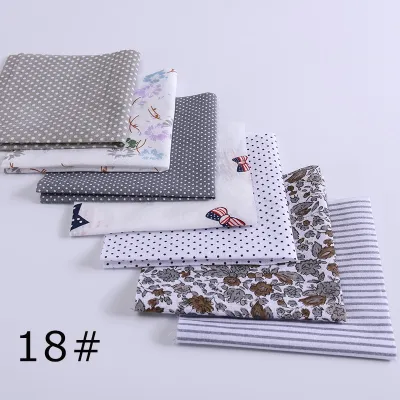
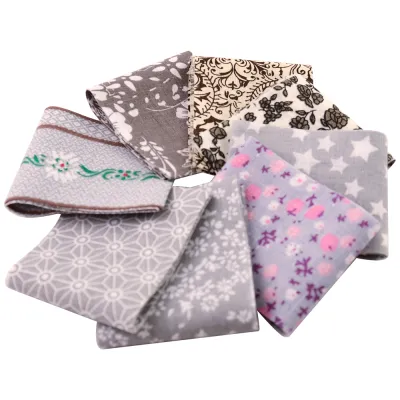
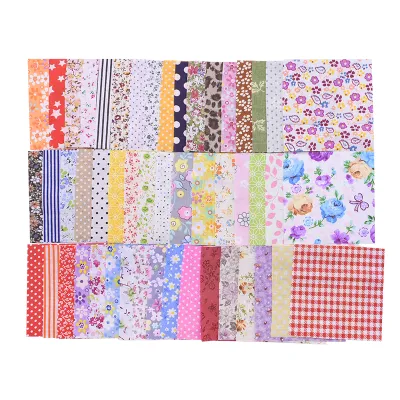
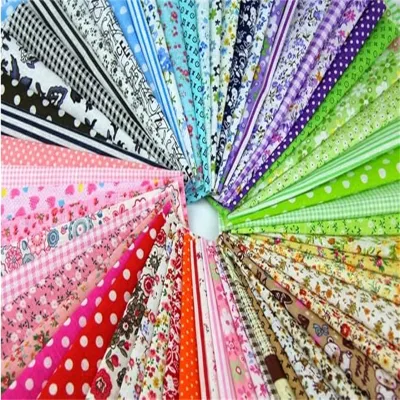
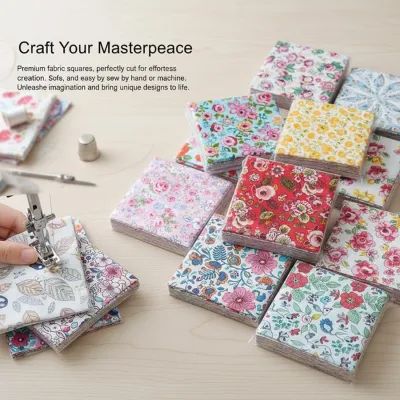
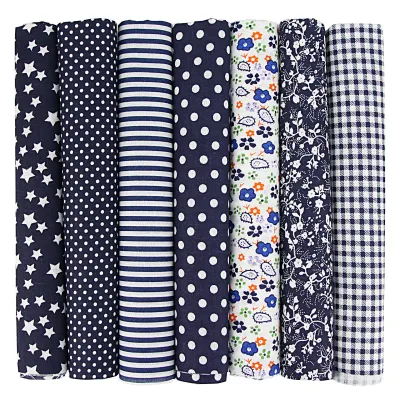
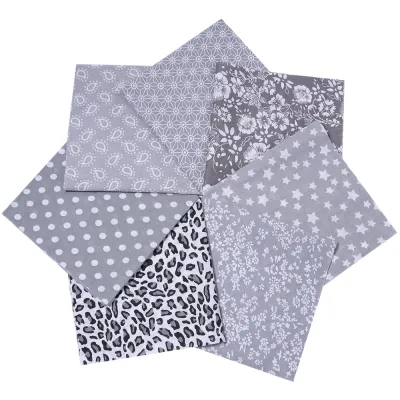
Prices are valid at publication and may change. Please refer to the product page for the latest price.
The weave structure of the fabric plays a critical role in how it behaves during cutting and sewing. A tight, balanced plain weave—where warp and weft threads cross over and under each other in a simple alternating pattern—is highly desirable. This structure minimizes bias stretch (the diagonal stretch across the grain) and ensures that cut edges do not unravel instantly when handled.
Fabric weight and density also dictate the final drape, warmth, and hand feel of the quilt. Mixing fabrics of vastly different weights can cause the heavier fabric to pull on the lighter one, distorting the seams over time. Additionally, checking the opacity of your fabric is essential; sheer or low-density fabrics can allow darker seam allowances from the back of the quilt to show through to the front, muddying your design.
Quilting Cotton: The Reliable Standard for Patchwork
Properties and Sewing Benefits
Quilting cotton is a medium-weight, 100% cotton fabric specifically manufactured for patchwork and quilting. It features a tight plain weave that provides a crisp hand feel, allowing it to hold creases beautifully when pressed with an iron. This structural integrity makes it exceptionally easy to cut with a rotary cutter, pin securely without slipping, and feed evenly through a sewing machine.

For beginners and experienced quilters alike, the stability of quilting cotton is a major advantage during construction. If you make a mistake, the fabric is robust enough to withstand seam ripping without tearing or distorting out of shape. It also supports dense machine quilting stitches without puckering, making it highly forgiving for complex geometric blocks.
Limitations and Handling Considerations
Despite its benefits, quilting cotton has a few characteristics that require careful handling. Brand-new quilting cotton can feel somewhat stiff or board-like on the bolt due to temporary starches and sizing agents applied during manufacturing. This stiffness disappears after the first wash, revealing a much softer texture, but it can make unwashed fabric slightly abrasive to handle during long sewing sessions.
Additionally, lower-grade cottons can fray easily along cut edges if handled excessively before assembly. Always check the manufacturer’s label or selvedge edge to verify the fiber content and purity. Some cheaper novelty prints may contain synthetic polyester blends; these blends do not crease as sharply as pure cotton and require lower iron temperatures to prevent scorching or melting.
Linen and Blends: Managing Texture, Drape, and Fraying
Working with Pure Linen
Pure linen, made from flax fibers, is highly valued in modern patchwork for its distinctive organic texture, subtle luster, and exceptional breathability. In Singapore’s tropical climate, a pure linen quilt offers a cool, comfortable weight that is ideal for warm nights. The natural irregularities in the linen yarn create a beautiful, rustic aesthetic that contrasts elegantly with precise geometric patchwork patterns.
However, pure linen presents several technical challenges for the quilter. It has a much looser weave than quilting cotton, which leads to rapid fraying along raw edges and a high degree of stretch, especially when cut on the bias. Linen also shrinks significantly more than cotton during its first wash. To manage these traits, you must handle cut pieces gently, consider using a wider seam allowance (such as a half-inch), or finish the raw edges with a zigzag stitch or serger before assembly.
The Advantage of Linen-Cotton Blends
If you love the textured look of linen but want a more cooperative sewing experience, linen-cotton blends (often called Essex linen or cotlin) are an excellent alternative. These fabrics typically combine approximately 55% linen with 45% cotton, bringing together the best qualities of both fibers. The cotton content adds stability, reduces bias stretch, and minimizes the extreme shrinkage associated with pure linen.
At the same time, the linen content preserves the characteristic slubby texture and relaxed drape that quilters adore. These blends are far more forgiving under the needle, holding their shape during pinning and pressing while remaining soft and breathable. For those stepping away from standard quilting cotton for the first time, a linen-cotton blend offers a gentle learning curve and beautiful, durable results.
Specialty Fabrics: When to Use Flannel, Voile, and Lawn
Flannel for Warmth and Softness
Flannel is a soft, medium-weight woven fabric, usually made of cotton, that has been brushed on one or both sides to create a cozy, napped surface. It is a popular choice for backing quilts or creating plush patchwork blocks designed for air-conditioned rooms. The brushed fibers cling to one another, which helps prevent slipping during the piecing process.
However, flannel is thicker than standard quilting cotton and has a tendency to stretch and shift as it passes through the sewing machine. The brushing process also weakens the structural stability of the weave, leading to higher rates of fraying and a significant amount of lint buildup inside your sewing machine. To sew flannel successfully, use a walking foot to feed the layers evenly, insert a fresh sewing machine needle, and slightly lengthen your stitches.
Voile and Lawn for Delicate Projects
Cotton voile and cotton lawn are lightweight, high-thread-count fabrics made from fine, tightly spun yarns. Voile is semi-sheer and silky with a soft, fluid drape, while lawn is slightly crisper and more opaque. Both materials are incredibly smooth and lightweight, making them perfect for delicate, airy quilts that feel luxurious against the skin in warm climates.
Because these fabrics are so fine, they require specialized handling to prevent damage. They are slippery to cut and pin, and their delicate fibers can easily snag or pucker if sewn with a dull needle. When working with voile or lawn, use a fine needle (such as a size 70/10 sharp or Microtex needle) and high-quality, fine cotton thread. Press with a clean, dry iron set to a moderate temperature, checking the manufacturer’s care guidelines to avoid scorching the delicate fibers.
Selecting and Preparing Fabric to Prevent Shrinkage and Fraying
Before purchasing fabric for your patchwork project, always read the manufacturer’s care labels and fiber content tags. This step is crucial for ensuring that all the fabrics you select can be cleaned and maintained using the same methods. Mixing a dry-clean-only fabric with a machine-washable cotton in a single quilt will inevitably lead to distortion, uneven shrinking, or fabric damage during the first wash.
The decision to pre-wash your patchwork fabrics is a frequent point of debate among quilters, but it is highly recommended when combining different fiber types or intense, saturated colors. To test a fabric for colorfastness, dampen a small scrap and press it against a clean white cloth; if dye transfers to the white cloth, the fabric is prone to bleeding. Pre-washing fabrics in cool water with color catcher sheets helps remove excess dye and allows the fibers to undergo their initial shrinkage before they are sewn into a rigid quilt top.
For fabrics that are slippery, stretchy, or prone to excessive fraying, applying a temporary stabilizer can make cutting and piecing significantly easier. Spraying the fabric with a light coat of laundry starch or fabric sizing before cutting adds temporary stiffness and crispness, mimicking the easy handling of high-quality quilting cotton. This starch will wash out completely once the finished quilt is laundered, restoring the fabric’s natural softness.
Always check the applied product’s label and the treated item’s manufacturer instructions before washing, starching, or ironing. If instructions conflict, the item is unidentified, or the use is not covered, stop and consult the manufacturer or a qualified professional. Following the specific heat and care limits of your fabrics is the best way to protect your investment and ensure your patchwork quilt lasts for generations.
Frequently Asked Questions (FAQ)
Can I mix different fabric types in one patchwork quilt?
Yes, you can mix different fabric types, but doing so requires careful preparation to prevent puckering and uneven wear. Because fabrics like linen, flannel, and cotton shrink at different rates, you should thoroughly pre-wash and pre-shrink all materials before cutting. Additionally, consider using a lightweight fusible stabilizer on the back of thinner or stretchier fabrics to match the weight and stability of the sturdier fabrics in your layout.
What is the best thread count for patchwork cotton?
For patchwork quilting, the thread count of the fabric should be balanced; a thread count between 60 and 80 threads per inch is typical for high-quality quilting cotton. If the thread count is too low, the fabric will feel coarse, fray rapidly, and allow seams to pull apart. If the thread count is excessively high (such as in high-end bedsheets), the weave becomes so dense that it is difficult to hand-quilt or push a needle through, which can lead to skipped stitches.
Do I need to pre-wash all patchwork fabrics?
Pre-washing is not mandatory for every project, but it is highly recommended under specific conditions. You should always pre-wash fabrics when mixing highly contrasting colors (like deep reds and crisp whites) to prevent dye bleeding, or when mixing different fiber types like linen and cotton. However, if you are working exclusively with pre-cut fabric packs (such as charm squares or jelly rolls), pre-washing is generally discouraged as the small pieces will fray excessively and lose their precise dimensions in the washing machine. Always consult the specific manufacturer guidelines for your fabric collection before deciding.

Community discussion
Share your experience or ask a question. Comments are reviewed before publication.