
Choosing the right tool is the defining step between a frustrating crafting experience and a flawless finished project. A high-quality nylon brush serves as the ultimate workhorse for modern arts and crafts due to its synthetic resilience, shape retention, and compatibility with water-based mediums. Unlike natural hair brushes, which can lose their shape and deteriorate quickly when exposed to heavy craft mediums, synthetic nylon filaments are engineered to withstand rigorous use while maintaining a precise edge.
For crafters in Singapore, selecting the appropriate synthetic brush is especially critical. The local tropical climate, characterized by high relative humidity, directly impacts how craft mediums dry, how adhesives cure, and how tools must be maintained to prevent mold and structural decay. Understanding the physical properties of nylon brushes allows you to make informed purchasing decisions, ensuring your tools perform consistently across various applications, from delicate miniature painting to heavy-duty glue application.
Why Nylon Bristles Excel in Arts and Crafts
Synthetic nylon filaments offer distinct structural advantages over natural animal hairs like hog bristle, ox hair, or premium sable. Natural hairs feature microscopic scales that absorb water, causing the shafts to swell, soften, and lose their natural spring when submerged. Nylon filaments, by contrast, are completely smooth and non-porous. This prevents them from absorbing water-based mediums, ensuring the brush maintains its structural integrity, stiffness, and “snap”—the physical springiness that allows the bristles to return immediately to their original shape after a stroke.
Products mentioned in this guide
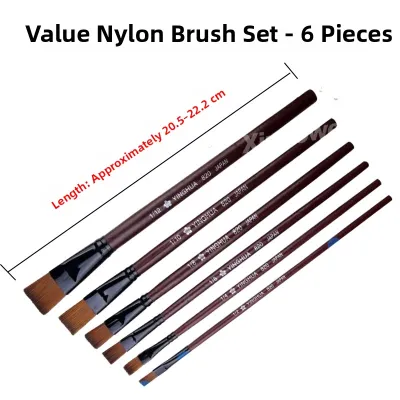
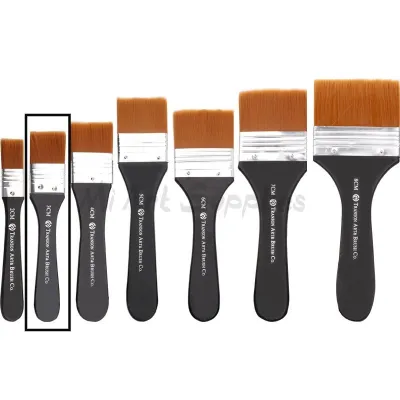
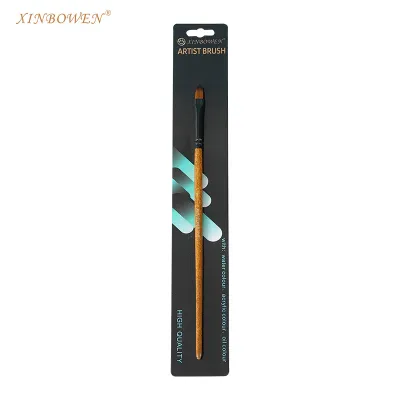
Prices are valid at publication and may change. Please refer to the product page for the latest price.
This lack of absorption makes a nylon brush highly resistant to the heavy, fast-drying binders found in acrylic paints, PVA glues, and decoupage mediums like Mod Podge. When natural hair brushes are used with these sticky, synthetic mediums, the binders can easily clog the microscopic scales, making the brush incredibly difficult to clean and leading to premature shedding. Nylon’s smooth surface allows paints and adhesives to slide off easily during washing, extending the lifespan of the tool significantly.
From a financial perspective, nylon brushes are highly cost-effective. While premium natural sable brushes can cost a premium, synthetic nylon brushes offer comparable precision at a fraction of the price. This makes them ideal for crafters who work with aggressive adhesives or abrasive surfaces that would quickly ruin expensive natural hair. Investing in a range of synthetic brushes allows you to dedicate specific tools to messy tasks without worrying about costly replacements.
Key Features to Evaluate When Buying Nylon Craft Brushes
Selecting the perfect nylon brush requires looking beyond the price tag and evaluating the physical construction of the tool. By understanding how bristle shape, stiffness, and handle construction affect performance, you can match the brush to your specific medium and technique.

Bristle Shape and Cut
The shape of the brush head determines how paint or glue is distributed across your working surface. Having a variety of shapes in your toolkit ensures you can handle both broad coverage and delicate detailing with ease.
- Flat Brushes: These feature a square, straight edge with medium-to-long bristles. They are excellent for laying down broad washes of color, basecoating flat surfaces, and creating sharp, straight lines using the chisel edge.
- Round Brushes: Boasting a circular ferrule and a pointed tip, round brushes are highly versatile. They are the go-to choice for sketching, outlining, detailed linework, and filling in small, controlled areas.
- Angular (Slant) Brushes: Cut at an angle, these brushes allow for precise "cutting in" around tight corners, executing clean curves, and reaching awkward angles on three-dimensional craft objects.
- Filbert Brushes: Featuring an oval shape with rounded outer bristles, filberts combine the coverage of a flat brush with the soft blending capabilities of a round brush, making them ideal for soft strokes and figurative work.
Bristle Stiffness and Snap
Matching the stiffness of your nylon brush to the viscosity of your craft medium is essential for achieving a smooth finish. Nylon brushes are generally categorized into soft and stiff varieties.
Soft, high-snap nylon brushes are engineered for fluid mediums like liquid acrylics, watercolors, inks, and thin varnishes. They glide effortlessly across paper or canvas, releasing the medium smoothly without leaving deep, visible brush ridges. Stiff, firm nylon brushes are designed to push heavy-body acrylics, thick texture pastes, gesso, and viscous adhesives. They provide the physical resistance needed to manipulate dense materials without bending out of shape.
To test the “snap” of a brush before purchasing, gently bend the damp or dry bristles sideways with a clean finger and release them. High-quality nylon will instantly spring back to its straight, original alignment. If the bristles lag, remain slightly bent, or splay outward, the synthetic fibers are of lower quality and will likely lose their shape quickly during use.
Handle Length and Ferrule Quality
Ergonomics and durability are heavily influenced by the brush handle and the ferrule—the metal collar that holds the bristles and secures them to the handle.
While easel painters often prefer long handles to balance their strokes from a distance, short-handled brushes (typically 12 to 15 cm) are far superior for desk-based crafts. A short handle brings your hand closer to the working surface, maximizing your control and reducing hand fatigue during meticulous detailing or repetitive gluing tasks.
In Singapore’s humid climate, ferrule quality is paramount. Cheap aluminum ferrules with visible seams can easily oxidize, trap water, and split over time. Look for seamless, double-crimped ferrules made of nickel-plated brass or copper. Seamless ferrules prevent water from seeping into the wooden handle, which can cause the wood to swell, crack, and loosen the adhesive bond holding the bristles, resulting in frustrating shedding.
Recommended Nylon Brush Profiles for Specific Craft Tasks
Different craft projects demand distinct brush characteristics. Rather than buying generic multi-packs, look for specific brush profiles engineered for your intended application.
Best for Acrylic and General Craft Painting
For general painting on wood, paper, canvas, or unglazed ceramic, you need a brush that balances paint capacity with smooth delivery. Look for a soft synthetic or nylon-polyester blend, often marketed as “synthetic sable.”
These brushes feature fine, tapered filaments that mimic the soft texture and paint-holding capacity of natural hair while retaining synthetic durability. They hold a generous reservoir of fluid or soft-body acrylic paint and release it evenly, minimizing visible brush strokes on your project. High-quality examples of this style include brushes designed similarly to the Princeton Velvetouch or Royal & Langnickel Zen lines, which offer excellent control and a soft touch.
- Limitations: These soft-blend brushes are not designed to handle heavy-body structural pastes, thick gesso, or heavy adhesives. Attempting to push highly viscous mediums with soft synthetic sable will cause the bristles to bend excessively, leading to uneven application and potential damage to the delicate fiber tips.
Best for Glue Application and Decoupage
Applying adhesives like PVA, wood glue, or decoupage mediums requires a robust, easy-to-clean tool. The ideal profile is a stiff, wide flat nylon brush or a hybrid foam-nylon brush, typically ranging from 1 to 2 inches in width.
Before applying any adhesive, always check the applied product’s label and the treated item’s manufacturer instructions to ensure compatibility and safety. Stiff nylon fibers are essential for breaking the surface tension of thick glues, allowing you to spread a uniform, thin layer across porous substrates like MDF, cardboard, or terracotta. The wide flat shape ensures rapid coverage, preventing the adhesive from drying partially before you assemble your pieces.
- Key Feature: Look for seamless, rust-resistant ferrules. If glue seeps into a seamed ferrule, it can dry and harden at the base of the bristles, permanently splaying the brush. A seamless ferrule makes it much easier to scrape out wet glue during cleanup.
- Limitations: These brushes are stiff and utilitarian; they are not suitable for detailed painting or blending. It is highly recommended to dedicate these brushes exclusively to adhesive tasks, as even minor dried glue residue will ruin a brush for paint applications.
Best for Miniatures and Fine Detailing
Painting tabletop miniatures, plastic scale models, or intricate mandalas requires extreme precision. The ideal profile is a micro-tipped, high-snap nylon round or liner brush in sizes 0, 1, 2/0, or 3/0.
These detail brushes utilize interlocking synthetic fibers that curve slightly inward toward the center of the brush head. This structural design ensures that the tip remains incredibly sharp and does not split or splay, even when loaded with highly pigmented fluid acrylics or model paints. The high-snap nylon provides immediate feedback to your hand, allowing you to paint microscopic edge highlights, pupils, and fine text with absolute confidence.
- Key Feature: Look for ergonomic triangular handles or thick comfort grips. These designs prevent the brush from rolling off your craft table and reduce hand cramping during long, focused detailing sessions.
- Limitations: Extremely fine synthetic tips are fragile. Scrubbing them aggressively against the bottom of a water jar or leaving them resting tip-down in water will permanently bend or "hook" the synthetic fibers, rendering the brush useless for fine lines.
Best for Varnishing and Resin Coating
Protecting your finished craft project with a clear topcoat of polyurethane, acrylic varnish, or liquid resin requires a specialized applicator to avoid ruining your hard work. The ideal profile is a thick, ultra-soft, wide flat nylon brush or a synthetic hake-style brush.
Before applying any varnish or resin, always check the applied product’s label and the treated item’s manufacturer instructions to ensure compatibility and safety. A high density of ultra-soft, fine nylon filaments allows the brush to hold a large volume of low-viscosity varnish and lay it down in long, continuous strokes. The soft tips minimize friction, preventing the introduction of unsightly brush marks, streaks, or micro-bubbles into your clear finish.
- Limitations: These wide, dense brushes require meticulous, immediate cleaning. Because varnishes and resins cure into hard, water-resistant barriers, any leftover residue will bond the dense bristles together permanently, turning your brush into a solid plastic block after a single use.
Summary Comparison Table
| Craft Application | Recommended Shape | Bristle Stiffness | Key Feature to Look For |
|---|---|---|---|
| Acrylic Painting | Flat, Round, or Filbert | Soft to Medium | Synthetic sable blend for smooth paint release |
| Glue & Decoupage | Wide Flat (1 to 2-inch) | Stiff | Seamless ferrule to prevent glue buildup |
| Miniatures & Detailing | Micro Round or Liner | High-Snap Medium | Interlocking fibers with a triangular handle |
| Varnish & Resin | Wide Flat or Hake | Ultra-Soft | High filament density to minimize air bubbles |
Cleaning and Storing Nylon Brushes in a Humid Climate
Singapore’s tropical climate, where relative humidity levels frequently exceed 80%, presents unique challenges for maintaining craft tools. Moist air slows down water evaporation from deep within the brush ferrule, creating an environment ripe for mold growth and accelerating the deterioration of wooden handles and adhesives. Proper maintenance is essential to protect your investment.
First, establish a habit of immediate cleaning. Never allow acrylic paint, varnish, or water-based glue to dry on your nylon bristles. Once these mediums cure, they become water-insoluble and will permanently ruin the synthetic fibers. Wash your brushes immediately after use using mild soap—such as a dedicated artists’ brush soap or a gentle dishwashing liquid—and lukewarm water. Avoid hot water, as high temperatures can soften the adhesive inside the ferrule, leading to bristle shedding.
When washing, gently massage the bristles from the base of the ferrule out to the tip. Pay close attention to the “heel” of the brush (the area closest to the metal collar), as dried paint buildup here will force the bristles outward, permanently ruining the brush’s shape. Rinse thoroughly until the water runs completely clear.
After rinsing, gently reshape the wet bristles using your fingers or a clean, lint-free microfiber cloth. For fine detail rounds, you can slip a breathable, mesh brush guard over the wet head to keep the fibers perfectly aligned as they dry.
To dry your brushes, never store them upright in a cup while wet. Gravity will pull water down into the ferrule, where it pools, rots the wooden handle, and dissolves the glue holding the bristles. Instead, lay your brushes completely flat on a clean, dry towel. Alternatively, suspend them upside down using specialized brush hangers or clips.
Once the brushes are completely dry, store them in a well-ventilated area. Avoid airtight plastic storage boxes, zip-top bags, or sealed plastic tubes, as these trap ambient tropical moisture and promote mold growth on wooden handles. Instead, opt for open-air desk stands, breathable canvas brush rolls, or perforated containers that allow air to circulate freely around the tools.
Frequently Asked Questions (FAQ)
Can I use the same nylon brush for both paint and glue?
While physically possible, it is highly discouraged to use the same nylon brush for both painting and gluing. Adhesives like PVA and Mod Podge are incredibly difficult to clean out completely from the microscopic crevices near the ferrule. Over time, microscopic glue residue accumulates, causing the bristles to lose their flexibility, springiness, and ability to hold a sharp paint edge. Additionally, dried glue particles can flake off into your paint, ruining your finish. It is best to purchase a set of inexpensive, stiff nylon utility brushes dedicated solely to gluing, while keeping your high-quality, soft-blend synthetic brushes strictly reserved for painting.
How do I fix a bent or splayed nylon brush tip?
If your nylon brush has developed bent or splayed bristles due to improper storage, you can often restore its shape using a simple, reversible hot water treatment. Always exercise caution when handling hot water to avoid burns.
First, heat a cup of water until it is hot but not boiling (around 70°C to 80°C); boiling water can melt or permanently curl synthetic fibers. Dip the splayed bristles into the hot water for 5 to 10 seconds to relax the nylon memory. Remove the brush and immediately use your fingers to gently reshape the bristles back into a sharp point or flat edge. Apply a small amount of water-soluble hair gel or brush conditioner to hold the shape, slip on a mesh brush guard, and let the brush dry completely flat. Once dry, rinse out the gel, and your brush should retain its original shape.
Are nylon brushes suitable for oil-based craft mediums?
Nylon brushes can be used to apply oil-based paints, varnishes, and stains, but they are not the ideal choice for long-term use with these mediums. Oil-based crafts require harsh chemical solvents, such as mineral spirits or turpentine, for cleanup. Prolonged exposure to these strong solvents can degrade, dry out, and weaken synthetic nylon fibers over time, causing them to become brittle and snap. If you frequently work with heavy oil-based mediums, it is better to use natural hog bristle brushes or specialized solvent-resistant synthetic brushes designed specifically to withstand harsh chemical solvents.

Community discussion
Share your experience or ask a question. Comments are reviewed before publication.