
Embroidery is a deeply rewarding, tactile craft that allows you to transform a plain piece of fabric into a textured work of art. For beginners, however, walking into a craft store can feel overwhelming due to the sheer variety of threads, hoops, fabrics, and needles available. A pre-assembled needle and thread kit offers the perfect entry point, bundling all the necessary components into a single, cohesive package so you can focus on learning the basic stitches.
Choosing the right brand for your first project is crucial to preventing early frustration. Low-quality kits often contain thread that tangles easily, needles that bend, or fabric that puckers under tension. By selecting a reliable, beginner-friendly brand, you ensure that your initial experience is smooth, encouraging, and successful. Brands like DMC, Dimensions Crafts, Anchor, and Bucilla have established themselves as industry leaders, offering high-quality materials and clear instructions tailored specifically for novices.
How to Choose a Beginner-Friendly Needle and Thread Kit
When evaluating a needle and thread kit, the quality of the thread is the most critical factor. The gold standard for embroidery is 100% stranded cotton floss. Unlike synthetic polyester alternatives, which tend to be slippery, prone to static, and highly susceptible to knotting, cotton floss glides smoothly through fabric. High-quality cotton thread is also colorfast, meaning the dyes will not bleed or run when the finished piece is washed or exposed to moisture—a vital consideration in Singapore’s humid climate. Stranded cotton is designed to be easily separated into individual plies, allowing you to control the thickness of your lines and the texture of your stitches.
Products mentioned in this guide
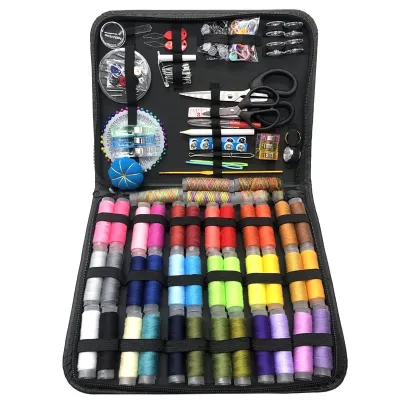
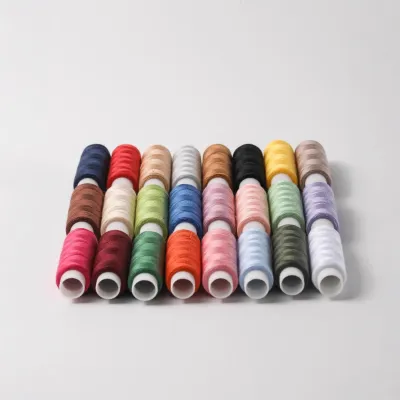
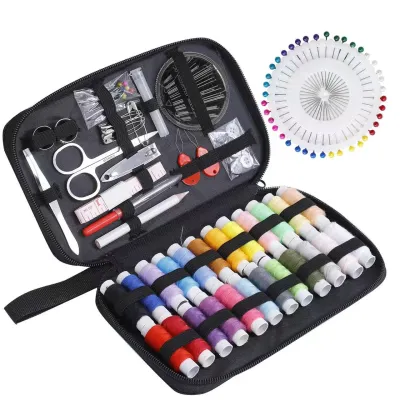
![🧵[3-In-1 Portable]Magnetic Needle Thread Box DIY Portable Magnetic Sewing Box Set Anti-Lost Home Sewing Accessories Sewing Hand Embroidery Tool](https://img.lazcdn.com/g/p/1f2b06022c55593ffad1fd254c41db89.jpg_400x400q80.jpg_.webp)
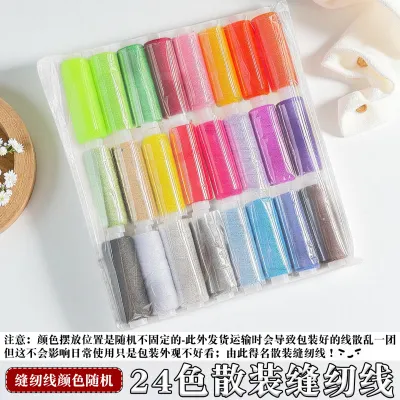
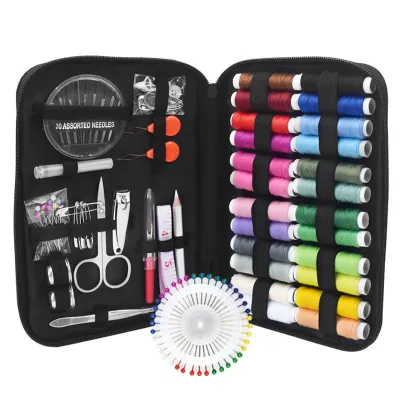
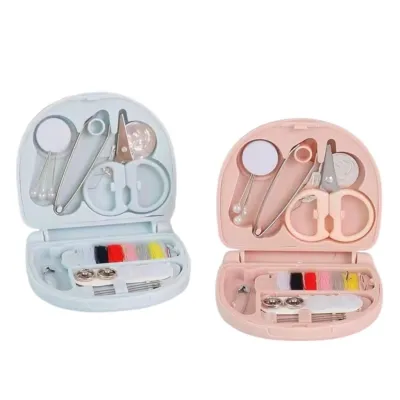
Prices are valid at publication and may change. Please refer to the product page for the latest price.
Needle selection is another key component of a beginner-friendly kit. Embroidery requires specialized needles, commonly known as crewel needles. These differ from standard sewing needles in two major ways: they feature a sharp point to easily pierce tightly woven fabrics, and they have an elongated, larger eye. This larger eye is essential because embroidery often requires you to thread multiple strands of floss at once. A standard sewing needle with a small, round eye will cause the thread to fray, strip, and break, leading to unnecessary frustration.
Beginners must also decide between two primary pattern styles: pre-printed (stamped) fabrics and counted patterns. Stamped embroidery kits feature the design printed directly onto the fabric, serving as a literal guide for your needle. This is highly recommended for absolute beginners because it eliminates the cognitive load of counting threads or manually transferring a design. Counted patterns, on the other hand, require you to follow a separate grid chart and count the weave of the fabric to place your stitches. While counted embroidery offers a clean, precise look, it demands a higher level of concentration and is generally more suited to those who have mastered basic needle control.
Finally, look closely at the instructional support provided in the kit. A great beginner kit does not just tell you where to put the needle; it shows you how. Look for kits that include clear, step-by-step visual diagrams or links to video tutorials. As a novice, you will want to start with kits that focus on foundational stitches. Mastering the backstitch (for clean outlines), the satin stitch (for smooth, solid fills), and the French knot (for textured, raised details) will give you the confidence to tackle almost any beginner-level design.
Top Needle and Thread Kit Brands for Embroidery Beginners
To help you make an informed purchase, we have evaluated the leading embroidery brands available in Singapore. Our selection methodology focuses on three core pillars: thread quality, instruction clarity, and local market availability. While these brands are highly reputable, keep in mind that kit contents can vary across different product lines. Always verify the specific package details on the box or product listing before making your final purchase to ensure it matches your expectations.

DMC
Widely regarded as the global benchmark for embroidery supplies, DMC is a French brand with a heritage spanning over two centuries. Their reputation is built on their premium 100% long-staple cotton stranded floss. This thread undergoes a double-mercerization process, which gives it a beautiful, subtle luster, exceptional strength, and superior fade resistance. For a beginner, stitching with DMC thread is a joy because it resists tangling and splitting, allowing you to focus entirely on your stitch placement.
DMC’s beginner-specific kits are exceptionally well-designed. They typically feature modern, minimalist, or botanical patterns printed on high-quality linen or heavy cotton fabric. The instructions are detailed, highly visual, and easy to follow, making them perfect for those who have never held a needle before.
However, these premium materials come at a higher price point, with kits generally sitting in the mid-to-high price tier (often ranging from S$25 to S$50+). Additionally, some DMC kits do not include an embroidery hoop in the box, selling them as standalone items instead. Always read the packaging carefully to confirm whether a hoop is included, or if you need to purchase a standard 6-inch wooden hoop separately.
Dimensions Crafts
Dimensions Crafts is an American brand celebrated for its comprehensive, project-based kits that cater to a wide range of skill levels. They are particularly famous for their “Gold Collection” kits, but they also offer an extensive line of standard beginner kits. These kits are designed to be entirely self-contained, making them incredibly convenient for first-time stitchers.
One of the greatest strengths of Dimensions Crafts is the sheer variety of their pre-printed patterns. From whimsical animals to detailed landscapes, their designs are engaging and highly structured. Their kits almost always include every single component you need to complete the project: a plastic or wooden hoop, a pre-threaded organizer, needles, fabric, and highly detailed stitch charts.
In terms of trade-offs, the thread included in standard Dimensions kits, while durable and easy to work with, may have a slightly different sheen and texture compared to premium standalone floss brands like DMC. However, for a beginner focused on practicing tension and learning stitch mechanics, this is an incredibly reasonable trade-off, especially given the brand’s highly accessible price point.
Anchor
Anchor is another historic European brand that stands as a major competitor to DMC. Known for its vibrant color palette and exceptional manufacturing standards, Anchor uses high-quality, mercerized cotton floss that offers a distinct, lustrous sheen and excellent tensile strength. This durability is highly beneficial for beginners who may need to pull out and redo stitches, as the thread resists fraying even after repeated passage through the fabric.
Anchor’s embroidery kits frequently lean toward traditional, classic, and intricate floral motifs. If you are drawn to timeless, elegant designs, Anchor is an outstanding choice. Their kits are thoughtfully put together, featuring clear instructions and premium fabrics that hold tension beautifully.
One practical consideration for buyers in Singapore is local availability. While DMC is ubiquitous in almost every craft store, Anchor kits can sometimes be slightly harder to find in general stationery shops. To browse a wide selection of Anchor kits, you may need to visit specialized needlework boutiques or order through reputable online craft distributors.
Bucilla
Bucilla, a brand under the Plaid umbrella, has been a household name in needlecrafts for over 150 years. They are particularly famous for their expertise in stamped embroidery and traditional holiday-themed felt kits. For a beginner, Bucilla offers an incredibly gentle learning curve through their highly reliable stamped fabric designs.
In a Bucilla stamped kit, the entire design is printed directly onto the fabric using a specialized blue ink. This ink is formulated to remain highly visible while you stitch, but it washes out completely in cold water once your project is finished. This feature is incredibly helpful for novices who worry about making mistakes or transferring patterns unevenly.
While Bucilla is fantastic for classic surface embroidery and decorative home textiles (like pillowcases and table runners), their aesthetic leans heavily traditional. If you are looking for ultra-modern, minimalist line art or geometric designs, you may find their catalog somewhat limited and might prefer to explore modern lines from DMC or independent designers.
Essential Components to Check Before Buying
Before you purchase any needle and thread kit, it is wise to run through a quick checklist to ensure you are getting a complete, high-quality package. This prevents mid-project delays and saves you from unexpected trips to the craft store. A complete beginner’s kit should ideally contain:
- An Embroidery Hoop: A 4-inch to 6-inch hoop is the ideal size for beginners. It should have a sturdy tension screw that holds the fabric taut like a drum.
- Embroidery Needles: Look for a kit that includes at least two crewel needles (typically size 3 to 9) so you have a spare if one is misplaced.
- Stranded Cotton Floss: Ensure the kit specifies 100% cotton thread. Avoid kits that bundle cheap, unbranded polyester thread, which will frustrate you with constant knotting.
- Suitable Fabric: The fabric should be a medium-weight cotton or linen blend. Avoid flimsy, stretchy, or overly synthetic fabrics, as they pucker easily and make maintaining even stitch tension nearly impossible.
- A Thread Organizer or Color Chart: When a design uses multiple shades of a single color (such as three different tones of green for leaves), a numbered thread organizer is essential to prevent mistakes.
Be highly cautious of “too good to be true” budget kits found on general online marketplaces. These kits, often priced under S$10, frequently omit the embroidery hoop, provide insufficient thread, or include instructions that are poorly translated and lack visual diagrams. Investing a few extra dollars in a reputable brand ensures you receive materials that behave predictably, making your learning process enjoyable rather than stressful.
Where to Source Embroidery Kits in Singapore
If you prefer a hands-on shopping experience, visiting an established local craft or fabric store in Singapore is highly recommended. Physical stores allow you to feel the weight of the fabric, inspect the quality of the hoop, and verify the thread brand in person. Major craft department stores like Spotlight (located at Plaza Singapura and Westgate) carry a reliable selection of beginner kits, hoops, and DMC threads. For a more specialized experience, head to historic needlework shops like Golden Dragon at People’s Park Centre in Chinatown. The staff in these specialized shops can offer invaluable, in-person advice on selecting your very first project.
For convenience and a broader selection of international designs, online marketplaces and specialized e-commerce platforms are excellent alternatives. When shopping online, always filter for highly rated sellers and read recent customer reviews. Pay close attention to reviews that mention thread quality and whether the kit arrived complete. Be wary of unbranded listings that do not explicitly name the thread manufacturer. Lastly, remember to factor in shipping times and potential overseas delivery fees, especially if you are ordering specialized kits from Europe, Japan, or the United States.
Because Singapore’s tropical climate is highly humid, metal embroidery needles can rust over time, and fabric can attract moisture. Once you purchase your kit, it is a good practice to store your threads and needles in an airtight plastic container with a few silica gel packets to keep your materials pristine and dry.
Frequently Asked Questions (FAQ)
Do I need to buy extra thread for a beginner kit?
Reputable brands like DMC, Dimensions, and Anchor calculate the thread requirements for their kits with a generous margin for error, typically providing 20% to 30% more floss than strictly necessary. However, if you make mistakes, stitch too tightly, or repeatedly pull out stitches, you may run out of a specific color. To safeguard against this, keep the paper thread wrappers or the color chart that lists the specific thread color numbers. If you run out, you can easily purchase an identical matching skein of DMC or Anchor floss at a local craft shop in Singapore.
What is the difference between stamped and counted embroidery kits?
In a stamped embroidery kit, the design is printed directly onto the fabric. You simply place your stitches directly over the printed lines, and any remaining ink is washed away with water once the project is complete. This is the easiest method for beginners. In a counted embroidery kit, the fabric (usually Aida or evenweave) is blank. You must look at a printed grid chart and count the individual threads of the fabric weave to determine where to place each stitch. Counted embroidery requires more focus but results in a highly precise, clean finish.
Can I use regular sewing needles for embroidery?
It is highly discouraged to use regular hand-sewing needles (often called sharps) for embroidery. Regular sewing needles have very small, round eyes designed for thin sewing thread. Trying to force multiple strands of embroidery floss through a small eye will strip, fray, and break the thread. Furthermore, the shaft of a sewing needle is uniform in width, whereas an embroidery (crewel) needle has a slightly wider eye portion that clears a path through the fabric, allowing the thick floss to pass through smoothly without friction.

Community discussion
Share your experience or ask a question. Comments are reviewed before publication.