
For knitters and crocheters in Singapore, finding a yarn that balances comfort, durability, and ease of use in a tropical climate is a top priority. Milk cotton yarn 4 ply has emerged as a favorite choice for both beginners and experienced crafters. This versatile blend combines the breathability of cotton with the silky softness of milk protein fibers and the lightweight durability of acrylic. When selecting the best option for your projects, the ideal choice depends on your specific crafting goals—such as choosing tightly twisted, structured skeins for amigurumi or ultra-soft, high-cotton blends for baby garments. By evaluating fiber ratios, twist quality, and local availability, you can find the perfect yarn to bring your creative designs to life.
Understanding Milk Cotton 4 Ply Yarn and Weight Conventions
To make an informed purchase, it is essential to understand what milk cotton yarn actually is. This material is not pure cotton; rather, it is a synthetic-natural hybrid blend. The typical composition consists of cotton fibers blended with acrylic and milk protein fiber (casein). The casein is extracted from milk liquid, processed, and wet-spun into a smooth, lustrous fiber that closely resembles silk or cashmere. When blended with cotton, it tempers the natural stiffness of the plant fiber, adding a luxurious hand-feel and a subtle sheen. The acrylic component is introduced to provide loft, elasticity, and lightweight strength, ensuring the yarn does not feel overly heavy or dense.
A common point of confusion for crafters in Singapore is the term “4 ply.” In traditional Western yarn weight systems, “4 ply” refers to a very thin, fingering-weight yarn typically knitted with 2.25mm to 3.25mm needles, often used for delicate socks or lace. However, in Singapore and across East Asian markets, “4 ply milk cotton” refers to a completely different classification. Here, it denotes a medium-light weight yarn—closer to a sport or light DK (Double Knitting) weight. The strand thickness is generally around 2.0mm to 2.5mm. It is designed to be worked with 2.5mm to 3.5mm crochet hooks or 3.0mm to 4.0mm knitting needles. Mistaking Western 4-ply patterns for Asian 4-ply milk cotton without adjusting your gauge can result in a finished project that is significantly larger and bulkier than intended.
Products mentioned in this guide
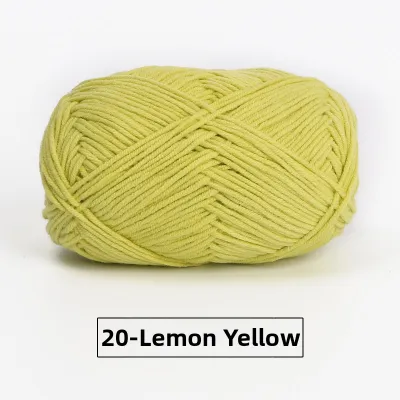
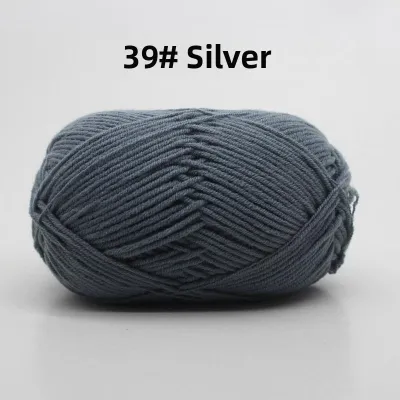
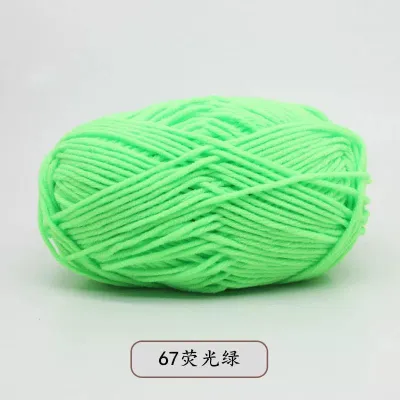
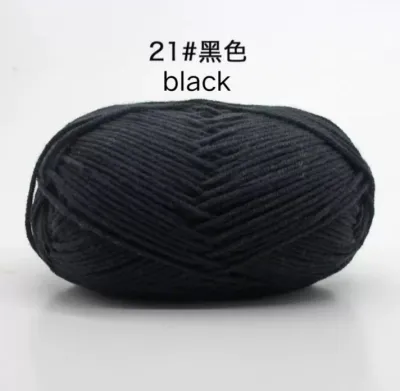
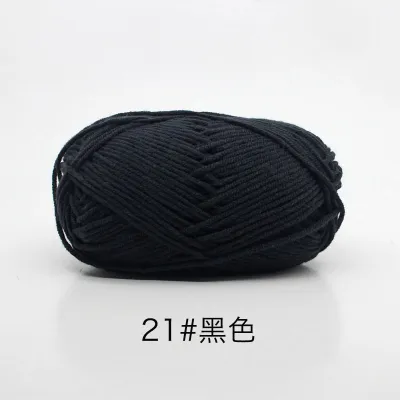
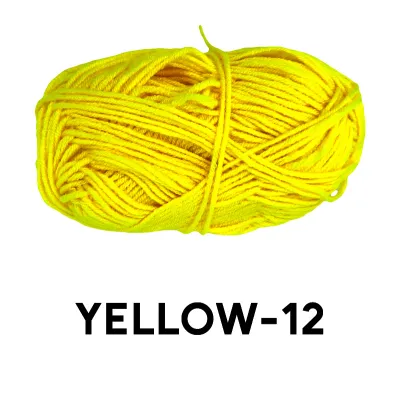
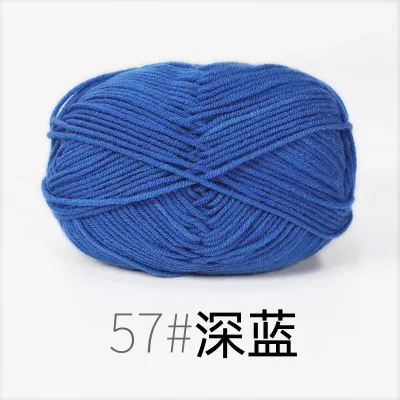
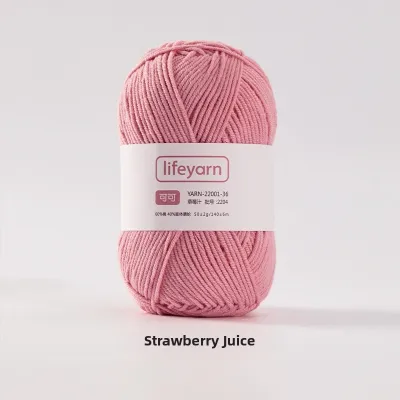
Prices are valid at publication and may change. Please refer to the product page for the latest price.
This specific blend is exceptionally well-suited to Singapore’s warm, humid climate. Pure wool or heavy acrylic garments are often too warm to wear locally, quickly becoming uncomfortable outdoors. The cotton content in milk cotton yarn provides excellent breathability and moisture absorption, allowing air to circulate. Meanwhile, the acrylic and milk protein fibers keep the fabric lightweight and soft against the skin. Whether you are crafting a light shawl for air-conditioned offices or a decorative home accessory, this blend provides the perfect balance of thermal comfort and structural stability.
Key Criteria for Evaluating Yarn Quality and Softness
When browsing local craft shops or online storefronts, you will find a wide array of milk cotton options. To separate high-quality skeins from inferior batches, you must evaluate several physical characteristics.

First, examine the fiber composition ratios listed on the label. A standard formula is 60% cotton and 40% acrylic/milk fiber, but variations abound. If you are planning to craft structured items like bags, coasters, or storage baskets, look for a higher cotton ratio (such as 80% cotton and 20% milk fiber). This composition provides a matte finish, higher tensile strength, and minimal stretch, ensuring your finished item retains its shape under load. Conversely, if you are making wearables, blankets, or scarves, a higher synthetic or milk protein ratio (such as 50% cotton and 50% acrylic) is preferable. This ratio yields a softer, more elastic yarn with a graceful drape that flows naturally rather than hanging stiffly.
Second, evaluate the twist and ply structure of the strand. High-quality milk cotton is spun with a balanced, consistent twist. If you pull a short length of yarn from the skein, the individual plies should remain neatly bound together. A tight, uniform twist is highly desirable because it provides crisp stitch definition and prevents “splitting.” Splitting occurs when your crochet hook or knitting needle tip accidentally pierces between the plies rather than catching the entire strand, leading to messy stitches and frayed fibers. To test this before starting a major project, perform a simple twist check: pull a 10cm section of yarn and twist it slightly in the opposite direction of its natural spin. If the plies separate immediately under minimal tension, the yarn is loosely twisted. While loosely twisted yarn feels incredibly plush and soft, it requires a careful, slow hand to avoid splitting.
Third, consider pilling resistance and long-term durability. Because milk cotton contains synthetic acrylic and delicate milk protein fibers, it is susceptible to pilling when subjected to friction. Pilling occurs when loose fibers migrate to the surface of the fabric and rub together to form small, unsightly balls. You can perform an easy palm-rub test to assess a yarn’s pilling resistance before committing to a large purchase. Take a small sample of the yarn, place it between your palms, and rub them together briskly ten times. Inspect the surface: if the fibers immediately fuzz up or form tiny pills, the yarn is highly prone to friction wear. Such yarn is best reserved for low-contact items like wall hangings, amigurumi, or decorative pillows, rather than high-wear garments like sweaters or daily-use bags.
Finally, pay close attention to colorfastness and dye lots. When yarn is dyed in commercial vats, each batch is assigned a unique dye lot or batch number. Because water temperature, chemical concentrations, and drying times vary slightly between batches, skeins from different dye lots can exhibit subtle color discrepancies. While these differences may look invisible in the skein, they will appear as distinct, distracting bands of color in your finished fabric. Always verify that the dye lot numbers on all your skeins match perfectly. If you are purchasing unbranded or generic mill skeins from online marketplaces where dye lot numbers are not clearly labeled, it is wise to buy slightly more yarn than your pattern requires in a single order. This increases the likelihood that the seller will pull your entire order from the same production batch.
Matching Yarn Traits to Specific Knitting and Crochet Projects
Different projects place distinct demands on your yarn. Understanding how the physical traits of milk cotton 4 ply behave in different contexts will help you achieve professional results.
Amigurumi and Crochet Toys
Amigurumi—the Japanese art of knitting or crocheting small, stuffed yarn creatures—demands a yarn with high structural integrity and excellent stitch definition. Milk cotton yarn 4 ply is widely considered the gold standard for this craft. The cotton content gives the toy a firm, sturdy shell that holds its shape even when stuffed tightly with polyester fiberfill. Furthermore, the smooth, matte surface of the yarn makes every single crochet stitch stand out, giving your toy a clean, professional finish.
To achieve the best results with amigurumi, it is crucial to scale down your tool size. While a standard label might suggest a 3.0mm hook, you should opt for a 2.0mm or 2.25mm hook instead. This deliberate mismatch forces your stitches to be extremely tight and dense. This prevents the white stuffing from peeking through the gaps when the toy is assembled and stretched, ensuring a neat, high-quality finish that keeps the stuffing securely contained.
Baby Items and Sensitive Skin Projects
The delicate skin of infants requires materials that are exceptionally soft, breathable, and free from irritating textures. Milk cotton’s inclusion of milk protein fiber provides a cashmere-like softness that is incredibly gentle, making it an excellent choice for baby blankets, booties, beanies, and lightweight sweaters. Unlike pure wool, which can scratch and trigger allergic reactions, or pure acrylic, which can trap heat and cause sweat rashes, milk cotton breathes well while remaining plush.
When crafting for babies, safety and maintenance are paramount. Perform a physical check to ensure the yarn does not have a heavy “halo” of loose, fuzzy fibers that could break off and be inhaled or swallowed by an infant. Additionally, verify the manufacturer’s washing instructions. Baby items require frequent laundering, so the yarn must be durable enough to withstand gentle machine washing without losing its shape or shedding fibers. Stick to pastel or natural shades, as highly saturated or neon dyes can sometimes bleed during washing or cause sensitivity on newborn skin.
Lightweight Garments and Summer Accessories
Creating garments for Singapore’s tropical climate requires careful material selection. A summer top, a light cardigan for air-conditioned offices, or a stylish market bag are all excellent candidates for milk cotton 4 ply. The breathable cotton fibers wick moisture away from the skin, while the acrylic fibers ensure the garment remains lightweight and does not feel like a heavy blanket.
However, crafters must account for cotton’s lack of natural elasticity. Unlike wool, which springs back into shape after being stretched, cotton tends to stretch out and sag under its own weight. If you are knitting a cardigan, choose a stitch pattern that offers structural support, such as ribbing or seed stitch, and maintain a consistent, firm tension. For crochet market bags, which are subjected to heavy loads, use a highly structured, dense stitch pattern like the linen stitch or single crochet. This minimizes stretching and prevents your bag from dragging on the ground when filled with groceries.
Finding and Selecting Milk Cotton Yarn Brands in Singapore
Navigating the retail landscape for yarn in Singapore requires a mix of local knowledge and online shopping savvy. Because milk cotton is primarily produced in specialized textile mills across Asia, the market is filled with a variety of branded and unbranded options.
The local brand landscape is the first step to understand. While global Western brands dominate the wool market, the milk cotton market in Singapore is led by regional Asian brands and specialized distributor labels. Brands like FlyYarn, Cowry, and various mill-direct labels are highly popular. Many local craft shops source high-quality skeins directly from reputable manufacturers and package them under their own store brands. When evaluating these options, do not be discouraged by a lack of international brand recognition. Instead, focus on verifying the consistency of the strand thickness throughout the skein and checking for a smooth, knot-free texture.
Visiting brick-and-mortar craft stores in Singapore is highly recommended, especially for your first few projects. Neighborhoods like Chinatown, Plaza Singapura, and various suburban town centers host long-standing haberdashery shops and modern craft boutiques. Visiting a physical store allows you to touch the yarn directly, which is the only reliable way to assess its true softness and flexibility. It also allows you to view the colors under natural light, avoiding the color distortion that often occurs on computer or mobile screens. Furthermore, you can physically compare different brands to ensure the “4 ply” thickness matches your project requirements.
If you prefer the convenience of online shopping, online marketplaces and local craft e-commerce platforms offer an unparalleled selection of colors and competitive pricing. However, buying yarn online requires careful verification to avoid low-quality batches. Always read recent buyer reviews and look for photos uploaded by customers. These photos provide a more realistic view of the yarn’s color and texture than polished studio images. Check the seller’s overall rating and shipping origin; items shipping from regional hubs may take longer to arrive in Singapore, which is an important consideration if you are working under a project deadline. Finally, verify the seller’s return and exchange policies in case you receive a batch with manufacturing defects, such as excessive knots or inconsistent ply thickness.
Evaluating cost versus value is also essential. In Singapore, milk cotton yarn 4 ply is highly affordable, typically costing between S$1.50 and S$3.50 per 50g skein. While it can be tempting to purchase ultra-cheap bulk packs from unverified online sellers, this often results in receiving yarn with inconsistent thickness, frequent knots, or poor dye quality. Investing a slightly higher amount in reputable local distributor brands ensures a smoother crafting experience and a more durable finished product. Additionally, factor in local shipping costs; sometimes, purchasing directly from a local physical shop is more economical than paying international shipping fees for a small online order.
Working and Care Tips for Milk Cotton Blends
To ensure your finished projects look professional and stand the test of time, you must employ proper crafting techniques and care routines tailored to milk cotton blends.
Managing your tension and selecting the right tools are critical when working with this yarn. Because cotton lacks natural elasticity, it does not stretch or contract as you work, which can lead to uneven stitches if your tension fluctuates. If you tend to hold your yarn tightly, your hands may tire quickly when working with cotton. To alleviate this, use polished metal crochet hooks or knitting needles, which allow the yarn to glide effortlessly. If your tension is naturally loose, wooden or bamboo tools are highly recommended. The natural texture of wood provides a gentle grip on the fibers, helping you maintain uniform stitch sizes and preventing the yarn from slipping off your needles.
Once your project is complete, blocking is a crucial step to even out your stitches and set the final shape of the fabric. For milk cotton blends, wet blocking is the most effective method. Submerge your finished item in a basin of cool water mixed with a small amount of mild, no-rinse delicate wash. Let it soak for 15 to 20 minutes, then gently squeeze out the excess water. Never wring or twist the wet fabric, as this can permanently stretch and distort the stitches. Instead, lay the item flat on a clean, dry towel, roll the towel up like a sleeping bag, and press down gently to absorb the remaining moisture. Unroll the towel, transfer the item to a foam blocking board, pin it to the correct dimensions, and allow it to air dry completely in a well-ventilated indoor space. Avoid high-heat steam blocking, as excessive heat can melt the acrylic fibers, causing the fabric to lose its bounce and become limp.
Proper washing and drying routines will extend the lifespan of your milk cotton creations. Always refer to the specific care instructions on the yarn label first. As a general rule, hand washing in cool water with a gentle detergent is the safest method. If you must use a washing machine, place the item inside a zippered mesh laundry bag to protect it from friction and snagging. Select a delicate or wool cycle with cold water and a low spin speed. Never place milk cotton items in a tumble dryer, as the high heat can cause the cotton fibers to shrink and the acrylic fibers to degrade. Instead, lay the garment flat on a drying rack away from direct sunlight, reshaping it gently while damp.
Frequently Asked Questions (FAQ)
Is milk cotton yarn suitable for beginners?
Yes, milk cotton yarn 4 ply is an exceptional choice for beginners. Its smooth, rounded strand structure provides excellent stitch visibility, making it easy to count your rows and identify mistakes. Unlike fuzzy or textured yarns, it does not tangle easily, allowing you to unravel your work and redo stitches without damaging the fiber. Its soft texture is also comfortable on sensitive fingers, preventing friction burns during long practice sessions.
How does milk cotton 4 ply differ from standard 100% cotton yarn?
Standard 100% cotton yarn is dense, inelastic, and can feel stiff or rough to work with, though it offers superb structural strength. In contrast, milk cotton 4 ply blends cotton with acrylic and milk protein fibers. This combination significantly reduces the overall weight of the yarn, adds a luxurious softness and subtle sheen, and introduces a degree of elasticity that makes it much easier on the hands during crafting.
Will milk cotton yarn shrink or stretch after washing?
Milk cotton yarn exhibits good dimensional stability, but it is not entirely immune to shrinking or stretching. The cotton component can shrink if exposed to hot water or the high heat of a tumble dryer. Conversely, because cotton is heavy when wet, hanging a wet garment on a hanger to dry will cause it to stretch out of shape. To prevent both shrinking and stretching, always wash in cool water and lay the item flat to dry.

Community discussion
Share your experience or ask a question. Comments are reviewed before publication.