
A broken luggage zipper pull can turn a premium suitcase into a frustrating challenge, especially when you are navigating Changi Airport or packing for an upcoming trip. The most direct and reliable solution is to install a dedicated replacement luggage zipper pull that matches your bag’s slider mechanism and can withstand the physical demands of transit. Instead of replacing the entire bag or paying for expensive professional repairs, choosing the right aftermarket pull allows you to restore full functionality to your suitcase within minutes at home.
To make a successful repair, you must evaluate the attachment style, the size of your zipper slider, and the physical demands of your travel style. While standard metal ring and tab pulls offer a classic, secure look for hard-shell suitcases, flexible paracord loops provide excellent shock absorption for soft-shell duffels, and universal clip-on pulls offer instant, tool-free emergency fixes. Understanding these options ensures you select a replacement that secures your belongings and operates smoothly under tension.
How to Identify Your Luggage Zipper Type and Size
Before purchasing a replacement luggage zipper pull, you must identify the exact size and type of the zipper currently installed on your suitcase. Zipper hardware is not universally compatible, and attempting to force an oversized pull or an incompatible clasp into a small slider hole can permanently damage the mechanism.
Products mentioned in this guide
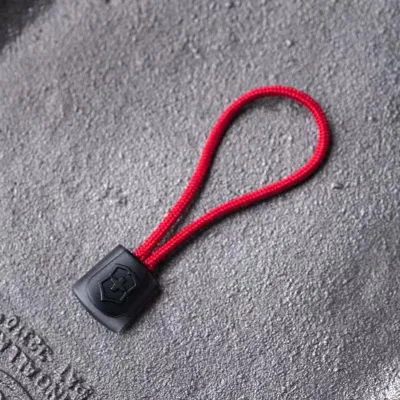
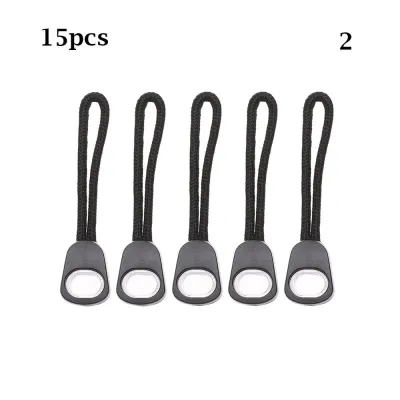
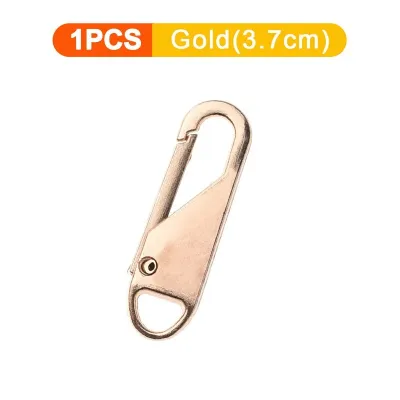
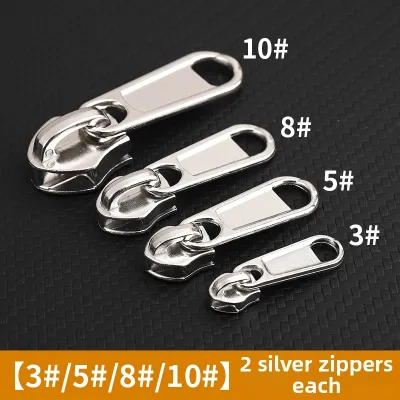
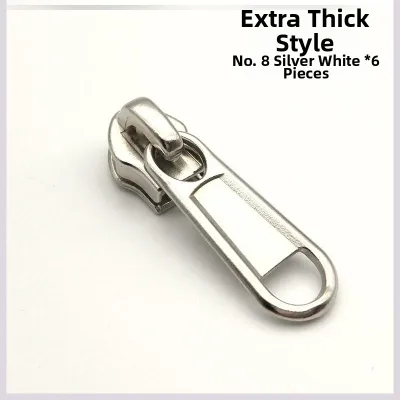
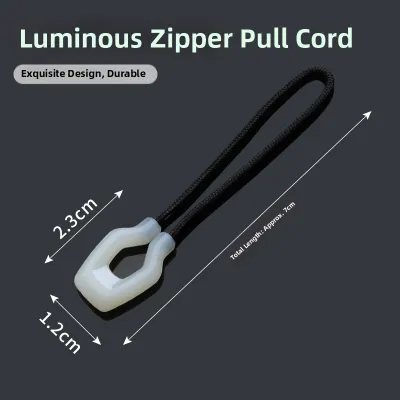
Prices are valid at publication and may change. Please refer to the product page for the latest price.
To determine the size of your zipper, look at the back of the metal slider body. Manufacturers often stamp a number there, such as 5, 8, or 10, which indicates the zipper gauge. If the number is worn off or missing, you can determine the gauge by measuring the width of the closed zipper teeth in millimeters using a ruler or caliper. A width of approximately 5 mm corresponds to a #5 zipper, while widths around 8 mm and 10 mm correspond to #8 and #10 zippers, respectively. Most heavy-duty check-in suitcases utilize #8 or #10 zippers to handle high tension, whereas smaller carry-on bags or internal compartments frequently use #5 zippers. A mismatch of even a single millimeter can cause the zipper to jam or split open under pressure.
Next, observe the physical structure of the zipper teeth. Luggage zippers generally fall into two categories: coil zippers and tooth zippers. Coil zippers, typically made of extruded nylon spirals, are highly flexible, resistant to horizontal tension, and common on main suitcase openings. They are often “self-healing,” meaning if they split, you can often zip them back and forth to restore the seal. Tooth zippers feature individual, molded plastic or metal teeth clamped onto the zipper tape, offering rigid security but less flexibility. Your replacement pull must be compatible with the slider designed for these specific structures.
Finally, inspect the slider body’s attachment loop, which is the small metal bridge where the original pull tab was secured. You must measure the opening of this loop to ensure your new pull’s attachment wire, ring, or cord can pass through easily. If the original pull tab snapped off but left the loop intact, a standard replacement pull can be threaded directly through. However, if the loop itself is bent or broken, you will need a specialized clip-on pull that bypasses the broken loop or a complete slider replacement. Additionally, some sliders on premium bags have integrated locking tabs designed to slot into TSA-approved combination locks; if you replace these with standard pulls, you may lose the ability to secure the bag in the built-in lock.
Key Features to Look for in a Luggage Zipper Pull
Selecting a durable replacement luggage zipper pull requires looking beyond basic aesthetics to evaluate how the hardware will perform under pressure. Luggage undergoes significant environmental stress, mechanical vibration, and rough handling by airport baggage systems, meaning low-quality replacements will quickly fail.

Material durability is the most critical factor to consider. Look for pulls made from high-strength zinc alloy, marine-grade stainless steel, or heavy-duty reinforced nylon. Zinc alloy offers an excellent balance of tensile strength and corrosion resistance, preventing the pull from snapping when you pull a packed bag shut. Stainless steel is highly resistant to moisture and salt air, making it ideal for tropical climates like Singapore’s. For flexible options, reinforced nylon or braided polyester cords offer exceptional tear resistance and will not degrade when exposed to heat or humidity.
The attachment mechanism determines how securely the pull remains fastened to the slider. Split rings, similar to miniature keyrings, provide a highly secure connection that is virtually impossible to pull off accidentally, though they require a small tool to install. Lobster clasps and spring-loaded metal gates offer fast, tool-free installation but contain internal moving parts that can wear out or open if caught on external machinery. Direct cord loops rely on a simple girth hitch knot, which offers excellent security and zero mechanical parts to fail, provided the cord material is thick enough to resist abrasion.
Ergonomics and visibility also play a vital role in usability. A replacement pull should feature a textured, non-slip grip or an ergonomic shape that allows you to operate the zipper comfortably, even with wet hands or when wearing gloves. Larger pull tabs benefit travelers with limited hand mobility, providing a comfortable grip that requires less pinching force. High-visibility colors, such as bright orange, yellow, or reflective patterns, make it easier to locate your zipper pulls in low-light conditions, such as inside a dim hotel room or on a dark baggage carousel.
However, you must weigh these benefits against potential trade-offs. Heavy, oversized metal pulls can add unnecessary weight to your bag and may scratch the exterior of hard-shell suitcases during transit. Conversely, ultra-lightweight plastic pulls might not offer enough leverage to close a tightly packed bag. Choosing a pull that matches the scale of your luggage ensures optimal performance without introducing new inconveniences.
Recommended Luggage Zipper Pull Types for Different Needs
Different travel scenarios and luggage designs require specific styles of replacement pulls. Understanding the strengths and limitations of each type helps you make an informed decision based on your specific suitcase.
Ring and Tab Pulls for Standard Zippers
Traditional metal or hard plastic ring and tab pulls are designed to replicate the original look and feel of your luggage hardware. These pulls feature a solid metal loop or a rigid tab that connects directly to the slider body, providing a clean, low-profile appearance.
These pulls are highly secure because they lack flexible cords that can catch on external objects. They are the ideal choice for hard-shell suitcases with molded zipper tracks, where a sleek profile prevents the pull from getting crushed or sheared off in automated baggage sorting systems. The rigid design provides direct leverage, allowing you to apply firm, straight-line force when pulling the slider along the track.
However, rigid tabs have a notable limitation: they can snap under extreme lateral stress. If your suitcase is severely overstuffed and the zipper tape is bulging outward, pulling a rigid tab at an angle can concentrate stress on the connection point, causing the metal to fatigue and break. To prevent this, ensure you align the pull parallel to the track before applying force.
Cord and Paracord Pulls for Easy Grip and Flexibility
Cord-based pulls, often constructed from braided nylon or military-grade paracord, utilize a flexible loop attached to a textured plastic or rubber tab. This design prioritizes flexibility and ease of use over rigid structure.
The primary benefit of cord pulls is their ability to absorb shock and bend freely. When your luggage is handled roughly or stacked tightly, these pulls simply deflect without snapping or bending out of shape. They are highly recommended for soft-shell suitcases, duffel bags, and travel backpacks, where zippers frequently navigate tight corners or are pulled at awkward angles. The extended length of the cord also provides a larger target, making it much easier to grab and pull. Paracord pulls are also highly durable, as military-grade cord is designed to resist rot and mildew in humid environments.
Before purchasing, you must verify the thickness of the cord against the slider’s attachment hole. If the cord is too thick, it will jam inside the loop, preventing the pull from swinging freely and causing the fabric to wear down prematurely. Look for cords with a diameter slightly smaller than the slider loop to ensure smooth, unhindered movement.
Universal Clip-On Pulls for Quick, No-Sew Fixes
Universal clip-on pulls utilize a spring-loaded gate, a split-ring mechanism, or a snap-together plastic housing to attach directly to the slider body without requiring specialized tools or sewing.
These pulls are designed for speed and convenience, making them the ultimate emergency repair solution. If a pull tab breaks while you are packing at your hotel or waiting at an airport terminal, a clip-on replacement can be snapped into place in under thirty seconds. They bypass the need to remove the slider from the zipper track or use pliers, allowing you to restore your bag’s usability instantly. Some premium clip-on pulls even feature a screw-gate mechanism, similar to a miniature carabiner, which offers enhanced security over simple spring gates.
Despite their convenience, clip-on pulls carry a higher risk of accidental detachment. The spring-loaded clips can catch on conveyor belts or other bags, causing the gate to depress and release the pull during transit. For a more secure, long-term solution, consider securing the clip’s gate with a small piece of heat-shrink tubing or choosing a model that locks shut with a screw-in pin.
Step-by-Step Guide to Installing Zipper Pulls at Home
Installing a replacement luggage zipper pull at home is a straightforward process that requires minimal preparation. By following a methodical approach, you can complete the repair securely without compromising the integrity of your zipper slider.
Before you begin, gather the necessary tools. Depending on the attachment style of your replacement pull, you may need a small pair of needle-nose pliers, a split-ring tool, or simply your fingers. Work on a flat, well-lit surface, and place a soft cloth under your luggage to protect the exterior from scratches.
Step 1: Clear the remaining hardware. If a portion of the old, broken pull tab is still attached to the slider loop, use your needle-nose pliers to gently bend the loop open just enough to slide the broken piece out. Wrap the jaws of your pliers in electrical tape first to avoid scratching the finish of the slider. Do not apply excessive force, as cast metal sliders can crack easily under pressure. If the old pull is completely gone, simply clean any dirt or debris from the slider loop using an old toothbrush.
Step 2: Align the new pull. Position the new replacement pull next to the slider’s attachment loop. If you are using a cord pull, feed the open loop of the cord through the slider hole first. If the hole is extremely tight, you can thread a short piece of dental floss through the cord loop to help pull it through the metal opening. If you are using a metal tab with a split ring, open the ring slightly using your split-ring tool or pliers.
Step 3: Secure the attachment. For cord pulls, thread the textured plastic tab through the cord loop that has passed through the slider hole, creating a secure girth hitch knot, and pull it tight so it does not slip. For split-ring pulls, wind the ring through the slider loop until it is fully threaded and closed. For clip-on pulls, depress the spring gate, hook it onto the slider loop, and ensure the gate snaps completely shut.
Step 4: Establish safety boundaries. Never use superglue, epoxy, or other permanent household adhesives on any part of the zipper pull or slider mechanism. Adhesives can easily seep into the internal channels of the slider, locking the moving parts permanently and ruining the entire zipper assembly. Adhesives can also damage the surrounding zipper tape fabric, causing it to stiffen and tear. If you want to secure a metal clip, use a small piece of removable heat-shrink tubing over the clasp instead.
Step 5: Test the installation. Once the new pull is secured, test the zipper’s operation by pulling it smoothly across the entire length of the track. To simulate realistic travel conditions, pack your suitcase with towels or clothes to put the zipper under normal tension. Pay close attention to how it handles corners or curved sections of the suitcase. The pull should swing freely without binding, catching, or forcing the slider to tilt, ensuring your luggage is ready for your next journey.
Frequently Asked Questions (FAQ)
Can I use a regular clothing zipper pull on my luggage?
No, using a standard clothing zipper pull on travel luggage is generally not recommended. Clothing zippers, typically sized at #3 or #5 gauge, are designed for lightweight fabrics and experience minimal tension. Luggage zippers are much larger, usually utilizing #8 or #10 gauge hardware to withstand the pressure of packed items and rough handling. A lightweight clothing pull will not fit properly on a large luggage slider, and the thin metal or plastic will quickly bend or snap under the high tension required to close a travel bag. Always select heavy-duty pulls specifically rated for luggage use.
What should I do if the zipper slider itself is broken, not just the pull?
If the slider body itself is cracked, bent, or failing to lock the zipper teeth together, replacing the pull tab will not solve the problem. A zipper pull only provides a grip point; it cannot fix a structural failure in the slider mechanism. In this scenario, you must replace the entire slider body. This repair involves removing the metal zipper stops at the end of the track, sliding the old slider off, threading a matching new slider onto the teeth, and crimping new stops in place. If you are uncomfortable performing this advanced repair at home, consult a professional luggage repair service in Singapore to ensure the bag remains secure and flight-ready.

Community discussion
Share your experience or ask a question. Comments are reviewed before publication.