
Selecting the right packaging material is a critical decision for businesses and individual shippers in Singapore who need to transport delicate goods safely. Traditional cushioning options, such as pre-inflated bubble wraps or loose-fill foam peanuts, often fall short due to high storage space requirements and inconsistent protection. In contrast, high-quality inflatable bubble wrap offers a highly reliable, space-efficient, and cost-effective alternative. To secure fragile items during transit, you must evaluate brands based on their material composition, film thickness, valve reliability, and compatibility with your existing shipping workflows.
While generic packaging supplies are abundant in local retail and digital spaces, identifying the best inflatable packaging brand requires looking beyond marketing labels. You must focus on technical specifications, such as the use of co-extruded Polyamide and Polyethylene (PA/PE) films, and partner with reputable local B2B distributors or verified specialty suppliers. This approach ensures your fragile items—whether high-value electronics, glassware, or cosmetics—survive the journey through local courier networks and international shipping routes.
The Advantages of Inflatable Bubble Wrap for Fragile Items
In Singapore’s highly competitive commercial landscape, optimizing logistics and storage efficiency is essential for maintaining healthy profit margins. Traditional pre-inflated bubble wrap is notoriously bulky, demanding significant physical space in retail backrooms, home offices, or commercial warehouses. Because inflatable bubble wrap remains completely flat until it is ready for use, it drastically reduces the physical footprint required for packaging storage. A single compact roll of uninflated material can provide the equivalent cushioning volume of multiple oversized rolls of standard bubble wrap, freeing up premium real estate in space-constrained Singaporean properties.
Products mentioned in this guide
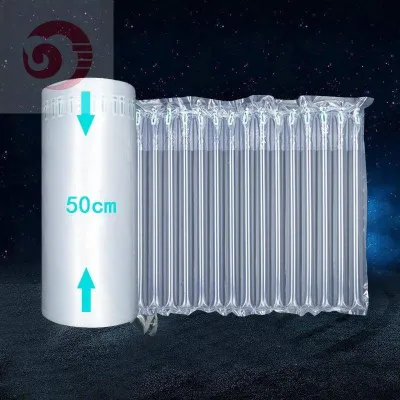
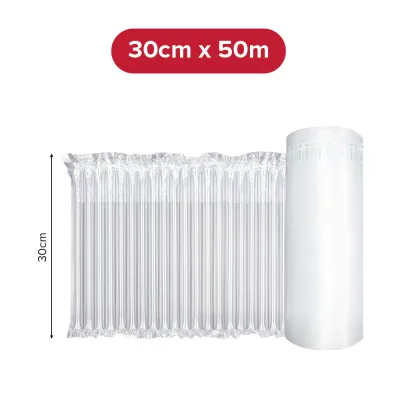
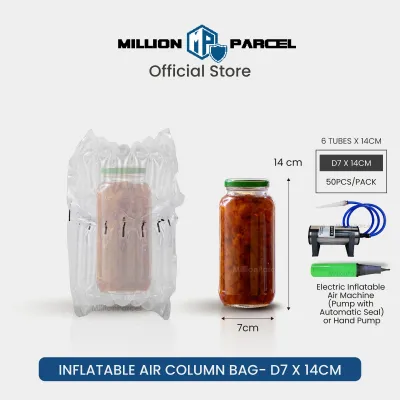
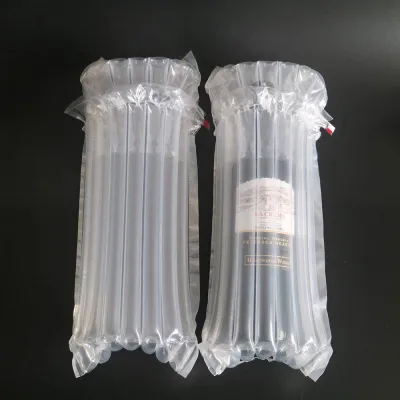
Prices are valid at publication and may change. Please refer to the product page for the latest price.
Beyond storage advantages, transitioning to inflatable packaging contributes directly to shipping cost optimization. Most local and international courier services calculate shipping fees using dimensional weight or actual weight, whichever is higher. Inflatable packaging consists of more than 99% air once fully deployed, adding virtually zero weight to the parcel. This allows businesses to maximize the protective barrier around fragile items without inadvertently pushing the package into a higher, more expensive weight bracket.
Furthermore, the structural design of inflatable packaging offers superior shock absorption compared to traditional paper or thin plastic alternatives. When a package experiences drops, vibrations, or sudden impacts during transit, the sealed air chambers within the wrap compress to absorb and dissipate the kinetic energy. This localized energy dissipation prevents the shock from transferring directly to the fragile item inside. Because the air chambers are structurally isolated or arranged in continuous columns, a puncture in one area does not cause the entire protective sleeve to deflate, ensuring continuous protection throughout the delivery cycle.
Key Criteria for Evaluating Inflatable Packaging Brands
When comparing different manufacturers and suppliers of inflatable packaging in Singapore, you must look closely at the technical specifications of the film. The durability and puncture resistance of the plastic are determined by its material composition and thickness, which is typically measured in microns (µm). Low-grade, budget options often use single-layer Low-Density Polyethylene (LDPE) films that are highly susceptible to stretching and tearing under pressure. For reliable protection of fragile items, look for brands that offer co-extruded films combining Polyethylene with Polyamide (PA/PE), commonly known as nylon. The addition of nylon significantly enhances the film’s tensile strength, puncture resistance, and long-term air retention capabilities.

Material Thickness and Durability
- Standard Duty (50 to 60 microns): Suitable for lightweight fragile items, non-pointy electronics, and general void-filling applications inside sturdy outer cartons.
- Heavy Duty (70 to 100+ microns): Essential for heavy, sharp, or highly vulnerable items such as industrial parts, glass bottles, and delicate scientific instruments.
Valve and Seal Technology
The integrity of the one-way air valves is another critical factor that separates premium packaging brands from inferior alternatives. High-quality inflatable wraps utilize advanced, self-sealing reverse-stop valves that automatically close once the inflation nozzle is removed. This design prevents air leakage during the sealing process and eliminates the need for manual heat sealing. When evaluating brands, verify that their valve design allows for independent chamber inflation; if a single air column is compromised by a sharp edge, the adjacent columns must remain fully pressurized to maintain the protective barrier around your product.
Equipment Compatibility
Before committing to a specific brand, you must assess how the material is inflated and whether it aligns with your operational scale. Some proprietary packaging brands design their rolls to work exclusively with their own expensive, high-speed inflation machines. While this may be suitable for high-volume fulfillment centers, small-to-medium enterprises (SMEs) and home-based sellers generally benefit from universal film rolls. Universal rolls can be inflated using affordable, standard air cushion machines or even simple manual hand pumps, providing greater flexibility and lower initial setup costs.
Sample Testing
Never purchase inflatable packaging in bulk without first conducting physical sample testing. Reputable local suppliers are usually willing to provide sample sheets or short rolls for evaluation. Once you receive these samples, inflate them to their recommended pressure and perform in-house quality checks. Observe the seals for immediate air loss, check the tactile stiffness of the inflated chambers, and conduct low-risk drop tests using mock products inside your standard shipping boxes. This hands-on verification prevents costly bulk purchasing mistakes and ensures the material meets your specific safety standards.
Matching Inflatable Packaging Types to Your Fragile Items
Different fragile items present unique vulnerability profiles, meaning a one-size-fits-all packaging approach is rarely effective. You must match the specific format of the inflatable material to the physical geometry, weight, and fragility of the product you are shipping.
Air Column Bags for Bottles and Glassware
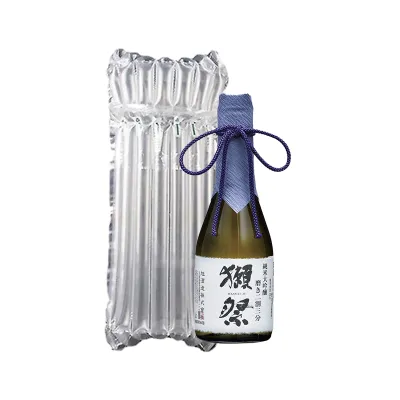
Continuous air column bags, often referred to as air sleeve packaging, are specifically engineered to provide 360-degree cylindrical protection. These bags feature a series of parallel, vertical air tubes that wrap entirely around the product, creating a highly rigid, shock-absorbing chamber. This design is exceptionally effective for protecting glass wine bottles, premium cosmetics, liquid jars, and delicate porcelain vases that are highly vulnerable to lateral impacts.
To select the correct size of an air column bag, you must carefully measure both the height and the maximum diameter of your item. Keep in mind that as the air columns inflate, the overall physical dimensions of the bag will shrink slightly. Specifically, the flat width of the bag typically decreases by approximately 30% to 40% upon inflation, while the height decreases by about 10% to 15%. Always consult the manufacturer’s sizing chart to ensure the inflated bag provides a snug, secure fit that prevents the item from sliding out of the top or bottom during handling.
Air Pillows and Bubbles for Electronics and General Fragiles
For broader packaging applications, inflatable materials generally fall into two categories: large air pillows and multi-chamber bubble rolls. Air pillows are large, single-chamber inflated pockets designed primarily for void filling, blocking, and bracing. They are highly effective at filling the empty spaces inside a shipping box, preventing items from shifting or sliding around during transport. However, because they contain a single large volume of air, they should not be wrapped directly around sharp or highly delicate surfaces.
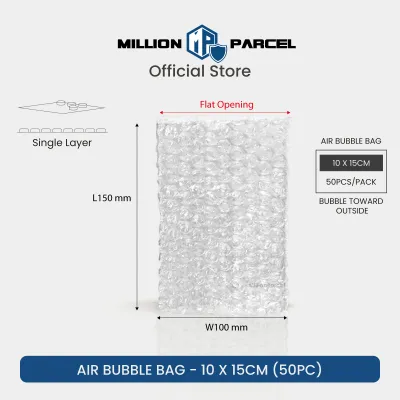
For wrapping irregularly shaped items, such as laptops, tablets, ceramics, or small decorative ornaments, inflatable bubble rolls (often designed in quilt or tube patterns) are the superior choice. These rolls feature a dense grid of smaller, interconnected air bubbles that conform easily to complex shapes. This flexibility allows you to wrap the material tightly around corners and edges, providing a customized, multi-layered cushioning barrier that protects sensitive electronic components and delicate surfaces from scratches and impact damage.
Where to Source Reliable Inflatable Packaging in Singapore
Sourcing your packaging materials from reliable channels in Singapore is crucial for maintaining a consistent supply chain and ensuring consistent product quality. Depending on your business scale and urgency, there are three primary procurement channels available.
B2B Packaging Suppliers
For commercial operations, e-commerce businesses, and industrial shippers requiring high volumes, direct engagement with local business-to-business (B2B) packaging distributors is highly recommended. Distributors located in industrial hubs such as Ubi, Kaki Bukit, Pioneer, and Jurong offer significant advantages, including bulk wholesale pricing, consistent material specifications, and the potential for custom-sized runs. Furthermore, establishing a relationship with a local B2B supplier ensures a reliable supply chain, minimizing the risk of sudden stockouts that could disrupt your daily order fulfillment operations.
Local Packaging Specialty Stores
If you have immediate, small-quantity packaging needs or wish to inspect the material quality firsthand before purchasing, visiting a physical packaging specialty store in Singapore is an excellent option. These retail outlets allow you to examine the physical thickness, feel the texture of the plastic, and test the ease of inflation in person. This hands-on experience is highly valuable for small business owners and individual shippers who want to verify that the material matches their expectations before making a financial commitment.
Online Marketplaces
For home-based sellers, startups, and hobbyists, local online marketplaces and e-commerce platforms offer a convenient and cost-effective way to source inflatable packaging. When buying online, however, you must exercise caution to avoid low-quality counterfeit products. Always prioritize sellers with high ratings and read recent customer reviews specifically looking for feedback regarding air leak rates, valve defects, and material stiffness. Additionally, confirm that the seller has stock physically located in Singapore warehouses; sourcing from local stock prevents prolonged cross-border shipping delays and ensures your packaging materials arrive when needed.
How to Inflate and Pack for Maximum Shock Absorption
To achieve the maximum level of shock absorption and product protection, you must follow correct inflation and packing procedures. Poor inflation techniques can render even the highest-quality inflatable packaging ineffective, leaving your fragile items vulnerable to damage.
First, you must understand the balance of proper inflation. Over-inflating the air chambers is a common mistake that increases the internal pressure of the plastic film. When a tightly over-inflated package is subjected to external pressure changes—such as during air cargo transport where atmospheric pressure drops—the air inside expands, which can cause the seals or valves to rupture. Conversely, under-inflating the material results in soft, squishy chambers that do not provide adequate resistance. Under heavy impact, an under-inflated chamber will simply compress completely, allowing the fragile item to strike the hard outer box wall. Aim for a firm but slightly yielding inflation level, where the chambers feel solid but still allow for a small amount of surface deflection under thumb pressure.
Second, select the appropriate inflation tool for your workflow. For occasional shipping or low volumes, a simple manual hand pump with a tapered nozzle is sufficient, though it requires manual effort to keep the nozzle sealed against the valve inlet during inflation. For commercial setups, investing in a dedicated mini-air cushion machine or an electric air compressor with an adjustable pressure regulator is highly beneficial. These machines allow you to set precise inflation pressures and speeds, ensuring consistent air volume across every single roll or bag you prepare.
Finally, execute a secure packing technique inside the shipping carton. Never allow your wrapped fragile item to make direct contact with any of the outer walls, bottom, or top flaps of the cardboard box. Always maintain a buffer zone of at least 3 to 5 centimeters of inflatable cushioning on all sides of the item. Once the item is centrally positioned and cushioned, fill any remaining empty spaces with air pillows to prevent lateral movement. Finish by sealing all seams of the outer carton securely with heavy-duty, pressure-sensitive packing tape, applying it in an “H-tape” pattern across both the top and bottom flaps to reinforce the structural integrity of the box.
Frequently Asked Questions (FAQ)
Can I use a standard manual pump to inflate air column bags?
Yes, you can use a standard manual hand pump, such as a balloon pump or a bicycle pump equipped with a suitable tapered nozzle attachment, to inflate air column bags. This manual method is highly accessible and cost-effective for individual shippers, home-based sellers, or businesses handling very low daily shipping volumes. However, manual inflation is labor-intensive and highly inefficient for commercial operations. If your daily shipping volume increases, transitioning to a dedicated electric air pump or a compact air cushion machine is highly recommended to ensure consistent inflation pressure, save valuable labor time, and streamline your packing workflow.
Is inflatable bubble wrap recyclable in Singapore?
Whether inflatable bubble wrap can be recycled in Singapore depends entirely on its specific material composition. You must check the resin identification code printed on the film or verify the specifications with your supplier. Inflatable wraps made from pure Low-Density Polyethylene (LDPE, Resin Code 4) or High-Density Polyethylene (HDPE, Resin Code 2) are technically recyclable. These clean, deflated plastic films can be deposited into the blue recycling bins provided under Singapore’s National Recycling Programme, managed by the National Environment Agency (NEA).
However, many heavy-duty air column bags and premium inflatable wraps are manufactured using co-extruded multi-layer films, such as Polyamide and Polyethylene (PA/PE) blends, to achieve superior air retention and puncture resistance. These multi-layer composite materials cannot be processed by standard municipal recycling facilities in Singapore because the different plastic types cannot be easily separated. If you are using PA/PE composite films, they should be disposed of in the general waste stream, or you should consult specialized local commercial recycling operators to see if they accept multi-layer industrial plastics.
How long do inflated air column bags hold their pressure?
High-quality air column bags equipped with reliable, multi-layer one-way valves can hold their inflation pressure for several months to over a year under stable indoor storage conditions. This long-term air retention makes them highly suitable for long-distance international shipping and extended warehouse storage. However, you must account for Singapore’s hot and humid tropical climate. High ambient temperatures and extreme humidity levels can gradually accelerate the natural migration of air molecules through the plastic film and put additional stress on the heat-sealed seams. To maximize the lifespan and pressure retention of your inflated packaging, always store your prepared boxes in a cool, dry, climate-controlled environment away from direct sunlight and heat sources.

Community discussion
Share your experience or ask a question. Comments are reviewed before publication.