
Selecting the right gouache paint and starter set is one of the most important decisions you will make when beginning your journey with this versatile, opaque medium. The ideal beginner-friendly gouache must balance high opacity, smooth consistency, and ease of reactivation, allowing you to learn color mixing and layering without the frustration of chalky or unpredictable pigments. For creators in Singapore, factors like local availability, price, and how the paint behaves in a humid tropical climate also play a significant role in making the right choice.
To help you get started, this guide evaluates the essential characteristics of beginner gouache, reviews the top-performing brands available in Singapore, and outlines the key tools you need to pair with your new paint set.
What to Look for in Beginner-Friendly Gouache
Understanding the basic characteristics of gouache will help you make an informed purchase and avoid common pitfalls. When shopping for your first set, keep the following key factors in mind.
Products mentioned in this guide
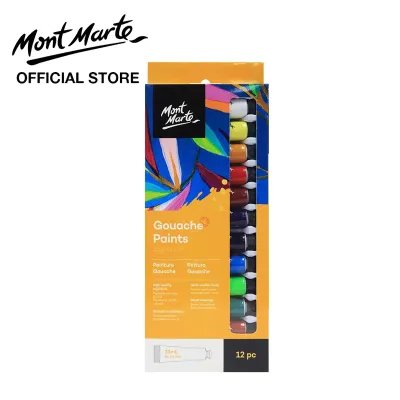
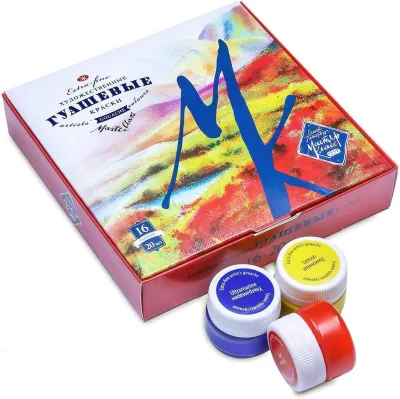
![[Customizable] WINSOR & NEWTON designer gouache 14ml opaque watercolor jewelry hand-painted illustration beginner student art supplies](https://img.lazcdn.com/g/p/83cf966fdecf8a6c9d1979c6386b522d.jpg_webp_400x400q80.jpg_.webp)
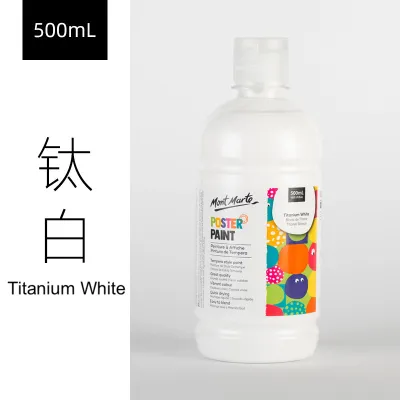
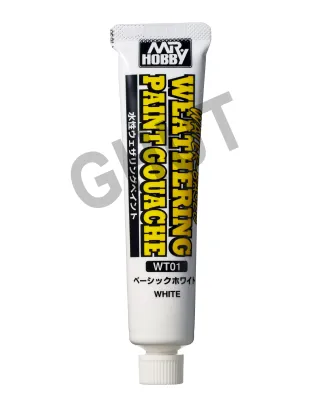
Prices are valid at publication and may change. Please refer to the product page for the latest price.
Student-Grade vs. Artist-Grade
Art supplies generally fall into student-grade or artist-grade categories. Student-grade gouache is formulated with more affordable pigments and a higher proportion of fillers, such as chalk or barium sulfate. While this makes the paint highly economical for practice, it can sometimes result in a slightly chalky finish or less vibrant color mixing.
Artist-grade gouache, on the other hand, features a much higher concentration of pure pigments and minimal fillers, offering exceptional opacity, rich color saturation, and a velvety matte finish. For beginners, high-quality student-grade lines or entry-level artist-grade sets are highly recommended. They provide a reliable painting experience and accurate color mixing without the intimidating price tag of premium professional ranges.
Tube vs. Pan Format
Traditional gouache is sold in tubes, which contain wet, creamy paint. This format is highly favored by artists because it allows you to squeeze out fresh paint that is immediately ready for thick, opaque applications. Tube gouache is ideal for mixing large batches of color and achieving the signature flat, gouache look.
Pan gouache consists of dry blocks of paint housed in a compact palette, similar to traditional watercolor pans. While highly portable and convenient for travel, urban sketching, or journaling, pan gouache requires more water and scrubbing to reactivate. This makes it more difficult to mix large volumes of thick, fully opaque color, often resulting in a more transparent, watercolor-like finish.
Opacity and Pigment Load
Unlike transparent watercolors, gouache is prized for its opacity. High-quality gouache should cover underlying layers cleanly without bleeding or showing the paper underneath. When evaluating starter sets, look for brands that specify their opacity levels on the packaging or color charts. The paint should also dry to a completely flat, non-reflective matte finish, which is excellent for scanning, photographing, and reproduction.
Lightfastness
Lightfastness refers to a pigment’s resistance to fading or changing color when exposed to light over time. This is particularly important in Singapore, where bright tropical sunlight can accelerate the fading of sensitive pigments. Look for lightfastness ratings on the tubes or packaging, usually indicated by ASTM ratings (such as ASTM I for excellent or ASTM II for very good) or star systems. While practice pieces do not require maximum lightfastness, choosing a set with decent ratings ensures your finished artworks remain vibrant for years.
Top Gouache Brands for Beginners to Consider
Several reputable brands offer excellent entry-level gouache paints that are widely available in Singapore. Each brand caters to different painting styles, budgets, and preferences.

Winsor & Newton Designers Gouache
Winsor & Newton Designers Gouache is a classic, industry-standard tube paint that has been favored by designers, illustrators, and fine artists for decades. It is widely considered an excellent entry point for beginners who want to experience professional-grade quality.
- Best For: Studio painting, illustration, and learning traditional opaque layering techniques.
- Pros: This range offers exceptional coverage, a smooth and creamy consistency straight from the tube, and a beautiful, velvety matte finish. Because it is highly popular, individual replacement tubes are widely stocked in local Singapore art stores, meaning you do not have to buy a whole new set when you run out of a single color.
- Limitations: Some of the highly vibrant or fluorescent colors in the range are formulated with organic dyes that have lower lightfastness ratings. Additionally, the paint in the tubes can dry out and harden if the caps are not sealed tightly after each use.
Sakura Koi Pocket Field Sketch Box
For beginners who prioritize portability, clean setups, and outdoor painting, the Sakura Koi Pocket Field Sketch Box offers a unique pan-based gouache experience.
- Best For: Plein air painting, urban sketching, travel journaling, and painters who prefer a compact, mess-free setup.
- Pros: This all-in-one kit includes dry gouache pans, a refillable water brush, a dabbing sponge, and a built-in mixing palette. It is incredibly easy to pack into a bag, and the dry pans reactivate quickly with a small amount of water.
- Limitations: The dry pan format makes it challenging to mix large, consistent volumes of thick, opaque color. The paint behaves more like a semi-opaque watercolor, which may not satisfy those looking for the heavy, flat coverage of traditional tube gouache.
Shin Han Pass Watercolor & Gouache
Shin Han Pass is a unique hybrid paint from South Korea that bridges the gap between transparent watercolor and opaque gouache, offering incredible versatility for beginners.
- Best For: Beginners who want to experiment with both transparent watercolor washes and opaque gouache details without purchasing two separate paint sets.
- Pros: This hybrid formula is highly vibrant, rewets beautifully on the palette, and offers excellent control. When diluted with plenty of water, it flows smoothly like watercolor; when used with minimal water, it provides the solid opacity of gouache.
- Limitations: Achieving the desired opacity requires a solid understanding of water-to-paint ratios. Beginners may face a slight learning curve when trying to switch between transparent and opaque modes consistently.
Choosing the Right Gouache Starter Set
Instead of buying individual tubes blindly, starting with a curated set is highly practical and cost-effective. Here is how to choose the right configuration for your needs.
Primary Color Tube Sets (6 to 12 Colors)
Starting with a limited palette of 6 to 12 colors is highly recommended for beginners. A smaller color selection forces you to learn color theory and mixing, which prevents muddy mixtures and builds confidence in your painting skills.
When selecting a basic tube set, look for a “split primary” system. This includes a warm and cool version of each primary color (such as a warm red and cool red, warm blue and cool blue, warm yellow and cool yellow), along with a black and a white. Pay close attention to the size of the white tube; gouache requires a significant amount of white paint to adjust tints and opacity, so sets that include a larger tube of Titanium White or Zinc White are highly advantageous.
All-in-One Gouache Kits with Accessories
All-in-one kits that bundle paint with brushes, paper, and palettes are excellent for absolute beginners, students, or as gifts. However, the quality of bundled accessories can vary significantly. Use this verification checklist before purchasing an all-in-one kit:
- Paper Weight: Ensure the included paper is heavy enough to handle wet media. It should be at least 300gsm (140lb) to prevent buckling and warping under wet washes.
- Brush Type: Check that the included brushes are synthetic. Synthetic fibers hold up much better to the frequent, vigorous washing required for gouache than delicate natural hair brushes.
- Palette Material: A plastic or ceramic mixing palette is preferred over paper palettes, as gouache requires a non-porous surface for mixing with water.
Essential Tools to Pair with Your Gouache Setup
To get the best performance out of your gouache paint, you need to pair it with the right supporting tools. Because gouache behaves differently from acrylics or standard watercolors, these specific tools are essential.
Paper
Using thin drawing paper or standard sketchbooks will lead to warping, buckling, and tearing when water is applied. For gouache, always use heavy, cold-pressed watercolor paper with a weight of at least 300gsm (140lb). Cold-pressed paper has a slight texture (tooth) that helps grab the paint, supports heavy water loads, and allows you to layer paint without lifting the underlying dry layers.
Brushes
Synthetic sable or nylon brushes are the best choice for gouache. They offer a good balance of water retention and spring, allowing you to lay down smooth, controlled strokes. A basic beginner setup should include a medium round brush (size 6 or 8) for general painting and details, and a flat brush (1/2 inch or 3/4 inch) for blocking in large areas of color and creating clean edges.
Palettes and Storage
Ceramic palettes are highly recommended because they do not stain, are easy to clean, and allow you to see your mixed colors accurately. Plastic palettes with deep wells are also excellent, especially for holding wetter mixes.
In Singapore’s humid climate, keeping leftover paint moist can be a double-edged sword. While the humidity prevents paint from drying out too quickly on the palette, storing wet paint in airtight containers for extended periods can encourage mold growth. It is often safer to let leftover paint dry completely on your palette and simply reactivate it with a spray of water when you are ready to paint again.
Where to Buy Gouache and Art Supplies in Singapore
Finding high-quality gouache and art supplies in Singapore is highly convenient, with several excellent physical and online options available.
Physical Art Supply Stores
Visiting a physical store allows you to examine color charts in person, feel the texture of different papers, and seek advice from knowledgeable staff. Established local retailers include:
- Art Friend: With multiple large outlets across Singapore (including Bras Basah Complex, Plaza Singapura, and Clementi), Art Friend offers an extensive range of gouache brands, papers, and brushes at competitive prices.
- Overjoyed: Located at The Cathay, this store features a beautifully curated selection of fine art supplies, starter kits, and high-quality papers.
- Sinsin Art: A specialized art supply store that stocks premium and unique brands, making it a great stop for artists looking for specific pigments or high-grade papers.
Online Retailers
Reputable online art supply stores and local e-commerce platforms are excellent for comparing starter set prices, reading user reviews, and checking stock availability from the comfort of your home. Many local stores offer free island-wide delivery once you meet a minimum spend threshold.
Purchasing Tip
When buying online, always verify the seller’s authenticity to avoid counterfeit products. Additionally, check local shipping policies to ensure your liquid or paste art supplies are not subjected to extreme heat during transit, which can cause the binder and pigment in the tubes to separate.
Frequently Asked Questions (FAQ)
How do I reactivate dried gouache in the tubes or on the palette?
To reactivate dried gouache on your palette, add a few drops of distilled water directly onto the paint. Let it sit for a minute to soften, then gently mix it with a palette knife or a stiff brush until it reaches a smooth, creamy consistency. If a tube of gouache has hardened, you can carefully cut the tube open, transfer the dried paint to a small airtight jar, add a small amount of distilled water, and mix thoroughly. Be careful not to add too much water at once, as over-diluting the paint can break down the gum arabic binder, causing the paint to crack or flake off the paper once dry.
Can I mix gouache with standard watercolors?
Yes, gouache and traditional transparent watercolors are fully compatible. Both mediums are water-based and typically share the same gum arabic binder, allowing them to blend seamlessly on the palette and paper. Mixing them allows you to adjust the opacity of your paint: adding transparent watercolor to gouache increases its transparency, while adding gouache to watercolor increases its opacity, creating a milky, pastel-like wash that is excellent for soft backgrounds and atmospheric effects.

Community discussion
Share your experience or ask a question. Comments are reviewed before publication.