
Choosing the right fabric dye for clothes in Singapore depends on matching the dye chemistry to your garment’s fiber content and selecting a kit that fits your home setup. For beginners, starting with pre-measured kits or liquid all-purpose dyes is often the most straightforward path to success. Because Singapore’s high humidity and typical apartment living—such as in HDB flats—can influence drying times and workspace containment, planning your project around your specific living environment is essential for a clean, successful dye job.
Before purchasing any dye, you must identify the fiber composition of your garment. Natural fibers like cotton, linen, and viscose absorb dye differently than synthetic fibers like polyester or nylon. By understanding the strengths and limitations of each dye type, you can avoid patchy results, excessive bleeding, and ruined garments.
Which Type of Fabric Dye Matches Your First Project?
Fabric dyes are formulated to bond with specific fiber types, and choosing the wrong match is the most common cause of dyeing failure. All-purpose dyes are a hybrid mixture of acid dyes and direct dyes. They are designed to work on a wide variety of materials, including cotton, linen, wool, silk, and even nylon. However, because they attempt to target everything, they do not form a permanent chemical bond with any single fiber. This means all-purpose dyes require hot water—typically near boiling at 60°C to 80°C—to penetrate the fibers, and they generally exhibit moderate color fastness. Without a post-dye fixative, these dyes are prone to bleeding during subsequent washes.
Products mentioned in this guide
![Dylon Fabric Hand-dye [HDYE]](https://img.lazcdn.com/g/p/391f18a65a570ac5642483ff5a321317.png_400x400q80.png_.webp)
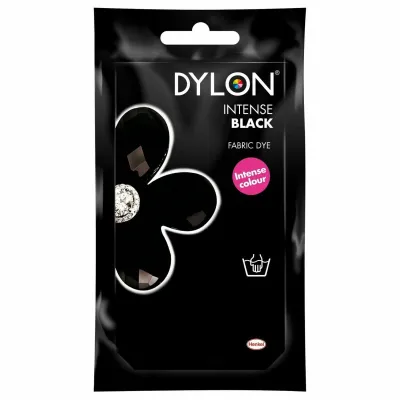
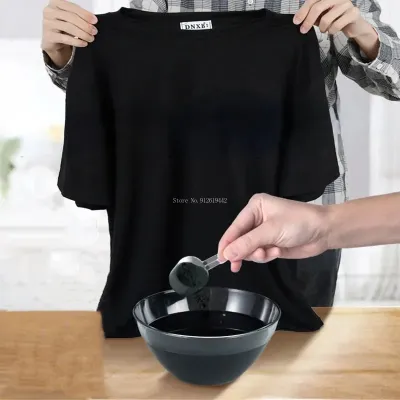
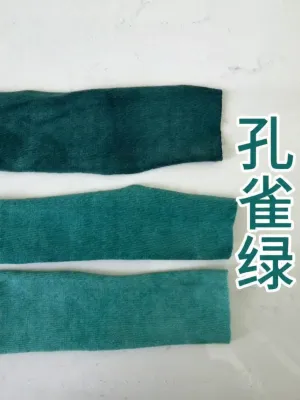
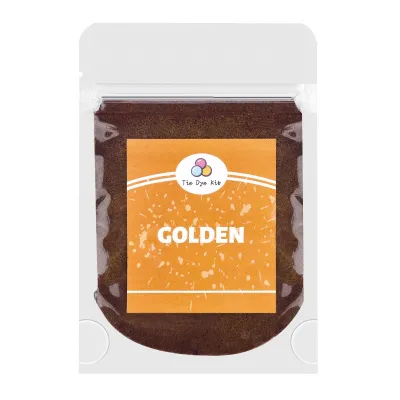
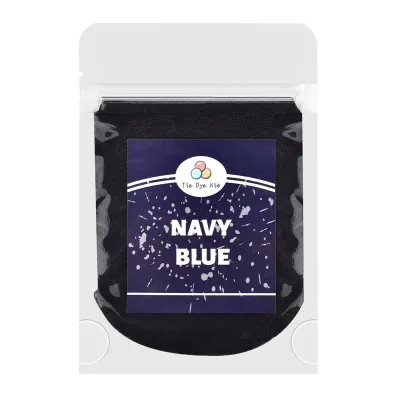
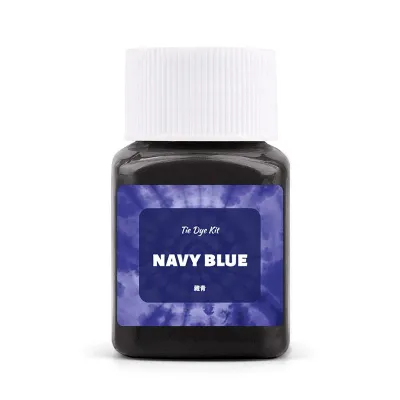
Prices are valid at publication and may change. Please refer to the product page for the latest price.
Fiber-reactive dyes, such as Procion MX, are the gold standard for cellulose fibers like cotton, linen, rayon, and hemp. These dyes form a covalent chemical bond with the molecules of the fabric at room temperature (around 30°C to 40°C), which is highly convenient for Singapore’s warm climate. Because the bond is permanent, fiber-reactive dyes offer exceptional color fastness, vibrant shades, and do not alter the soft hand-feel of the fabric. They do, however, require an activator like soda ash (sodium carbonate) to raise the pH of the dye bath and trigger the chemical bonding process.
For absolute beginners, pre-packaged tie-dye kits are highly recommended. These kits typically feature squeeze bottles pre-filled with dry, fiber-reactive dye powder. You simply add lukewarm tap water to the bottles, shake, and apply. This eliminates the need to measure loose dye powders, minimizing chemical dust in your home. The main limitation of these kits is the shelf life of the mixed dye; once water is added, the chemical reaction begins, and the dye must be used within a few hours before it loses its potency and ability to bond with the fabric.
Because the final color, bleed resistance, and wash fastness depend entirely on the exact combination of your fabric and the dye chemistry, you should always perform an observable trial before committing your entire garment. Cut a small, inconspicuous swatch from an inner seam or use a scrap piece of identical fabric. Apply the dye according to the instructions, let it cure, rinse it thoroughly, and wash it with your regular laundry. This trial allows you to verify the actual color output, check for bleeding, and observe how the fabric’s texture and hand-feel react to the process.
How to Evaluate if a Brand is Truly Beginner-Friendly
When evaluating fabric dye brands on local e-commerce platforms, look beyond flashy packaging and focus on the clarity of their instructions. A beginner-friendly brand should provide comprehensive, step-by-step guides written in clear English, detailing exact water-to-dye ratios, temperature requirements, and curing times. Brands that offer official online video tutorials or accessible customer support channels are highly valuable for troubleshooting unexpected issues during your first project.

Another critical factor is the complexity of the preparation and fixing process. Some professional-grade dyes require precise temperature control, prolonged stovetop boiling, or the addition of specialized chemical mordants to set the color. For a beginner, these requirements can be overwhelming and difficult to execute safely in a standard home kitchen. Opt for brands that offer cold-water formulas or kits that include pre-measured fixatives and activators, reducing the need for specialized equipment.
Safety and transparency are paramount when handling chemical colorants. Ensure the brand you choose features transparent ingredient labeling, clear safety warnings, and explicit batch or expiration dates. Powdered dyes can easily become airborne and pose respiratory risks if inhaled. Beginner-friendly brands often mitigate this by selling liquid dye concentrates or dust-free granules, which are much safer and easier to measure and mix without dispersing fine chemical particles into your living space.
What to Include in Your First Dyeing Starter Kit
Assembling the right tools before you begin prevents frantic searches for supplies mid-process when your hands are covered in dye. Your starter kit must prioritize personal protection and surface containment. Acquire high-quality nitrile gloves, which offer a superior fit and better chemical resistance than loose, flimsy plastic gloves. A waterproof plastic apron is essential to protect your clothing, and you should secure heavy-duty plastic sheeting or thick trash bags to cover your entire workspace.
For mixing and application, you must use dedicated tools that are never reused for food preparation. Stainless steel pots or heavy-duty plastic buckets are ideal for dye baths, as they do not absorb color or react chemically with the dyes. Avoid aluminum pots, which can react adversely with certain dye chemicals and alter the final color. Squeeze bottles are excellent for precise, targeted dye application, while non-porous stirring utensils, such as stainless steel spoons or silicone spatulas, are necessary to ensure the dye dissolves completely without absorbing the pigment.
Finally, gather your auxiliary supplies based on the specific dye type you are using. For all-purpose dyes, you will need plain, non-iodized table salt, which acts as a leveler to help the dye penetrate natural fibers evenly. If you are dyeing silk or wool, white vinegar is required to create the acidic environment necessary for the dye to bond. For fiber-reactive dyes, ensure you have soda ash to activate the chemical reaction, and consider purchasing a commercial liquid dye fixative to lock in the color and minimize future bleeding in the wash.
How to Prepare Your Clothes and Workspace Safely
Proper preparation of both your garment and your workspace is the secret to achieving an even, professional-looking dye job while keeping your home clean. New garments are often treated with manufacturing finishes, sizing agents, or starches that act as a barrier, preventing the dye from penetrating the fibers. To remove these invisible coatings, wash your garment in hot water with a standard laundry detergent before dyeing. Do not use fabric softeners or dryer sheets, as they leave a silicone residue that will cause uneven, splotchy dye absorption. Keep the garment damp if you are proceeding directly to the dyeing process, as wet fibers absorb dye much more evenly than dry ones.
Setting up your workspace requires careful planning, especially in typical Singaporean apartments where space may be limited. Choose an area with excellent ventilation, such as a service yard, balcony, or a bathroom with an exhaust fan and open windows. Cover all nearby porous surfaces—including tile grout, wooden countertops, and laminate surfaces—with your plastic sheeting. Dye splashes can permanently stain grout and wood within seconds. Keep a bucket of clean water, a sponge, and some old towels immediately adjacent to your workspace so you can wipe up any accidental spills instantly before they have a chance to set.
Safety boundaries must be strictly maintained throughout your project. Never conduct fabric dyeing in active food-preparation areas, and keep all dye powders, liquids, and auxiliary chemicals completely out of reach of children and pets. When you are finished, dispose of the spent dye bath safely by pouring it directly down a utility sink, a floor trap, or a toilet bowl, flushing immediately with plenty of water to prevent staining the porcelain or ceramic. Never dump chemical dye baths into outdoor storm drains or garden soil, as this can harm the local environment.
What to Verify Before Buying Dye on E-Commerce Platforms
When shopping for fabric dye on online marketplaces in Singapore, you must scrutinize the product listings to ensure you receive the correct product for your needs. Do not rely solely on generic search terms or simplified product titles. Read the detailed description to verify the exact fiber compatibility. If a listing claims to dye “all fabrics,” look for the fine print; true all-purpose dyes will still struggle on 100% polyester, and you need to know this before spending your money. Check the net weight or volume of the product to ensure you are purchasing a sufficient quantity for the weight of the dry fabric you plan to dye.
Seller credibility is crucial when purchasing chemical craft supplies online. Check the seller’s ratings and read customer reviews thoroughly, paying close attention to uploaded photos of the physical product packaging. This helps you verify that the product is authentic, properly sealed, and has not expired or been diluted. Be cautious of listings with unusually low prices or those that use generic stock images without showing the actual brand labeling, as expired or poorly stored dyes can lose their chemical potency and fail to bond with your fabric.
Finally, consider the logistics of shipping chemical products to Singapore. Liquid dyes and chemical powders may be subject to strict air freight regulations, which can lead to longer delivery times or unexpected customs delays if ordered from overseas sellers. Factor these potential delays and shipping costs into your project timeline and budget. When calculating your total expenses in S$, compare the cost of buying a complete starter kit locally versus purchasing individual dyes, fixatives, and protective gear separately, as kits often provide better overall value for a one-off beginner project.
Frequently Asked Questions (FAQ)
Can I dye synthetic fabrics like polyester with standard fabric dye?
No, standard all-purpose or fiber-reactive dyes will not work on synthetic fabrics like polyester, acrylic, or acetate. These synthetic fibers are essentially plastics and lack the chemical binding sites that allow standard dyes to adhere. If you attempt to use a standard dye on polyester, the color will simply wash out completely, leaving behind a very faint, patchy stain. To dye synthetic materials, you must purchase specialized disperse dyes. These dyes require a sustained boiling temperature (100°C) along with a chemical carrier to open up the synthetic fibers and allow the pigment to enter, a process that is significantly more complex and less suitable for beginners working in a home kitchen.
How do I prevent the dye from bleeding in the wash?
Preventing your dyed clothes from bleeding requires thorough post-dye rinsing and proper color setting. Once the dyeing process is complete, rinse the garment under cold, running water until the water runs completely clear; this removes the loose, unbonded dye particles from the surface of the fabric. Gradually transition to warm water and wash the garment with a mild detergent to clean out any remaining residue. For the first few laundry cycles, always wash your newly dyed garments separately or with very similar colors in cold water. Avoid using harsh detergents or bleach, and line-dry the garment out of direct sunlight to preserve the color vibrancy and prevent premature fading.

Community discussion
Share your experience or ask a question. Comments are reviewed before publication.