
Decorating your own garments is an incredibly rewarding way to express personal style, breathe new life into old wardrobe staples, and explore textile arts. For beginners in Singapore looking to start coloring clothes, finding the right starter set is the crucial first step. The ideal kit should match your design goals, accommodate your skill level, and work seamlessly with the specific fabrics you plan to decorate. By focusing on essential selection criteria—such as medium type, fabric compatibility, and ease of use—you can confidently choose a starter set that ensures vibrant, long-lasting results on your custom apparel.
What to Look for in a Beginner Fabric Coloring Set
When selecting your first fabric coloring kit, the primary decision revolves around the medium type: fabric markers, paint pens, or liquid dyes. Fabric markers are highly recommended for absolute beginners and those focusing on detailed line work, lettering, or intricate patterns. They offer the familiar control of a standard pen, making them exceptionally easy to handle without the mess of brushes or water cups. Paint pens, which often contain opaque acrylic-based fabric paint, are excellent for creating bold, solid blocks of color on both light and dark fabrics. Liquid dyes, on the other hand, are best suited for large-scale transformations, such as tie-dye or dip-dye projects, though they require a bit more preparation and cleanup space.
Reading product labels carefully is essential to ensure your designs survive the laundry cycle. Look for explicit indicators of colorfastness and washability on the packaging. High-quality starter sets will specify whether the colors are permanent once heat-set or if they require a specific curing time. Additionally, check the label for fabric compatibility; some mediums are formulated specifically for natural fibers like cotton, linen, and silk, while others can adhere to synthetic blends.
Products mentioned in this guide
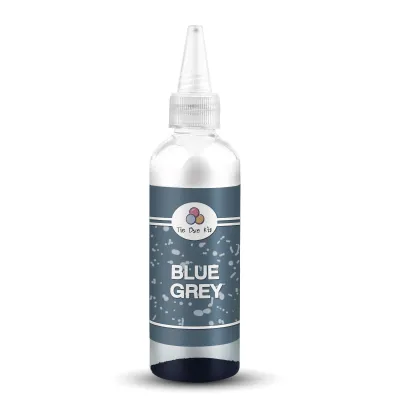
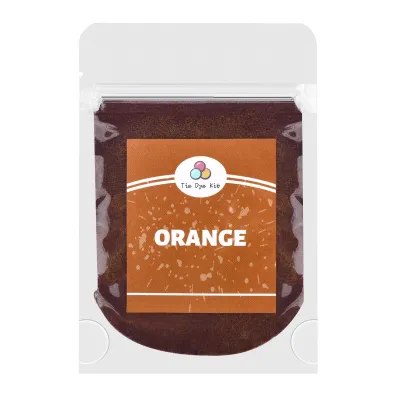
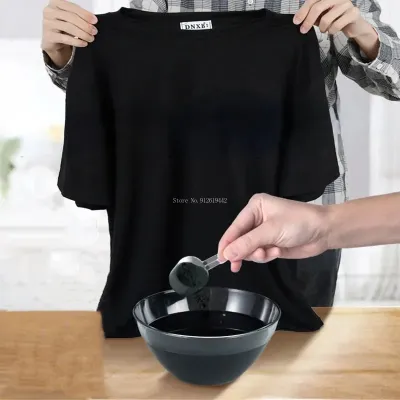
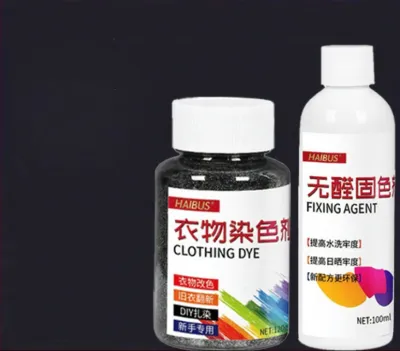
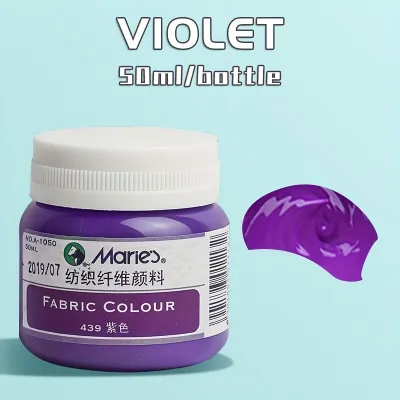
Prices are valid at publication and may change. Please refer to the product page for the latest price.
Safety should always be a priority, especially when working in enclosed home environments like Singapore apartments. Verify that the starter set carries recognized non-toxic certifications, such as the AP (Approved Product) seal from the Art and Creative Materials Institute (ACMI) or compliance with EN71 standards. These certifications guarantee that the formulation is safe for indoor use and won’t release harmful fumes during application or the heat-setting process.
Trusted Art Supply Brands to Explore in Singapore
Navigating the art supply market in Singapore requires knowing where to look for genuine, high-quality textile mediums. Established global stationery and craft brands are generally the safest bet for beginners, as they maintain rigorous quality control and provide clear usage instructions. Brands that specialize in fine arts, school stationery, and professional textile design consistently produce reliable fabric markers and paints that resist fading and cracking over time.

To purchase these sets, you can explore physical art supply stores located in major cultural and retail hubs across Singapore, such as Bras Basah Complex, which is renowned for its concentration of specialized craft shops. Visiting a physical store allows you to examine the packaging firsthand, check expiration dates, and sometimes even test sample markers on paper swatches. Alternatively, official brand storefronts on major e-commerce platforms offer a convenient way to shop from home, provided you buy directly from the authorized brand store or a highly rated, reputable local distributor.
When shopping online, it is vital to watch out for red flags that indicate counterfeit, diluted, or expired craft supplies. Unusually low prices from unauthorized third-party sellers are a common warning sign. Counterfeit fabric markers may dry out quickly, bleed excessively, or wash out completely during the first laundry cycle. Always read customer reviews, check the seller’s verification status, and ensure the product description matches the official manufacturer specifications before making a purchase.
Essential Components of a Complete Starter Kit
A truly beginner-friendly fabric coloring starter kit should provide everything you need to complete your first few projects without requiring immediate, costly trips to the store for extra supplies. At its core, the kit should feature a versatile color palette. For beginners, a set containing primary colors (red, blue, yellow) along with black and white is highly beneficial, as it allows you to experiment with color mixing. Some advanced paint-based kits also include mixing mediums or fabric extenders, which dilute the paint’s viscosity without compromising its adhesive properties, allowing for watercolor-like effects.
Beyond the coloring mediums themselves, look for kits that include practical accessories to streamline your workflow. Protective backing boards—or thick cardboard sheets—are essential for placing inside t-shirts or tote bags to prevent ink or paint from bleeding through to the back layer. Masking tape or painter’s tape is incredibly useful for securing the fabric to the board and creating clean, sharp geometric borders. Stencils are another fantastic inclusion for beginners, offering an easy way to apply complex shapes and lettering with professional-looking precision.
Finally, a comprehensive starter kit should feature clear, step-by-step instructional guides or project templates. Many reputable brands now include QR codes on their packaging that link to digital video tutorials, providing visual demonstrations of proper application techniques, blending methods, and heat-setting procedures. These resources are invaluable for building confidence and ensuring a successful first experience with coloring clothes.
How to Test and Prepare Your Fabric Before Coloring
Proper preparation of your garment is the secret to achieving professional, long-lasting fabric designs. Before you apply a single stroke of color, you must pre-wash and dry the clothing item. New garments are almost always treated with factory sizing—a starch-like chemical finish that helps clothes look crisp on retail hangers. If left on the fabric, this sizing acts as a barrier, preventing fabric markers or paints from fully penetrating the fibers. Pre-washing also pre-shrinks the garment, ensuring that your finished design does not warp or distort during subsequent washes. Avoid using fabric softeners during this pre-wash, as they can leave a residue that interferes with paint adhesion.
Once the garment is clean and dry, always conduct a hidden bleed and colorfastness test. Use a small scrap of similar fabric, or select an inconspicuous area of the garment, such as an inside hem or the inner pocket lining. Apply a small dot of the fabric color, let it dry, and then check how much the ink spreads or bleeds along the fibers. If the bleed is excessive, you may need to adjust your application pressure or choose a tighter-weave fabric. After the test spot has cured and been heat-set according to the manufacturer’s instructions, wash it by hand to verify that the color remains vibrant and does not run.
Setting up your workspace correctly is the final preparatory step. In Singapore’s humid climate, working in a well-ventilated room with a ceiling fan or air conditioning can help manage drying times. Lay down a protective plastic sheet over your table to prevent accidental stains. Always insert a sturdy piece of cardboard or a plastic barrier inside the garment directly beneath the area you plan to color. This simple step prevents the wet medium from transferring to the back of the shirt or staining your work surface.
Common Mistakes to Avoid When Coloring Clothes
Even with the best starter sets, beginners often encounter a few common pitfalls that can compromise their hard work. One of the most frequent mistakes is attempting to color synthetic fabrics, such as pure polyester, nylon, or water-resistant outdoor gear, with standard water-based fabric markers or paints. Synthetic fibers are smooth and non-porous, meaning they cannot absorb water-based mediums effectively. This often results in the color pooling on the surface, smearing easily, and washing away completely in the laundry. For the best results, stick to natural fibers like 100% cotton, canvas, or high-cotton blends, which readily absorb and lock in textile pigments.
Another critical error is skipping or rushing the heat-setting process. Most fabric paints and markers require heat application to permanently bond the pigment to the textile fibers. Skipping this step, or using an incorrect iron temperature, will cause your beautiful design to fade rapidly or wash out entirely. Always refer to the manufacturer’s instructions for the exact heat-setting parameters. Typically, this involves using a dry iron (with the steam setting turned completely off) and pressing the reverse side of the design or using a protective pressing cloth over the artwork for several minutes.
Lastly, beginners often panic when they make a minor mistake during the coloring process. If you accidentally smudge a line or drop a spot of paint, act quickly before the medium cures. Many water-based fabric paints can be gently blotted with a damp cloth or cotton swab to lift the excess pigment while still wet. However, once the paint dries and cures, it becomes permanent. If a mistake cannot be easily lifted, avoid scrubbing vigorously, as this will only spread the stain and damage the fabric fibers. Instead, consider adapting your design to incorporate the mistake, or consult the manufacturer’s guidelines for specific removal recommendations.
Frequently Asked Questions (FAQ)
Can I use regular acrylic paint instead of a dedicated fabric coloring set?
While regular acrylic paint can technically adhere to fabric, using it without modification is not recommended for wearable garments. Standard acrylic paint dries into a rigid, plastic-like layer that lacks flexibility. When applied to clothing, it will feel stiff, restrict movement, and eventually crack, peel, or flake off after a few wash cycles. To use regular acrylics successfully, you must mix them with a specialized fabric medium, which improves flexibility and wash resistance. For beginners, however, purchasing a dedicated fabric coloring starter set is much more convenient, as the formulas are pre-mixed to remain soft, flexible, and durable on textiles.
How should I wash and care for clothes after coloring them?
To preserve the vibrancy and longevity of your hand-colored clothes, proper post-coloring care is essential. Always wait at least 24 to 72 hours—depending on the manufacturer’s specific instructions—after coloring and heat-setting before subjecting the garment to its first wash. When laundering, turn the garment inside out to protect the design from abrasive friction against other clothes or the washing machine drum. Use cold or lukewarm water on a gentle cycle with a mild detergent, and avoid bleach or harsh stain removers. For drying, air-drying flat or hanging the garment in a shaded area is highly recommended, as the high heat of a clothes dryer can degrade the textile pigments over time.

Community discussion
Share your experience or ask a question. Comments are reviewed before publication.