
Finding the right adhesive tape for cloth in Singapore is a practical way to manage alterations and quick repairs without a needle and thread. Whether you are shortening trousers for an office job in the Central Business District, fixing a school uniform, or preparing a delicate dress for an event, fabric tapes offer a convenient, time-saving solution. However, selecting the wrong adhesive can lead to peeling hems, sticky residues, or ruined fabrics, especially under the demands of Singapore’s humid climate and frequent washing cycles.
The term “adhesive tape for cloth” covers a wide variety of products, ranging from permanent heat-activated webs to temporary peel-and-stick strips. Understanding how these different adhesives interact with various fiber types is the key to achieving a clean, professional finish. By matching the tape’s activation method, thickness, and washability to your specific garment, you can confidently execute invisible alterations and durable repairs at home.
Choosing the Right Adhesive Tape for Cloth and Garments
Adhesive Activation Method Fabric tapes generally fall into two main categories based on how the adhesive is activated: heat-activated (fusible) and pressure-sensitive (peel-and-stick). Fusible tapes consist of dry adhesive webs made from polyamide or polyester polymers. When exposed to the heat of an iron, these polymers melt and flow into the microscopic spaces between fabric fibers, cooling to form a permanent mechanical bond. Pressure-sensitive tapes feature a tacky adhesive layer that bonds instantly upon physical pressure, relying on surface adhesion rather than fiber integration.
Products mentioned in this guide
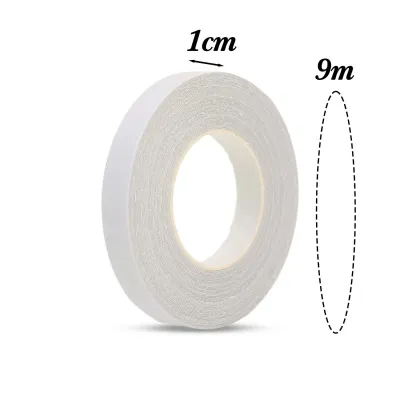
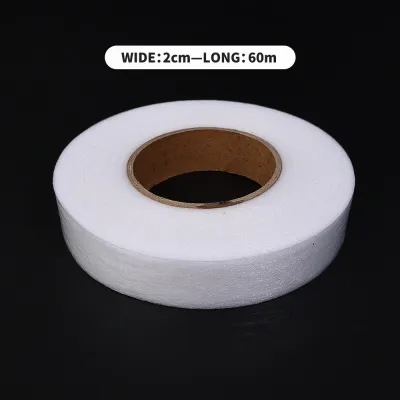
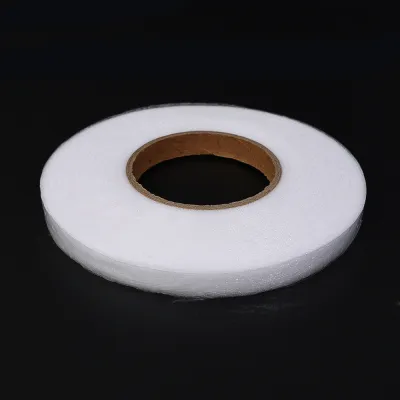
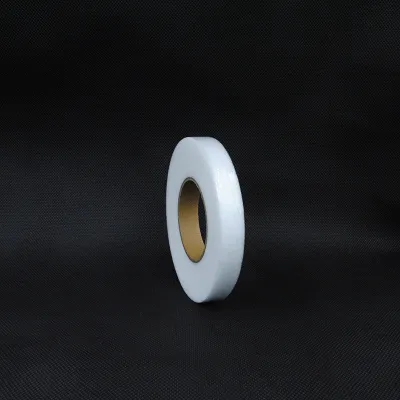
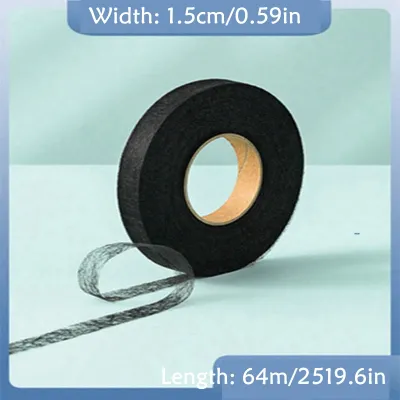
Prices are valid at publication and may change. Please refer to the product page for the latest price.
Durability and Washability When selecting a tape, consider whether the alteration needs to survive the laundry cycle. Permanent fusible tapes are engineered to withstand repeated machine washings and dry cleaning, as the melted polymer remains stable at standard washing temperatures. Conversely, temporary pressure-sensitive tapes are designed for short-term wear and will typically fail when exposed to water, laundry detergents, or machine agitation. Using a temporary tape on a washable garment will result in the bond dissolving and leaving behind a sticky residue.
Fabric Compatibility Fabric composition dictates which adhesive tape is safe and effective to use. Natural fibers like cotton, linen, and wool can tolerate the high iron temperatures required to melt heavy-duty fusible webs. In contrast, delicate synthetics such as nylon, polyester blends, and acetate are highly heat-sensitive and can easily scorch or melt under a hot iron. For these delicate materials, low-temperature fusible webs or high-quality pressure-sensitive tapes are necessary.
Width and Thickness Matching the physical dimensions of the tape to your project ensures both aesthetic appeal and structural integrity. Narrow tapes, typically measuring between 10mm and 15mm, are ideal for creating clean, invisible hems on lightweight trousers, skirts, and blouses without adding bulk. Wider tapes, ranging from 20mm to 50mm, provide a larger surface area of adhesion, making them suitable for heavy-duty applications like curtain hems or denim repairs.
Quick-Reference Comparison Table
| Tape Type | Activation Method | Ideal Fabric Weight | Washability | Best Use Case |
|---|---|---|---|---|
| Fusible Hemming Web | Heat (Iron-on) | Light to Medium | Highly Washable | Trouser hems, skirts, cotton blouses |
| Heavy-Duty Fusible | Heat (Iron-on) | Heavy | Highly Washable | Denim jeans, curtains, canvas bags |
| Double-Sided Repair | Pressure (Peel-and-stick) | Light to Medium | Temporary / Dry Clean Only | Securing linings, quick collar fixes |
| Fabric-Reinforced | Pressure (Peel-and-stick) | Medium to Heavy | Hand Wash / Limited Machine | Patching workwear, bags, outdoor gear |
| Temporary Hemming | Pressure (Peel-and-stick) | Light to Medium | Non-Washable (Removable) | Temporary alterations, rental garments |
| Fashion / Body Tape | Pressure (Peel-and-stick) | Light (Skin-to-fabric) | Non-Washable (Single-use) | Securing necklines, hiding bra straps |
Selection Methodology The recommendations and guidelines detailed in this article are categorized systematically by adhesive technology, fabric compatibility, and specific use cases. This approach ensures that you can find a reliable solution based on standard product specifications consistently available through local Singapore haberdashery shops—such as those in Chinatown or Plaza Singapura—as well as major online marketplaces. By focusing on generic product types and material compositions rather than transient brand stock, you can reliably select the correct tape regardless of minor brand variations in local inventory.
Best Fabric Tapes for Permanent Hemming and Alterations
Fusible Hemming Web (Iron-On Tape)
Fusible hemming web is a lightweight, non-woven adhesive mesh that resembles a thin sheet of paper. When placed between two layers of fabric and pressed with a hot iron, the heat melts the thermoplastic fibers of the web. As the melted adhesive flows into the surrounding yarns and cools, it solidifies to create a flexible, low-profile bond. Because the web contains no actual fabric backing, it adds virtually no thickness or stiffness, allowing the hemmed garment to drape naturally.

This is the standard choice for permanent, invisible alterations on everyday wear. It is highly effective for shortening trousers, adjusting the length of skirts, and finishing the cuffs of lightweight jackets. It works exceptionally well on cotton, linen, lightweight wool, and stable synthetic blends where a clean, stitch-free appearance is desired.
However, fusible web is not a universal solution. It should not be used on highly textured fabrics like corduroy, velvet, or heavily embroidered materials, as the adhesive cannot make uniform contact with the surface fibers. Furthermore, it is unsuitable for extremely sheer fabrics like organza or chiffon, where the melted adhesive can bleed through and create visible, shiny stains on the right side of the garment.
Before purchasing, carefully inspect the product packaging to verify the recommended iron temperature settings and washing limits. Standard webs require a medium-to-high heat setting to melt completely. Ensure the label specifies that the adhesive is washable and dry-clean-safe, particularly if you plan to use it on garments that undergo frequent laundering.
Heavy-Duty Fusible Bonding Tape
Heavy-duty fusible bonding tape differs from standard hemming web primarily in its adhesive density and thickness. While standard web is a sparse mesh, heavy-duty variants feature a solid, continuous layer of polyamide or polyester adhesive, often reinforced with a paper backing to facilitate precise application. This higher concentration of adhesive material ensures a much stronger physical bond capable of holding heavy, rigid fabrics that would easily pull apart a standard web.
This tape is essential for demanding projects involving dense, heavy-weight textiles. It is the preferred choice for shortening heavy denim jeans, altering thick canvas curtains, reinforcing upholstery seams, and repairing winter coats or work uniforms. The dense adhesive layer provides the necessary shear strength to resist the constant tension and weight associated with these heavy items.
Because heavy fabrics act as thermal insulators, getting enough heat to the adhesive layer can be challenging. To ensure a secure bond, you must apply the iron for a longer duration and with significantly more downward pressure than you would for lightweight fabrics. Utilizing a damp pressing cloth is highly recommended; the resulting steam helps conduct heat deep into the thick fibers, ensuring the heavy-duty adhesive melts completely and fuses both layers securely.
Best Adhesive Tapes for Quick Clothing Repairs and Patching
Double-Sided Fabric Repair Tape
Double-sided fabric repair tape is a pressure-sensitive, peel-and-stick adhesive designed for immediate, no-iron fixes. It is incredibly useful for securing loose inner linings, anchoring pocket flaps, holding appliqué patches in position before sewing, or temporarily closing gaps between buttons on a tight shirt. Its instant adhesion makes it a valuable addition to emergency sewing kits, office desk drawers, and travel bags.
Unlike fusible webs, most pressure-sensitive repair tapes do not form a permanent structural bond. The adhesive chemistry relies on tacky polymers that are highly susceptible to moisture, heat, and laundry detergents. Consequently, these tapes are generally not washable and will quickly peel or slide apart in the washing machine. They are best reserved for dry-clean-only garments, temporary styling adjustments, or emergency repairs that will be properly sewn later.
When shopping for double-sided repair tapes, look for packaging explicitly labeled as “fabric-specific” or “heavy-duty temporary.” Avoid using standard stationery double-sided tape, as its adhesive is formulated for paper and will quickly fail on textile fibers, often leaving a gummy residue that is difficult to remove. Always perform a quick test on an inconspicuous interior seam to ensure the adhesive holds well and does not discolor the fabric.
Fabric-Reinforced Repair Tape (Cloth Tape)
Fabric-reinforced repair tape, often referred to as heavy-duty cloth tape or patching tape, is designed for visible, structural repairs where strength and durability are paramount. It features a strong, pressure-sensitive adhesive backed by a woven fabric layer, typically made of cotton or polyester. This tape is ideal for repairing tears in heavy workwear, patching holes in canvas backpacks, mending torn luggage linings, or sealing rips in outdoor gear like tents and awnings.
Because this tape is applied directly over the damaged area, it remains visible. To achieve the neatest possible repair, select a tape color that closely matches your fabric. When cutting the tape to size, always use sharp scissors to round off the corners. Rounded corners are far less likely to catch on skin, clothing, or external surfaces, significantly reducing the risk of the tape peeling up at the edges over time.
One of the primary benefits of fabric-reinforced tape is its ability to arrest structural damage. When applied firmly over a tear, the woven backing and dense adhesive seal the raw, frayed edges of the broken yarns. This prevents the fabric from unraveling further under tension, effectively stabilizing the damage and extending the usable lifespan of the item.
Temporary Fabric Tapes for Fitting, Styling, and Travel
Temporary Hemming Tape (No-Iron)
Temporary hemming tape is a specialized peel-and-stick double-sided tape engineered for clean, residue-free removal. It utilizes a low-tack, high-shear adhesive that provides sufficient grip to hold a folded hem in place during wear, yet releases easily when pulled. Unlike permanent adhesives, it does not leave a sticky, stubborn residue on the fibers or cause damage to delicate woven structures when peeled away.
This tape is the perfect solution for temporary wardrobe adjustments. It is widely used for shortening rented formalwear, such as tuxedos or bridesmaid dresses, where permanent alterations are strictly prohibited. It is also highly convenient for travelers who need to adjust trouser lengths for different footwear—such as switching from flat shoes to heels—without access to an iron or sewing machine in a hotel room.
Fashion and Body Tape
Fashion and body tape is unique because it is designed to adhere directly to human skin on one side and fabric on the other. Because the skin is highly sensitive, these tapes must use hypoallergenic, medical-grade acrylic adhesives. Using industrial, stationery, or standard fabric tapes on the skin can lead to severe allergic reactions, chemical burns, painful blisters, and skin tearing upon removal.
This tape is essential for securing plunging necklines, preventing strapless dresses or tops from slipping down, keeping wide shoulder straps in place, and closing gaps in button-down shirts. It ensures that garments move naturally with the body, preventing accidental exposure and maintaining a polished silhouette throughout the day.
It is crucial to understand that fashion tape is formulated for skin safety first, meaning its adhesive bond to fabric is relatively gentle. It cannot support the weight of a heavy hem or repair a torn seam. Conversely, standard fabric hemming and repair tapes feature aggressive chemical adhesives meant solely for textile-to-textile bonding and must never be applied to the skin.
Step-by-Step Application and Garment Care Guidelines
Surface Preparation To achieve a reliable and long-lasting bond, proper surface preparation is absolutely critical. Begin by washing and thoroughly drying the garment to remove any dirt, dust, manufacturing starches, or fabric softener residues, as these contaminants create a barrier that prevents the adhesive from contacting the fibers directly. If the fabric is prone to shedding, use a lint roller over the repair area to clear away loose fibers. Ensure the fabric is completely flat and free of wrinkles by pressing the area with an iron before applying the tape.
Activation Techniques When working with fusible tapes, precise temperature control is the key to success. Set your household iron to the temperature recommended on the tape’s packaging, ensuring it matches the heat tolerance of your garment’s fabric care label. Always place a clean, slightly damp pressing cloth over the fabric fold to protect the delicate garment fibers from direct heat and to prevent any melted adhesive from transferring onto your iron’s soleplate. Press the iron firmly down onto the cloth-covered area for the specified time—usually 10 to 15 seconds—without sliding the iron back and forth, which can misalign the tape. Once heated, allow the garment to sit undisturbed on a flat surface for at least 10 minutes; the adhesive achieves its full bonding strength only after it has cooled completely.
Safety Boundaries Always perform a test run on an inconspicuous area, such as an interior seam allowance or a scrap piece of identical fabric, before applying adhesive tape to the visible parts of a garment. This test allows you to verify that the iron temperature is safe and that the adhesive does not bleed through or discolor the fabric. If you are working with highly delicate, expensive, or structured garments—such as tailored wool suits, delicate silk wedding gowns, or vintage items—stop immediately. DIY adhesive tapes can permanently alter or damage these materials; instead, consult a professional tailor in Singapore to handle the alterations safely.
Washing and Drying Limits Garments repaired or altered with fabric tapes require gentle laundering to preserve the adhesive bond. Always consult the garment’s care label, but as a general rule, wash taped items in cold or lukewarm water on a gentle cycle. Avoid using harsh detergents, bleach, or fabric softeners, which can chemically break down the adhesive polymers over time. Most importantly, do not tumble dry taped garments on high heat; the intense heat of a dryer can reactivate the thermoplastic adhesive, causing the hem to separate or stick to other parts of the garment. Line drying in a shaded area is the safest method to ensure the longevity of the repair.
Troubleshooting If a fusible bond begins to lift or fail, do not apply a new layer of tape directly over the old, hardened adhesive, as this will result in a bulky, uneven hem. Instead, place a damp pressing cloth over the failed area and apply a hot iron for a few seconds to soften the old adhesive, then carefully peel the layers apart while they are still warm. To remove stubborn adhesive residue from the fabric, gently rub the area with a cotton ball soaked in rubbing alcohol or a fabric-safe adhesive remover, testing a small area first to ensure colorfastness. If adhesive accidentally gets onto your iron’s soleplate, let the iron cool completely, then clean it using a commercial iron-cleaning paste or a paste made of baking soda and water.
Frequently Asked Questions (FAQ)
Can fabric adhesive tape be removed after ironing?
Yes, although fusible web is designed to be a permanent alteration, it can often be reversed with the careful application of heat. To remove it, place a damp pressing cloth over the fused hem and press with a hot iron for several seconds to reactivate and soften the thermoplastic adhesive. While the fabric is still warm, gently pull the two layers apart. Any remaining adhesive residue on the surface of the fabric can often be dissolved using rubbing alcohol or a specialized fabric-safe adhesive remover, though you should always test these solvents on a hidden seam first to prevent discoloration or fiber damage.
Is fabric tape safe for all types of clothing materials?
No, fabric tape is not universally safe for all textiles. Heat-sensitive synthetic fabrics like nylon, spandex, and certain polyester blends can easily melt, scorch, or shrink under the high temperatures required to activate fusible iron-on tapes. Additionally, fabrics with specialized surface finishes, such as waterproof, water-resistant, or oil-repellent coatings, will prevent the adhesive from penetrating and bonding with the fibers, leading to immediate failure. Delicate, high-pile fabrics like velvet or textured knits can also be crushed or damaged by the combination of heat and pressure. Always review the tape manufacturer’s compatibility guidelines and perform a small patch test on a hidden area before proceeding.
How long does no-sew fabric tape last in the wash?
The lifespan of no-sew fabric tape in the wash depends heavily on the type of tape used and how well it was applied. High-quality fusible hemming webs, when applied with the correct temperature, pressure, and cooling time, form a highly durable bond that can easily last the lifetime of the garment through dozens of wash cycles. In contrast, pressure-sensitive (peel-and-stick) tapes are generally not designed to withstand machine washing; they rely on surface tackiness that quickly degrades when exposed to warm water, agitation, and laundry detergents, often failing after just one or two wash cycles. To maximize the lifespan of any taped hem, wash the garment in cold water on a gentle cycle and avoid high-heat tumble drying.

Community discussion
Share your experience or ask a question. Comments are reviewed before publication.