
Embarking on your first embroidery project is an exciting creative milestone, but walking into a craft store or browsing online marketplaces can quickly feel overwhelming. Among the rainbow of embroidery floss and various fabric hoops, the humble needle is often the most overlooked yet critical tool for your success. Choosing the wrong needle can lead to split threads, damaged fabrics, and unnecessary hand strain, turning a relaxing hobby into a frustrating chore. Selecting a high-quality, beginner-friendly needle ensures that your stitches glide smoothly and your thread remains intact throughout your project. This guide will walk you through how to evaluate different needle types, identify the key features that make a needle easy to use, understand the main brand categories available in Singapore, and locate reliable local and online sources for your first purchase.
How to Choose the Right Embroidery Needle for Your First Project
To make an informed purchase, it is essential to understand what makes an embroidery needle distinct from other hand-sewing tools. Embroidery needles, historically referred to as crewel needles, are specifically designed to handle decorative threads. Unlike standard sewing needles, which are built for fine, single-strand threads, embroidery needles feature a noticeably long, oval eye. This elongated eye is crucial because it accommodates multiple strands of embroidery floss or thicker specialty threads without causing them to bunch or fray during threading. Additionally, embroidery needles have a sharp, tapered point designed to pierce closely woven fabrics cleanly, ensuring your stitches remain crisp and precise.
Understanding how embroidery needles compare to other common needle types will help you avoid accidental purchases. For instance, tapestry needles also feature long eyes, but they have blunt tips designed for slipping between the open holes of canvas or Aida cloth without piercing the fibers. Chenille needles share the sharp point of an embroidery needle but feature a much thicker shaft and a larger eye, making them more suitable for heavy wool threads or thick ribbons. Standard sewing needles, or sharps, have small, round eyes and short shafts that make threading multi-strand embroidery floss nearly impossible. For general surface embroidery on woven fabrics like cotton or linen, a dedicated embroidery needle is always the correct choice.
Products mentioned in this guide
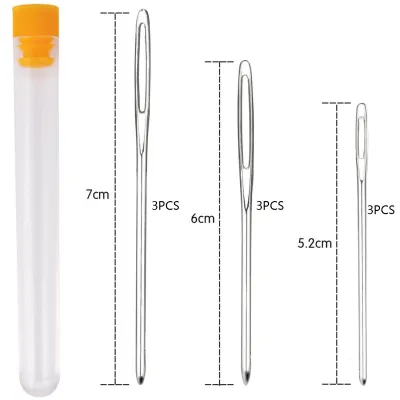
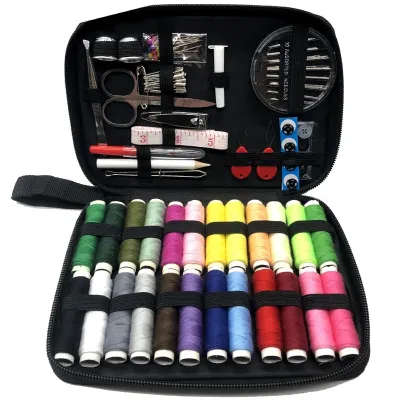
Prices are valid at publication and may change. Please refer to the product page for the latest price.
Needle sizing is another critical concept for beginners to master, as it operates on an inverse scale. In the world of embroidery needles, a larger size number indicates a finer, thinner needle, while a smaller number represents a thicker, larger needle. For beginners, sizes 3 through 9 are the most practical and versatile options to have in your sewing kit. A size 3 or 4 needle is relatively thick and works beautifully with five or six strands of embroidery floss on heavier fabrics. Conversely, a size 8 or 9 needle is much finer, making it ideal for delicate work using only one or two strands of floss on lightweight fabrics.
Matching your needle size to both your thread thickness and fabric weave density is key to achieving smooth, tension-consistent stitches. If your needle is too small for the number of thread strands you are using, the thread will rub against the edges of the eye and fray rapidly. If the needle is too large for your fabric, it will leave permanent, unsightly holes in the weave that your thread cannot fill. A good rule of thumb for beginners is to select a needle that creates a hole just large enough for the threaded eye to pass through without resistance, allowing the thread to follow smoothly behind it.
Key Features That Make a Needle Brand Beginner-Friendly
When you are just starting out, the physical design and packaging of a needle brand can significantly impact your learning curve. Beginner-friendly brands prioritize clear, intuitive labeling on their packaging, making it easy to identify the needle type, size range, and recommended thread compatibility at a glance. Clear packaging helps prevent confusion when you are organizing your supplies at home, ensuring you do not accidentally mix up your embroidery needles with tapestry or quilting needles. Some brands even include helpful size charts or color-coded guides on the back of the pack to assist novices in making the right selection.

The manufacturing quality of the needle’s eye is perhaps the most critical factor in preventing stitching frustration. High-quality needle brands invest in precision polishing techniques to ensure that the inside of the needle eye is perfectly smooth and free of microscopic metal burrs. A rough or poorly finished eye acts like a tiny saw, shredding your embroidery floss every time you pull the needle through the fabric. When evaluating a brand, look for needles that boast gold-plated or highly polished eyes, as these finishes reduce friction and allow the thread to slide through effortlessly.
For your very first purchase, opting for an assorted size pack is highly recommended over buying a single-size pack. Assorted packs typically contain a range of sizes, such as 3 to 9 or 5 to 10, allowing you to experiment with different thread thicknesses and fabric weights without buying multiple individual packs. This variety lets you discover which sizes feel most comfortable in your hand and work best for your specific style of stitching. Once you develop a preference for a particular size, you can then transition to purchasing single-size packs to replenish your most-used tools.
Finally, observable indicators of manufacturing quality include rust resistance and consistent shaft straightness. Premium needles are often crafted from high-carbon steel or nickel-plated steel, which provides excellent strength and flexibility while resisting corrosion from the natural oils on your hands. A needle that bends too easily or arrives with a slight curve will distort your stitches and make precise placement difficult. Before starting a project, run your fingers along the shaft of the needle to verify that it is perfectly straight, smooth, and free of any surface imperfections or discoloration.
Widely Recognized Embroidery Needle Brand Categories for Beginners
While there are dozens of needle manufacturers worldwide, the options available to beginners generally fall into a few distinct categories based on their heritage, design philosophy, and target audience. Understanding these categories helps you navigate the craft store aisles with confidence, even if you cannot find a specific brand name. Reputable manufacturers in these categories maintain strict quality control standards, ensuring that every needle in the pack is uniform in length, thickness, and eye shape. This consistency is vital for beginners who are still developing their muscle memory and stitching rhythm.
When choosing between these categories, look for brands that provide detailed material specifications and clear size charts on their packaging. High-quality brands are transparent about the metals used in their needles, such as nickel-plated steel, gold plating, or platinum coatings. They also tend to offer robust packaging that can be reused for storage, which is a major convenience for beginners who do not yet own a dedicated needle case. By understanding the strengths of each brand category, you can select the one that best aligns with your budget, comfort preferences, and project goals.
Established Heritage and Craft Brands
Established heritage brands represent the traditional backbone of the needlework industry, with manufacturing histories that often span decades or even centuries. These brands are widely recognized for their uncompromising commitment to traditional manufacturing standards and are the default choice for many comprehensive beginner embroidery kits. Their needles are typically packaged in classic paper envelopes or simple foil wraps, focusing on functional quality rather than flashy presentation. Because of their long-standing reputation, these brands are incredibly easy to find in almost any local craft or haberdashery shop.
The primary advantage of heritage brands is their exceptional consistency and reliability. Their embroidery needles feature incredibly sharp, hand-ground points that pierce standard cotton, linen, and Aida fabrics with minimal resistance. The shafts are tempered to achieve the perfect balance of strength and flexibility, meaning they will bend slightly under pressure rather than snapping unexpectedly. For a beginner, starting with a heritage brand provides a reliable baseline experience, ensuring that any stitching difficulties you encounter are not the result of a defective tool.
Modern and Specialty Craft Brands
In contrast to traditional manufacturers, modern and specialty craft brands focus heavily on user comfort, innovative packaging, and solving common pain points for contemporary crafters. These brands frequently introduce ergonomic designs, such as slightly curved shafts or textured grip zones, to reduce hand fatigue during long stitching sessions. They also excel in packaging innovation, offering easy-open magnetic cases, color-coded needle hubs, or reusable plastic tubes that keep your needles organized and protected from moisture.
For beginners who struggle with threading or have limited dexterity, modern specialty brands often offer unique solutions. Some feature uniquely shaped, extra-large eyes or specialized threading aids built directly into the packaging. Others utilize advanced surface coatings, such as hypoallergenic gold or black-oxide finishes, which provide an exceptionally smooth glide through dense fabrics while protecting sensitive skin from nickel allergies. While these modern brands may carry a slightly higher price tag, their focus on usability and organized storage makes them highly appealing to beginners who appreciate a more streamlined and comfortable crafting experience.
Where to Buy Embroidery Needles in Singapore
Finding high-quality embroidery needles in Singapore is relatively straightforward if you know where to look. For beginners, visiting established local craft, stationery, and fabric stores is highly recommended. Shopping in person allows you to physically inspect the needle packaging, check the size ranges, and feel the weight of the packs. Traditional haberdashery shops in neighborhoods like Chinatown, as well as specialized craft retailers in central shopping malls, carry a wide selection of heritage and modern needle brands. The staff at these physical stores can also offer valuable advice on matching your needles to the specific fabrics and threads you plan to purchase.
If you prefer the convenience of online shopping, e-commerce platforms and online craft marketplaces offer an extensive variety of embroidery needles. However, navigating these digital spaces requires a bit of caution to avoid low-quality, counterfeit, or mislabeled products. When browsing online, always verify the seller’s ratings and read customer reviews carefully, looking for feedback specifically mentioning the needle’s sharpness, eye smoothness, and packaging condition. Avoid listings that offer generic, unbranded needles at unusually low prices, as these often suffer from rough eyes that will shred your thread and ruin your stitching experience.
When shopping online or in-store in Singapore, it is helpful to compare prices in S$ and check stock availability for specific assorted packs before finalizing your purchase. A standard pack of high-quality embroidery needles typically ranges from S$3 to S$8, depending on the brand, material coating, and pack size. Buying a well-known, reputable brand within this price range is a minor investment that pays off significantly in terms of durability and ease of use. Ensure that the retailer has the specific assorted size pack you need in stock, as starting with a versatile range of sizes is much more beneficial than buying a single-size pack.
Common Beginner Mistakes When Using and Storing Needles
Even the highest-quality needle will perform poorly if it is used incorrectly or neglected. One of the most common mistakes beginners make is forcing a needle through fabric that is too dense or pulling the thread at a harsh, perpendicular angle. When you struggle to push the needle through the fabric, it is usually a sign that your needle is too thick for the weave or that you are trying to pierce a knot. Forcing the needle can bend the shaft, dull the sharp point, or even break the eye, potentially damaging your fabric and causing hand strain. Always pull the needle straight through the fabric in the direction of the stitch to maintain its structural integrity.
Proper storage is equally critical to extending the lifespan of your embroidery needles and maintaining their performance. Leaving needles loose in a craft bag or stuck directly into a ball of thread exposes them to moisture and friction, leading to rust, dulling, and eventual loss. Instead, store your needles in a dedicated needle book made of felt or wool, a high-quality pincushion, or their original protective packaging. Keeping your needles organized by size and type not only protects them from environmental damage but also ensures you can quickly find the right tool for your next project.
Knowing when to discard a needle is an essential skill that will save you hours of frustration. Over time, even the best needles will wear out due to friction, moisture, and tension. You should inspect your needle regularly for observable signs of wear, such as a dull or bent point, visible rust or discoloration along the shaft, or a rough eye that consistently shreds your embroidery floss. If you notice the needle snagging on the fabric, making an audible popping sound as it pierces the weave, or causing your thread to fray repeatedly, it is time to discard it safely and transition to a fresh needle from your pack.
Frequently Asked Questions (FAQ)
Can I use regular sewing needles for embroidery?
While it is physically possible to use regular sewing needles for embroidery, it is highly discouraged for beginners. Standard sewing needles, often called sharps, are designed with small, round eyes meant for thin, single-strand sewing threads. Attempting to thread multiple strands of embroidery floss through these small eyes is incredibly difficult and will cause the thread to compress, rub, and fray rapidly. Furthermore, the shorter shaft of a standard sewing needle does not provide the same level of control and leverage needed for executing decorative embroidery stitches, often leading to uneven tension and fabric puckering.
How often should I replace my embroidery needle?
There is no strict calendar timeline for replacing an embroidery needle, as its lifespan depends on the frequency of use, the density of your fabrics, and how well it is stored. Instead of relying on a set schedule, you should monitor your needle for physical and performance-based signs of wear. If you observe a dull point, notice the needle snagging or dragging through the fabric, or find that your embroidery floss is shredding near the eye, these are clear indicators that the needle needs to be replaced. As a general practice, it is wise to start a large, complex project or a project using highly delicate fabrics with a brand-new needle to ensure optimal performance.

Community discussion
Share your experience or ask a question. Comments are reviewed before publication.