
Selecting the right cross stitch needle is one of the most critical decisions a beginner can make to ensure a smooth, frustration-free crafting experience. The best cross stitch needles for beginners are tapestry needles produced by established needlework brands that prioritize smooth, burr-free eyes and consistent sizing. Rather than relying on unbranded bulk packs from generic online marketplaces, newcomers should look for reputable brands found in specialized craft stores, which offer the structural integrity needed to prevent embroidery floss from shredding. By understanding how to evaluate needle quality, match sizes to fabric counts, and protect tools from local environmental factors, you can set yourself up for stitching success from your very first project.
Understanding Cross Stitch Needle Types for Beginners
When entering the world of needlework, the sheer variety of needles available on store shelves can be overwhelming. For standard cross stitch projects, the absolute gold standard is the tapestry needle. Unlike standard sewing needles, tapestry needles feature a blunt, rounded tip and an elongated eye designed to accommodate multiple strands of embroidery floss. The blunt tip is specifically engineered to slide smoothly between the woven threads of cross stitch fabrics rather than piercing them, ensuring your stitches remain perfectly aligned and uniform.
Using a sharp needle on standard cross stitch fabrics like Aida or evenweave can quickly lead to frustration. Sharp tips easily split the delicate, pre-woven threads of the fabric, which distorts the grid and ruins the clean look of your stitches. Furthermore, during long, repetitive stitching sessions, a sharp needle increases the risk of accidental finger pricks, making the crafting process uncomfortable. Tapestry needles keep your fingers safe and allow you to navigate the fabric holes by feel alone.
Products mentioned in this guide
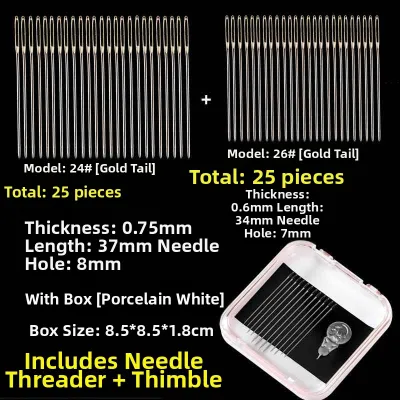
![[2 Packets] Golden Tip Assorted Needles For Cross Stitch/Assorted Needles/Canvas/Sofa](https://img.lazcdn.com/g/p/09884ed71a9e45ac2b0a780bc3686e66.jpg_400x400q80.jpg_.webp)
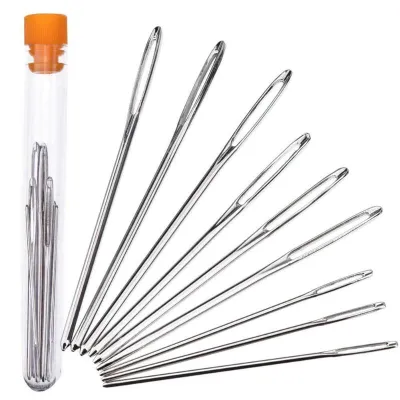
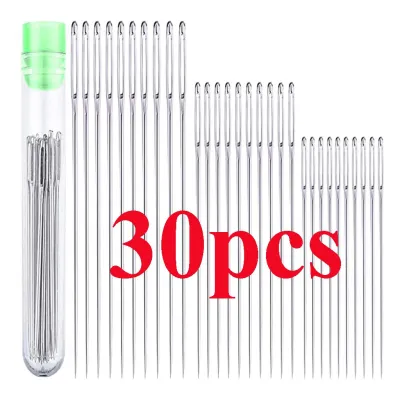
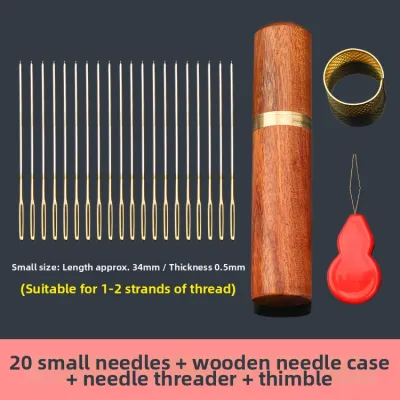
Prices are valid at publication and may change. Please refer to the product page for the latest price.
There are, however, specific scenarios where sharp needles—often referred to as crewel or embroidery needles—are appropriate. If you are working on a stamped cross stitch project where you must pierce a solid, non-woven background fabric, a sharp needle is necessary. Sharp needles are also useful for adding intricate details after the main cross stitching is complete, such as backstitching through dense areas of thread or creating tight French knots. For the vast majority of beginner projects, though, you should stick firmly to tapestry needles.
How to Identify Reliable Cross Stitch Needle Brands
In the absence of independent laboratory testing data, beginners must rely on observable quality indicators to identify reliable needle brands. The first sign of a high-quality needle is clear, professional packaging. Reputable manufacturers package their needles in secure, labeled envelopes or cards that explicitly state the needle type, precise size, and material composition. Avoid loose, unlabelled assortments, as these often mix different needle types and lack the quality control required for smooth stitching.

The most critical area of any needle is the eye. High-quality brands use advanced manufacturing techniques to ensure the inside of the needle eye is perfectly smooth and polished. Cheap, low-grade needles are often mass-produced using simple stamping machines that leave microscopic metal burrs inside the eye. These sharp edges act like tiny saws, shredding and fraying your embroidery floss as you pull it through the fabric. Before starting a project, run a single strand of floss through the eye; if it catches or frays immediately, the needle is poorly made.
Established brands also maintain strict quality control over the shape and straightness of the needle shaft. A reliable needle will have a consistent thickness along its length and a perfectly centered eye. When shopping, look for brands that have a long-standing presence in specialized craft stores and dedicated needlework shops. These retailers curate their inventory carefully to maintain their reputation among experienced crafters, making them far more reliable sources than generic online marketplaces selling unbranded bulk packs.
Matching Needle Size to Your Fabric Count
To achieve neat, even stitches, you must match the size of your needle to the count of your fabric. In cross stitch, needle sizes have an inverse relationship with their physical thickness. This means that as the size number increases, the needle itself becomes thinner and shorter. For example, a size 24 tapestry needle is significantly thicker and sturdier than a size 28 needle. Choosing the wrong size can either stretch your fabric out of shape or make threading an exercise in frustration.
Fabric count refers to the number of holes per inch in your fabric, such as Aida. A lower fabric count means larger holes, which require a thicker needle to carry the floss properly. Conversely, a higher fabric count means smaller holes, requiring a much thinner needle. If your needle is too thick for the fabric, it will force the holes open, leaving unsightly gaps in your finished piece. If it is too thin, the embroidery floss will rub heavily against the fabric edges, leading to premature wear and thinning of the thread.
A reliable framework for matching standard tapestry needle sizes to common Aida fabric counts includes the following pairings:
- 11-Count Aida: Use a size 22 tapestry needle. This combination accommodates thicker thread counts, often using three or four strands of floss.
- 14-Count Aida: Use a size 24 tapestry needle. This is the most common starting point for beginners, offering an ideal balance of visibility and ease of handling.
- 16-Count Aida: Use a size 26 tapestry needle. This slightly thinner needle prevents the fabric holes from stretching.
- 18-Count Aida: Use a size 26 or size 28 tapestry needle. These fine needles are perfect for detailed work on dense fabrics.
To verify if your needle and fabric are perfectly matched, you can perform a simple “glide test.” Thread your needle with the intended number of floss strands and insert it into an empty hole in your fabric. The needle should pass through the hole smoothly with minimal resistance, without forcing the fabric threads apart. If the needle slips through too easily and the thread bunches up at the eye, or if you have to push hard to force the needle through, adjust your needle size accordingly.
Choosing the Right Needle Material and Finish
The material and finish of your needle play a significant role in how smoothly it glides through the fabric and how long it lasts. Standard tapestry needles are typically made of steel and plated with nickel. Nickel-plated needles are highly durable, widely available, and cost-effective, making them an excellent starting choice for most beginners. They offer a smooth glide and hold up well to regular use, though the plating can eventually wear off over time.
Gold-plated needles are a popular alternative for crafters seeking an even smoother stitching experience. The gold plating reduces friction, allowing the needle to slip through tight fabric holes with remarkable ease. However, gold is a softer metal than nickel, meaning the plating will gradually wear away with frequent use, exposing the base steel underneath. Many stitchers reserve gold-plated needles for special projects or use them when working with delicate fabrics.
For crafters with metal sensitivities, particularly nickel allergies, choosing the right needle is essential for comfort. Standard nickel-plated needles can cause skin irritation, itching, or discoloration during long stitching sessions. In such cases, look for needles made from surgical stainless steel or those featuring hypoallergenic coatings. Some brands offer platinum-plated or black-coated needles, which provide a barrier between your skin and the base metal while maintaining a smooth glide.
Environmental conditions also dictate how you should care for your needles. In Singapore, the high relative humidity can quickly cause untreated or damaged metals to oxidize and rust. When a needle’s plating wears down, the exposed steel is highly susceptible to moisture in the air. To prevent rust from ruining your needles and staining your fabric, always store your tools in a dry, airtight container. Adding a small packet of silica gel to your needle case is a highly effective way to absorb excess moisture and prolong the lifespan of your needles.
Where to Buy and Verify Needles in Singapore
Finding high-quality cross stitch needles in Singapore is straightforward if you know where to look. Established local craft stores and specialized needlework shops are the best places to start, as they stock reputable brands that meet strict manufacturing standards. Visiting a physical store allows you to inspect the packaging and even examine the needles closely before making a purchase. You can also find official brand storefronts on reputable online malls, which offer the convenience of home delivery while ensuring product authenticity.
Be cautious when browsing generic online marketplaces, as they are often flooded with cheap, unbranded multi-packs. While a pack of fifty needles for a few dollars may seem like an attractive bargain, these products frequently suffer from poor quality control. They often feature rough, machine-stamped eyes that will shred your thread, or bent shafts that make straight stitching impossible. Investing a few extra dollars in a small pack of high-quality, branded needles (typically costing between S$3 and S$8) will save you hours of frustration and protect your embroidery floss from damage.
Before committing a new needle to a large or complex project, it is wise to perform a quick verification test. Take a small scrap piece of your project fabric and thread the needle with a single strand of floss. Pass the needle through the fabric several times, paying close attention to how it feels. The needle should glide effortlessly without catching, and the thread should remain smooth and unfrayed. If you notice any resistance or physical damage to the thread, discard the needle and try another one from the pack.
Common Needle Mistakes Beginners Should Avoid
One of the most common mistakes beginners make is using a needle that is too large for their fabric. When a needle is too thick, it forces the woven threads of the fabric apart, leaving permanently enlarged holes that ruin the appearance of the finished piece. It also causes the embroidery floss to sit loosely in the holes, leading to uneven tension and a messy look. Always refer to the sizing guide and perform the glide test to ensure your needle is appropriate for your fabric count.
Another critical error is leaving needles inserted directly into the fabric when taking a break from stitching. If you leave a needle resting in your project for days or weeks, the moisture from your hands and the surrounding air can cause the needle to rust. This rust can transfer onto the fabric, leaving permanent, unsightly brown stains that are nearly impossible to wash out. Instead, always remove your needle from the fabric when you are finished for the day and store it safely in a dedicated needle minder or case.
Finally, many beginners struggle with threading their needles, often trying to force a folded piece of floss through the eye. This technique can damage the fibers of the thread and make the process incredibly frustrating. Instead, cut the end of your floss cleanly with sharp embroidery scissors, or use a high-quality needle threader designed for tapestry needles. A needle threader protects the thread from fraying and allows you to thread your needle quickly and easily, keeping your focus on the joy of stitching.
Frequently Asked Questions (FAQ)
How often should I replace my cross stitch needle?
You should replace your cross stitch needle as soon as you notice any physical signs of wear or degradation. Over time, the friction of passing through fabric wears away the outer plating, exposing the base metal which can feel rough or drag against the fabric. If the needle becomes bent, develops a rough spot inside the eye, or shows any signs of discoloration or rust, it is time to discard it. Active stitchers often replace their needles after every major project to ensure optimal performance.
Can I use a regular sewing needle for cross stitch?
It is highly discouraged to use a regular sewing needle for standard cross stitch projects. Regular sewing needles have sharp, pointed tips designed to pierce tightly woven fabrics, which will split the threads of Aida or evenweave and ruin the grid pattern. They also have much smaller eyes that can shred thick embroidery floss. The only exceptions are stamped cross stitch projects on solid fabric, or when adding specific decorative stitches like French knots and backstitching.

Community discussion
Share your experience or ask a question. Comments are reviewed before publication.