
Crocheting a durable, functional bag requires a yarn that balances structural integrity, wear resistance, and ease of maintenance. In Singapore’s warm, humid climate, 100% cotton yarn stands out as the ultimate fiber choice. Its natural rigidity prevents the sagging common with acrylic or wool, while its breathability and washability make it perfect for daily urban use. For structured, lustrous designs, mercerized cotton from brands like Scheepjes or DMC is highly recommended. For heavy-duty utility bags, thick cotton cords provide unmatched self-supporting rigidity. Understanding how to navigate local retail options and technical specifications will ensure your handmade bag remains beautiful and functional for years.
Why Cotton is the Best Fiber for Crochet Bags
Animal fibers like wool and synthetic fibers like acrylic possess high elasticity, which is excellent for garments that need to stretch and return to shape. However, when applied to a crochet bag, this elasticity causes the fabric to sag dramatically under the weight of everyday items like a phone, wallet, or water bottle. Cotton fibers are structurally inelastic, meaning they resist stretching under tension. This lack of give ensures that your finished bag retains its original proportions and shape over time.
At a microscopic level, cotton is composed of crystalline cellulose polymers that do not have the crimp or spring-like molecular structure of wool or acrylic. When you crochet with cotton, the stitches lock tightly into place, creating a stable mesh or solid fabric. This structural stability is particularly critical for the base and handles of a bag, which bear the brunt of the load.
Products mentioned in this guide
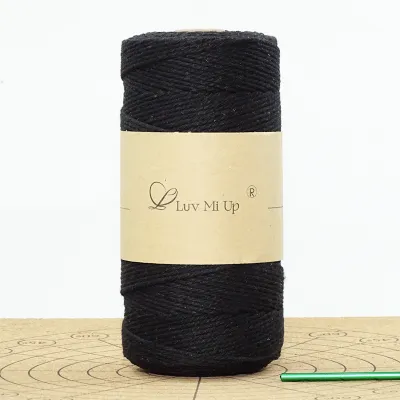
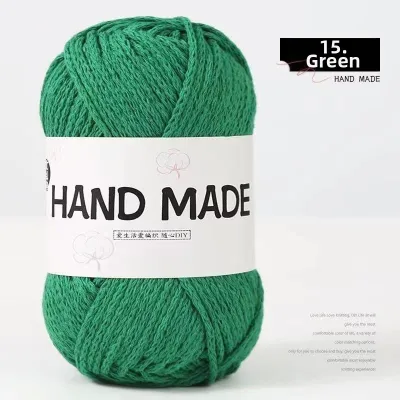
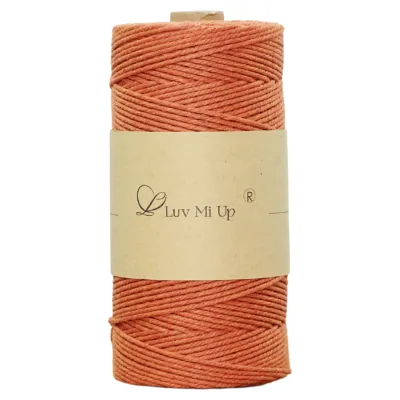
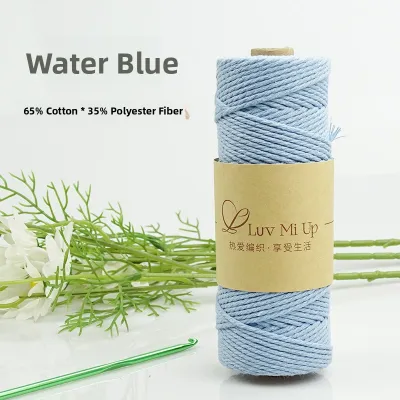
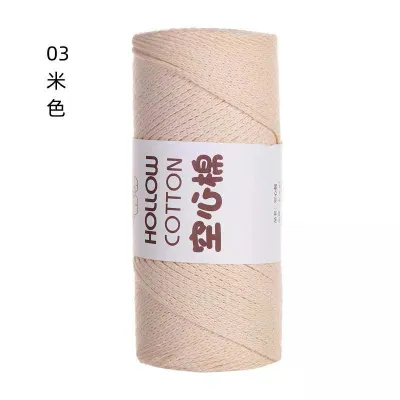
Prices are valid at publication and may change. Please refer to the product page for the latest price.
Cotton yarn is spun from smooth plant fibers, resulting in a clean strand with minimal surface fuzz. This lack of a “halo” allows every crochet stitch—whether a simple single crochet or a complex textured bobble—to appear crisp and highly defined. This visual clarity is essential for highlighting the intricate stitch patterns often used in handmade bags, ensuring your craftsmanship is fully visible.
Bags are subjected to constant friction as they rub against clothing, hips, and public transit seats. Cotton is a remarkably tough fiber that resists pilling and abrasion far better than acrylic or delicate animal fibers. It withstands daily wear and tear without wearing thin or developing unsightly fiber pills on the surface, keeping your bag looking pristine for much longer.
Singapore’s tropical humidity makes synthetic bags feel warm and prone to trapping moisture, while wool is entirely impractical. Cotton is a breathable, natural fiber that does not trap heat. Furthermore, cotton is highly washable, allowing you to easily clean off sweat, dust, or spilled iced coffee after a day out in the city.
Choosing between pure cotton and blends is a balance of structure and softness. 100% cotton provides the maximum possible stiffness, making it the ideal choice for unlined bags like open-mesh market totes. Cotton blends, such as cotton-acrylic or milk cotton, introduce a softer hand feel and a more fluid drape. While comfortable to work with, these blends compromise structural integrity, meaning they almost always require a fabric lining to prevent the bag from losing its shape under load.
Top Cotton Yarn Types and Brands for Bag Making
Mercerized Cotton Yarn
Mercerization is a chemical treatment where cotton yarn is exposed to a sodium hydroxide bath and then tensioned. This process causes the flat, twisted natural cotton fibers to swell, straightening their structure into smooth, round cylinders. This structural change increases light reflection, giving the yarn a beautiful, silky luster.

It also strengthens the fiber by up to 25% and significantly improves its dye absorption, resulting in exceptionally vibrant, fade-resistant colors that won’t bleed easily during washing. Mercerized cotton is highly recommended for lightweight tote bags, intricate market bags, vintage-style purses, and decorative overlays. The smooth surface allows your crochet hook to glide effortlessly, making it a joy to work with.
Scheepjes Catona: A premium European brand widely available in Singapore’s specialty yarn shops. This 100% mercerized sport-weight (5-ply) cotton is famous for its massive color palette of over 100 shades, making it the absolute favorite for multi-colored tapestry crochet or vibrant granny square bags. It offers excellent stitch definition and a subtle sheen that elevates the finished project.
DMC Cebelia and Pearl Cotton: Historic French brands with excellent local distribution. These fine, highly twisted mercerized threads are perfect for delicate, highly structured lace bags or micro-crochet projects requiring extreme durability and a high-gloss finish. They are exceptionally strong and do not split during crocheting.
Schachenmayr Catania: A highly durable, sport-weight mercerized cotton that offers a firm structure and high resistance to wear, making it a reliable choice for daily-use bags. It holds its shape remarkably well even after multiple wash cycles.
Cotton Cord and Thick Plying Yarn
This category includes braided cotton cords, macrame cords (typically 2mm to 4mm in thickness), and multi-plied super bulky cotton yarns. Unlike standard knitting or crochet yarns, these cords are constructed by braiding or tightly twisting dozens of fine cotton threads together to form a dense, rope-like structure.
Cotton cords offer unmatched rigidity and structural self-support. A bag crocheted with a 3mm cotton cord can stand upright on its own without collapsing, making it the ultimate choice for structured bucket bags, rigid backpacks, beach totes, and storage baskets. The dense construction ensures that the bag’s contents are completely hidden, often eliminating the need for a fabric lining.
These materials are best for modern, minimalist, or bohemian designs with chunky, prominent stitches. Because the yarn is thick, projects work up incredibly fast, often requiring only a few hours to complete a full-sized bag. The resulting fabric is incredibly tough and can withstand heavy loads without any noticeable stretching.
Due to the thickness and weight of the cord, you must use larger hooks, typically 5.0mm to 8.0mm. The final bag will be significantly heavier than one made from fine yarn, so plan your design accordingly. Additionally, working with stiff cord requires more physical effort and can strain your hands and wrists; taking frequent breaks and using ergonomic hooks is highly recommended.
Bobbiny: A well-known brand specializing in sustainable, recycled cotton cords. Their junior (3mm) braided cords are exceptional for structured crochet bags, offering a soft yet incredibly sturdy texture.
Hoooked: Famous for recycled textile yarns like RibbonXL (a lightweight cotton ribbon yarn) and Spagetti (t-shirt yarn). These options provide a unique, chunky aesthetic and are highly durable, though thickness can vary slightly due to the recycled nature of the material.
Blended and Milk Cotton Yarn
Milk cotton is a popular blend featuring cotton mixed with acrylic fibers or milk casein protein fibers. Standard cotton-acrylic blends (typically 50/50 or 60/40 ratios) are also highly common in the market. These yarns are incredibly soft, lightweight, and highly affordable, coming in an extensive array of pastel and vibrant colors.
The addition of acrylic or milk fiber introduces significant elasticity and softness. While this is wonderful for baby garments or blankets, it is a major disadvantage for bags. A bag crocheted from milk cotton will stretch out of shape almost immediately when loaded with items. The fabric is also more prone to pilling and fuzzing over time under the friction of daily use.
If you choose to use milk cotton or soft cotton blends for a bag, limit their use to small, low-stress items like coin purses, airpod cases, or drawstring pouches. For larger bags, you must plan to sew a sturdy fabric lining (such as cotton canvas) into the interior and reinforce the straps with non-stretch materials to counteract the yarn’s natural elasticity.
Where to Buy Crochet Cotton Yarn in Singapore
For those who prefer to feel the yarn texture, assess its stiffness, and compare color shades under natural light, visiting a physical retail store is highly beneficial. Spotlight, with major branches at Plaza Singapura and Westgate, is a highly accessible option. It carries popular utility cottons like Lily Sugar’n Cream, which is a rustic, unmercerized medium-weight cotton excellent for sturdy, casual bags, alongside various budget-friendly acrylic-cotton blends.
For a more curated selection of premium, international, or artisan-dyed cotton yarns, visiting local independent yarn shops (LYS) is highly recommended. Shops like Golden Dragon in People’s Park Centre have a long-standing history in Singapore, offering a wide array of traditional cotton threads, mercerized yarns, and specialized crochet tools. Other boutique yarn studios across the island stock premium European brands like Scheepjes and Rowan, providing expert advice and high-quality fibers that are less common in mass-market stores.
When shopping online through regional e-commerce platforms or dedicated craft webstores, you gain access to a global inventory. To ensure a successful purchase, always check seller ratings, read customer reviews specifically mentioning bag-making results, and verify shipping timelines to Singapore. Online shopping is often the easiest way to source specialized cotton cords or specific colorways of European mercerized cottons.
When purchasing yarn—especially from online marketplaces where inventory is pulled from various warehouse shelves—always verify the dye lot numbers on the paper bands. Even if two skeins share the exact same color code, subtle variations in water temperature, chemical balance, or dye concentration during manufacturing can create visible shade differences. In Singapore’s bright, tropical daylight, these color discrepancies can appear as obvious horizontal bands across your finished bag. Always calculate your project requirements carefully and purchase one or two extra skeins from the same dye lot to guarantee color uniformity.
How to Choose the Right Yarn Weight and Hook Size
In garment crochet, the goal is to achieve a soft, flowing drape that conforms to the body. In bag crochet, the objective is the exact opposite: you need a dense, rigid, opaque fabric that can support weight and prevent small items from slipping through the stitches.
To achieve this dense fabric, ignore the recommended hook size printed on the yarn label. The manufacturer’s recommendation is designed for standard garments or blankets. For a sturdy bag, intentionally select a crochet hook that is 1.0mm to 1.5mm smaller than recommended. For example, if a DK-weight cotton yarn recommends a 4.0mm hook, use a 2.5mm or 3.0mm hook instead. This forces the stitches to pack tightly together, minimizing gaps and maximizing structural rigidity.
Before committing to a full bag project, crochet a test swatch measuring at least 10cm by 10cm using your chosen yarn, hook, and stitch pattern. Once completed, test its performance using three simple checks:
- The Stretch Test: Hold the swatch firmly at opposite corners and pull. Observe how much the stitches distort. If the fabric stretches excessively or feels flimsy, switch to a smaller hook or a denser stitch pattern.
- The Opacity Test: Hold the swatch up to a light source. If you can see clear gaps between the stitches, your finished bag will likely require a lining. If the fabric is nearly solid, it is suitable for an unlined bag.
- The Weight Test: Place a heavy object, such as a set of keys, in the center of the swatch and lift it. This gives you a realistic preview of how the bag's bottom will behave under load.
Yarn weight terminology can be highly confusing and varies significantly between American, British, and Australian brands (e.g., Sport, DK, Worsted, Aran, 4-ply, 8-ply). To make accurate comparisons, look at the meterage or yardage per 100 grams printed on the label. A lower meterage per 100g indicates a thicker yarn, which will yield a heavier, more structured bag. For most medium-sized bags, a DK or Worsted weight cotton offers the best balance of structure and ease of crocheting.
Washing and Maintaining Your Crocheted Cotton Bag
100% cotton is highly durable, but it is prone to shrinkage and color bleeding if subjected to harsh washing conditions. To preserve the shape and color of your handmade bag, hand wash it in cool water using a mild, pH-neutral liquid detergent. Gently submerge and squeeze the bag to work the soapy water through the fibers; avoid rubbing or scrubbing vigorously, which can cause unmercerized cotton to fuzz or pill.
Never place a crocheted cotton bag in a mechanical dryer. High heat and tumbling will cause severe, irreversible shrinkage and distort the stitches. Instead, lay the wet bag flat on a clean, dry towel. Roll the towel up with the bag inside and press gently to absorb excess water—never wring or twist the bag, as this stretches the cotton fibers out of shape. Unroll the towel, reshape the bag to its original dimensions, and lay it flat on a drying rack in a well-ventilated, shaded indoor area away from direct sunlight, which can fade vibrant dyes.
Cotton fibers have a memory for gravity. If you hang a heavy cotton bag on a coat hook or doorknob for extended periods, the weight of the bag itself will cause the straps and body to stretch out permanently. When not in use, store your bag flat on a shelf. To help it maintain its three-dimensional shape, stuff the interior with clean, acid-free tissue paper or a removable fabric organizer insert.
Frequently Asked Questions (FAQ)
Can I use standard worsted weight cotton for a sturdy bag?
Yes, standard worsted weight (or Aran) cotton is highly suitable for crocheting bags, provided you adjust your technique. To ensure the bag is sturdy and does not sag, you must use a crochet hook that is significantly smaller than the size recommended on the yarn label—typically a 3.5mm or 4.0mm hook instead of a 5.0mm hook. Additionally, choose dense, compact stitch patterns such as single crochet, thermal stitch, or the waistcoat stitch. These stitches pack the cotton fibers tightly together, creating a thick, rigid fabric that holds its shape and prevents small items from slipping through the gaps.
How do I stop my cotton crochet bag from stretching when loaded?
To prevent a cotton crochet bag from stretching under the weight of your daily essentials, incorporate structural reinforcements into your design. The most effective solution is to sew a fabric lining—such as sturdy cotton canvas or linen—into the interior of the bag, which absorbs the physical strain and prevents the crochet fabric from expanding. Additionally, consider using non-stretch materials for the handles, such as leather straps, metal chains, or heavy-duty cotton webbing, rather than crocheting the straps. Finally, inserting a rigid base, such as a plastic canvas, acrylic shaper, or wooden base, at the bottom of the bag will distribute weight evenly and maintain its structural integrity.
Should I choose mercerized or unmercerized cotton for a market bag?
For a market bag, mercerized cotton is the superior choice due to its high tensile strength, resistance to pilling, and structural stability. The mercerization process strengthens the cotton fibers, allowing the bag to carry heavy produce and groceries without stretching out of shape or tearing. It also features a smooth, lustrous finish that resists dirt and wear. Unmercerized cotton, while softer and highly absorbent, is much more prone to stretching, fuzzing, and pilling under heavy loads, making it better suited for casual, lightweight beach bags or slouchy pouches rather than heavy-duty market totes.

Community discussion
Share your experience or ask a question. Comments are reviewed before publication.