
Selecting the best chunky yarn in Singapore depends on matching fiber characteristics to your specific project needs and verifying availability via local craft boutiques or major e-commerce platforms. For large-scale projects like blankets, durable acrylics and plush chenille are highly practical options. For wearables worn in Singapore’s unique climate, lightweight cotton-acrylic blends or airy, high-loft merino work best, while next-to-skin accessories like scarves demand ultra-soft, superwash merino to prevent irritation. By understanding yarn weights, fiber properties, and care requirements, you can confidently select the perfect yarn for any knitting project.
How to Choose the Right Chunky Yarn for Your Project
To select the ideal yarn, one must understand the classification systems used by manufacturers. The Craft Yarn Council categorizes yarns by numerical weights. Category 5 is designated as “chunky” or “bulky,” while Category 6 is “super bulky.” This distinction is critical because it dictates the thickness of your needles, the density of the finished fabric, and the speed at which your project will grow. A Category 5 yarn typically pairs with 5.5 mm to 8.0 mm needles, producing a fabric that retains excellent drape and flexibility. In contrast, Category 6 yarn requires 8.0 mm to 12.0 mm needles, creating a thick, highly structured textile that is excellent for fast-growing home decor but can feel overly rigid or heavy if used for complex garments.
Fiber content is the next major decision point, directly influencing how the finished item behaves, feels, and wears over time. Synthetic fibers like acrylic and polyester are highly durable, cost-effective, and generally safe for machine washing, making them a practical choice for high-wear household items. Animal fibers, including wool, alpaca, and merino, offer unmatched warmth, elasticity, and a traditional matte texture, though they require more delicate care to prevent shrinkage. Plant-based fibers such as cotton and bamboo provide exceptional breathability and a smooth, cool hand-feel, making them highly suitable for tropical climates, though they lack the natural springiness of animal fibers and can stretch under their own weight.
Products mentioned in this guide
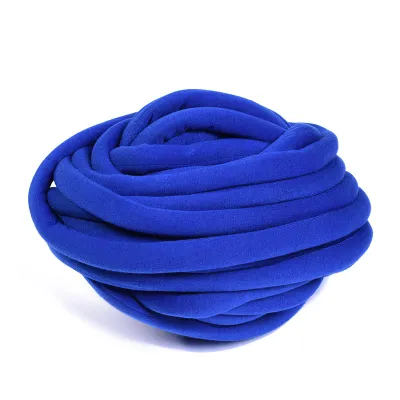
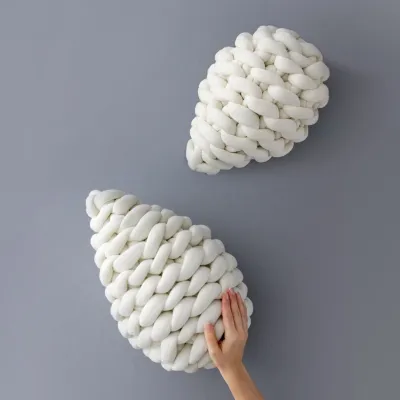
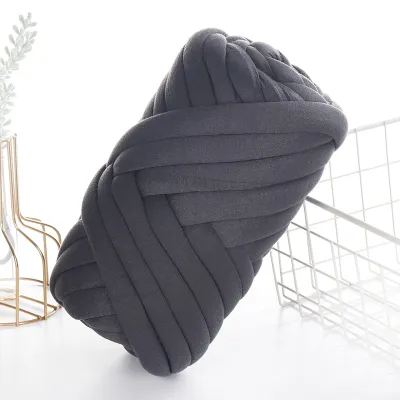
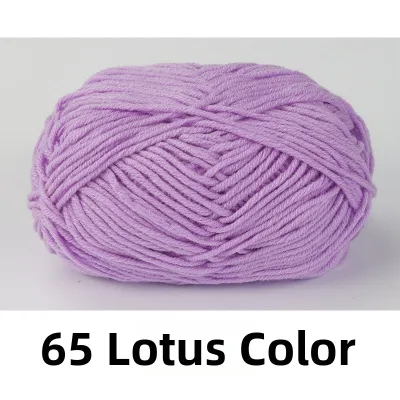
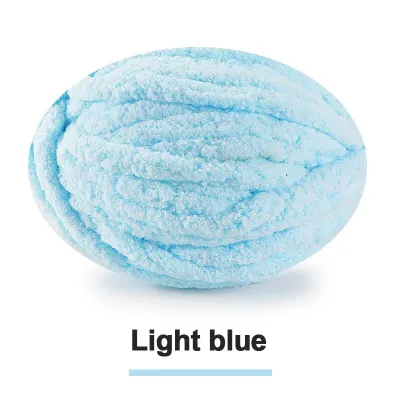
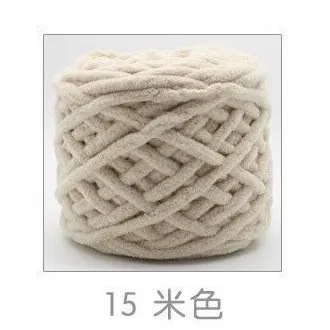
![[SG Ship] Ice Stripe Thick Roving Yarn Soft Crochet Knitting Milk Cotton 冰条粗毛线 钩针针织围巾牛奶棉线](https://img.lazcdn.com/g/p/26232ca0b924437da79b1f1bb6f07dd4.jpg_400x400q80.jpg_.webp)
Prices are valid at publication and may change. Please refer to the product page for the latest price.
Singapore’s ambient relative humidity, which frequently exceeds 80%, also plays a subtle role in fiber selection. Natural animal fibers are highly hygroscopic, meaning they readily absorb moisture from the air, which can make pure wool items feel heavy or damp if they are not stored in air-conditioned spaces. Synthetic fibers and highly processed plant-based blends do not absorb moisture to the same degree, making them more structurally stable in tropical environments. Understanding these environmental interactions helps you choose a fiber that remains comfortable and pristine long after the knitting process is complete.
Reading the paper band, or yarn label, is an essential skill for any knitter. This label contains critical specifications, including the fiber composition percentage, the weight classification icon, and the manufacturer’s recommended needle or crochet hook sizes. It also provides a standard gauge estimate, which indicates how many stitches and rows should fit into a 10 cm by 10 cm square. Always verify these care instructions before purchasing, as some yarns are strictly dry-clean or hand-wash only, while others can tolerate machine washing.
Another vital detail on the label is the dye lot number, which identifies the specific chemical batch in which the yarn was dyed. Even when buying the exact same color name, slight variations in temperature, water chemistry, or dye concentration can create visible differences between batches. If you are working on a large project like a blanket or a sweater, always purchase all required skeins from the same dye lot to avoid noticeable lines or color blocks in your finished work.
Top Chunky Yarn Brands for Cozy Blankets
Creating a blanket requires a yarn that can withstand regular use, resist friction, and remain easy to clean, especially when used in high-traffic living spaces.

Machine-Washable Acrylic and Chenille Options
For household blankets that require frequent laundering, premium acrylic and polyester chenille yarns are highly practical choices. Synthetic fibers are naturally resistant to shrinking, fading, and damage from common household pests like moths, ensuring that your blanket maintains its appearance over years of use. Chenille-style yarns, constructed with a central core thread wrapped in short, dense piles, offer a velvet-like softness that feels incredibly luxurious against the skin while providing excellent stitch definition.
When selecting synthetic options, look for established craft brands that offer high-bulk acrylics designed to mimic the loft of natural wool without the associated care challenges. Brands such as Bernat, particularly their popular chenille lines, are widely available through online importers and local craft distributors in Singapore. Before starting your project, always verify that the specific yarn line is explicitly labeled as machine-washable and tumble-dry safe, as some novelty synthetics may require low-temperature settings or air-drying to prevent the delicate fibers from melting or losing their plush texture.
Furthermore, chenille yarns lack the traditional stretch of plied wool, which means your knitting tension must remain consistent to avoid uneven edges. Because chenille fibers are gripped by a central thread, high-friction areas can sometimes experience “worming,” where loops of yarn pop out of the fabric. Choosing a slightly smaller needle size than recommended can tighten the stitch structure, locking the chenille fibers firmly in place and ensuring the blanket remains durable through years of machine wash cycles.
Durable Wool and Acrylic Blends
If you prefer the classic look and natural springiness of animal fibers but still require easy maintenance, a wool-acrylic blend is an excellent compromise. These blends typically combine a majority percentage of acrylic with a smaller percentage of wool (often around 20% to 30%), offering the warmth, insulation, and elasticity of natural wool alongside the durability and lower cost of synthetic fibers. This combination is particularly well-suited for heavy throws used in air-conditioned living rooms or bedrooms in Singapore, providing a cozy layer without becoming excessively hot.
Blended yarns also help mitigate the itchiness that can sometimes occur with pure, coarse wools, making the finished blanket much more comfortable for sensitive skin. Well-known global brands like Lion Brand offer highly reliable wool-acrylic blends that are frequently stocked by local retailers. When caring for these blends, always check the exact wool percentage on the label; higher wool concentrations may require gentle, cold-water cycles or hand-washing to prevent the wool fibers from felting and shrinking during the wash cycle.
Additionally, the acrylic component in these blends helps the blanket retain its shape and loft over time, preventing the sagging that often occurs with heavy, pure wool blankets. The synthetic fibers act as a stabilizing matrix, reinforcing the weaker wool fibers and reducing the overall rate of wear. This makes blended yarns an incredibly cost-effective option for large-scale projects, allowing you to achieve the luxurious look of wool on a much more manageable budget.
Best Chunky Yarns for Scarves and Accessories
Accessories like scarves, cowls, and beanies are worn directly against the sensitive skin of the face and neck, making comfort and drape your primary considerations.
Soft Merino and Natural Fiber Blends
For accessories that offer a luxurious feel, natural animal fibers like merino wool and alpaca are unmatched. Merino wool fibers are exceptionally fine and wavy, which allows them to bend easily when pressed against the skin, virtually eliminating the prickly sensation associated with coarser wool types. When blended with alpaca, the yarn gains a subtle, elegant halo and an incredibly soft, silky drape that elevates simple stitch patterns like garter stitch or classic ribbing.
To ensure maximum comfort, perform a quick “neck test” before committing to a purchase: gently press the skein of yarn against your collarbone or the side of your neck for a few seconds to verify that it does not cause irritation. Additionally, check whether the yarn is labeled as “superwash,” which means the fibers have been chemically treated or coated to prevent felting, allowing for easier cleaning. Keep in mind that many premium hand-dyed or variegated natural yarns will still require gentle hand-washing in cool water and flat drying to preserve their delicate colors and fiber structure.
When working with luxury natural blends, the choice of stitch pattern can also affect how the yarn feels against the skin. Loose, open stitch patterns like eyelets or dropped stitches increase the flexibility of the fabric, enhancing the natural drape of merino and alpaca. This approach is highly recommended for scarves intended for Singapore’s indoor environments, as it allows for a lighter, more breathable accessory that still provides comfort in air-conditioned draft zones.
Vibrant and Colorfast Synthetic Options
If you are knitting everyday accessories that need to withstand frequent wear, outdoor elements, and regular washing, high-quality synthetic yarns are an exceptional alternative. Acrylic fibers hold dyes incredibly well during the manufacturing process, resulting in highly saturated, vibrant colorways—ranging from bold neons to deep, rich jewel tones—that resist fading over time. This makes synthetic chunky yarns ideal for eye-catching color-blocked scarves, striped beanies, or playful tassels.
To ensure your accessories maintain a clean, professional appearance after repeated wear, look for synthetic yarn lines that are specifically labeled as “anti-pilling.” These yarns are made using specially treated fibers that resist splitting and tangling when subjected to friction, preventing the formation of fuzzy little balls on the surface of your knitwear. Brands like Stylecraft and Scheepjes offer premium acrylic lines that provide a remarkably smooth hand-feel, making them a budget-friendly yet high-quality choice for gift knitting.
Another benefit of premium acrylics is their lightweight nature compared to natural fibers. A large, chunky scarf knitted from pure wool can feel heavy and restrictive around the neck, whereas an acrylic equivalent offers the same visual volume with significantly less physical weight. This makes synthetic options highly practical for daily wear, allowing you to style bold, chunky accessories comfortably throughout the day.
Recommended Chunky Yarns for Wearables and Garments
Knitting garments like sweaters, cardigans, or vests requires careful consideration of weight, drape, and temperature regulation, especially in Singapore’s warm, humid climate.
Breathable Plant-Based and Blended Fibers
In tropical environments, traditional heavy wool sweaters are rarely practical for outdoor wear. Instead, chunky yarns made from plant-based fibers like cotton, bamboo, or linen—or blends of these fibers with acrylic—are excellent choices for creating stylish, breathable garments. Cotton and bamboo are highly breathable, naturally hypoallergenic, and possess excellent moisture-wicking properties, allowing you to knit chunky-look cardigans or open-stitch tops that remain comfortable in warmer weather.
However, plant-based fibers behave very differently from animal fibers; they lack natural elasticity and are significantly heavier, which means they can stretch out of shape when wet or under the weight of the garment itself. To counter this, always verify the yarn label for blend ratios that include lightweight synthetic fibers like acrylic, polyester, or nylon. These synthetic additions provide essential “memory” to the yarn, helping your finished garment retain its original shape, structural integrity, and fit after multiple wears and washes.
When designing a garment with plant-based chunky yarn, you can also adapt your knitting techniques to mitigate stretching. Incorporating structured stitch patterns, such as slip-stitch patterns, ribbing, or cables, adds physical stability to the fabric. Seaming your garments rather than knitting them entirely in the round also provides structural “seams” that act as internal scaffolding, preventing the shoulders and hem from sagging excessively over time.
Lightweight Wool for Structured Knits
If you are knitting a garment intended for cold air-conditioned offices, international travel, or structured fashion, animal fibers remain highly valuable for their elasticity and crisp stitch definition. To prevent a chunky sweater from becoming excessively heavy and sagging under its own weight, look for lightweight, high-loft wools. Many modern manufacturers produce “chainette” yarns (where the fiber is blown into a delicate, knitted nylon cage) or lightly spun, airy merino that provides the visual volume of a chunky yarn with only a fraction of the physical weight.
Before casting on a garment, it is absolutely essential to knit a gauge swatch, measure it, wash it according to the label’s instructions, and block it flat to dry. This process allows you to observe exactly how the yarn behaves; some chunky wools can expand or contract significantly after washing, which will alter the final dimensions of your garment. Furthermore, because pure wool is susceptible to mold, mildew, and moth damage in humid climates, store your finished garments in airtight plastic containers with silica gel desiccants to protect them when not in use.
When blocking your gauge swatch, make sure to dry it on a flat, rust-proof surface away from direct sunlight, which can degrade natural fibers and cause colors to fade. Measuring your swatch both before and after washing will give you a precise calculation of the yarn’s shrinkage or growth rate. This step is the single most effective way to ensure that your hours of knitting result in a garment that fits perfectly and retains its tailored shape.
Where to Sourcing Chunky Yarn in Singapore
Sourcing high-quality chunky yarn in Singapore involves navigating both physical retail spaces and online platforms to find the best selection and value.
For those who prefer a tactile shopping experience, visiting local physical craft stores and specialty yarn boutiques in central areas or established craft chains is highly recommended. These brick-and-mortar shops allow you to physically feel the texture of the yarn against your skin, inspect the true color under natural light, and directly verify that all the skeins you purchase share the same dye lot number. Additionally, local shop owners and staff can offer immediate, expert advice on needle compatibility and project suitability.
If you choose to shop via online marketplaces and e-commerce platforms, take extra precautions to ensure a successful purchase. Always verify the seller’s overall rating, read recent customer reviews specifically looking for comments on yarn authenticity and packaging quality, and check the country of origin. Because yarn is highly susceptible to absorbing moisture and odors, international transit through humid climates can sometimes affect the fibers; inspect your package immediately upon delivery for any signs of dampness or mustiness, and allow the yarn to air out in a dry, well-ventilated space if necessary.
Finally, always calculate your total yardage requirements carefully before placing an online order. Because matching dye lots can be incredibly difficult when purchasing from separate online batches, it is always safer to order one or two extra skeins upfront to guarantee color consistency throughout your entire project.
Frequently Asked Questions (FAQ)
How do I prevent chunky yarn from shedding or pilling?
Shedding is a natural characteristic of loosely spun fibers and chenille-style yarns, whereas pilling is caused by friction rubbing short fibers together on the surface of the fabric. To minimize these issues, always wash your finished items inside out, placing them inside a mesh laundry bag, and use a gentle, cold-water cycle with a mild detergent to reduce agitation. To safely remove any pills that do form, use a specialized fabric shaver or a sweater stone; never pull pills off by hand, as this pulls more fibers out of the yarn structure and accelerates future pilling.
What size knitting needles should I use for chunky yarn?
The standard industry guideline recommends using 5.5 mm to 8.0 mm (US 9 to 11) knitting needles for standard chunky yarn (Category 5), and 8.0 mm to 12.0 mm (US 11 to 17) or larger for super bulky yarn (Category 6). The ideal size depends heavily on your desired fabric density: select smaller needles within the recommended range for tight, structured items like bags or warm beanies, and larger needles for loose, flowing projects like shawls or lightweight cardigans. Always consult the specific recommendation printed on your yarn’s label and knit a personal gauge swatch to confirm the drape before starting.

Community discussion
Share your experience or ask a question. Comments are reviewed before publication.