
Selecting the right protective packaging is a critical decision for e-commerce merchants, logistics managers, and individuals preparing for a move in Singapore. While bubble wrap is often viewed as a simple utility, the quality of your protective material directly influences product return rates, customer satisfaction, and overall shipping costs. A high-performance bubble pack prevents costly damage during transit, ensuring that items arrive in pristine condition despite the rigors of local and international shipping networks.
In Singapore’s competitive logistics landscape, buyers can choose from premier global manufacturers, local distributors, and innovative sustainable packaging brands. Finding the ideal match requires evaluating physical specifications—such as bubble size, material composition, and specialized coatings—against the specific vulnerabilities of your products. By understanding these technical differences, you can optimize your packaging workflow and secure your goods efficiently.
Key Criteria for Evaluating Bubble Wrap and Bubble Pack Brands
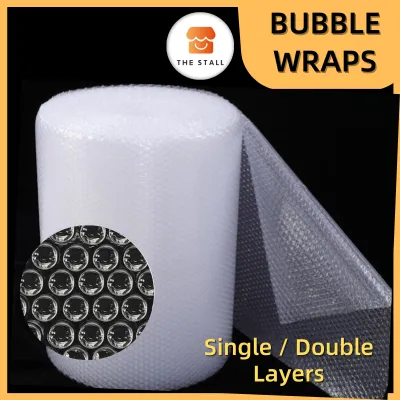
When evaluating bubble wrap brands, looking beyond the brand name to the underlying technical specifications ensures you select a material capable of protecting your specific cargo. The physical dimensions of the bubbles dictate their protective capabilities. Small bubbles, typically measuring 10mm in diameter and 4mm in height, conform closely to intricate shapes, making them ideal for surface protection and preventing scratches. In contrast, large bubbles, usually 25mm to 30mm in diameter and 12mm in height, provide superior shock absorption and serve as excellent void fill to prevent items from shifting inside a shipping carton.
Products mentioned in this guide
![[SG READY STOCK] 50pcs Air Bubble Bag | Bubble Mailer | Bubble Polymailer | Bubble Envelop | Bubble Wrap Packaging](https://img.lazcdn.com/g/p/baf972f2e9530e01a7280216fe3c003d.jpg_400x400q80.jpg_.webp)
Prices are valid at publication and may change. Please refer to the product page for the latest price.
Material composition determines how well a bubble pack retains its protective air cushion under stress. Standard, low-cost bubble wraps are often manufactured as monolayer low-density polyethylene (LDPE) films. Over time, or under the weight of heavy items, air gradually diffuses through the single-layer plastic, a phenomenon known as “creep.” Premium brands prevent this by using multi-layer co-extrusion technology, which sandwiches a thin barrier layer—typically made of nylon or ethylene vinyl alcohol (EVOH)—between layers of LDPE. This barrier construction dramatically reduces air transmission, ensuring the bubbles remain fully inflated throughout long transit times and extended storage periods.
Specialized shipping requirements demand tailored material properties. For instance, shipping sensitive electronic components requires anti-static bubble wrap, which is treated with topical surfactants to prevent the accumulation of triboelectric charges. Other specialized options include cohesive bubble wraps that stick only to themselves without leaving adhesive residue on your products, and adhesive-backed wraps that temporarily bond to smooth surfaces like polished metal or glass to prevent sliding.
Environmental sustainability is an increasingly important factor for businesses operating in Singapore. When assessing a brand’s green credentials, look for clear certifications regarding post-consumer recycled (PCR) content and recyclability. Standard polyethylene bubble wrap is recyclable under plastic recycling code 4 (LDPE), but it must be clean and dry. Some brands offer biodegradable options formulated with chemical additives designed to accelerate decomposition in landfill environments, though these require careful storage to prevent premature degradation. Alternatively, paper-based cushioning systems offer a highly recyclable, plastic-free alternative for eco-conscious operations.
Categories of Packaging Brands Available in Singapore
Global Packaging Manufacturers
Global packaging manufacturers represent the gold standard in terms of consistent quality, advanced material engineering, and structural integrity. Brands like Sealed Air (the original trademark owner of Bubble Wrap®) and Pregis dominate this category. These companies invest heavily in research and development, utilizing proprietary co-extrusion techniques to produce high-barrier bubble packs that offer exceptional puncture resistance and long-term air retention.

For businesses operating high-volume fulfillment centers or exporting high-value goods internationally from Singapore’s port, global brands offer unmatched reliability. Their manufacturing standards ensure that a roll purchased today will perform identically to one purchased six months from now, with consistent thickness, bubble height, and tensile strength. This predictability is essential for automated packaging lines where machinery is calibrated to specific material tolerances.
However, sourcing directly from global manufacturers typically involves higher initial costs and substantial minimum order quantities (MOQs). These brands primarily distribute their products through authorized industrial suppliers, making them less accessible for small businesses or individual shippers. Additionally, the premium price point of high-barrier global brands may be difficult to justify for short-distance, low-risk domestic deliveries within Singapore, where transit times are short and environmental hazards are minimal.
Local Singaporean Packaging Suppliers
Local Singaporean packaging suppliers and regional distributors provide a highly flexible and cost-effective alternative to global giants. These suppliers often source master rolls of bubble wrap from regional manufacturers across Southeast Asia and slit them into various consumer-friendly widths, such as 20cm, 50cm, or 100cm. This localized supply chain allows them to offer highly competitive pricing, rapid local delivery—often within one to three business days—and low MOQs that accommodate small-to-medium enterprises (SMEs) and home-based e-commerce sellers.
When buying from local suppliers, you gain the flexibility to purchase exactly what you need, whether it is a single roll for a residential move or a few bundles for weekly online order fulfillment. Many local distributors also provide custom converting services, supplying pre-cut bubble sheets, perforated rolls, or bubble pouches tailored to your specific product dimensions. This customization can significantly speed up your packing process and reduce material waste in your warehouse.
The primary trade-off when working with local, non-branded, or regionally sourced bubble wrap is variability in quality. Without the strict quality control and proprietary barrier technologies of global brands, these products may exhibit thinner plastic walls, faster air loss under load, and a higher rate of pre-popped bubbles along the edges of the roll. To mitigate this risk, buyers must establish clear specifications with their local suppliers regarding the micron thickness (typically ranging from 40 to 80 microns) and the raw material grade (virgin LDPE versus recycled blends) before committing to bulk purchases.
Eco-Friendly and Sustainable Alternatives
As consumer demand for sustainable packaging grows, several brands in Singapore have introduced eco-friendly alternatives to traditional plastic bubble wrap. These products generally fall into two categories: recycled-content plastic wraps and paper-based cushioning materials. Recycled plastic bubble wraps incorporate varying percentages of post-consumer or post-industrial recycled LDPE, reducing the demand for virgin petroleum-based resins while maintaining similar protective properties.
Paper-based alternatives, such as Ranpak’s Geami honeycomb wrapping system, have gained significant traction among boutique brands and eco-conscious retailers. This system uses a die-cut kraft paper that expands into a three-dimensional honeycomb structure when stretched, providing excellent surface protection and light shock absorption. When paired with a soft tissue paper interleaf, it protects delicate items from scratches while presenting a premium, plastic-free unboxing experience that aligns with modern environmental values.
While sustainable alternatives offer clear marketing and environmental benefits, they do involve specific trade-offs. Honeycomb paper wrap, for example, is highly effective for light to medium-weight items but does not offer the same level of heavy shock absorption or rebound elasticity as a large-bubble plastic bubble pack when subjected to severe drops. Furthermore, paper-based packaging is vulnerable to moisture, which can compromise its structural integrity in Singapore’s highly humid tropical climate. From a cost perspective, eco-friendly alternatives often carry a premium price tag compared to standard local utility-grade bubble wrap, requiring businesses to balance their sustainability goals against their packaging budgets.
Matching Bubble Pack Specifications to Your Products
Protecting Fragile and Delicate Items
Fragile items such as glassware, ceramics, porcelain, and cosmetics require meticulous protection against surface abrasions and high-frequency vibrations experienced during transport. For these applications, small-bubble wrap (10mm bubble diameter) made from a multi-layer co-extruded film is the most effective choice. The small, densely packed bubbles conform easily to complex contours, ensuring there are no unprotected gaps on the item’s surface.
When wrapping delicate items, always place the bubbles facing inward toward the product. This configuration allows the individual air pockets to grip the item securely, preventing it from sliding within the wrapping, while the smooth outer plastic layer resists tears and snags from external packaging materials. For high-value fragile goods, apply at least two full layers of small-bubble wrap, securing the seams with high-tack packaging tape without letting the adhesive come into direct contact with the product’s surface.
Securing Electronics and Sensitive Devices
Shipping electronic components, printed circuit boards (PCBs), computer hardware, and optical sensors introduces the risk of electrostatic discharge (ESD) damage. Standard polyethylene bubble wrap is an excellent electrical insulator, meaning that the friction generated by movement during transit can easily build up significant static charges. When the package is opened or handled, this static can discharge into sensitive microchips, causing latent defects or immediate component failure.
To prevent this, you must use specialized anti-static bubble wrap, easily identifiable by its distinctive pink color. This material is manufactured with antistatic additives that lower the surface resistivity of the plastic, allowing static charges to dissipate safely across the surface rather than building up in one localized area. When sourcing anti-static bubble packs, verify that the material complies with standard surface resistivity ranges, typically between $10^9$ and $10^{11}$ ohms per square, to ensure reliable electrostatic protection for your electronic devices.
Cushioning Heavy or Irregularly Shaped Goods
Heavy, dense, or awkwardly shaped items—such as metal automotive parts, industrial tools, heavy kitchen appliances, and wooden furniture—exert intense localized pressure on packaging materials. Standard small-bubble wrap will quickly pop or flatten under these loads, leaving the corners and edges of the product completely unprotected against impacts. For these demanding applications, large-bubble wrap (25mm to 30mm bubble diameter) or heavy-duty industrial-grade bubble packs are required.
Large bubbles provide a thick, resilient cushion of air that can absorb low-frequency, high-impact shocks, such as those experienced when a heavy carton is dropped from a delivery truck. When packaging irregularly shaped items with sharp protrusions, combine heavy-duty bubble wrap with molded cardboard corner protectors. This hybrid approach prevents the sharp edges of the item from puncturing the plastic bubbles, ensuring the integrity of the air cushion is maintained throughout the entire delivery journey.
Sourcing and Verifying Packaging Quality Locally
For small businesses, home offices, and individuals requiring small quantities of bubble wrap, local e-commerce platforms and online marketplaces are highly convenient. When shopping online, avoid listings that rely solely on generic terms like “super thick” or “ultra-strong.” Instead, look for sellers who provide explicit technical details, including the roll’s exact width, total length, and plastic weight (measured in grams per square meter, or gsm). Carefully read customer reviews, paying close attention to feedback regarding rolls that arrive squashed, bubbles that are partially deflated, or plastic that tears easily along the seams.
If you are procuring bubble wrap for an industrial warehouse, fulfillment center, or high-volume e-commerce business, engaging directly with B2B packaging suppliers in Singapore is the most reliable path. Established distributors located in industrial hubs such as Jurong, Woodlands, or Ubi can provide volume-based wholesale pricing and formal technical specification sheets. Before committing to a large-scale purchase or signing a supply contract, request physical sample sheets or a sample roll of the specific product code you intend to buy. This allows you to evaluate the material’s performance in your actual packaging workflow.
Once you receive samples or a new shipment of bubble wrap, perform a few straightforward, observable tests in your facility to verify the material’s quality:
- The Compression Test: Place a sample sheet of bubble wrap on a flat, hard surface and press down firmly on a cluster of bubbles with your thumb. High-quality co-extruded bubble wrap should resist popping under moderate direct pressure, feeling firm and resilient. If the bubbles pop with minimal effort, the plastic film is likely too thin or lacks a proper air-barrier layer.
- The Creep Test: Place a heavy object, such as a stack of books, on top of a section of bubble wrap and leave it undisturbed for 24 to 48 hours. Afterward, inspect the bubbles underneath the load. If they have significantly deflated or flattened, the material has poor air retention capabilities and may fail during long-term storage or international shipping.
- The Puncture Test: Attempt to push a blunt object, like the cap of a pen, through the plastic film between the bubbles. High-quality virgin LDPE films will stretch considerably and resist tearing, whereas low-grade films containing excessive recycled impurities or fillers will puncture and tear abruptly with minimal stretch.
Frequently Asked Questions (FAQ)
Is a bubble pack with smaller bubbles better for fragile items?
Small bubbles are highly effective for surface protection, preventing scratches, and wrapping tightly around intricate or delicately shaped objects like figurines or glassware. However, because they contain a smaller volume of air, they cannot absorb heavy, high-impact shocks. For heavy or highly fragile items, the most secure method is a dual-layer approach: first, wrap the item in small-bubble wrap to protect its surface, and then cushion it with a outer layer of large-bubble wrap or place it in a box filled with loose void fill to absorb impact energy.
Can standard bubble wrap damage electronic devices?
Yes, standard clear or colored polyethylene bubble wrap can damage sensitive electronic components. The friction generated by the plastic rubbing against itself or the product during transit creates electrostatic charges. If these charges discharge into a sensitive circuit board, they can destroy microchips or cause latent damage that leads to premature device failure. For all bare electronics, PCBs, and computer hardware, you must use specialized pink anti-static bubble wrap, which is chemically treated to prevent static buildup.
How should I store bulk bubble wrap rolls to maintain their quality?
To preserve the integrity of bulk bubble wrap rolls, store them in a cool, dry indoor environment away from direct sunlight, as ultraviolet (UV) radiation rapidly degrades polyethylene, making the plastic brittle and prone to tearing. In Singapore’s hot and humid climate, it is also important to keep the rolls off damp concrete warehouse floors by storing them on wooden or plastic pallets. Keep the protective outer plastic bag sealed around the roll until you are ready to use it to prevent dust, dirt, and moisture from accumulating on the bubble surfaces.

Community discussion
Share your experience or ask a question. Comments are reviewed before publication.