
Direct Answer: The Best Board for Magnetic Letters
When selecting a board for magnets to support early literacy, phonics, and spelling activities, the standard magnetic whiteboard is the most practical and effective choice. Whiteboards feature a steel core directly beneath a thin, smooth writing surface, providing a strong magnetic hold that keeps lightweight plastic educational letters securely in place. This allows young learners to slide letters effortlessly across the surface without them slipping, falling, or catching.
In contrast, magnetic glass boards and magnetic cork boards present significant physical limitations for standard educational magnets. Glass boards have a thick layer of tempered glass that creates distance between the magnet and the steel backing, which severely weakens the magnetic pull. This gap requires heavy-duty neodymium magnets to hold items in place, which are unsafe for young children. Cork boards are naturally non-magnetic; even specialty magnetic cork boards with steel backings suffer from a thick, high-friction surface that prevents letters from sliding and weakens the magnetic grip. For a safe, functional, and budget-friendly learning environment, a magnetic whiteboard remains the superior option.
Magnetic Whiteboards: The Most Practical Board for Magnets in Letter Learning
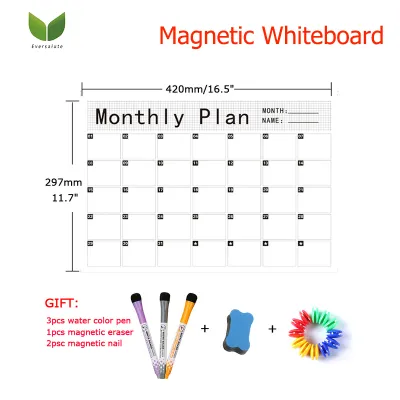
Magnetic whiteboards are the industry standard in Singaporean preschools, primary schools, and tuition centres for a reason. Their construction relies on a steel sheet backing coated with a specialized writing surface. This design ensures that the magnetic backing is only fractions of a millimetre away from the magnetic letters, maximizing the magnetic flux and ensuring a secure hold. Standard educational letters, which typically utilize low-cost, flexible ferrite magnets, require this close contact to remain upright and stable.
Products mentioned in this guide
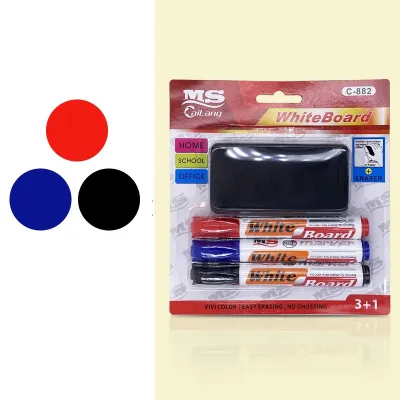
![[120*200cm] magnetic board for wall sticker thickness1.5mm magnetic whiteboard sheet wall paste on wall white board magnetic sticker magnetic wall board whiteboard wall sticker magnetic blackboard static whiteboard](https://img.lazcdn.com/g/p/a88cebe0405001a3950c73a9a1af8742.png_400x400q80.png_.webp)
Prices are valid at publication and may change. Please refer to the product page for the latest price.

For young children developing fine motor skills, the physical interaction with the board is just as important as the visual learning. A high-quality whiteboard surface offers incredibly low friction, allowing children to slide letters smoothly to form words, segment syllables, or build sentences. This fluid movement encourages active engagement and prevents the frustration of letters constantly falling off or getting stuck during spelling exercises.
When shopping for a whiteboard, you will generally choose between two primary surface materials: painted steel and porcelain enamel.
- Painted Steel Whiteboards: These boards feature a steel sheet coated with multiple layers of white paint and a protective wear layer. They are highly affordable—often costing under S$50 for home-sized dimensions—making them excellent for budget-conscious parents and temporary home study setups. However, painted steel is susceptible to scratching. In Singapore’s highly humid tropical climate, deep scratches can expose the underlying steel to moisture, which can eventually lead to localized rusting. Painted steel is also prone to "ghosting," where dry-erase marker ink penetrates the microscopic pores of the paint over time, leaving faint stains that require specialized solvents to clean.
- Porcelain Enamel (Ceramic) Whiteboards: These premium boards are constructed by fusing a ceramic layer onto a steel core at temperatures exceeding 800°C. This process creates an incredibly hard, non-porous surface that is virtually scratch-proof, dent-resistant, and completely immune to ghosting. Porcelain whiteboards maintain an ultra-smooth glide for decades and do not rust, making them the ideal long-term investment for high-traffic classrooms and busy commercial tuition centres, even though they carry a higher upfront cost (typically S$150 to S$400 depending on size).
Ultimately, whether you choose painted steel for light home use or porcelain for a demanding classroom, the magnetic whiteboard provides the most reliable, frictionless, and frustration-free experience for early childhood literacy activities.
Glass Boards: Sleek but Challenging for Standard Educational Magnets
Magnetic glass boards have grown rapidly in popularity for modern corporate offices, home studies, and high school collaborative spaces due to their sleek, minimalist aesthetic and exceptional durability. They are constructed from a sheet of tempered safety glass—usually 4mm to 6mm thick—with a steel sheet laminated to the back. While they excel as writing surfaces, they present major physical challenges when used as a board for magnets in an educational context.
The primary issue lies in the physics of magnetic attraction, specifically the inverse-square law, which dictates that magnetic strength decreases rapidly as the distance between the magnet and the metal backing increases. The 4mm to 6mm thickness of the tempered glass acts as a massive air gap. Standard plastic educational letters, which are designed with weak, lightweight ferrite magnets, cannot bridge this gap. When placed on a glass board, these letters will almost immediately slide down the surface or tumble to the floor, rendering them useless for spelling lessons.
To overcome this distance barrier, glass boards require rare-earth (neodymium) magnets. While neodymium magnets easily hold papers or plastic letters against a glass surface, they introduce severe safety hazards in environments with young children:
- Ingestion Hazards: If a child swallows more than one small neodymium magnet, the magnets can attract each other through the walls of the intestines, causing perforations, blockages, and life-threatening internal injuries requiring emergency surgery.
- Pinching Risks: Neodymium magnets snap together with incredible force, which can easily pinch sensitive skin or small fingers, causing pain and bruising.
- Choking Hazards: Many heavy-duty magnets are small and can easily be detached from plastic letters, posing a direct choking risk to toddlers.
While glass boards offer outstanding durability, are completely stain-proof, and never ghost, they are fundamentally mismatched with standard educational magnetic letters. They are best reserved for adult workspaces, secondary school lecture rooms, or administrative offices where safety hazards are minimized and high-strength magnets can be managed responsibly.
Cork Boards: Understanding the Magnetic Limitations
Traditional cork boards are a staple of classroom organization, but there is a common misconception regarding their compatibility with magnets. Natural cork is harvested from the bark of the cork oak tree and consists of millions of tiny, air-filled microscopic cells. This structure makes cork incredibly elastic, lightweight, and perfect for holding mechanical fasteners like push pins, map tacks, and staples. However, natural cork has absolutely no magnetic properties.
To meet the demand for multi-functional displays, manufacturers developed “magnetic cork boards.” These hybrid products consist of a thin layer of natural or granulated cork laminated over a sheet of steel. While this design allows the board to accept both pins and magnets, it compromises the performance of both, especially when used with magnetic letters:
- Weakened Magnetic Pull: Just like glass, the cork layer acts as a physical spacer. Because cork must be thick enough to allow a push pin to bite securely (usually at least 3mm to 5mm), it creates a significant gap between the magnetic letter and the underlying steel sheet. Standard educational magnets will struggle to cling to the surface.
- High Surface Friction: Unlike the polished, slick surface of a whiteboard or glass board, cork is highly textured, porous, and compressible. This high-friction surface makes it impossible for children to slide letters around to spell words. If a child attempts to drag a letter, the rough cork texture will cause the letter to catch, twist, or fall off the board entirely.
- Wear and Tear: Sliding plastic magnetic letters across a cork surface can crumble the delicate cork granules over time, leading to unsightly pitting and reducing the lifespan of the board.
While a cork board is an excellent tool for pinning up student artwork, spelling lists, paper flashcards, or classroom notices, it is the wrong medium for interactive magnetic letter play. Attempting to use it for phonics activities will only lead to frustration for both teachers and students.
Comparing Durability, Safety, and Maintenance in Educational Settings
When equipping a learning space in Singapore—whether it is a dedicated home study room in an HDB flat or a preschool classroom—evaluating the long-term performance of your board is essential. The table below outlines how each board type performs across key practical dimensions.
| Board Type | Magnetic Hold (Standard Letters) | Surface Durability | Safety for Young Children | Cleaning & Maintenance |
|---|---|---|---|---|
| Painted Steel Whiteboard | Excellent: Strong, direct contact with steel backing. | Moderate: Prone to scratching and eventual ghosting; rust risk if scratched in high humidity. | High: Lightweight, smooth edges; no high-strength magnets required. | Moderate: Requires regular wiping; needs specialized whiteboard cleaner to prevent ghosting. |
| Porcelain Enamel Whiteboard | Excellent: Strong, direct contact with steel backing. | Outstanding: Scratch-resistant, dent-resistant, completely rust-proof and ghost-proof. | High: Extremely safe; smooth surface with no sharp edges or heavy-duty magnet requirements. | Very Low: Easily wipes clean with a dry cloth; does not retain marker stains. |
| Magnetic Glass Board | Poor: Standard letters will slide off; requires dangerous neodymium magnets. | Outstanding: Impervious to scratches, stains, and ghosting; highly durable tempered glass. | Low: Heavy weight requires professional mounting; neodymium magnets pose severe ingestion risks. | Low: Easily wiped clean, though fingerprints show clearly on dark or reflective glass. |
| Magnetic Cork Board | Poor: Thick cork layer dampens magnetic pull; letters slide off easily. | Moderate: Cork can crumble, pit, or stain over time; sensitive to high humidity. | Moderate: Safe from heavy magnets, but push pins pose a puncture risk for toddlers. | High: Porous surface is difficult to clean if stained by markers, dirt, or liquids. |
Material Verification and Safety Checks
Before purchasing a board for magnets, always verify the technical specifications on the product label or manufacturer’s datasheet. Look for explicit terms such as “magnetic steel core,” “porcelain-on-steel,” or “porcelain enamel” to ensure you are not buying a cheap, non-magnetic melamine board.
If you choose a glass board for older children or administrative use, ensure the label specifies “tempered safety glass” to guarantee that if the board does break, it fractures into small, blunt pebbles rather than sharp shards. Furthermore, because porcelain and glass boards are significantly heavier than painted steel or standard cork, ensure your mounting hardware is rated for the board’s exact weight. When mounting onto drywall partitions common in modern Singaporean offices and homes, always secure the mounting brackets directly into the wall studs or use heavy-duty toggle bolts rather than standard plastic wall plugs.
Maintenance in Tropical Climates
Singapore’s high humidity levels can impact the lifespan of your stationery. For painted steel whiteboards, avoid using abrasive cleaning pads which can strip the protective wear layer and expose the steel to moisture. If dry-erase marker ink is left on a painted steel board for weeks, the humid air can cause the ink to “bake” into the paint. Clean the board weekly using a non-toxic, low-odor whiteboard cleaning spray and a microfiber cloth. For cork boards, keep them in well-ventilated or air-conditioned rooms to prevent mold growth within the porous cork cells.
How to Choose the Right Board for Your Classroom or Home
To make your final decision, align your choice with your specific educational goals, the age of your learners, and your budget. Use the following decision framework to guide your purchase:
Choose a Magnetic Whiteboard if:
- Your primary goal is teaching phonics, spelling, and sentence building to toddlers, preschool, or primary school children.
- You want a safe, low-friction surface where lightweight plastic magnetic letters can be easily slid, rearranged, and stacked.
- You need a highly cost-effective solution (painted steel) or a lifetime classroom investment (porcelain enamel) that doubles as an excellent writing surface.
Choose a Magnetic Glass Board if:
- The board will be installed in a high-school study area, university classroom, or modern home office where only older children or adults will use it.
- You prioritize premium interior design, want a surface that will never stain or ghost, and are comfortable purchasing specialized, high-strength neodymium magnets.
- You can guarantee that young children will not have access to the strong magnets required to use the board.
Choose a Cork Board if:
- Your primary activity involves pinning up paper-based learning aids, flashcards, spelling lists, and student drawings using push pins.
- You do not plan on using standard magnetic letters for interactive spelling games, but still want the option to occasionally hang lightweight magnetic accessories using specialized pins.
Practical Verification Steps Before Buying
Before finalizing your purchase, take these practical steps to ensure compatibility:
- Test Your Letters: If purchasing in bulk for a school or tuition centre, bring a few of your existing magnetic letters to a local stationery supplier. Test them directly on the display models to verify the holding power.
- Check the Product Backing: Read the product description carefully. Ensure it explicitly states "magnetic compatibility" or "steel backing." Avoid generic "dry-erase" boards that do not mention a metal core, as many are made of non-magnetic plastic or melamine.
- Assess Your Wall Structure: Determine whether you are mounting the board on a solid concrete wall (common in HDB flats) or a hollow drywall partition. Ensure you purchase the correct masonry drills and expansion plugs, or heavy-duty toggle anchors, to safely support the weight of your chosen board.

Community discussion
Share your experience or ask a question. Comments are reviewed before publication.