
Finding the right beginner iron oxide powder set in Singapore involves selecting high-quality, stable earth pigments that allow you to explore paint-making, concrete tinting, or resin crafting without a steep learning curve. Because dry pigments require manual dispersion, starting with a curated set of basic earth tones—typically red, yellow, black, and brown iron oxides—provides a versatile and forgiving introduction to working with raw colorants. By focusing on pigment purity, grind fineness, and secure packaging, you can safely develop your skills in medium formulation while enjoying the rich, lightfast properties of these classic mineral pigments.
Key Features to Look for in Beginner Iron Oxide Sets
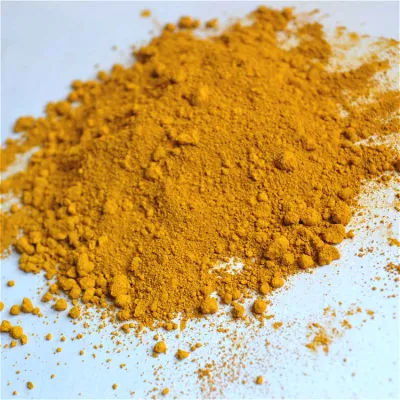
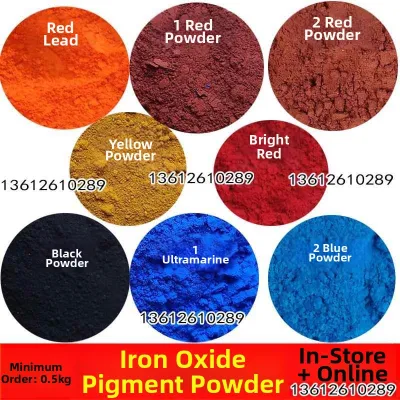
Iron oxides are the foundation of traditional earth pigments, offering a warm, natural spectrum that includes deep reds, ochre yellows, rich browns, and dense blacks. For a beginner, purchasing a multi-color starter set is highly practical because these primary earth tones can be blended to create an infinite variety of skin tones, landscapes, and architectural hues. Having a pre-selected set saves you from buying large, single-color jars before you understand how each pigment behaves with your chosen binder.
The ease of mixing a dry pigment into a liquid binder depends heavily on its particle size, often referred to as the grind or fineness. High-quality art pigments are finely milled to ensure they disperse evenly without leaving gritty textures or streaks in your finished paint. When evaluating a set, look for specifications indicating extra-fine or micronized powders, which require less physical effort to mull into a smooth paste. Coarser industrial-grade pigments may be cheaper, but they are difficult to disperse in delicate mediums like watercolor or acrylic.
Products mentioned in this guide
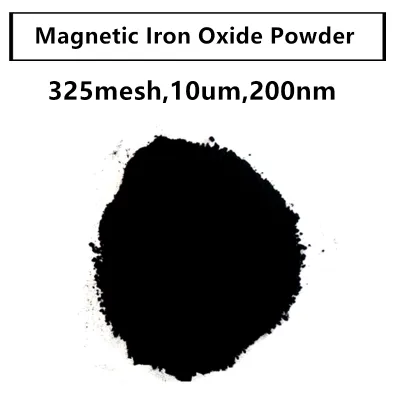
Prices are valid at publication and may change. Please refer to the product page for the latest price.
When choosing a beginner set, you will often see options labeled as natural or synthetic iron oxides. Natural iron oxides, such as raw sienna or red hematite, are mined directly from the earth and contain trace minerals that give them unique, subtle undertones. Synthetic iron oxides, on the other hand, are manufactured in controlled laboratory environments to ensure maximum purity, consistency, and tinting strength. For beginners, synthetic iron oxide sets are highly recommended because they offer predictable mixing behaviors and uniform color results across different batches.
One of the greatest advantages of iron oxide pigments is their exceptional resistance to fading when exposed to light. However, the purity of the powder determines whether this lightfastness is preserved over time. Check the product labels for the Color Index International designation, such as PR101 for synthetic red iron oxide or PY42 for synthetic yellow iron oxide. These codes confirm that you are buying pure mineral pigments rather than cheap fillers or dyed powders that will fade rapidly under Singapore’s bright, sunny conditions.
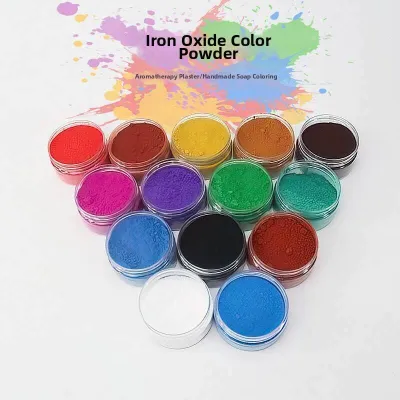
Dry pigment powders are incredibly messy and highly susceptible to airborne dispersion if not packaged correctly. For beginners, the ideal set comes in wide-mouth, screw-top plastic jars rather than flimsy plastic bags or zip-top pouches. Screw-top jars provide a secure seal that prevents moisture ingress—a crucial factor in Singapore’s humid climate—and allows you to scoop out precise amounts with a palette knife without creating a cloud of dust. Clear jars also make it easy to identify colors at a glance on your studio shelves.
How to Evaluate Art Brands for Reliable Pigment Sets
When shopping for art supplies in Singapore, you will encounter a wide range of brands, from premium European manufacturers to budget-friendly generic labels. Evaluating these brands systematically ensures you invest in pigments that are safe, consistent, and compatible with your creative projects. Reliable art brands prioritize transparency, providing detailed technical sheets and clear labeling on every container.

The first and most critical label to look for on any dry pigment container is the ASTM D4236 certification. This standard, established by the American Society for Testing and Materials, indicates that the product has been evaluated by a toxicologist and labeled with any necessary health warnings. Because dry powders can be inhaled easily, choosing brands that carry this certification ensures you are fully aware of any potential hazards and handling requirements before you open the jar.
In addition to safety labels, reputable pigment manufacturers clearly display lightfastness ratings on their packaging. The ASTM standard for lightfastness uses Roman numerals, where ASTM I represents excellent lightfastness and ASTM II indicates very good lightfastness. For iron oxides, which are naturally highly stable, a reputable brand will proudly display these ratings, giving you confidence that your artwork will remain vibrant for decades without shifting color.
Before purchasing a pigment set, it is vital to verify its compatibility with the specific binders you plan to use. While iron oxides are generally highly versatile and compatible with almost all mediums—including oil, acrylic, watercolor, tempera, and encaustic—certain synthetic variations might require specific wetting agents to mix smoothly with water-based binders. Checking the manufacturer’s compatibility charts ensures you do not waste time trying to mix a hydrophobic pigment into a water-based medium without the necessary additives, such as a drop of isopropyl alcohol or a dedicated surfactant.
Understanding the difference between student-grade and professional-grade pigment sets helps manage expectations regarding performance and cost. Student-grade sets often contain added inert fillers, such as chalk or barium sulfate, to reduce costs, which can result in less intense colors and a chalky finish. Professional-grade sets consist of pure, unadulterated pigments that offer maximum tinting strength, meaning you need to use far less powder to achieve a rich, saturated color.
A trustworthy pigment manufacturer provides comprehensive information about the origin of their raw materials and their compatibility with different binders. Check the brand’s official website or product inserts for technical data sheets that detail whether the iron oxide is natural or synthetic, its oil absorption index, and its suitability for specific mediums like acrylics, oils, lime plaster, or concrete. Brands that hide this information or use vague marketing terms should generally be avoided by beginners who need reliable, predictable materials.
Where to Buy Authentic Iron Oxide Powders in Singapore
For beginners, visiting a specialized brick-and-mortar art supply store in Singapore is highly recommended. Physical stores allow you to inspect the packaging firsthand, check the seals, and read the safety labels before making a purchase. Staff at dedicated art retailers are often knowledgeable about their inventory and can offer valuable advice on which binders or tools you will need to accompany your new pigment set.
If you prefer the convenience of online shopping, stick to established e-commerce platforms and official brand storefronts rather than unverified third-party sellers. Many reputable international art brands maintain official digital storefronts that ship directly to Singapore, ensuring you receive authentic, untampered products. When browsing online marketplaces, look for listings that explicitly state the brand name and provide clear photos of the product labels and ingredient lists.
Another excellent resource for sourcing high-quality pigments in Singapore is the art supply shops or cooperatives associated with local arts institutions, such as the Nanyang Academy of Fine Arts (NAFA) or the LASALLE College of the Arts. These shops are tailored specifically to the needs of art students and professionals, meaning they stock reliable, high-grade materials at competitive prices. While some of these shops are open to the public, others may require student identification, so it is wise to check their access policies beforehand.
Engaging with local art communities and online forums in Singapore can also provide valuable insights into where to source the best pigment sets. Local artists often share recommendations for niche suppliers, upcoming sales, or bulk-buying opportunities that can significantly reduce your startup costs. These communities are also excellent platforms for asking advice on how specific brands of iron oxide behave under Singapore’s unique environmental conditions, helping you avoid common pitfalls and make more informed purchasing decisions.
When purchasing from third-party vendors on online platforms, exercising caution is essential to avoid counterfeit or low-grade industrial pigments. Check the seller’s ratings, read customer reviews specifically mentioning the quality of the packaging and delivery, and verify their return policy. A reputable seller should offer a clear return window if the product arrives damaged, clumped, or with broken seals, which is particularly important for dry powders that can easily ruin other items in transit if they leak.
Safety and Handling Essentials for Dry Powder Pigments
Working with dry iron oxide powders requires a strict commitment to safety, as inhaling fine mineral dust can cause respiratory irritation over time. Before opening any pigment container, put on a well-fitting particulate respirator, such as an N95 mask, to filter out airborne particles. Wearing nitrile or latex gloves is also highly recommended, as iron oxides have strong staining properties that can be difficult to wash off your skin and nails.
Setting up your workspace correctly is key to minimizing the spread of pigment dust throughout your home. Work in a well-ventilated area, preferably near an open window with a gentle breeze blowing away from you, or use a dedicated exhaust fan. Avoid working in drafty rooms or directly under ceiling fans, as sudden gusts of air can scatter the fine powder across your work surface and into the surrounding environment. Laying down damp paper towels or a plastic sheet can help catch any stray particles before they settle on your furniture.
Singapore’s high humidity poses a significant challenge for storing dry pigment powders, as moisture can cause the particles to clump together and make them difficult to disperse. Store your iron oxide sets in an airtight container, such as a plastic storage tub with a rubber seal, and keep them in a cool, dry cupboard away from direct sunlight. Adding a few silica gel packets to the storage container is an excellent, low-cost way to absorb any ambient moisture and keep your powders dry and free-flowing.
Cleaning up after a painting session must be done carefully to avoid kicking up settled dust back into the air. Use damp cloths or wet paper towels to wipe down your glass muller, palette knives, and work surfaces, as wet cleaning traps the pigment particles and prevents them from becoming airborne. Never use a dry broom or a standard household vacuum cleaner without a HEPA filter to clean up dry pigment spills, as this will simply disperse the fine dust throughout your living space. Dispose of contaminated cleaning materials in a sealed plastic bag in accordance with local waste disposal guidelines.
Frequently Asked Questions (FAQ)
Can you mix iron oxide powders directly into any paint medium?
While it is tempting to simply stir dry iron oxide powder directly into an acrylic binder, oil medium, or watercolor base, doing so often results in clumping, uneven color distribution, and poor adhesion. To achieve a smooth, professional-grade paint, you must properly disperse the pigment particles within the binder. This is typically done using a glass muller and a textured glass slab, which physically grinds the pigment clumps and coats each individual particle with the binder. For water-based mediums, using a small amount of dispersing agent or alcohol can help wet the hydrophobic iron oxide powder, ensuring a seamless and stable mixture.
How long will your dry iron oxide powders last in storage?
Because iron oxides are inorganic mineral pigments, they are incredibly stable and do not degrade, fade, or spoil over time like organic pigments can. Under ideal storage conditions, dry iron oxide powders can last indefinitely, remaining highly usable for decades. The primary threat to their longevity is moisture contamination, which can lead to clumping or mold growth if organic binders are accidentally introduced into the jar. By keeping your jars tightly sealed, storing them in a low-humidity environment with silica gel packets, and always using clean, dry tools to scoop out the powder, you can ensure your pigment set remains in pristine condition for all your future projects.

Community discussion
Share your experience or ask a question. Comments are reviewed before publication.