
Choosing between an Arcliyc magnetic board and alternative brands for your classroom requires a careful look at physical dimensions, surface materials, and magnetic receptivity. While some boards are designed for heavy-duty, permanent installation in large lecture halls, others offer lightweight versatility that suits flexible learning spaces and smaller tuition centres. By verifying how each option handles daily writing, frequent erasing, and the weight of educational manipulatives, you can select a board that supports your teaching style without disrupting your lessons.
In busy educational environments, a whiteboard is more than just a writing surface; it is the central hub for visual learning. The right choice prevents common classroom frustrations like ghosting markers, sliding magnetic letters, and unstable mounting. Evaluating these factors before making a purchase ensures your investment serves your students effectively over the school year.
Defining Classroom Needs: Size, Surface, and Magnetic Receptivity
Before comparing specific brands, you must establish the physical and functional requirements of your classroom space. The first step is determining the required board dimensions based on your available wall space and student visibility. In a standard classroom or tuition centre, students sitting at the back must be able to read standard-sized handwriting and clearly see visual aids. Measuring the wall area while keeping clearance for doors, light switches, and existing fixtures will help you narrow down the appropriate board size.
Products mentioned in this guide
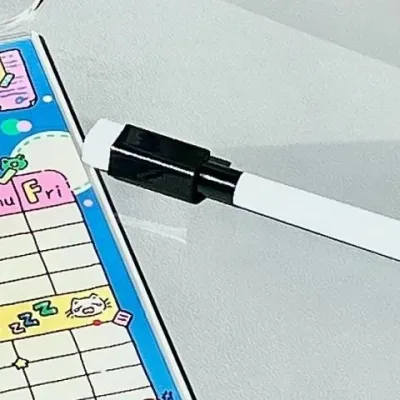
![🇸🇬 [In Stock]Magnetic Board Clear Acrylic Calendar Board Fridge Magnet Dry Erase Board Planner Daily Weekly Monthly Schedule](https://img.lazcdn.com/g/p/9825d932826324a771fc1554bdd6e9ec.jpg_400x400q80.jpg_.webp)
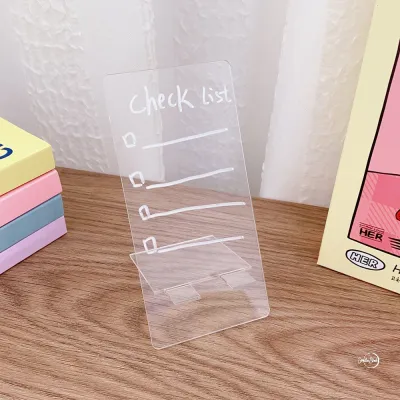
Prices are valid at publication and may change. Please refer to the product page for the latest price.
Next, consider the preferred surface type for your daily teaching routines. Dry-erase whiteboards are the standard in modern classrooms, but they require careful consideration regarding marker compatibility and cleaning. If your curriculum involves heavy writing, you need a surface that resists staining and allows quick, clean erasing between lessons. In humid tropical climates, moisture can cause marker ink to dry differently, making surface quality even more critical to prevent permanent ghosting.
Finally, establish the minimum magnetic strength required for your teaching tools. Classroom boards must do more than just hold lightweight magnets; they often need to support plastic magnetic letters, heavy laminated flashcards, and thick chart paper. A board with weak magnetic receptivity will cause teaching aids to slide down, interrupting the flow of your lesson. Identifying the heaviest items you plan to display will guide you in choosing a board with a sufficiently robust magnetic core.
Evaluating the Arcliyc Magnetic Board
When considering the Arcliyc board, start by verifying the manufacturer’s stated surface material. Knowing whether the surface is made of painted steel, porcelain, or a specialized polymer helps you predict how it will perform under daily use. To ensure long-term usability, check the product specifications for marker compatibility and consider testing a small, inconspicuous corner with standard dry-erase markers to verify how easily the ink wipes away without leaving residue.

Physical dimensions and weight are equally important to verify against your classroom’s structural constraints. A larger board offers more writing space but also carries significant weight, which affects how it must be mounted. Review the product details for the exact weight of the Arcliyc board and inspect the included mounting hardware. If your classroom features drywall or partition walls, you must ensure the wall can support the board’s weight and that you have the appropriate anchors.
Inspect the magnetic receptivity of the Arcliyc board by reviewing product labels or user guides. Since magnetic strength depends on the thickness and quality of the metal backing behind the writing surface, look for indications of a solid steel core. If possible, perform a hands-on test using standard classroom magnetic letters and heavier educational charts to observe if they remain securely in place or slide down the surface.
How Competing Brands May Differ in Educational Settings
Alternative magnetic boards on the market vary widely in their construction, durability, and performance. Surface durability is a primary point of differentiation, with materials ranging from budget-friendly painted steel to premium porcelain and tempered glass. Porcelain surfaces are highly scratch-resistant and non-porous, making them exceptionally resistant to ghosting and staining even with intensive daily use. Glass boards offer a sleek, modern aesthetic but often require specialized, extra-strong rare-earth magnets to work effectively due to the thickness of the glass layer.
Frame construction and safety features also differ significantly across brands. Educational settings require robust frames, typically made of anodized aluminum or reinforced plastic, to withstand accidental bumps from students. Look for boards designed with rounded plastic corner caps rather than sharp metal edges to minimize the risk of minor injuries in active classrooms. Additionally, compare the stability and depth of the included marker trays, as a flimsy tray can easily spill markers and erasers when brushed against.
Variations in the magnetic core thickness directly impact how well competing boards hold teaching aids. Budget-conscious brands may use thinner steel sheets to reduce manufacturing and shipping costs, which results in a weaker magnetic pull. If your teaching style relies heavily on thick magnetic manipulatives, interactive calendars, or heavy poster boards, investing in a brand that specifies a thick, high-receptivity steel backing is essential to prevent constant slipping.
Decision Framework: Choosing the Right Board for Your Classroom
To make an informed choice, use a conditional decision framework that matches each board’s verified specifications to your specific classroom environment. Choose the Arcliyc board if its verified dimensions, surface material, and magnetic strength align with your daily lesson plans and fit comfortably within your allocated wall space. It represents a practical option if your teaching relies on standard dry-erase markers and lightweight magnetic letters that do not require specialized heavy-duty backing.
Conversely, you should opt for a competing brand if your classroom demands specialized features not found in the Arcliyc specifications. For instance, if you are outfitting a high-traffic university lecture hall or a science lab where the board is written on and erased constantly throughout the day, a heavy-duty porcelain-on-steel board may be more suitable. Similarly, if your school requires mobile teaching stations, look for alternative brands that offer double-sided magnetic boards mounted on sturdy, lockable rolling casters.
Before finalizing any purchase, verify that the mounting hardware provided by your chosen option complies with your school’s facility management and safety guidelines. Some educational institutions have strict protocols regarding wall-mounted fixtures, requiring specific load-bearing anchors or professional installation services. Ensuring compliance beforehand prevents costly delays and guarantees a safe learning environment for your students.
Installation and Maintenance Checks for School Environments
Proper installation is critical to ensuring the safety and longevity of your magnetic board. Always review the manufacturer’s installation instructions thoroughly before drilling into classroom walls. Confirm whether your wall type—be it concrete, brick, or drywall—requires specialized wall plugs or anchors. Ensuring the board is perfectly level and securely fastened at all mounting points prevents the board from shifting or vibrating when written on.
Once the board is mounted, perform a thorough safety check before allowing students near it. Inspect the entire perimeter for any sharp metal edges or exposed screws that could snag clothing or cause scratches. Shake the marker tray gently to verify it is securely attached and can hold the weight of several markers and erasers. Finally, apply moderate pressure to different areas of the board to ensure there is no flexing or wobbling, which can distract students and make writing difficult.
Maintaining the board’s surface quality requires a consistent cleaning routine recommended by the manufacturer. Use high-quality dry-erase markers and replace erasers regularly to avoid grinding old ink dust back into the surface. For weekly maintenance, wipe the board down with a damp microfiber cloth or a specialized whiteboard cleaning spray to remove accumulated oils and ghosting. Avoid using abrasive cleaners, window sprays, or harsh chemical solvents, as these can permanently strip the protective topcoat, ruining both the erasability and the visual clarity of your board.
Frequently Asked Questions (FAQ)
Do standard magnetic letters work on all classroom magnetic boards?
Standard plastic magnetic letters do not perform the same on all boards because magnetic receptivity depends entirely on the thickness and material of the board’s metal backing. Some budget boards or glass whiteboards have a very thin metal layer or a thick front surface that weakens the magnetic pull, causing lightweight plastic letters to slide down. To ensure compatibility, check the manufacturer’s specifications regarding magnetic strength or test a sample letter on the board before purchasing a full set for your classroom.
How can I test a board's magnetic strength before mounting it?
You can easily test a board’s magnetic strength while it is resting flat on a table or clean floor. Place the heaviest magnetic manipulatives, laminated charts, or flashcards you plan to use daily onto the board’s surface. Slowly lift the board to a vertical position to observe if the items remain securely in place, slide down, or fall off entirely. This simple test allows you to verify the board’s holding power safely before committing to drilling holes in your classroom wall.

Community discussion
Share your experience or ask a question. Comments are reviewed before publication.