
Choosing the right African fabric for your next sewing project depends on the structure of your garment, the complexity of your pattern, and the weight of the textile. Selecting the wrong type can lead to bulky seams, poor drape, or sewing machine tension issues.
For structured, tailored garments that require a crisp silhouette, Dutch Wax provides an excellent, firm cotton base. If you are designing everyday apparel with a softer drape and versatile movement, Ankara offers a highly adaptable medium-weight cotton option. For highly structured, ceremonial, or statement pieces that demand a thick, textured weave, Kente stands out as the traditional choice.
Before making a final purchase, always verify the specific manufacturer’s material blend and care instructions on the label. Modern productions can vary significantly in fiber content, finish, and washability, making physical inspection and label verification essential steps for a successful project.
Products mentioned in this guide
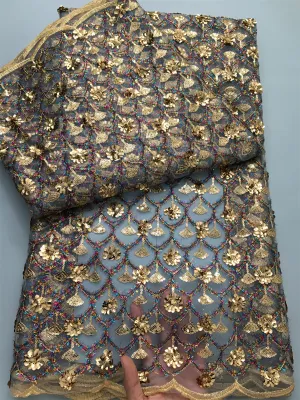
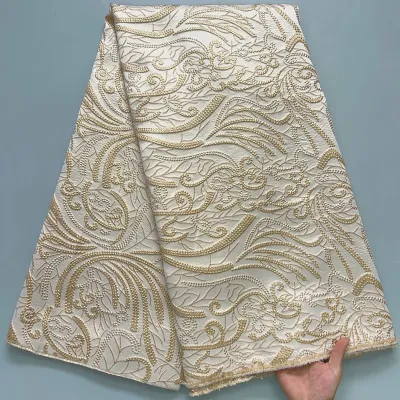
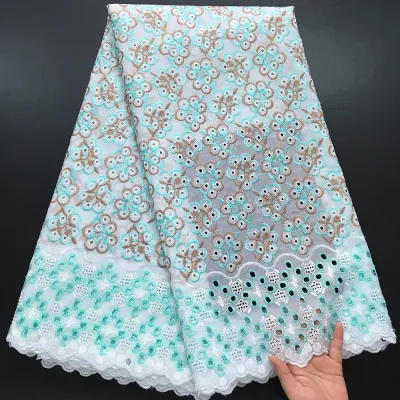
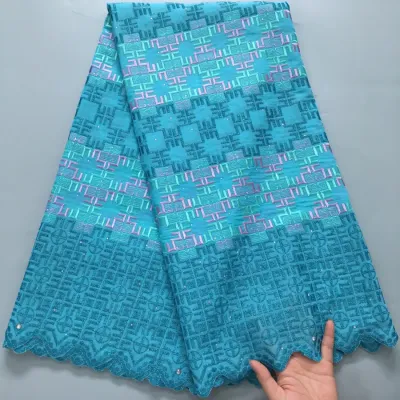
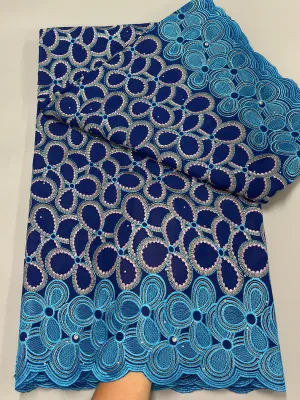
Prices are valid at publication and may change. Please refer to the product page for the latest price.
Defining Ankara, Kente, and Dutch Wax
Ankara fabric, often referred to as African wax print, is characterized by its vibrant, non-directional or directional patterns printed on a 100% cotton base. Historically inspired by Indonesian batik, the manufacturing process involves a wax-resist dyeing method that leaves subtle, organic imperfections or crackles in the dye. This gives each batch a unique character. Ankara is highly favored for everyday clothing, casual dresses, and accessories due to its breathability and medium weight.
Unlike printed fabrics, traditional Kente is a woven textile originating from West Africa, historically made from interwoven strips of silk and cotton. Today, you will find Kente in various forms, including handwoven strips, broader loom-woven fabrics, and printed imitations. Authentic woven Kente features geometric patterns and rich colors with a distinct, heavy texture. When purchasing, check the label for fiber blends such as cotton, silk, or rayon, which dictate the fabric’s weight, sheen, and structural stiffness.
Dutch Wax, or wax hollandais, is a premium category of wax-printed cotton fabric. It is manufactured using a highly detailed resin-resist printing process that ensures the design is equally vibrant on both the face and the reverse side of the textile. You can identify genuine Dutch Wax by its exceptionally crisp hand-feel, high thread count, and the presence of double-sided pattern alignment markers along the selvage. These markers indicate precise registration during the multi-stage dyeing process.
Because terms like Ankara and Kente are sometimes used loosely by retailers to describe print styles rather than structural types, always inspect the product label. Verify the actual fiber content, such as 100% cotton versus polyester blends, and the country of origin to ensure the textile matches your project’s performance expectations.
Evaluating Weight, Pattern Durability, and Workability
To assess the weight of your fabric, handle a section of the drape. Ankara typically behaves like a standard quilting cotton or medium-weight broadcloth, making it easy to gather, pleat, or drape into casual skirts and shirts. Kente, especially woven varieties, is significantly heavier and stiffer, lending itself to structured jackets, stoles, or decorative panels rather than fluid, flowing garments. Dutch Wax sits on the heavier side of medium-weight cottons due to its dense weave and resin finish, offering a structured drape that holds its shape well in tailored dresses and structured blazers.

Pattern longevity depends heavily on dye penetration and colorfastness. Examine the reverse side of the fabric; high-quality wax prints like Dutch Wax will show nearly identical color intensity on both sides, indicating deep dye penetration that resists fading over time. For Ankara and printed Kente styles, a lighter reverse side suggests a surface print, which may fade more quickly with frequent washing. Always look for colorfastness labels or care instructions, and perform a quick rub test with a damp white cloth on an inconspicuous corner to check for immediate dye transfer.
Sewing these fabrics requires adjusting your machine settings and tools. Standard woven cottons like Ankara are highly workable, requiring a universal needle (size 80/12) and standard polyester thread. Heavily waxed textiles, such as fresh Dutch Wax, can present resistance when passing through the machine. The wax or resin coating can cause skipped stitches or build up residue on your needle. To counter this, use a sharp denim or microtex needle (size 90/14) and slightly loosen your upper thread tension. For heavy woven Kente, a larger needle and a longer stitch length are necessary to navigate the thick, multi-layered seams without breaking thread.
Inspecting a 5-Yard Cut Before Purchase
A standard 5-yard cut, which is approximately 4.57 meters, is a common packaging size for African textiles, but actual dimensions can vary. Unroll the bundle to verify the continuous length and check for manufacturing flaws such as misaligned prints, dye smudges, or uneven dye lots. Look closely at the selvage for any pinholes or tears that could reduce the usable width of the fabric.
Run your hands over the entire length of the fabric to evaluate its stiffness. Some manufacturers apply heavy starch or wax finishes to protect the fabric during shipping and display. While this stiffness is normal, excessive surface residue can gum up your sewing machine’s feed dogs and needle eye. If the fabric leaves a noticeable waxy or powdery residue on your fingers, it will require thorough preparation before it reaches your sewing machine.
Cotton textiles are prone to shrinkage, often losing 5% to 10% of their size during the first wash. Before cutting your pattern pieces, follow the manufacturer’s care label instructions for pre-washing. If no label is present, a safe approach is to hand wash or machine wash a small swatch on a gentle cycle with cold water to observe shrinkage and color bleeding. Once washed and dried, press the fabric with a hot steam iron to remove any remaining packing creases and stabilize the grainline.
Decision Framework: Choosing Your Fabric
To streamline your selection process, use the following guidelines based on your specific project needs:
- Choose Ankara if you are sewing everyday apparel, casual dresses, shirts, or children's clothing. It offers a versatile, medium-weight cotton base that is easy to wash, comfortable to wear in warm climates, and highly workable for sewists of all skill levels.
- Choose Kente if you are creating structured ceremonial garments, statement stoles, home decor items, or heavy jackets. Ensure you are prepared to handle thicker seams and adjust your sewing machine settings for a heavier, textured weave.
- Choose Dutch Wax if your project demands a highly structured silhouette, such as a tailored blazer, a structured pencil skirt, or an evening gown. It is ideal when you require vibrant, double-sided patterns and a crisp, premium hand-feel that holds its shape.
Before starting any project, verify if your chosen fabric requires specialized lining to protect the skin from stiff fibers, interfacing to support collars and cuffs, or specific needle adjustments to prevent fabric damage during construction.
Frequently Asked Questions (FAQ)
Do I need to pre-wash Ankara, Kente, or Dutch Wax before sewing?
Yes, pre-washing is highly recommended for all three fabric types to prevent post-construction shrinkage and remove excess dye or manufacturing starches. Always check the care label first for specific temperature and cycle recommendations. To test for color bleeding before washing the entire 5-yard cut, submerge a small scrap of the fabric in warm water with a mild detergent for a few minutes, then press it against a white paper towel to check for dye transfer.
Why does my 5-yard African fabric feel unusually stiff?
The initial stiffness is typically caused by temporary finishing agents, such as starch, wax, or resin, applied during the manufacturing process to keep the fabric crisp, protect the designs, and prevent creasing during shipping. This stiffness is not permanent. Washing the fabric according to the care instructions will dissolve these temporary finishes, revealing the natural softness, drape, and breathability of the underlying cotton or fiber blend.
Can I use standard sewing machine needles for all three fabric types?
While a standard universal needle (size 80/12) works well for pre-washed, medium-weight Ankara, it may not be suitable for all three types. For stiff, unwashed Dutch Wax or fabrics with heavy resin coatings, a sharp microtex or denim needle (size 90/14) is better suited to pierce the dense fibers without bending. For heavy, handwoven Kente, use a larger needle (size 90/14 or 100/16) and increase your stitch length to ensure smooth feeding and prevent skipped stitches over thick seams.

Community discussion
Share your experience or ask a question. Comments are reviewed before publication.