
Navigating the bustling transit network of Singapore becomes a much more personalized experience when you swap a standard transit card for an anime NETS FlashPay card. These specially designed cards blend daily utility with official artwork from beloved global franchises, making them highly sought-after items for both daily commuters and dedicated collectors. Finding the perfect card requires a clear understanding of the available formats, where to source authentic designs, and how to evaluate them based on your personal usage or collection goals.
To make an informed choice, you must first decide whether your card will serve as a rugged daily commuter tool or a pristine collector’s piece. Standard rectangular cards offer the highest physical durability and slot easily into any wallet, while unique charm and die-cut formats provide an eye-catching way to showcase your fandom on a lanyard or bag. By understanding the retail landscape in Singapore and learning how to protect these limited-edition items, you can secure a functional piece of memorabilia that stands the test of time.
Understanding Anime NETS FlashPay Card Formats
Standard ISO-Size Cards
The standard ISO-size format is the most common and practical option for the average commuter. Measuring exactly 85.60 mm by 53.98 mm, these flat plastic cards feature full-wrap, high-resolution anime artwork printed directly onto a durable PVC or PET substrate. Because they conform to standard credit card dimensions, they slide easily into wallet slots, phone card sleeves, and standard cardholders. This flat profile protects the internal RFID antenna from bending or flexing, ensuring a highly reliable and consistent tapping experience at MRT gantries, bus card readers, and retail payment terminals across Singapore.
Products mentioned in this guide
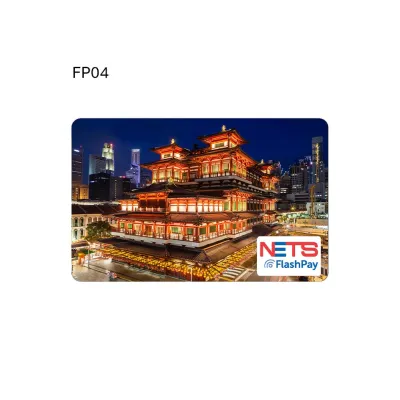
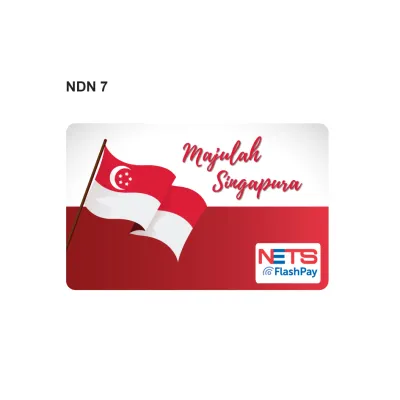
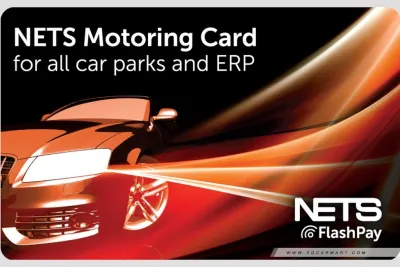
Prices are valid at publication and may change. Please refer to the product page for the latest price.
Keychain and Charm Formats
For fans looking for a more visible way to display their favorite characters, keychain and charm formats offer a highly appealing alternative. These compact, thick acrylic or epoxy-coated charms house a miniature RFID chip and a tightly wound internal antenna. They usually come equipped with a sturdy metal clasp, key ring, or fabric strap, allowing you to attach them directly to your backpack, handbag, or lanyard. While they serve as excellent decorative accessories, they require more careful handling than standard cards, as dangling charms are more vulnerable to physical impacts, scratches, and accidental detachment during crowded peak-hour commutes.
Custom or Die-Cut Shapes
Die-cut cards break away from the traditional rectangular template to follow the physical outline of a specific character, mascot, or iconic weapon. These eye-catching designs are highly prized by collectors for their unique visual appeal and novelty. However, their irregular borders mean the internal antenna must be customized to fit the shape, which can sometimes result in a smaller electromagnetic sweet spot. When using a die-cut card at a transit gantry, you may need to align the card more precisely flat against the reader surface to ensure the transaction registers successfully.
Lanyard and Sleeve Bundles
Premium collaborative releases frequently hit the market as part of curated merchandise bundles. These sets typically include the anime card alongside themed accessories, such as a matching faux-leather cardholder, a custom-printed neck lanyard, or a protective sliding sleeve. Investing in these bundles is an excellent way to secure a complete, cohesive collector’s set while obtaining immediate physical protection for your card. The included holders are designed to display the card’s artwork clearly while shielding it from daily wear and tear.
Where to Discover Available and Past Anime Collaborations
Official Transit Channels
To stay ahead of new releases and avoid inflated secondary market prices, your first point of reference should always be the official NETS website and their verified social media channels. The issuer regularly announces upcoming pop-culture collaborations, complete with official launch dates, retail pricing, and participating distribution outlets. Checking these announcements early allows you to plan your purchases, especially for highly anticipated anime titles that are expected to sell out quickly upon release.

Authorized Retail Partners
In Singapore, physical stock of newly launched anime cards is distributed through a reliable network of authorized retailers. Major convenience store chains, such as 7-Eleven and Cheers, are primary locations where these cards are stocked at the counter. Additionally, specialized pop-culture retail shops, hobby stores, and select transit hubs carry official stock. Because inventory levels can vary significantly between different neighborhoods, visiting high-traffic retail outlets or calling ahead to confirm stock availability can save you unnecessary travel time.
Online Marketplaces and Collector Communities
If you are searching for past, out-of-print anime designs that are no longer available at retail stores, local online marketplaces and peer-to-peer ecommerce platforms are invaluable resources. When purchasing from independent sellers, it is critical to exercise caution to ensure you receive an authentic, functional card. Always request clear, close-up photos of both the front and back of the card to verify that the 16-digit Card Access Number (CAN) is fully legible and has not been tampered with. Be sure to confirm whether the card is sold completely brand new and unactivated, as used cards may still be linked to a previous owner’s account or have expired validity.
Release Cycles and Limited Runs
Understanding the distinction between evergreen designs and limited-edition drops is essential for managing your purchasing expectations. Some classic anime franchises or mascot designs enjoy semi-regular production runs, making them relatively easy to find at standard retail prices over an extended period. Conversely, blockbuster anime movie tie-ins or seasonal promotional releases are typically manufactured in strictly limited quantities. Once the initial production batch is exhausted, official retailers will not restock the design, meaning you must act quickly during the initial launch window to secure the card at its standard retail price.
How to Choose the Right Anime Card for Your Goals
Daily Commuter vs. Collector
Your primary motivation for buying an anime card should dictate the specific format and quantity you purchase. If your main goal is to add a touch of personality to your daily commute on the MRT and bus network, prioritize standard-sized cards that fit securely inside your wallet or a protective cardholder. The flat surface is built to withstand constant friction and tapping. If you are a dedicated collector aiming to preserve the card’s long-term value, you might consider purchasing two copies: one to use for your daily travels and a second copy to keep entirely pristine, unactivated, and sealed in its original packaging for display purposes.
Artwork and Character Preference
Take the time to evaluate the print quality and overall design aesthetic of the card before making a purchase. High-quality official collaborations feature vibrant color saturation, crisp linework, and premium finishes, such as holographic overlays, matte textures, or metallic foil accents. Consider whether you prefer a design that prominently features a single favorite character, a dynamic group ensemble, or a subtle, minimalist series logo. A more understated, logo-focused design can be a great option if you plan to use the card in professional or corporate environments where you prefer to keep your hobbies low-profile.
Cost and Accessibility
Standard NETS FlashPay cards generally carry a modest card issuance fee, which typically ranges from S$5 to S$12 and does not include any pre-loaded transit value. Premium collaborative bundles, custom charms, and limited-edition releases command higher price points, often ranging from S$12 to S$30 depending on the complexity of the packaging and included accessories. When deciding on a card, weigh the official retail price against the time and effort required to secure it, such as queuing up at physical stores on launch day or paying a premium to secondary market sellers for highly coveted, sold-out designs.
Gifting Considerations
An anime-themed transit card makes a highly practical and thoughtful gift for friends, family, or colleagues who rely on public transport in Singapore. When selecting a card as a gift, opt for universally recognized and classic anime franchises to ensure the design resonates with the recipient. Always ensure you purchase a brand-new, unactivated card with zero stored value, allowing the recipient to register the card under their own name, link it to their preferred mobile payment applications, and top it up with their desired balance before their first journey.
Practical Tips for Using and Protecting Collectible Cards
Protecting the Artwork
The beautiful printed graphics on anime cards are susceptible to scratches, fading, and peeling over time due to constant friction against wallet slots, coins, and keys. To preserve the pristine condition of the artwork, slide your card into a clear, acid-free, non-PVC protective card sleeve before placing it in your wallet or cardholder. Non-PVC materials are crucial, as standard PVC sleeves contain plasticizers that can migrate over time, causing the printed ink of the anime artwork to stick to the plastic and peel off when removed.
Handling Die-Cut and Charm Cards
Irregularly shaped cards and keychain charms require a slightly different physical approach at transit gantries and retail payment terminals. Instead of tapping the charm aggressively or slapping it against the reader, hold the charm flat and steady against the center of the scanning pad for a full second. Avoid twisting, bending, or pulling on the attachment ring of the charm, as excessive physical stress can damage the delicate internal copper wire antenna, leading to intermittent connection issues or permanent card failure.
Avoiding Environmental Damage
Singapore’s hot and humid tropical climate can pose a threat to the physical integrity of plastic transit cards. Never leave your collectible cards in areas exposed to extreme heat, such as on a car dashboard parked directly under the sun or near heat-emitting electronic appliances. Prolonged exposure to high temperatures can cause the card’s plastic layers to warp, bend, or delaminate, which can ruin the printed artwork and permanently damage the internal microchip. Additionally, keep your cards dry and avoid storing them in damp environments to prevent moisture buildup inside protective sleeves.
Tracking Card Numbers
Every NETS FlashPay card features a unique 16-digit Card Access Number (CAN) printed clearly on the back. As soon as you purchase a new anime card, take a clear photograph of the back of the card and save the purchase receipt in a secure location. This serial number is essential for registering your card on the official mobile app, tracking your transaction history, and managing top-ups. More importantly, if your physical card is lost, stolen, or damaged, having this serial number is mandatory for reporting the incident to the issuer and initiating the process to recover and refund any remaining stored balance.
Frequently Asked Questions (FAQ)
Can I reload my limited-edition anime NETS FlashPay card at standard top-up machines?
Yes, anime-themed cards function identically to standard cards when it comes to reloading and managing your stored value. You can top up your card at any local transit station ticketing machine, convenience store, or supported self-service kiosk across Singapore. Additionally, you can use NFC-enabled smartphones to top up your card directly via supported mobile applications. If you are using a non-standard format like a miniature charm, ensure you place the charm flat on the designated mobile scanning area or the ticketing machine’s reader pad to establish a stable connection.
Do anime-themed NETS FlashPay cards expire or lose their stored value?
Yes, all NETS FlashPay cards, including limited-edition anime designs, have a physical validity lifespan of 7 years from their date of manufacture. You can easily check the exact expiry date of your card by tapping it at any transit station ticketing machine, checking your receipt after a top-up, or registering the card on the official mobile app. Once the card reaches its expiry date, it can no longer be used for transit rides or retail payments, though you can still apply for a refund of any remaining stored balance within the permitted refund window.
Is it possible to transfer the balance from a damaged anime card to a new one?
If your anime card becomes physically damaged or stops registering at payment terminals, you can submit a refund request through the issuer’s official customer service channels or visit a SimplyGo Ticket Office at designated MRT stations. The remaining stored value on the damaged card can be refunded directly to your bank account or transferred to a new standard transit card. However, please note that the physical, limited-edition anime card itself cannot be replaced by the transit authority, as they do not keep stocks of past or limited collaborative designs; you will, however, be allowed to keep your deactivated physical card as a collectible item.

Community discussion
Share your experience or ask a question. Comments are reviewed before publication.