
Selecting the right packaging is the difference between a successful delivery and a damaged return. Air column bags offer superior shock absorption compared to traditional bubble wrap, but choosing the wrong configuration can leave your items vulnerable. To get the best protection, you must match the bag’s structural design to your product’s shape, weight, and existing packaging.
For most fragile items, a Q-type bag provides the most secure, all-around cushioning by fully enclosing the product. If you are shipping boxed goods that only need corner reinforcement, an L-type bag is more efficient. For custom shapes or high-volume packing of varied items, perforated air column sheets offer the greatest flexibility. Understanding these differences allows you to minimize shipping damage and optimize your packaging costs.
Assessing Your Item's Shape and Vulnerability Points
Before purchasing any packaging materials, you must evaluate the physical geometry of the item you plan to ship. Cylindrical objects, such as glass bottles, inkwells, or cosmetic jars, have different structural weak points than flat, rectangular items like tablet screens or framed art. A cylindrical item is highly susceptible to lateral impacts, whereas a flat item is most vulnerable to direct face impacts and corner drops.
Products mentioned in this guide
![Inflatable air packaging column 100 cm length [SG SELLER]](https://img.lazcdn.com/g/p/d53781b2c27f5b99411f3fff3344ab89.jpg_400x400q80.jpg_.webp)
Prices are valid at publication and may change. Please refer to the product page for the latest price.
Next, identify the specific high-risk zones on your product. For glass bottles, the neck is the thinnest and most fragile area, requiring extra cushioning to prevent snapping. For electronic devices or stationery gift sets, the corners bear the brunt of the force during a drop. If these corners are not isolated from the outer shipping box, the impact will transfer directly to the product, causing structural or cosmetic damage.
Finally, consider whether your item already has primary packaging. A product housed in a rigid cardboard box may only require localized buffering at the corners to prevent shifting inside the shipping carton. Conversely, a bare, unboxed item requires complete, multi-layered isolation from all sides. Assessing these factors prevents you from under-protecting fragile goods or over-spending on unnecessary packaging volume.
Understanding the Main Air Column Bag Configurations
Air column packaging relies on a series of contiguous, independent air chambers. If one chamber punctures during transit, the remaining columns stay fully inflated to maintain protection. These chambers are manufactured in several distinct shapes to accommodate different product profiles.

Q-Type Bags for 360-Degree Enclosure
Q-type air column bags are designed to wrap completely around an object, folding over at the top to create a fully enclosed, pressurized sleeve. This structure ensures that every surface of the item is shielded by a continuous barrier of air. The self-wrapping design naturally conforms to the shape of the object, holding it securely in place so it cannot slide out during transit.
These bags are highly effective for uniform, cylindrical, or boxy items that require comprehensive impact absorption. Because the air columns cover the top, bottom, and sides, Q-type bags are the standard choice for high-value fragile items. They eliminate the need for additional tape or wrapping, as the pressure of the inflated columns keeps the enclosure tightly shut around the product.
L-Type Bags for Targeted Edge Protection
L-type air column bags feature an open-ended, sleeve-like design that forms an “L” shape when folded. Instead of enclosing the entire product, this configuration focuses its protective air chambers on the bottom and side edges of the item. The top and face of the product remain partially exposed, which reduces material use while still protecting the most vulnerable impact zones.
This design is best suited for items that already possess some structural rigidity, such as books, laptops, tablets, or boxed stationery sets. When placed inside an L-type bag, the corners of these rectangular items are suspended away from the walls of the outer shipping box. This targeted buffering provides excellent drop protection without the bulk of a fully enclosed bag.
Air Column Sheets for Custom Wrapping
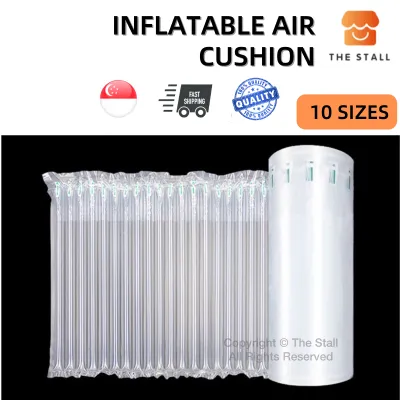
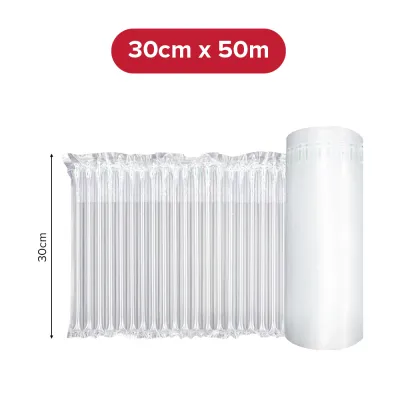
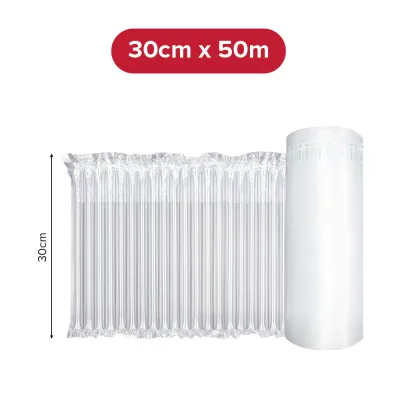
Air column sheets are flat, continuous rolls of air chambers that often feature perforated lines at regular intervals. This design allows you to tear off the exact length of material needed for a specific item, functioning much like heavy-duty bubble wrap. You can wrap these sheets around irregularly shaped objects or use them to line the interior of shipping boxes.
Because they are flat before inflation, these sheets are highly versatile. They can be used as void fill to prevent items from shifting, as protective interleaving between flat items, or as a custom wrap for oversized goods. This flexibility makes them an excellent choice for businesses that ship a wide variety of product shapes and sizes and want to avoid stocking multiple bag dimensions.
How to Match the Right Bag Type to Your Products
To make a confident purchasing decision, you must align your product’s dimensions and shipping risks with the correct bag configuration. For example, if you are shipping a S$50 fountain pen set housed in a delicate presentation box, an L-type bag is ideal. It cushions the corners of the presentation box inside the shipping carton without adding excessive bulk that would require a larger, more expensive outer box.
For cylindrical items like specialty ink bottles, glass jars, or vacuum flasks, always choose a Q-type bag. The circular wrapping action of the Q-type bag ensures that the glass neck and base are completely isolated from external shocks. The snug fit prevents the bottle from shifting vertically, which is a common cause of leakage or breakage during rough handling.
When dealing with irregular items, such as ceramic desk organizers or multi-item stationery bundles, custom-cut air column sheets are the most practical solution. You can wrap each component individually to prevent them from clashing against one another inside the box. Secure the wrapped sheets with standard packaging tape to ensure they remain tightly bound during transit.
In some cases, combining packaging types yields the safest results. If you are shipping a heavy, fragile item, you can place it inside a Q-type bag for primary protection, and then use crumpled air column sheets as void fill to bridge any remaining gaps in the shipping box. This prevents the heavy item from gaining momentum and shifting inside the carton during transit.
Checking Material Specifications and Inflation Tools
Before finalizing your purchase, always verify the physical specifications on the product label or manufacturer’s datasheet. Pay close attention to the film thickness, which is typically measured in microns (such as 50, 60, or 75 microns). Thicker films offer higher puncture resistance and can support heavier loads, making them essential for sharp-edged or heavy items.
Verify the material composition of the bag. High-quality air column packaging is made from a co-extruded blend of Polyethylene (PE) and Polyamide (PA, commonly known as Nylon). The Nylon content is critical because it acts as a gas barrier, preventing air from slowly diffusing through the plastic over long transit times. Look for a higher percentage of Nylon if your items will be stored in warehouses or shipped over long distances.
Additionally, check the valve design. Modern air column bags feature automatic, one-way valves for each individual column. These valves seal themselves automatically under the backpressure of the inflated air, eliminating the need for heat sealing or manual tying. Ensure the valve design is compatible with your available inflation tools.
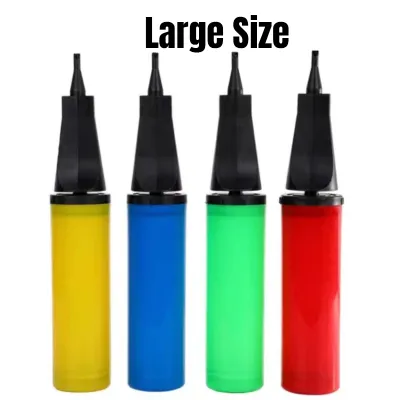
For low-volume shipping, a simple manual hand pump is sufficient and cost-effective. However, if you are packing dozens of orders daily, manual pumping is inefficient. In this scenario, look for bags that can be inflated using a small electric pump or a regulated air compressor. Always check the manufacturer’s recommended inflation pressure to avoid over-inflating and bursting the chambers.
Frequently Asked Questions (FAQ)
Can I reuse air column bags after they have been inflated?
Yes, you can reuse air column bags if they remain completely unpunctured and continue to hold air. Because of the one-way valve mechanism, standard air column bags cannot be easily deflated without inserting a long, thin tube (like a plastic straw) carefully into the inflation valve to release the air pressure. If you choose to deflate them for storage, do so gently to avoid tearing the delicate inner valve film. If a bag shows signs of slow deflation or visible wear, it should be discarded.
Do air column bags protect against temperature changes?
Air column bags are designed primarily for physical shock absorption and do not provide reliable thermal insulation. While the trapped air inside the columns offers a minor barrier against rapid temperature spikes, it will not protect temperature-sensitive items, such as wax-based stationery products or liquid inks, from extreme heat or cold. If you are shipping items sensitive to Singapore’s warm, humid climate, you should combine air column bags with specialized thermal liners or cold packs inside the shipping box.

Community discussion
Share your experience or ask a question. Comments are reviewed before publication.