
Selecting the ideal bubble wrap for your packaging needs requires a clear understanding of how bubble dimensions and plastic thickness interact to protect your belongings. Whether you are preparing a high-value S$500 collectible for courier transit or packing household goods for a local move, matching the material specifications to your items prevents costly damage. Using the wrong type of wrap can lead to popped bubbles, torn plastic, and broken items, while over-specifying can unnecessarily increase your shipping dimensions and material costs.
To make an informed decision, you must look beyond generic product names and evaluate the technical specifications of the packaging materials. By understanding how bubble diameter, bubble height, and film thickness work together, you can establish a reliable packing system that ensures your items arrive at their destination completely intact.
Understanding Bubble Wrap Specifications
When browsing packaging supplies, you will encounter two primary specifications: bubble size and material thickness. Bubble size refers to both the diameter and the height of the individual air pockets. The diameter determines the surface area coverage of each bubble, while the height determines the depth of the cushioning barrier between your item and external impacts. These dimensions directly dictate how much shock absorption the wrap can provide when a package is dropped or bumped during transit.
Products mentioned in this guide
![[SG] Bubble Wrap® 10m | Foam Roll 5m | Packing Tapes – Cushioning for Packing Moving Warehouse Use](https://img.lazcdn.com/g/p/5d1b2367f552267faa5f9fe7d51ee653.jpg_400x400q80.jpg_.webp)
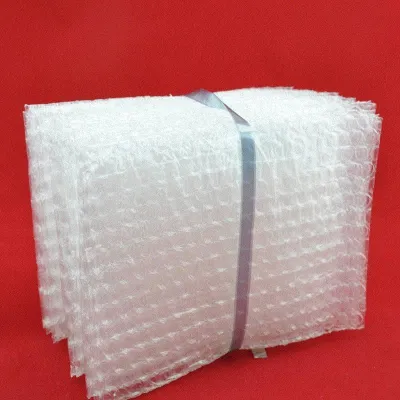
Prices are valid at publication and may change. Please refer to the product page for the latest price.
Material thickness, on the other hand, refers to the gauge or micron rating of the plastic film used to construct the bubbles. Measured in microns (µm), thickness determines the structural integrity, tear resistance, and puncture resistance of the wrap. A thicker film can withstand higher pressure before the bubbles burst, making it essential for heavier items or objects with sharp edges that could easily pierce standard plastic.
It is a common misconception that larger bubbles are always made of thicker plastic. In reality, these two specifications function independently. You can find large-diameter bubble wrap made from thin, light-duty plastic that pops easily under weight, as well as small-diameter bubble wrap constructed from heavy-duty, high-micron plastic designed for industrial use. Evaluating both specifications together, rather than treating them as interchangeable, is the key to selecting the right level of protection.
To verify the quality of a bubble wrap roll before committing to a large purchase, perform a simple manual test. Press firmly on a few individual bubbles with your thumb; they should resist moderate pressure without immediately popping or flattening. Additionally, try to stretch a small section of the flat plastic film. High-quality, durable wrap will stretch slightly and resist tearing, indicating good tensile strength and reliable polymer blending.
Matching Bubble Size to Item Shape and Fragility
Bubble wrap is generally categorized into three main bubble sizes: small, medium, and large. Small bubble wrap typically features bubbles with a diameter of 10mm and a height of 4mm. This low-profile design is highly flexible, allowing the wrap to conform tightly to complex shapes and delicate contours. It is the ideal choice for lightweight, flat, or highly intricate items such as glassware, small electronics, cosmetics, and ceramic figurines that require close-fitting, scratch-resistant protection.

Medium bubble wrap, featuring a bubble diameter of approximately 20mm, serves as a versatile, middle-ground option. It offers a balanced combination of flexibility and cushioning depth, making it suitable for standard household goods, books, framed artwork, and medium-sized decorative items. If you pack a wide variety of items and want to keep only one type of roll in your storage space, medium bubble wrap provides the most adaptable utility.
Large bubble wrap typically consists of bubbles with a diameter of 30mm and a height of 12mm or more. These prominent air pockets provide maximum shock absorption and deep cushioning, but the material is much stiffer and less conformable than smaller sizes. Large bubbles are ideal for heavy, bulky, or irregularly shaped items, such as small kitchen appliances, large pottery, and heavy tools. Because of their volume, large bubbles also serve as an excellent void fill to prevent items from shifting inside a shipping box.
When choosing a bubble size, consider the fragility and weight distribution of the item. Highly fragile items with delicate protrusions benefit from an initial snug layer of small bubbles to protect the fine details, followed by an outer layer of larger bubbles to absorb heavy external impacts. This multi-layered approach leverages the unique strengths of different bubble sizes to create a comprehensive protective shield.
Choosing the Right Thickness for Weight and Puncture Resistance
Selecting the correct material thickness is crucial for preventing the bubble wrap from flattening or tearing under the weight of your items. Light-duty bubble wrap, which generally ranges from 40 to 50 microns in thickness, is designed for lightweight objects and surface protection. It works exceptionally well when wrapping items that will be nested inside a rigid outer box, where the primary goal is to prevent items from rubbing against each other and causing surface scratches.
Heavy-duty bubble wrap, ranging from 70 to 100 microns or more, is engineered for demanding shipping environments. This thicker plastic is necessary for heavy items that exert significant pressure on the air pockets, as well as objects with sharp corners, metal edges, or protruding parts that would easily puncture light-duty film. Heavy-duty wrap is also preferred when the wrapped item itself will be shipped with minimal outer packaging, as the robust film resists the abrasions of sorting machines and transit belts.
To determine the thickness of a product when shopping online or in stationery stores, check the manufacturer’s product labels for terms like “heavy-duty,” “industrial grade,” or specific micron ratings. If the technical specifications are not explicitly listed, you can often gauge the quality by comparing the total roll weight of two products with identical lengths and widths. A heavier roll indicates that more plastic material was used in its construction, pointing to a thicker, more durable film.
Before packing high-value or heavy items, conduct an observable trial on a small sample of the wrap. Wrap a test object of similar weight and shape, then apply localized pressure to the corners. If the plastic punctures easily or the bubbles flatline under the weight of the object, you must upgrade to a higher micron thickness or apply multiple layers to distribute the load safely.
Step-by-Step Packing Strategy for Different Item Types
For fragile and flat items like ceramic plates, glass frames, or tablet screens, start by placing the item on a clean, flat surface. Cut a sheet of small bubble wrap that is wide enough to wrap around the item at least twice. Wrap the item snugly, ensuring the bubbles face inward toward the object, and secure the seam with high-tack packaging tape. Pay special attention to the edges and corners; fold the excess wrap over these vulnerable points and tape them down securely to prevent chipping or snapping if the package is dropped on its side.
When packing heavy and irregular items, such as a metal desk organizer or a heavy ceramic vase, begin by wrapping the object in a layer of heavy-duty, large bubble wrap. Secure the wrap tightly so it does not slide off the irregular contours. Next, prepare your shipping box by placing a thick layer of large bubble wrap or crumpled packing paper at the bottom to act as a shock-absorbing base. Place the wrapped item in the center of the box, and fill all remaining empty spaces on the sides and top with additional bubble wrap or void fill until there is absolutely no movement when you gently shake the closed box.
Surface-sensitive items, including polished wooden boxes, painted artwork, and items with delicate lacquer finishes, require a modified wrapping technique. Direct contact with plastic bubble wrap can sometimes leave permanent circular impressions on these sensitive surfaces, especially during warm, humid weather or prolonged storage. To prevent this, wrap the item in a protective inner layer of acid-free tissue paper or smooth packing paper first. Once the sensitive surface is shielded by the paper, you can safely apply the bubble wrap over it to provide the necessary impact cushioning.
Common Mistakes to Avoid When Using Bubble Wrap
One of the most frequent mistakes made during packing is wrapping items with the bubbles facing outward. For optimal protection, the bubbles must always face inward, directly touching the item. This orientation allows the individual air pockets to cradle the object, distributing pressure evenly across its surface and preventing localized impacts. Additionally, keeping the flat, smooth side of the plastic on the outside makes it much easier to wrap the item tightly and ensures that packaging tape adheres securely without peeling off.
Another common error is under-wrapping or leaving vulnerable edges and corners exposed. Many packers assume that a single, loose layer of bubble wrap is sufficient for any item. However, corners and edges are the most likely points of impact during transit and require extra reinforcement. Always overlap your wrapping sheets at the corners, and use multiple layers for highly delicate items to ensure that even if a few bubbles pop, there is still a secondary layer of defense.
Finally, relying solely on bubble wrap without a rigid outer shipping box is a recipe for packaging failure, especially for heavy or highly fragile goods. While bubble wrap provides excellent localized cushioning, it lacks the structural rigidity needed to resist crushing forces in a delivery truck. Always place your bubble-wrapped items inside a sturdy, corrugated cardboard box, and ensure that the box is properly sealed with heavy-duty packaging tape along all seams.
Frequently Asked Questions (FAQ)
Can I reuse bubble wrap for packing fragile items?
You can reuse bubble wrap, but you must thoroughly inspect its condition before trusting it with fragile items. Lay the wrap flat and run your hands over the surface to check for popped bubbles, deflated sections, or tears in the plastic film. If a significant portion of the bubbles in the center of the sheet are flat, the wrap has lost its cushioning ability and should not be used for delicate goods. Instead, you can repurpose these worn sections as light-duty void fill for non-fragile items, or recycle them at designated plastic collection points.
Is bubble wrap safe for all polished or painted surfaces?
Direct contact with bubble wrap is not recommended for all polished, painted, or varnished surfaces. Under pressure, heat, or high humidity, the polyethylene plastic can cling to smooth finishes, leaving circular bubble impressions that are difficult or impossible to remove. This is particularly common with oil paintings, polished wooden furniture, and leather goods. To protect these items, always wrap them in a clean layer of acid-free tissue paper, packing paper, or specialized foam wrap before applying the outer layers of bubble wrap.
Community discussion
Share your experience or ask a question. Comments are reviewed before publication.