
Selecting the right Sanrio stickers for a back-to-school checklist involves matching the developmental stage of the student with the functional demands of their school routine. For lower primary students in Grades 1 to 3, stickers serve primarily as highly visible name labels to prevent lost property and as immediate motivational rewards for completing daily tasks. In contrast, upper primary students in Grades 4 to 6 utilize stickers as tools for personal expression, aesthetic organization, and structured planning in their school diaries and notebooks. By aligning character designs and sticker formats with these distinct academic phases, parents can help children personalize their school supplies while maintaining an organized, distraction-free learning environment.
Identifying Sticker Needs by Primary School Level
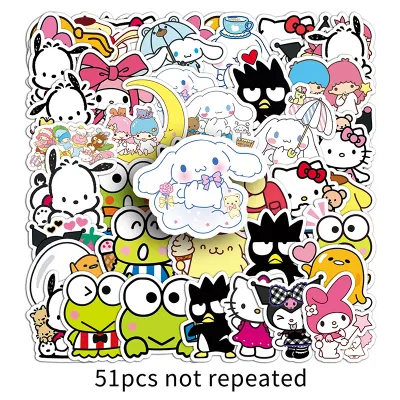
As children progress through primary school, their relationship with school supplies shifts from tactile exploration to structured utility. In the early years of primary education, typically Grades 1 through 3, the school environment is a major transition from preschool. Students are learning to manage their own belongings, follow classroom routines, and build foundational habits. During this phase, stickers function as visual anchors. Bold, easily recognizable characters like Hello Kitty, My Melody, or Cinnamoroll help young children quickly identify their own textbooks, lunchboxes, and pencil cases in a crowded classroom.
By the time students reach upper primary, spanning Grades 4 to 6, their academic workload increases, and they begin managing multiple subjects, homework deadlines, and co-curricular activities. The role of stationery shifts toward self-management and personal identity. Older students often view stickers not just as labels, but as design elements for customizing their planners, study notes, and personal journals. They tend to prefer more subtle, minimalist, or vintage-style designs that reflect their evolving tastes without appearing overly childish to their peers.
Products mentioned in this guide
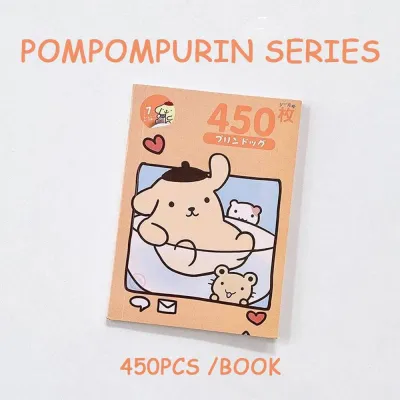
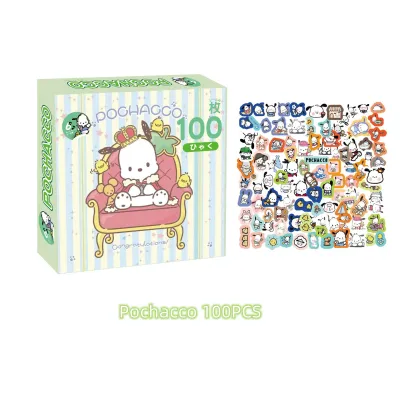
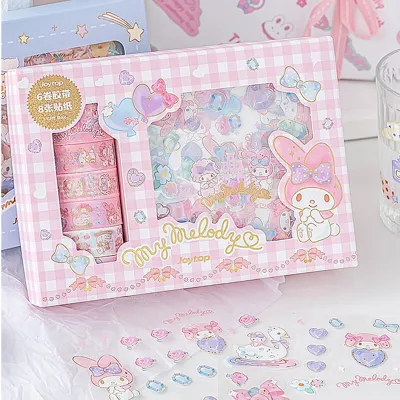
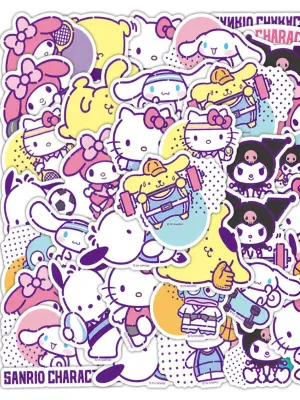
Prices are valid at publication and may change. Please refer to the product page for the latest price.
To ensure stickers remain a positive addition to a student’s toolkit, parents should establish baseline criteria for school-appropriate stationery. Stickers used on classroom items should be non-distracting, meaning they do not feature reflective holographic elements that catch the light excessively during lessons, nor should they contain interactive components like liquid glitter that might divert attention from the teacher. Durability is another key factor, as items like notebooks and folders are pulled in and out of school bags daily, requiring adhesives that can withstand constant friction.
Ideal Sanrio Sticker Formats for Lower Primary (Grades 1–3)
For younger students, the primary goals of using stickers are positive reinforcement, property identification, and fine motor skill development. Selecting the right format ensures these tools are both practical for parents and engaging for children.

Reward and behavior charts are practical tools for establishing routines at home and in the classroom. Small, repetitive character stickers featuring cheerful designs are suitable for tracking daily tasks, such as packing the school bag, completing spelling homework, or reading a bedtime story. Parents can set up a simple grid chart where the child places a sticker for each completed task. The visual progress provides immediate feedback, helping young minds associate routine responsibilities with positive outcomes.
Property loss is a common challenge in lower primary classrooms, where identical textbooks and stationery sets are easily mixed up. Large, pre-cut name labels featuring prominent Sanrio characters provide a practical solution. These labels should have dedicated spaces for writing the child’s name and class clearly with a permanent marker. Placing these bold labels on high-risk items like water bottles, pencil cases, and plastic folders helps teachers and classmates return misplaced items quickly, reducing the stress of lost belongings during the school week.
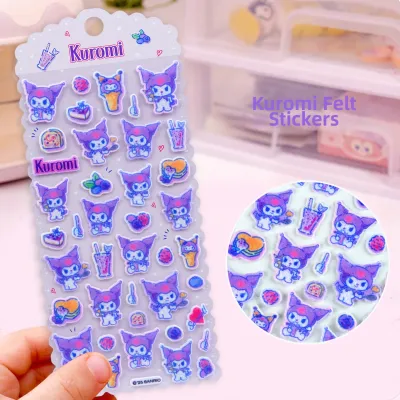
At this developmental stage, children are still refining their fine motor skills and hand-eye coordination. Standard thin paper stickers can be frustratingly difficult for small fingers to peel without tearing. To accommodate this, prioritize peel-and-play formats such as puffy stickers, thick die-cut designs, or stickers with extended backing paper. These formats provide a tactile grip, allowing young children to peel and apply them independently, which builds confidence and dexterity as they prepare their own school supplies.
Ideal Sanrio Sticker Formats for Upper Primary (Grades 4–6)
As students enter upper primary, their academic responsibilities require more sophisticated organizational strategies. Stickers for this age group should support time management, subject categorization, and creative expression.
Aesthetic and minimalist labels are excellent for organizing subject folders, index cards, and storage boxes. Instead of bright, oversized designs, older students often prefer muted color palettes, line-art illustrations, or vintage-inspired Sanrio themes. These designs allow students to color-code their subjects—such as using a soft blue Cinnamoroll theme for science folders and a pastel pink My Melody theme for mathematics—without making their folders look cluttered. This visual system helps students locate the correct materials quickly during short lesson transitions.
Functional planner stickers are useful tools for students learning to manage homework diaries, project timelines, and exam preparation schedules. Look for sticker sheets that include functional shapes like small check boxes, arrow pointers, date blocks, and icon markers (such as books for reading assignments or pencils for tests). By placing these small markers next to key dates in their school planners, students can create a visual hierarchy of tasks, making their weekly schedules easier to read and less overwhelming to manage.
Journaling and scrapbooking sheets made from clear polyethylene terephthalate (PET) or intricate paper die-cuts are popular among upper primary students who enjoy personalizing their study notes and personal diaries. Clear PET stickers blend seamlessly onto notebook pages, giving the appearance of printed illustrations directly on the paper. This format allows students to decorate the margins of their history or science notes, making the review process more visually engaging while maintaining a clean, professional layout that does not interfere with readability.
Material and Usability Checks for School Supplies
Before purchasing any stickers for the school year, it is important to evaluate their material properties to ensure they are durable, safe, and compatible with various school surfaces.
Adhesive strength and residue behavior are critical considerations when applying stickers to school property. Many school textbooks are rented or must be returned in good condition at the end of the academic year, while electronic devices like tablets or school-issued laptops often have strict usage guidelines. To prevent permanent damage, check product packaging for terms like “removable,” “repositionable,” or “low-tack.” These adhesives allow stickers to be peeled off cleanly without leaving a sticky, dirt-attracting residue or tearing the underlying paper cover.
Water and smudge resistance determine how well a sticker survives the daily wear and tear of school life. Items like water bottles, lunchboxes, and pencil cases are frequently exposed to moisture, condensation, and friction. Paper-based stickers tend to absorb moisture, causing the ink to bleed and the edges to peel. For items that undergo regular washing or heavy handling, verify if the stickers are made from durable materials like vinyl or PET. These synthetic materials resist water and prevent smudging, ensuring the character designs and written names remain legible throughout the school terms.
Size and sheet layout must be matched to the specific items being labeled. Oversized stickers may not fit on standard pencil cases, while extremely small stickers can be difficult to read from a distance. When planning a stationery checklist, measure the available surface areas on key items. For example, slim name labels are necessary for individual pens and pencils, while medium-sized rectangular labels are best suited for the front covers of exercise books. Checking the dimensions listed on the sticker sheet packaging prevents the purchase of unusable sizes.
Safety and compliance are paramount for products used daily by children. Ensure that the stickers are labeled as non-toxic and acid-free. Acid-free stickers do not degrade or yellow over time, which is particularly important for preserving school scrapbooks and projects. Additionally, non-toxic certifications guarantee that the adhesives and inks used do not contain harmful chemicals, providing peace of mind for parents when children handle these items frequently throughout the day.
Sourcing Authentic Sanrio Stationery in Singapore
With the popularity of characters like Hello Kitty and Kuromi, counterfeit stationery products are common on online marketplaces and unverified retail stalls. Purchasing authentic merchandise ensures high-quality materials, safe adhesives, and accurate character representations.
To guarantee authenticity, purchase Sanrio stationery from official brand stores, authorized department stores, and reputable local stationery chains in Singapore. These retailers source their inventory directly from licensed distributors, ensuring that the products meet strict quality and safety standards. Shopping at established physical stores also allows parents and students to examine the texture, print quality, and adhesive specifications of the stickers in person before making a purchase.
When shopping online or at smaller novelty shops, look out for common red flags that indicate counterfeit goods. Poor print quality is a primary indicator; counterfeit stickers often feature blurry lines, pixelated graphics, or off-color designs where the characters look slightly different from their official appearances. Misspelled character names on the packaging, such as “Hellow Kitty” or “My Melodie,” are clear signs of unauthorized production. Additionally, unusually low prices on unverified online marketplaces—such as a large pack of stickers selling for a fraction of the standard retail price—often point to low-quality imitations that may use unsafe adhesives or toxic inks.
To verify legitimate merchandise, inspect the packaging for official licensing markers. Authentic Sanrio products typically feature a metallic holographic sticker or a specific licensing tag printed with copyright details and the official Sanrio logo. The packaging should also include clear manufacturer information, material lists, and safety warnings in English. Taking a few moments to check for these details ensures that the back-to-school budget is spent on durable, safe, and genuine stationery that will last throughout the school year.
Frequently Asked Questions (FAQ)
Are Sanrio stickers waterproof enough for school water bottles?
Whether a Sanrio sticker can withstand daily washing on a water bottle depends entirely on its material composition. Standard paper stickers will quickly absorb water, causing the ink to run and the adhesive to fail. To ensure durability on water bottles, select stickers explicitly labeled as vinyl, PET, or waterproof. Before applying the sticker, thoroughly clean the surface of the bottle with soap and water to remove any oils or dust, and allow it to dry completely. Applying the sticker firmly to a clean, dry, flat surface ensures the best possible seal against moisture.
How can I safely remove sticker residue from textbooks and pencil cases?
Removing sticker residue without damaging school supplies requires a gentle, step-by-step approach. Start by peeling the sticker away slowly at a flat angle to minimize tearing. If a sticky residue remains on plastic pencil cases or laminated book covers, try rolling the residue off with your fingertip or using a plastic scraper, such as the edge of an old ruler. For stubborn adhesive, apply a tiny amount of mild vegetable oil or soapy water to a microfiber cloth and rub the area gently, testing a small, hidden spot first to ensure it does not stain or discolor the material. Avoid using harsh chemical solvents like acetone, which can melt plastic surfaces or dissolve the print on book covers.

Community discussion
Share your experience or ask a question. Comments are reviewed before publication.