
African fabrics are highly sought after for their striking geometric patterns, rich historical narratives, and vibrant color palettes. For sewing enthusiasts, understanding these textiles requires looking beyond their visual appeal to analyze their physical construction and fiber content. African fabrics are broadly categorized into hand-woven textiles and industrially printed cloths, with material compositions ranging from pure cotton and silk to modern polyester blends. Selecting the right variety is the first step in ensuring your sewing project has the correct drape, structure, and durability.
Whether you are designing a structured jacket, a flowing dress, or home decor items, matching your pattern to the specific properties of the fabric is essential. Different production methods yield vastly different weights and textures, which directly influence how the fabric behaves under a sewing machine needle. By learning to identify these materials and their characteristics, you can make informed purchasing decisions and achieve professional-grade results in your garment construction.
Understanding African Fabric Construction: Woven vs. Printed
To choose the right fabric for your project, you must first distinguish between traditional hand-woven textiles and modern industrial prints. Woven fabrics are constructed by interlacing warp (vertical) and weft (horizontal) yarns on a loom. This structural method creates a thicker, highly tactile, and inherently stable textile. Because the patterns are built directly into the fabric’s physical matrix, woven textiles have a distinct weight and a substantial hand feel that provides excellent structure for tailored designs.
Products mentioned in this guide
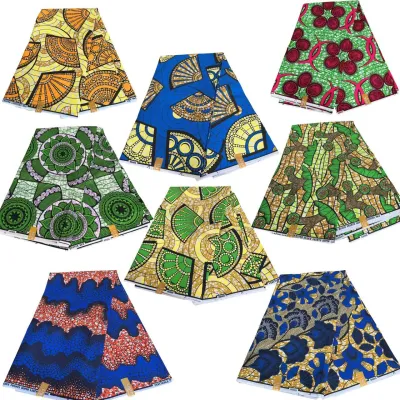
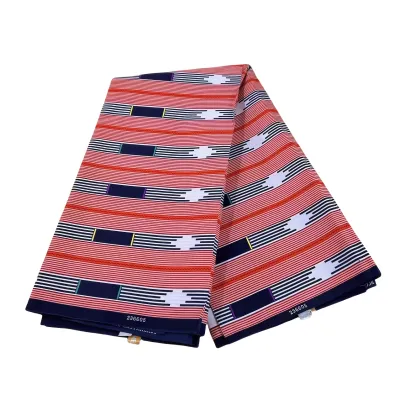
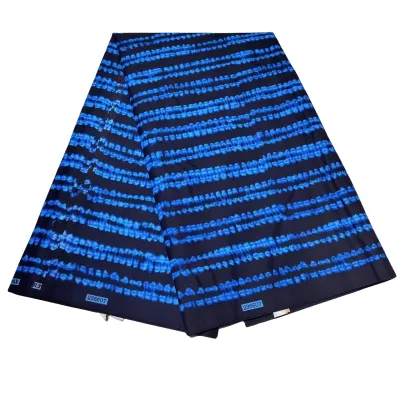
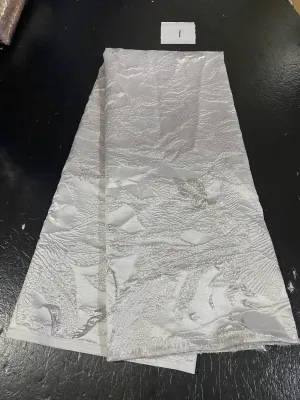
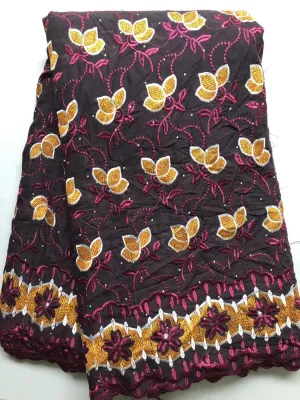
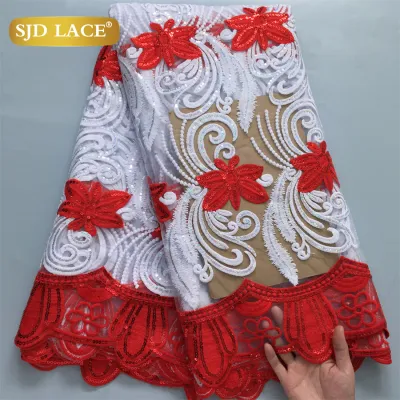
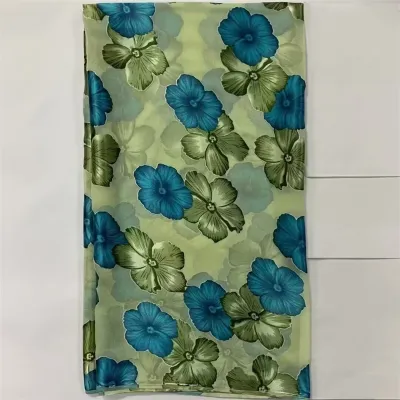
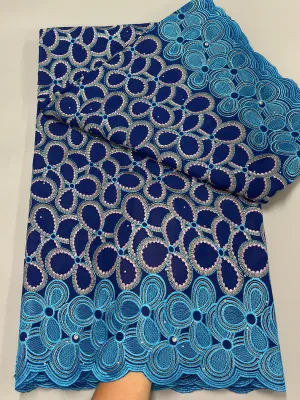
Prices are valid at publication and may change. Please refer to the product page for the latest price.
Printed fabrics, on the other hand, begin as a pre-existing base cloth—often a plain-weave cotton greige—onto which colorful designs are applied using surface dyes, pigments, or wax-resist techniques. This manufacturing process results in a much lighter, more pliable material with a fluid drape. While printed fabrics are highly versatile and generally easier to cut and manipulate, they lack the heavy, architectural quality of their hand-woven counterparts.
These structural differences have a direct impact on how you handle the fabric during the sewing process. Woven fabrics tend to fray rapidly at the cut edges, meaning you must plan for robust seam finishes such as flat-felled seams, French seams, or overlocking. They also demand sturdier, sharper needles to pierce the dense, overlapping threads without causing structural damage. Printed fabrics are more forgiving during cutting and stitching, but their surface dyes can sometimes resist needle penetration, requiring a sharp, clean needle to prevent skipped stitches.
To verify the construction of a fabric before purchasing, physically inspect the reverse side of the cloth. In a true woven textile, the design is created by the colored threads themselves, making the pattern equally visible and textured on both sides. On printed fabrics, the reverse side may appear significantly lighter or show a less defined version of the pattern, depending on the dye penetration. High-quality wax prints are an exception, as the wax-resist process allows the dye to saturate completely through the cloth, making both sides virtually identical.
Main Types of African Fabric and Their Materials
Ankara (African Wax Print)
Ankara, also known as African wax print, is famous for its bold, repeating patterns and intense color saturation. The fabric is produced using a batik-influenced, wax-resist dyeing method where melted wax is applied to a cotton cloth before it is submerged in dye baths. This process prevents the dye from penetrating the waxed areas. A characteristic feature of authentic Ankara is the “crackle” effect—fine, irregular lines of color that appear where the wax cracked during the dyeing process, allowing tiny amounts of dye to seep through.

Traditionally, high-quality Ankara is made from 100% cotton, which offers excellent breathability, a crisp hand feel, and high durability, making it exceptionally comfortable for daily wear in warm, humid climates like Singapore. However, modern commercial markets also feature lower-cost variations made from polyester or poly-cotton blends. While polyester blends offer high wrinkle resistance and are budget-friendly, they lack the breathability and soft aging characteristics of pure cotton.
Before starting your project, verify the fiber content of your Ankara. Always check the manufacturer’s product label first to confirm the material specifications. If a label is unavailable, observe the drape and texture: pure cotton Ankara has a matte finish and a stiff, structured drape that softens significantly after washing, whereas polyester blends often exhibit a slight synthetic sheen and a slicker hand feel. You can also perform a safe burn test on a tiny fabric scrap: pure cotton will burn with a steady yellow flame, smell of burning paper, and leave a soft, crumbly gray ash, while polyester will melt, drip, release a sweet chemical odor, and leave a hard, dark plastic bead.
Kente Cloth
Kente cloth is a prestigious textile originating from the Ashanti and Ewe kingdoms of Ghana. Authentic, traditional Kente is hand-woven on strip looms in narrow bands that are roughly three to four inches wide. These individual strips are then meticulously sewn together edge-to-edge to form large, heavy cloths characterized by intricate geometric patterns and symbolic color combinations. Historically, Kente was woven exclusively from fine silk threads, though modern weavers frequently use a combination of silk, rayon, and high-quality cotton.
Because authentic hand-woven Kente is highly labor-intensive and expensive, commercially available Kente-style fabrics are common. These are typically industrial cotton prints that mimic the geometric patterns of traditional Kente without the physical texture of the woven strips. You may also find woven replica fabrics that utilize a blend of cotton, rayon, and metallic threads to recreate the shimmering, lustrous appearance of traditional silk Kente at a more accessible price point.
Sewing with authentic woven Kente presents unique physical challenges. The structural seams where the narrow woven strips are joined create thick, bulky ridges throughout the fabric. To sew through these heavy sections without stalling your machine or breaking your needle, you must use a heavy-duty needle (such as size 90/14 or 100/16) and a walking foot to ensure even feeding. If your Kente contains metallic threads, select a specialized metallic needle, which features a larger eye and a deeper groove designed to prevent the delicate metallic foil wrapping from shredding during high-speed stitching.
Kitenge (Chitenge)
Kitenge, widely worn across East, Central, and West Africa, is an industrially printed cotton fabric that shares visual similarities with Ankara but differs in its production method. Unlike Ankara, which relies on a wax-resist process, Kitenge is manufactured using high-speed rotary screen-printing or roller-printing technologies. Because no wax is used in the printing process, Kitenge does not have the stiff, waxy residue often found on new Ankara, resulting in a much smoother and softer surface texture right off the bolt.
Kitenge is almost exclusively made from 100% cotton or lightweight cotton-polyester blends. This fiber profile gives the fabric a softer, more fluid drape and a lighter weight compared to heavy wax prints. The absence of heavy wax coatings makes Kitenge highly breathable and comfortable, making it a popular choice for everyday apparel in tropical regions.
Due to its pliable nature and soft drape, Kitenge is highly recommended for sewing projects that require fluid movement and comfortable wear. It is an excellent choice for designing summer dresses, tiered maxi skirts, lightweight wrap tops, and casual shirts. It is also highly cooperative under the sewing machine, requiring only a standard universal needle (size 80/12) and standard sewing threads.
Mudcloth (Bogolanfini)
Mudcloth, traditionally known as Bogolanfini, is a historic textile originating from Mali. The production process is entirely artisanal, starting with hand-spun cotton threads woven into narrow strips on local looms. These strips are stitched together to form a thick, canvas-like fabric. The cloth is then dyed using a multi-step chemical reaction: it is first soaked in a bath of boiled, tannic-acid-rich leaves from local trees, and then hand-painted with fermented, iron-rich mud. The chemical reaction between the iron in the mud and the tannic acid in the plant dye creates a permanent, deep black or rich brown pigment.
Because of its hand-spun cotton fibers and artisanal dyeing process, Mudcloth has a highly coarse, thick texture, a heavy weight, and absolutely no stretch. It is a highly structured, rustic fabric that showcases beautiful, hand-painted geometric symbols in earthy tones. This heavy-duty nature means it is not suitable for close-fitting, draped, or delicate apparel.
When planning a project with Mudcloth, select patterns that embrace its structural stiffness, such as tailored utility jackets, structured tote bags, or home decor items like throw pillows and wall hangings. To sew Mudcloth successfully, you must adjust your sewing machine settings. Use a heavy-duty denim or jeans needle (size 100/16) and a strong polyester or heavy-duty cotton thread. Increase your stitch length to 3.0mm or 3.5mm to accommodate the thickness of the hand-woven cotton fibers, and sew at a slow, steady pace to avoid straining your machine’s motor.
Matching Fabric Types to Your Sewing Project
Achieving a professional finish on your sewing projects depends on matching the weight, drape, and structure of your African fabric to the silhouette of your garment. Heavy, highly structured fabrics like Mudcloth and authentic woven Kente are best suited for outerwear, structured bags, and home upholstery where the fabric needs to support its own weight. Conversely, lighter, more fluid fabrics like Kitenge and lightweight Ankara are ideal for flowing garments, gathered skirts, blouses, and everyday apparel that requires movement.
| Fabric Type | Primary Material | Weight & Structure | Best Project Applications | Recommended Needle Size |
|---|---|---|---|---|
| Ankara | 100% Cotton or Poly-blend | Medium weight, crisp structure | A-line skirts, structured dresses, button-down shirts, blazers | Universal 80/12 or Sharp 90/14 |
| Kente (Woven) | Silk, Cotton, Rayon, Metallic | Heavy weight, textured, thick seams | Ceremonial wear, structured jackets, stoles, decorative accents | Denim 90/14 or Metallic 90/14 |
| Kitenge | 100% Cotton or Poly-blend | Light to Medium weight, soft drape | Flowing dresses, wrap skirts, casual shirts, lightweight tops | Universal 80/12 |
| Mudcloth | Hand-spun Cotton | Heavy weight, highly coarse, stiff | Outerwear jackets, tote bags, cushion covers, wall hangings | Denim 100/16 |
Needle selection and thread tension must be adjusted based on the specific fabric you are using. For standard cotton prints like Ankara and Kitenge, a universal needle (size 80/12) and standard 50-weight polyester or cotton thread are sufficient. However, if you are stitching through the thick seams of woven Kente or the dense fibers of Mudcloth, switch to a denim needle (size 90/14 or 100/16) and slightly loosen your upper thread tension to prevent thread breakage and puckering.
Pattern matching is another critical consideration when working with African fabrics, which often feature large, repeating geometric motifs. To ensure your finished garment looks cohesive, you must align these bold patterns across highly visible seams, such as the center back, side seams, and pocket placements. This alignment process requires extra fabric; always purchase 15% to 20% more yardage than your pattern specifies to accommodate the strategic layout and cutting of large-scale prints.
Before sewing your final garment, always conduct a stitch test on a double-layer scrap of your fabric. Use this test swatch to adjust your machine’s stitch length, tension, and presser foot pressure. If you observe skipped stitches, fabric puckering, or thread shredding, it is an indication that you need to change your needle type, lower your sewing speed, or adjust your tension settings before proceeding with your project.
Pre-Sewing Preparation and Fabric Care
Pre-washing is an indispensable step when working with African fabrics, particularly those made from 100% cotton or hand-dyed materials. Natural cotton fibers are highly prone to shrinkage during their first exposure to water, with shrinkage rates sometimes reaching up to 10%. Skipping this step can cause your finished, perfectly fitted garment to shrink unevenly and warp after its first wash. Hand-dyed fabrics like Mudcloth and artisanal wax prints also carry excess dye that must be washed out to prevent color bleeding.
Always check the manufacturer’s care label on your fabric before washing. If the fabric lacks a care label, you can determine its shrinkage and colorfastness by conducting a simple swatch test. Cut a precise 10 cm by 10 cm square of the fabric, trace its outline onto a piece of paper, and wash the swatch in cold water. Once dry, place the swatch back onto your paper template to calculate the exact shrinkage percentage and inspect the wash water to see if any dye has bled.
To preserve the vibrant colors and structural integrity of your fabrics, wash them in cold water using a mild, pH-neutral liquid detergent on a gentle cycle. Avoid harsh agitation, bleaching agents, or fabric softeners, which can degrade natural cotton fibers and strip away the rich pigments. For new Ankara fabrics, cold washing also helps prevent the protective wax finish from cracking prematurely, allowing you to maintain a crisp, structured finish if desired.
When ironing your fabric during construction, always use a clean pressing cloth between the iron and the fabric surface to prevent heat damage. Adjust your iron’s heat setting based on the verified fiber content: use high heat with steam for pure cotton, but drop the temperature to a medium or low setting for polyester blends, rayon, or metallic threads to prevent permanent melting, scorching, or fiber distortion.
Frequently Asked Questions (FAQ)
Can I use African fabric for upholstery or home decor?
Yes, heavier and more tightly woven African fabrics are highly suitable for home decor and light upholstery projects. Mudcloth and thick, hand-woven Kente are exceptionally durable and structured, making them excellent choices for throw pillows, heavy curtains, wall hangings, and seat cushions. Lighter printed fabrics like Ankara and Kitenge can also be used for decorative home items such as table runners, placemats, and duvet covers; however, if you plan to use them for high-wear furniture upholstery, you should apply a medium-to-heavy weight iron-on interfacing or canvas backing to the reverse side of the fabric to prevent premature wear and tearing.
How do I prevent colors from bleeding when washing handmade African fabrics?
Hand-dyed African fabrics, especially authentic Mudcloth and artisanal wax prints, often release excess surface dye during their first few wash cycles. To protect the vibrancy of these textiles and prevent color transfer, always wash them separately or with similarly dark colors in cold water. You can place a color-catcher sheet in the washing machine wash tub to absorb loose dye particles, and add a splash of distilled white vinegar to the rinse cycle to help stabilize and set the dyes. Always verify the care instructions on your specific fabric label first, and avoid soaking hand-dyed fabrics for extended periods.

Community discussion
Share your experience or ask a question. Comments are reviewed before publication.