
Selecting the right fabric is the foundation of any successful sewing project. African textiles offer an incredibly rich palette of colors, textures, and historical techniques, ranging from the structured brilliance of wax prints to the heavy, tactile geometry of handwoven cloths. When planning a garment or home decor project, understanding the material composition and physical behavior of these fabrics ensures that your finished piece drapes beautifully, stands up to wear, and remains comfortable in your local environment.
For those living in warm, humid regions like Singapore, fabric choice requires a careful balance between aesthetic appeal and tropical comfort. Different production methods—such as wax-resist printing, strip-weaving, and natural mud-dyeing—create distinct weights and breathability profiles. Matching these unique material characteristics to your specific sewing pattern and skill level is the key to transforming these stunning textiles into durable, wearable art.
Understanding African Fabric Types for Sewing Projects
The term “African fabric” encompasses a vast array of textile traditions, each defined by unique regional techniques, fibers, and cultural histories. Rather than a single category, these textiles are broadly divided into wax-printed cottons, handwoven structural panels, and resist-dyed fabrics. The raw fibers used in these processes—primarily cotton, silk, raffia, and modern synthetic blends—directly dictate how the fabric behaves under a sewing machine, how it drapes against the body, and how easily it can be pressed and stitched.
Products mentioned in this guide
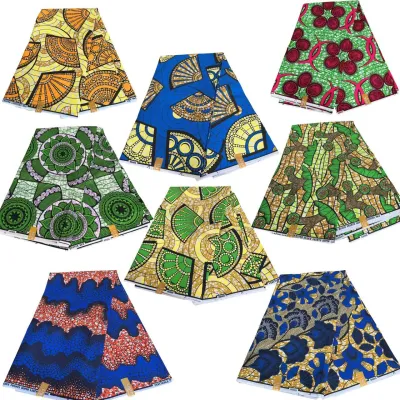
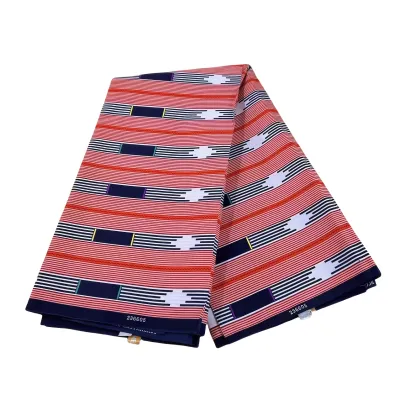
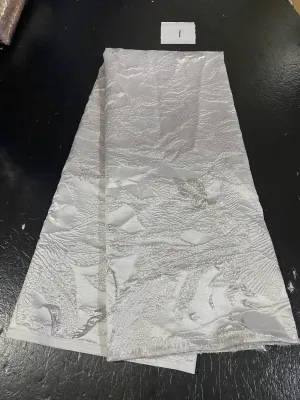
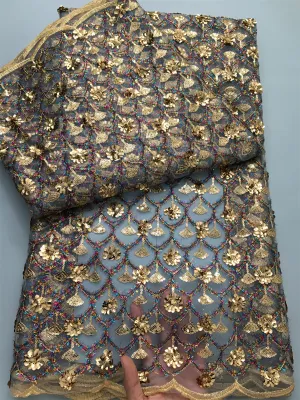
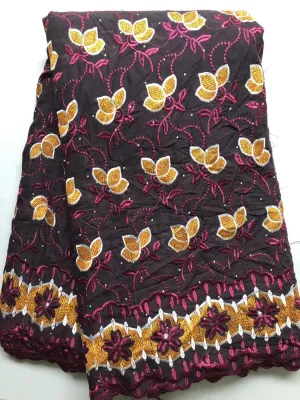
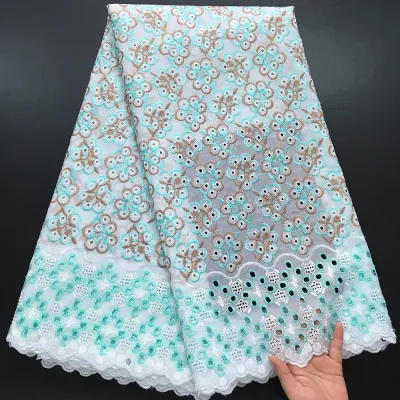
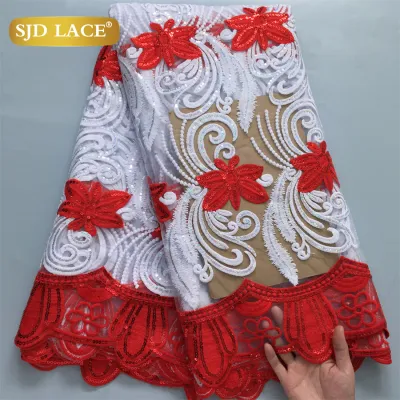
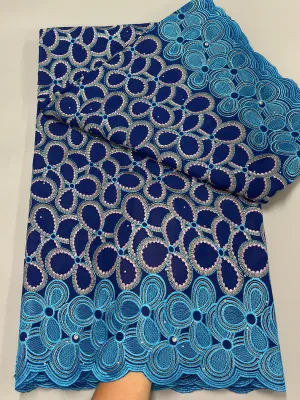
Prices are valid at publication and may change. Please refer to the product page for the latest price.
When selecting a textile, the base material’s physical properties must align with the demands of your sewing pattern. A heavy, handwoven fabric will resist gathering or fine pleating, whereas a lightweight, resist-dyed cotton will lack the structural integrity needed for tailored collars or structured utility bags. Additionally, environmental factors play a decisive role in fabric selection. In tropical climates characterized by high heat and humidity, prioritizing highly breathable, natural fibers like long-staple cotton or lightweight rayon blends is essential for ensuring comfort and preventing heat retention.
Key African Fabric Materials and Their Best Sewing Uses
Ankara (African Wax Print)
Ankara, also widely known as African wax print, is characterized by its vibrant, high-contrast patterns that are equally intense on both sides of the cloth. This double-sided clarity is achieved through a wax-resist dyeing process, where melted wax is applied to a cotton base before indigo or other dyes are introduced. Traditionally made from 100% cotton, Ankara is highly regarded for its crisp hand feel, medium weight, and exceptional shape retention.

Because of its tight plain-weave structure, Ankara is highly stable and holds crisp pleats, sharp collars, and structural seams beautifully. This makes it exceptionally well-suited for structured garments such as tailored pencil skirts, structured dresses, blazers, and utility accessories like tote bags or lined pouches. While it is highly versatile, Ankara possesses a natural stiffness when new due to residual wax and manufacturing starch. It can be softened through washing, but it remains a structured fabric that is less suitable for designs requiring a fluid, liquid-like drape.
Kente Cloth
Originating from Ghana, traditional Kente cloth is a prestigious, handwoven textile made by weaving narrow strips of silk and cotton on a specialized loom. These individual strips, typically three to four inches wide, feature intricate geometric patterns and are subsequently sewn together edge-to-edge to form larger, substantial fabric panels. The resulting textile is heavy, highly textured, and visually striking, offering a rich weight that sets it apart from printed cottons.
The unique construction of Kente presents specific sewing challenges. Because the fabric consists of pre-woven strips joined by seams, cutting across these joins can cause rapid fraying and structural instability at the raw edges. Consequently, Kente is best reserved for formal wear, ceremonial garments, structured jackets, or decorative home accents like table runners and wall hangings. It is not recommended for everyday casual wear, highly contoured garments, or patterns that require delicate draping or extensive curved seams.
Mudcloth (Bògòlanfini)
Mudcloth, or Bògòlanfini, is a traditional Malian textile created by weaving hand-spun cotton yarns into narrow strips, which are then stitched together into a thick, rustic canvas. The fabric is subsequently dyed using fermented mud and natural plant extracts, resulting in deep earthy tones, rich blacks, and distinctive white geometric symbols. This organic production method gives Mudcloth a heavy, highly textured, and slightly stiff hand feel.
Due to its thickness and coarse texture, Mudcloth behaves similarly to lightweight denim or heavy canvas. It is an excellent choice for home upholstery, structural throw pillows, heavy utility jackets, and durable tote bags. However, because the natural mud-dyeing process does not use synthetic chemical fixatives, the dye is often not entirely colorfast during initial washes. It is highly recommended to verify the colorfastness of your specific piece before sewing and to avoid using Mudcloth for garments that require frequent, heavy laundering.
Adire and Tie-Dye Textiles
Adire is a resist-dyed textile traditionally crafted by Yoruba women in southwestern Nigeria. It is produced using various resist techniques, such as applying cassava starch paste (Adire Eleko) or tying the fabric with thread or raffia (Adire Oniko) before immersing it in deep blue indigo dye baths. While traditionally created on cotton, modern Adire can also be found on high-quality rayon, silk, or lightweight cotton lawn bases.
The outstanding characteristic of Adire is its incredibly soft, fluid drape and high breathability. Unlike wax prints, Adire does not have a stiff finish, allowing it to move gracefully with the body. This fluidity makes it the perfect material for sewing flowing maxi dresses, wide-leg trousers, kaftans, lightweight scarves, and summer tops. Its breathable nature makes it highly comfortable for warm, humid climates, providing an elegant, airy option for daily wear.
How to Match African Fabric to Your Sewing Project
Successful garment construction relies on matching the mechanical properties of your fabric with the design requirements of your sewing pattern. To achieve a professional finish, consider the following decision-making dimensions:
- Drape and Structure: Analyze whether your pattern requires structural support or fluid movement. For tailored garments with defined lines, such as button-down shirts, structured A-line skirts, or fitted dresses, choose medium-weight Ankara or structured cottons. For garments that rely on gathers, cowls, or flowing silhouettes, opt for the soft, compliant drape of Adire or lightweight dyed rayon.
- Climate Adaptation: Consider the climate in which the item will be worn. In hot and humid environments like Singapore, lightweight, breathable cottons and open-weave dyed fabrics are highly preferable. Avoid using heavy, multi-layered woven Kente or thick, insulating Mudcloth for full-coverage garments; instead, use these heavier textiles as decorative accents, collars, or structured accessories to prevent overheating.
- Sewing Skill Level: Your comfort level with handling different fabric structures should influence your purchase. Standard 100% cotton Ankara is incredibly stable, does not slip under the presser foot, and is highly forgiving, making it an excellent choice for beginners. Conversely, the loose weave of Mudcloth, the easily frayed seams of Kente, and the slippery nature of silk or rayon Adire require advanced edge-finishing techniques, careful pinning, and precise tension adjustments.
- Specification Verification: Always check the manufacturer's label or product specifications for exact fiber content. While high-quality Ankara is traditionally 100% cotton, budget-friendly options on the market may contain polyester or synthetic blends. Verifying this composition is critical, as synthetic fibers will alter the fabric's breathability, shrinkage rate, and the maximum safe ironing temperature.
Sewing Preparation and Care Tips for African Textiles
Proper preparation and maintenance are essential to preserve the vibrant colors and structural integrity of African textiles over time. Implementing these professional sewing and care steps will ensure your hand-made projects look pristine for years to use.
- Pre-washing: Cotton-based fabrics like Ankara and Adire are prone to shrinkage during their first wash. Always pre-wash your fabric in the same manner you plan to launder the finished garment to pre-shrink the fibers and remove any residual manufacturing starch or excess dye.
- Needle and Thread Selection: Use a standard size 80/12 or 90/14 universal or sharp needle for medium-weight Ankara and Adire cottons. For heavy, handwoven textiles like Mudcloth or Kente, switch to a robust size 100/16 jeans or upholstery needle to prevent needle deflection or breakage when stitching through thick seam intersections.
- Edge Finishing: Because handwoven Kente and loosely woven Mudcloth are highly prone to unraveling, finish all raw edges immediately after cutting. Use a serger, a dense zig-zag stitch, or bias binding to secure the seams. For lighter fabrics, French seams provide a clean, professional interior finish.
- Washing and Ironing: To prevent color bleeding, wash dyed fabrics separately in cold water using a mild, pH-neutral detergent. When pressing Ankara, place a clean cotton pressing cloth between the iron and the fabric. Use medium heat to protect the vibrant print and prevent any residual wax or starch from transferring to your iron's soleplate or creating an artificial shine on the cotton surface.
Frequently Asked Questions (FAQ)
Is Ankara fabric always 100% cotton?
No, Ankara fabric is not always 100% cotton. While traditional and premium-grade Ankara is made from high-quality, long-staple cotton, many modern or budget-friendly versions available on online marketplaces contain polyester or poly-cotton blends. Synthetic blends tend to feel stiffer, offer less breathability in warm climates, and are prone to melting under high iron heat. To verify the fiber content, check the manufacturer’s product label or perform a burn test on a small, hidden scrap of fabric; pure cotton will burn to a fine grey ash and smell like burning paper, while polyester will melt into a hard black bead.
How do I stop African wax print colors from bleeding?
To minimize color bleeding, wash your African wax print fabric separately in cold water for the first few laundering cycles. While some home sewists recommend rinsing the fabric in cold water mixed with a tablespoon of salt or white vinegar to help set the dyes, the most reliable method is to check and follow the manufacturer’s specific care instructions. Always avoid harsh chemical detergents or hot water, which can break down the dye bonds and cause the vibrant patterns to fade prematurely.

Community discussion
Share your experience or ask a question. Comments are reviewed before publication.