
Adhesive fabric is a versatile composite material engineered to simplify textile repairs, crafting, and structural reinforcement by eliminating the need for traditional needle-and-thread sewing. The overall performance, durability, and final appearance of an adhesive fabric depend entirely on the interaction between two distinct components: the structural backing fabric and the adhesive coating layer. When selecting an adhesive fabric, you must evaluate both layers as separate variables.
The backing fabric determines the physical characteristics of the material—such as its drape, flexibility, weight, and resistance to wear—while the adhesive coating dictates how the material is applied, its bonding strength, its resistance to washing, and its compatibility with different substrates. Because no single adhesive fabric is universally suitable for all tasks, matching the specific properties of both layers to your target surface and environmental conditions is essential for a successful, long-lasting application.
What Makes Up Adhesive Fabric: Backing vs. Coating
Every adhesive fabric is engineered as a dual-layer system designed to perform under specific mechanical and environmental conditions. The top layer, or structural backing, is the visible textile component that provides the aesthetic finish, tactile feel, and physical strength of the material. This layer can range from lightweight non-woven fibers to heavy-duty woven canvas, depending on whether the project requires delicate flexibility or robust durability.
Products mentioned in this guide
Prices are valid at publication and may change. Please refer to the product page for the latest price.
Directly beneath the backing lies the adhesive coating, which is the chemical layer responsible for anchoring the fabric to your target surface. This glue layer is formulated using different polymer bases that react to specific triggers, such as heat, pressure, or moisture, to establish a secure bond. Evaluating a product requires looking at both layers in tandem; a high-quality backing fabric will fail if paired with an incompatible adhesive, just as a premium adhesive cannot compensate for a backing that lacks the necessary stretch or durability.
No single adhesive fabric can serve as a universal solution for every creative or repair task. A temporary craft display demands a vastly different material composition than a high-performance activewear repair or an outdoor gear patch. By understanding how the structural backing and the adhesive coating interact, you can make informed decisions that ensure your projects remain secure, flexible, and visually appealing over their intended lifespan.
Backing Fabric Types: How the Base Material Affects Drape and Durability
The physical base of an adhesive fabric, known as the backing, serves as the outer face of your project or patch. This layer carries the structural load, resists abrasion, and determines how the treated area feels and moves. Choosing the wrong backing material can result in a repair that is too stiff, edges that fray rapidly, or a patch that restricts the natural movement of the underlying garment.

Woven Backings (Cotton, Polyester, Canvas)
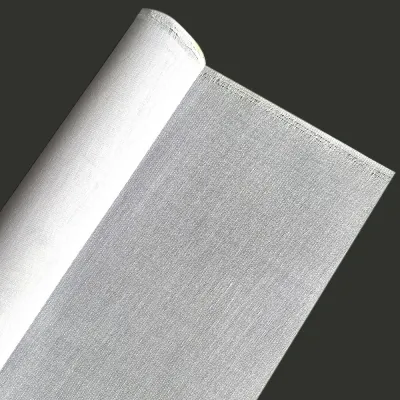
Woven backing materials are constructed by interlacing two sets of yarns—the warp and the weft—at right angles. This traditional textile structure, which includes plain weaves like cotton muslin and twill weaves like heavy denim or polyester twill, offers exceptional dimensional stability and tensile strength. Because the yarns are tightly locked together, woven backings resist stretching along the grain lines, making them the preferred choice for structural reinforcements, heavy-duty repairs, and custom patches or emblems.
However, the structural integrity of woven backings comes with a notable trade-off: vulnerability to edge fraying. When a woven adhesive fabric is cut into a specific shape, the exposed warp and weft yarns at the perimeter can easily unravel over time, especially when subjected to friction or repeated laundering. To prevent this, you must either seal the raw edges with a fabric sealant, use a pinking shear to create a zigzag edge that distributes tension, or secure the perimeter with a satin stitch or border embroidery.
For high-wear environments where maximum durability is required and flexibility is a secondary concern, heavy woven backings like canvas or duck cloth are highly effective. These dense, heavyweight materials are excellent for repairing utility gear, backpacks, upholstery, and workwear. They provide a robust barrier against abrasion but will significantly stiffen the target area, which may not be suitable for lightweight or flowing garments.
Non-Woven and Knit Backings
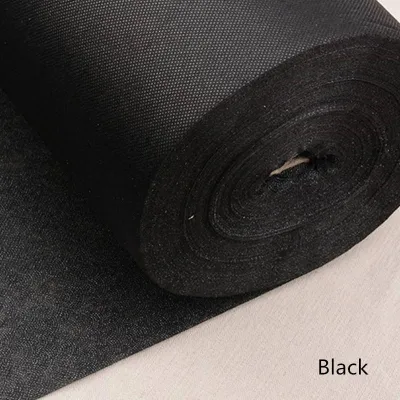
Non-woven backings are manufactured by bonding loose fibers together using thermal, chemical, or mechanical processes, completely bypassing the spinning and weaving stages. This random fiber orientation means non-woven materials have no grain line and will not fray when cut in any direction, making them incredibly easy to shape into intricate designs. Commonly utilized in fusible interfacings, these materials are lightweight and provide excellent structural support, stabilizing thin fabrics without adding noticeable bulk or thickness.
While non-woven backings are highly functional for internal garment stabilization and paper crafts, they lack the natural drape and fluid movement of woven textiles. If applied over a large, visible area of a garment, a non-woven backing can create a somewhat paper-like stiffness that does not conform well to the contours of the body. They are best reserved for localized reinforcement, such as stabilizing buttonholes, collars, or pocket openings.
Knit backings, in contrast, are formed by looping a single yarn continuously to create an elastic, interlocking mesh. This construction gives knit backings the unique ability to stretch and recover along with the underlying fabric. When applied to activewear, swimwear, or knit garments, a knit adhesive fabric maintains the garment’s original elasticity, preventing the stiff, puckered appearance that occurs when a rigid woven or non-woven patch is forced to stretch beyond its capacity.
Adhesive Coatings: Heat-Activated, Pressure-Sensitive, and More
The adhesive coating is the functional interface that anchors the backing fabric to the target substrate. The chemical composition and physical state of this glue layer determine the tools required for application, the speed of the bonding process, and how well the assembly will withstand moisture, heat, and mechanical stress over time.
Heat-Activated (Iron-On) Coatings
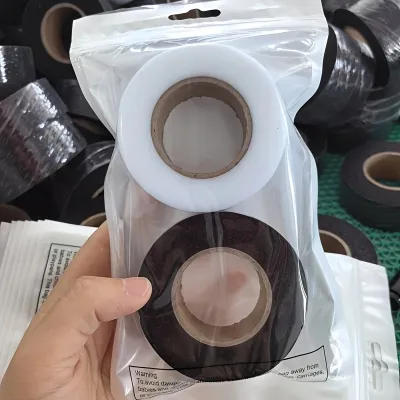
Heat-activated coatings utilize thermoplastic polymers—such as co-polyamide, co-polyester, or polyurethane—that remain completely solid, dry, and non-tacky at room temperature. When exposed to heat and pressure from a household iron or a commercial heat press, these polymers melt, flow into the fibers of the target fabric, and then recrystallize as they cool to form a highly secure mechanical and chemical bond.
The success of a heat-activated bond depends on precise temperature management. Each thermoplastic adhesive has a specific activation temperature range that must be reached to ensure the polymer flows sufficiently to wet the substrate fibers. If the temperature is too low, the adhesive will only partially melt, leading to premature peeling; if the temperature is too high, the polymer can degrade, lose its cohesive strength, or even melt through the backing fabric, damaging both the patch and the iron.
When applied correctly, high-quality heat-activated coatings offer superior washability, dry-clean resistance, and long-term durability compared to other adhesive types. Because the melted polymer deeply penetrates the fiber matrix of the target fabric, it creates a permanent bond that can withstand repeated cycles through washing machines and tumble dryers without delaminating.
Pressure-Sensitive (Peel-and-Stick) Coatings
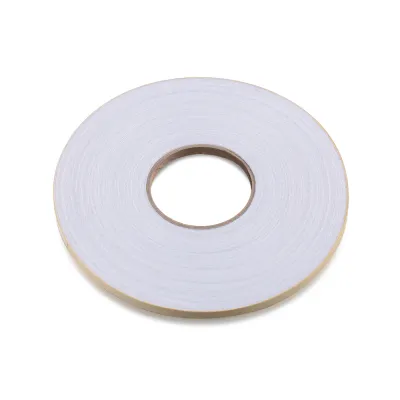
Pressure-Sensitive Adhesives (PSAs) are viscoelastic materials that remain permanently tacky and ready to bond immediately upon the application of light hand pressure. These coatings are protected by a silicone-coated release liner that is peeled away just before application, allowing for rapid, tool-free installation without the need for irons, heat guns, or specialized curing equipment.
This instant-tack characteristic makes pressure-sensitive adhesive fabrics highly convenient for quick on-the-go repairs, temporary event signage, scrapbooking, and delicate craft projects involving heat-sensitive materials like vinyl, plastic, or ultra-thin synthetic films. Because no heat is applied, there is zero risk of scorching or melting the backing fabric or the target surface during the installation process.
Despite their convenience, pressure-sensitive coatings have distinct performance limitations. They rely primarily on surface adhesion rather than deep fiber penetration, which makes them highly sensitive to surface textures. PSAs struggle to form a secure, lasting bond on highly textured, dusty, oily, or porous surfaces, and they are prone to peeling when exposed to high temperatures, heavy shear forces, or repeated laundering. In humid tropical climates, such as Singapore’s, the high ambient humidity can also affect the tackiness and longevity of certain pressure-sensitive glues if they are not stored or applied under controlled conditions.
Choosing the Right Adhesive Fabric for Your Specific Project
Selecting the ideal adhesive fabric requires analyzing the mechanical demands of your project, the material properties of the target surface, and the environmental conditions the finished item will face. Matching these variables ensures the bond remains secure without compromising the appearance or function of the item.
Apparel Repair and Patches For everyday clothing repairs, such as mending torn jeans, reinforcing worn elbows, or applying decorative patches, a woven cotton or polyester-blend backing paired with a permanent heat-activated adhesive is highly recommended. This combination matches the weight and drape of standard apparel fabrics while providing the structural integrity needed to withstand daily wear and friction. The heat-activated bond ensures that the patch remains firmly attached through dozens of laundry cycles, maintaining a clean, professional finish that resists lifting at the corners.
Crafting, Scrapbooking, and Temporary Displays When working on paper crafts, temporary event banners, indoor decorations, or delicate scrapbooking layouts, pressure-sensitive (peel-and-stick) adhesive fabrics with a lightweight non-woven backing are the most practical choice. The absence of heat tools prevents damage to delicate paper fibers or heat-sensitive plastic films, while the non-woven backing allows you to cut clean, intricate shapes without worrying about fraying edges. For temporary displays, look for low-tack or repositionable pressure-sensitive adhesives that can be cleanly removed without leaving a sticky residue behind.
Stretch Garments and Activewear Repairing or embellishing highly elastic garments, such as yoga pants, athletic jerseys, or swimwear, requires a specialized knit backing paired with a highly flexible, stretch-compatible adhesive coating. Using a rigid woven backing on a stretch fabric will restrict movement, cause the fabric to pucker awkwardly, and eventually lead to the adhesive cracking or peeling away under tension. A knit backing stretches in tandem with the garment, distributing the physical stress evenly and preserving the comfort and elasticity of the original apparel.
Heavy-Duty or Outdoor Applications For outdoor gear, backpacks, tents, and heavy upholstery, you should select a synthetic, moisture-resistant backing like nylon or heavy-duty polyester canvas, combined with a permanent, high-tack adhesive. Outdoor environments expose materials to ultraviolet (UV) radiation, rainfall, and extreme temperature fluctuations, which can rapidly degrade standard adhesives. Ensure you verify the manufacturer’s specifications for water resistance and UV stability, as specialized outdoor-grade adhesive fabrics are formulated to resist mold, mildew, and adhesive breakdown under harsh weather conditions.
Application Steps, Surface Prep, and Care Limitations
Achieving a professional-grade, long-lasting bond with any adhesive fabric depends heavily on meticulous surface preparation and strict adherence to correct application and laundering protocols. Skipping these steps is the most common cause of premature adhesive failure.
Surface Preparation Before applying any adhesive fabric, the target surface must be completely clean, dry, and free from any contaminants that could interfere with the adhesive’s contact. Wash the target fabric to remove manufacturing starches, sizing agents, and fabric softeners, as these chemical coatings create a barrier that prevents the adhesive from bonding with the fibers. Use a lint roller to remove dust, loose threads, and pet hair from the application area, and ensure the fabric is completely dry before proceeding.
Activation Verification When working with heat-activated adhesive fabrics, never guess the iron temperature or application time. Always perform a test on a small scrap piece of both the adhesive fabric and the target material first to verify that the heat setting will not scorch, melt, or discolor either fabric. Use a dry iron (turn off the steam function, as moisture can trap air and prevent a solid bond) and apply firm, even downward pressure for the exact duration specified by the manufacturer, rather than sliding the iron back and forth, which can shift the patch.
Washing and Care Boundaries To preserve the integrity of the adhesive bond over time, you must carefully review and follow the care limitations provided by both the adhesive fabric manufacturer and the original garment label. If the target fabric and the adhesive fabric have conflicting care instructions, you must follow the more restrictive limit to prevent damage. For heat-activated bonds, avoid high-heat drying cycles, as excessive heat can re-soften the thermoplastic adhesive and cause the edges to lift; instead, line dry or tumble dry on a low, delicate setting. For delicate items or pressure-sensitive applications that cannot withstand laundering, consider hand-washing in cool water or opting for professional dry cleaning if the adhesive chemistry permits.

Community discussion
Share your experience or ask a question. Comments are reviewed before publication.