
When choosing a magnetic board for teaching with magnetic letters, a traditional steel board generally provides a stronger, more reliable magnetic hold and greater long-term durability than an acrylic magnetic board. While acrylic boards offer a sleek, modern aesthetic that fits beautifully into contemporary learning spaces, their magnetic strength depends entirely on a hidden metal backing rather than the visible surface itself. For active classrooms where young learners frequently handle heavy, thick, or oversized plastic letters, a solid steel board ensures that teaching aids stay firmly in place without sliding down the surface.
Understanding how these two materials interact with educational magnets is essential before making an investment for your classroom or home learning space. A board that fails to hold letters securely can lead to frustration during spelling lessons, phonics drills, and interactive storytelling. By evaluating the structural differences, magnetic properties, durability, and visual clarity of both options, you can select a board that supports your teaching style and withstands the daily demands of student interaction.
Understanding the Structure: How Acrylic Magnetic Boards Actually Work
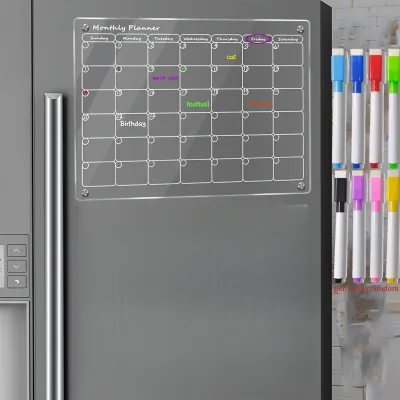
To make an informed decision, you must first understand the physical composition of these boards, as purchasing mistakes often occur when buyers assume all glossy plastic sheets are magnetic. Pure acrylic is a synthetic polymer, essentially a type of plastic, which is completely non-magnetic and cannot attract or hold magnets on its own. When you see an “acrylic magnetic board” advertised online or in a stationery store, you are looking at a composite product rather than a single solid material.
Products mentioned in this guide
![🇸🇬 [In Stock]Magnetic Board Clear Acrylic Calendar Board Fridge Magnet Dry Erase Board Planner Daily Weekly Monthly Schedule](https://img.lazcdn.com/g/p/9825d932826324a771fc1554bdd6e9ec.jpg_400x400q80.jpg_.webp)
Prices are valid at publication and may change. Please refer to the product page for the latest price.
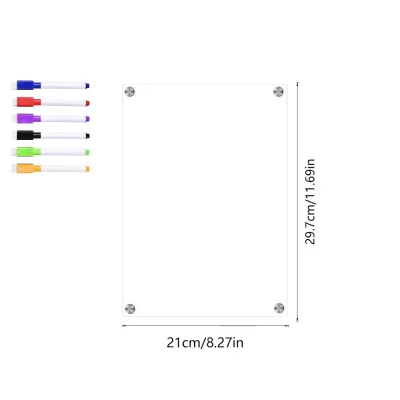
These composite boards feature a clear or colored acrylic front sheet layered over a hidden backing sheet made of steel or iron. The magnetic attraction occurs entirely through this concealed metal layer, meaning the magnet on your teaching letter must pull through the thickness of the acrylic sheet to reach the metal behind it. The overall performance of the board depends heavily on how closely the acrylic face is bonded to the metal backing and how thick that metal backing is.
In contrast, traditional steel magnetic boards are constructed from a solid sheet of steel. This steel sheet is typically finished with a protective coating, such as a painted dry-erase layer, a baked enamel finish, or a highly durable porcelain-on-steel surface. Because the magnetic surface is directly exposed to the magnet with only a microscopic layer of paint or enamel in between, the magnetic connection is direct, immediate, and highly efficient.
Comparing Magnetic Hold for Educational Letters
The primary function of any teaching board is to hold educational aids securely, making magnetic hold the most critical factor in your decision. The strength of the magnetic pull on a composite acrylic board is determined by the thickness and quality of the hidden metal layer, as well as the thickness of the acrylic face itself. Because the magnetic force must travel through the non-magnetic acrylic barrier, any gap or excessive thickness in the plastic layer will significantly weaken the hold.

When shopping for an acrylic magnetic board, you should carefully check the manufacturer’s specifications for details regarding the backing metal’s thickness. If the internal metal layer is very thin or made of low-grade iron foil, the board may struggle to hold standard classroom magnets. Heavy, thick, or oversized magnetic letters—especially those made of thick foam or heavy molded plastic with small, recessed ceramic magnets—frequently slide down or fall off composite acrylic boards.
To ensure your teaching aids stay in place, you must verify the type of magnets used in your letters. Standard ceramic magnets, which are common in budget-friendly letter sets, often lack the strength to penetrate the acrylic barrier effectively. If you choose an acrylic board, you may need to upgrade your teaching tools to letters equipped with strong neodymium magnets. Traditional steel boards, on the other hand, easily hold almost all types of magnetic letters, from lightweight foam pieces to heavy, solid plastic characters, without requiring specialized or extra-strong magnets.
Assessing Durability and Classroom Wear-and-Tear
Classrooms are high-traffic environments where teaching tools are subjected to constant handling, dropping, and cleaning. Evaluating the long-term survivability of your board material is essential to avoid premature replacement costs. Acrylic is a softer material than steel, making its surface highly susceptible to scratching. If students or teachers clean an acrylic board with abrasive cloths, paper towels, or cleaners containing harsh solvents, the surface can quickly become cloudy and scratched, which ruins both its appearance and its usability.
While acrylic resists shattering better than glass, its edges and corners remain vulnerable to cracking or chipping if the board is dropped, bumped, or left unframed. If you plan to use a mobile, hand-held, or low-mounted board that children will handle directly, an unframed acrylic board presents a risk of chipping over time. Checking the manufacturer’s framing specifications is a wise step; a sturdy aluminum or wooden frame can protect the vulnerable edges of an acrylic sheet from impact damage.
Traditional coated steel boards offer excellent resistance to minor surface scuffs and scratches, especially if they feature a porcelain or high-quality enamel finish. However, steel boards are not entirely indestructible; they can dent if struck sharply by hard objects, such as heavy wooden toys or metal pointers. When comparing durability, consider how the board will be mounted and who will handle it. For stationary, wall-mounted displays, both materials can last for years, but for portable or student-handled use, a framed steel board generally offers superior resilience against drops and rough handling.
Evaluating Visual Clarity, Glare, and Erasing Performance
A teaching board must be highly visible from all angles of the classroom so that every student can follow along with spelling and reading lessons. Acrylic boards are known for their high-gloss, glass-like finish, which looks modern and clean but can create significant glare under bright classroom fluorescent lights or near windows. This glare can make it difficult for students sitting at side angles to read the letters or see what you have written on the board.
Traditional steel boards are available in a wider variety of finishes, including matte and semi-gloss options designed specifically to reduce light reflection. A matte-finished steel board disperses light evenly, ensuring that written words and magnetic letters remain clearly visible from anywhere in the room, regardless of the lighting conditions. If your classroom has large windows or bright overhead lighting that you cannot easily control, a low-glare steel board is often the more practical choice for daily instruction.
Erasing performance is another critical usability factor to investigate before purchasing. Over time, some dry-erase markers can leave permanent stains or faint outlines of old writing—a phenomenon known as “ghosting”—on both acrylic and steel surfaces. Acrylic surfaces can be particularly sensitive to certain marker pigments and may require specialized cleaning solutions or microfiber cloths to maintain their clarity. When selecting a board, check the manufacturer’s recommended cleaning tools and marker compatibility to ensure you can easily wipe the surface clean between lessons without leaving distracting residue.
How to Choose the Right Board for Your Classroom
Selecting the right board comes down to balancing your aesthetic preferences with the practical demands of your teaching environment. An acrylic-surface composite board is an excellent choice if you prioritize a modern, minimalist aesthetic and have a controlled lighting environment where glare is not an issue. This option works beautifully in small-group tutoring spaces, home preschool setups, or modern offices where you primarily use lightweight magnetic letters equipped with strong neodymium magnets.
Conversely, a traditional steel-surface board is the ideal choice if your teaching setup requires maximum durability, heavy daily use by multiple students, and a reliable hold for a wide variety of magnetic letters. Steel boards are highly recommended for standard classrooms with bright, overhead lighting and wide seating arrangements where glare must be minimized. They are also the safer bet if you use standard, budget-friendly magnetic letters and want to ensure they stick firmly without sliding.
Before finalizing your purchase, always verify the product specifications of your chosen board. If you are leaning toward an acrylic model, confirm that the product description explicitly states the presence and thickness of an internal steel or iron backing layer. Additionally, check the compatibility of your existing magnetic letters by testing them on a similar surface if possible, or look for manufacturer recommendations regarding magnet strength to ensure a seamless and frustration-free teaching experience.
Frequently Asked Questions (FAQ)
Can I stick magnetic letters directly to a plain acrylic sheet?
No, you cannot stick magnetic letters directly to a plain acrylic sheet because acrylic is a plastic polymer that contains no magnetic properties. If you place a magnet against a standard, non-composite sheet of acrylic, it will simply slide off and fall. To use magnetic letters on an acrylic surface, you must purchase a specially manufactured composite board that features a steel or iron backing layer laminated behind the clear acrylic face, or mount a thin, plain acrylic sheet directly over a flat, magnetic metal surface.
Do acrylic magnetic boards require stronger magnets than steel boards?
Yes, composite acrylic magnetic boards generally require stronger magnets than traditional steel boards to achieve the same level of hold. Because the magnetic force must travel through the non-magnetic acrylic sheet to reach the hidden metal backing, standard ceramic magnets often lack the strength to hold letters securely. To prevent letters from sliding down the board, you will usually need to use letters equipped with strong neodymium magnets, whereas a bare steel board can easily hold standard, lightweight magnets of almost any type.

Community discussion
Share your experience or ask a question. Comments are reviewed before publication.