
Selecting the correct envelope size is essential to ensure your mail arrives safely and looks professional. An A6 envelope is a standardized paper container measuring exactly 105 mm by 148 mm (approximately 4.1 x 5.8 inches). It is designed specifically to hold paper or cards that conform to the international ISO 216 A6 standard. Whether you are sending wedding invitations, RSVP cards, or small photos in Singapore, understanding how this size works will prevent mailing delays and damaged contents.
Many people assume that any small card will fit into an A6 envelope, only to find that even a few millimeters of excess paper can ruin the presentation. To avoid these common mistakes, you need to look closely at both the external dimensions and the internal usable space of the envelope.
Standard A6 Envelope Dimensions in Millimeters and Inches
Under the international ISO 216 standard, paper sizes scale consistently, and envelopes are designed to match these dimensions. A standard A6 envelope measures exactly 105 mm by 148 mm, which translates to approximately 4.1 inches by 5.8 inches. This specific size is highly popular for social stationery, personal letters, and compact marketing materials.
Products mentioned in this guide
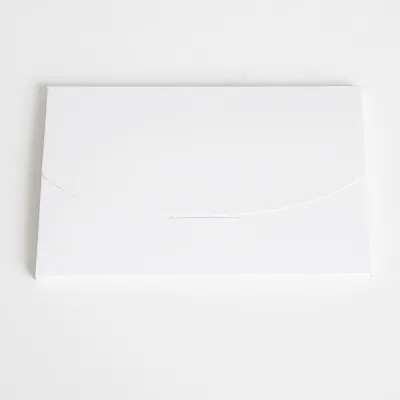
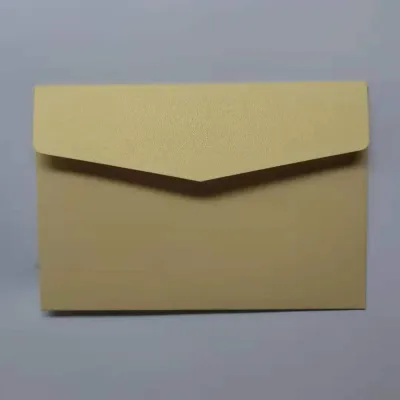
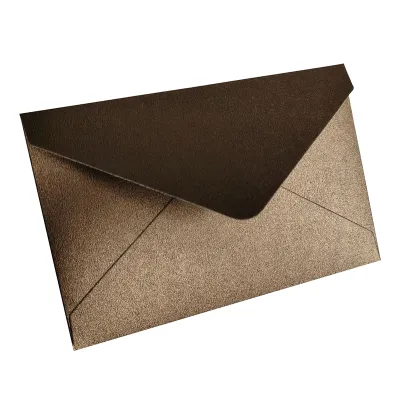
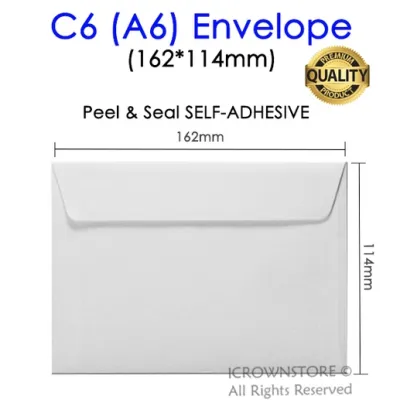
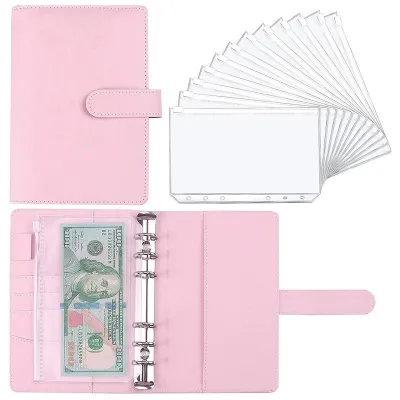
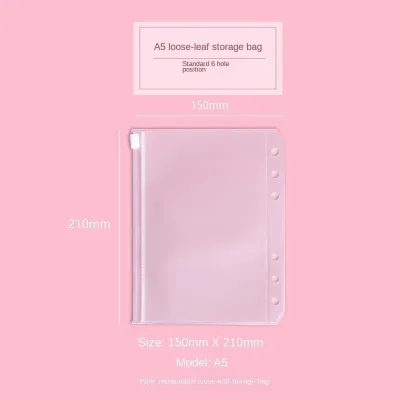
Prices are valid at publication and may change. Please refer to the product page for the latest price.
However, a crucial distinction exists between the external dimensions printed on the packaging and the actual internal usable space. The external dimensions represent the absolute outer edges of the envelope. Because envelopes are constructed using folded paper, glued seams, and a sealing flap, the interior space is always slightly smaller than the exterior measurements.
When you purchase A6 envelopes, the manufacturer labels them based on these outer dimensions. If your insert is exactly 105 mm by 148 mm, it will be extremely difficult to slide inside without bending the corners or tearing the seams. For a smooth fit, your cards or documents must be slightly smaller than the envelope itself. A safe rule of thumb is to ensure your insert is at least 3 to 5 mm smaller on all sides than the outer envelope dimensions.
Common Items That Fit Perfectly Inside an A6 Envelope
Knowing what items are compatible with an A6 envelope helps you plan your stationery purchases and crafting projects. This size is incredibly versatile, but it requires precise matching to avoid folding or jamming items into the sleeve.

A6 Cards and Invitations
The most common match for an A6 envelope is an A6-sized card or invitation. These cards are typically cut to around 100 mm by 143 mm specifically to allow them to slide effortlessly into the envelope. This combination is standard for wedding RSVPs, thank-you notes, birthday cards, and corporate event invitations.
Folded Documents
You do not need specialized A6 paper to utilize these envelopes; standard office paper sizes can be folded to fit. An A4 sheet of paper folded in half twice (first horizontally, then vertically) becomes an A6-sized document. Similarly, an A5 sheet of paper folded in half once along its shortest axis will fit perfectly. This makes A6 envelopes highly convenient for mailing short letters, receipts, or printed vouchers.
The 4×6 Inch Photo Trap
A frequent point of confusion is the difference between an ISO A6 envelope and a standard 4×6 inch photo print. A standard 4×6 photo measures approximately 102 mm by 152 mm. When you compare these dimensions to a standard A6 envelope (105 mm by 148 mm), you will notice that the photo’s length (152 mm) exceeds the envelope’s length (148 mm).
Trying to force a standard 4×6 photo into a strict ISO A6 envelope will cause the photo to bend or prevent the envelope flap from sealing. If you plan to mail standard photo prints, you must purchase envelopes explicitly labeled as “4×6 photo envelopes” or “A6 photo mailers,” which are slightly larger than the standard ISO A6 size to accommodate the extra length.
Small Flat Stationery
A6 envelopes are excellent for storing and organizing small stationery items. Items like sticker sheets, bookmarks, thin cardboard tags, and small art prints fit beautifully as long as they remain within a safe zone of 100 mm by 140 mm. They are also useful for keeping small keepsakes or dried flower arrangements flat and secure.
How to Measure and Prepare Your Items for an A6 Envelope
To guarantee your items fit perfectly and arrive undamaged, it is best to perform a quick measurement check before buying your envelopes in bulk. This simple preparation prevents wasted stationery and ensures a professional presentation.
Length and Width Check
Lay your insert flat on a hard surface and use a reliable ruler to measure the exact length and width in millimeters. To ensure a smooth fit, aim for a maximum insert size of 100 mm by 143 mm. This leaves a comfortable 3 to 5 mm margin on all sides. This clearance allows the recipient to slide the contents out easily without ripping the paper.
Accounting for Thickness
Flat measurements only tell part of the story. If your item is thick, such as a heavy cardstock invitation, a multi-layered greeting card, or an item featuring 3D embellishments like wax seals, ribbons, or buttons, the envelope’s capacity changes.
As the envelope stretches to accommodate the thickness of the insert, its effective length and width decrease. For thick or embellished items, you must allow for extra clearance. If your card is thicker than 2 mm, you may need to reduce your insert’s length and width further, or upgrade to a larger envelope size altogether to prevent the seams from bursting.
Ink and Paper Compatibility
When preparing your envelopes, consider the writing instruments you plan to use. Smoothness, bleed resistance, and ink drying speed depend on the exact paper material and weight of the envelope you choose. For fountain pens, calligraphy inks, or heavy gel pens, perform a quick spot test on a spare envelope first. This ensures the ink does not bleed through or smudge before you write your addresses.
Weight and Mailing Preparation
While an A6 envelope easily fits within standard mailing categories, the weight and thickness of the final package dictate the postage required. In Singapore, standard basic mail rates are strictly determined by weight and thickness thresholds.
Before dropping your sealed A6 envelope into a posting box, weigh the stuffed envelope on a digital scale. Ensure the thickness does not exceed the standard limit specified by Singapore’s postal service for basic letter mail. If your envelope is too heavy or too thick due to embellishments, it may require additional postage or be classified as package mail.
When to Choose a Larger or Different Envelope Size
While A6 envelopes are highly practical, they are not suitable for every mailing task. Recognizing when to transition to a different size or format will protect your items and save on postage costs.
Unfolded Documents
If you need to mail official documents, certificates, or letters that cannot be folded, an A6 envelope is too small. For unfolded A4 sheets, a C4 envelope is the standard choice. If you are mailing unfolded A5 documents, you should opt for a C5 envelope. These C-series envelopes are specifically sized to hold unfolded A-series paper of the matching number.
Standard Business Letters
For standard business correspondence, letters are typically printed on A4 paper and folded into thirds. To mail these without folding them into quarters, you should use a DL envelope. The DL size is specifically designed to accommodate a tri-folded A4 sheet and is the standard format for corporate mailings.
Bulky or Fragile Items
If you are mailing rigid items, thick booklets, or fragile keepsakes, a standard paper A6 envelope offers very little protection. In these scenarios, look for an A6-sized bubble mailer, a rigid cardboard mailer, or a small corrugated box. These options provide cushioned protection and prevent the contents from bending or breaking during transit.
Square Items
Square greeting cards and invitations have become increasingly popular, but they will not fit properly inside a rectangular A6 envelope. Square items require square envelopes. Keep in mind that square envelopes often require different postage rates and handling because they do not feed through standard automated sorting machines in the same way as rectangular mail.
Frequently Asked Questions (FAQ)
Is an A6 envelope the same as a 4×6 inch envelope?
No, they are not technically identical, although they are often confused. A standard ISO A6 envelope measures 105 mm by 148 mm (about 4.1 x 5.8 inches). A standard 4×6 inch photo or card measures roughly 102 mm by 152 mm. Because the 152 mm length of a 4×6 print is longer than the 148 mm length of an A6 envelope, standard 4×6 photos will not fit inside a standard ISO A6 envelope without bending. Always check the exact millimeter or inch specifications on the packaging rather than relying solely on casual labels.
Can I use an A6 envelope for standard letter postage in Singapore?
Yes, an A6 envelope is fully compatible with standard basic mail guidelines in Singapore. Its dimensions fit comfortably within the maximum size limits allowed for standard letters. However, you must ensure that the total weight and thickness of the stuffed envelope stay within the official limits set by Singapore’s postal service. If your envelope is overly thick due to decorative inserts or exceeds the standard weight limit, you will need to apply additional postage to avoid delivery delays.

Community discussion
Share your experience or ask a question. Comments are reviewed before publication.