
The best A3 80gsm paper brand for your needs depends on whether you prioritize flawless color reproduction and jam-free reliability for client-facing documents, or cost-efficiency for high-volume internal drafts. Because specific brand rankings and prices fluctuate, the most reliable approach is to compare market tiers based on brightness, moisture control, and price-per-sheet value rather than relying on a single brand name. In Singapore’s humid climate, paper behavior can change rapidly once a ream is opened, making structural quality and packaging integrity just as important as the brand label on the box.
To make an informed decision, you must understand how paper is manufactured, graded, and packaged. A3 paper has exactly twice the surface area of standard A4 paper, which means physical properties like stiffness, moisture resistance, and flatness are twice as critical. A minor defect that might pass unnoticed through an A4 printer can easily cause a major paper jam in an A3 machine. By focusing on objective technical specifications rather than marketing slogans, you can secure the best balance of print quality and operational value for your office or home setup.
What Actually Determines A3 80gsm Paper Quality?
When evaluating A3 80gsm paper, brightness and whiteness are the first specifications to examine. Whiteness refers to how the human eye perceives the paper’s color, often measured using the CIE whiteness index, where higher numbers indicate a brilliant, blue-white shade. High whiteness and brightness levels provide a stark contrast against black toner and colored inks, making text look sharper and colors appear more vibrant. For premium documents, a CIE whiteness rating of 160 or above is standard, whereas utility papers may range between 140 and 150.
Products mentioned in this guide
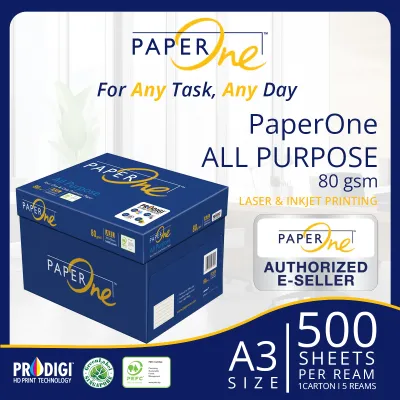
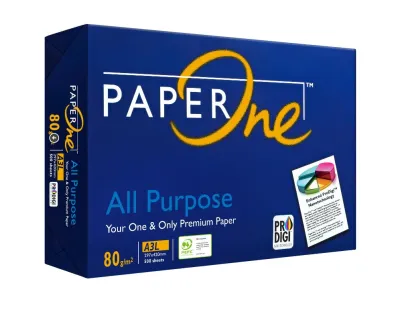
![[SG Stock] Double A 80gsm A3 printing paper (1 ream)](https://img.lazcdn.com/g/p/df856d13c8855e6a35d8f2fe99b71d9e.jpg_400x400q80.jpg_.webp)
Prices are valid at publication and may change. Please refer to the product page for the latest price.
Surface smoothness and dust levels are equally critical for both print quality and machine longevity. A smoother paper surface allows for uniform toner transfer, preventing the patchy or faded spots that often occur on rougher, low-grade sheets. Furthermore, high-quality paper undergoes a rigorous dust-removal process during manufacturing. Cheap, poorly cut paper often carries microscopic paper dust that sheds inside your printer. Over time, this dust accumulates on feed rollers, optical sensors, and transfer belts, leading to paper slippage, frequent misfeeds, and expensive maintenance calls.
Moisture content and paper stiffness play a decisive role in preventing curls and jams, especially in the larger A3 format. Paper is highly hygroscopic, meaning it readily absorbs moisture from the surrounding air. If the moisture content is not carefully controlled during production, or if the paper is exposed to high humidity, the fibers expand unevenly. This causes the edges to curl, making it difficult for the printer’s pickup rollers to feed a single sheet cleanly. Premium A3 paper is engineered with optimal stiffness and a balanced moisture profile to ensure it remains flat even when subjected to the intense heat of a laser printer’s fuser unit.
Calculating True Value Beyond the Price Tag
To find the most economical paper option, you must look beyond the initial purchase price of a single ream. A standard ream contains 500 sheets of paper, while a carton typically holds five reams, totaling 2,500 sheets. To calculate the true value, divide the total cost of the package by the number of sheets to find the price per sheet. For example, if a carton of premium A3 paper costs S$45, the price per sheet is S$0.018. Comparing products on a price-per-sheet basis allows you to see exactly how much you save when upgrading from single reams to bulk cartons.

However, the cheapest paper on the shelf often carries hidden costs that can quickly wipe out any upfront savings. When low-grade paper causes frequent printer jams, you lose more than just the jammed sheet. You also waste the toner or ink applied to that page, along with the productive time spent clearing the jam and restarting the print job. In severe cases, persistent jams can damage delicate internal printer components, such as the fuser or transfer rollers, leading to costly repair bills and office downtime. Investing slightly more in reliable, jam-free paper is often the more cost-effective choice in the long run.
Bulk purchasing offers significant discounts, but it requires careful consideration of delivery logistics and storage space. A3 paper cartons are twice as heavy and bulky as A4 cartons, making manual transport difficult. When ordering in bulk, verify whether the supplier includes delivery to your doorstep or office floor, especially if your building lacks elevator access. Additionally, you must have a dry, cool storage area that is elevated off the floor to prevent the paper from absorbing moisture before use.
Comparing Market Tiers: Premium vs. Standard Brands
The paper market is generally divided into premium and standard tiers, each designed for different operational needs. Premium tier papers are characterized by exceptional brightness, high opacity, and superior surface smoothness. These brands invest heavily in advanced manufacturing techniques, such as specialized surface treatments that lock ink on the paper surface for faster drying and sharper details. Furthermore, premium papers are wrapped in moisture-barrier packaging, which uses a laminated inner lining to protect the sheets from humidity during transit and storage.
Standard or economy tier papers are designed primarily for high-volume, everyday utility printing. While they may have a slightly lower CIE whiteness rating and a marginally rougher texture, they offer adequate performance for basic text documents and internal drafts. These papers are highly cost-effective for businesses that print hundreds of pages of internal records, shipping labels, or temporary notices daily. However, because economy brands may have wider tolerances for moisture control and cutting precision, they are more prone to occasional misfeeds when used in high-speed copiers.
To verify the quality of a paper brand independently, you should learn to read the technical specifications and certifications printed on the packaging. Look for environmental certifications such as the Forest Stewardship Council (FSC) or the Programme for the Endorsement of Forest Certification (PEFC), which guarantee that the wood pulp was sourced from responsibly managed forests. Additionally, check the paper grain direction; A3 paper is typically cut as “long-grain,” meaning the fibers run parallel to the long edge of the sheet. This grain direction provides the necessary structural stiffness to prevent the paper from sagging or curling as it travels through the printer’s paper path.
Decision Framework: Which Tier Fits Your Workflow?
Selecting the right paper tier requires matching the paper’s characteristics to your specific printing tasks. Premium tier A3 80gsm paper is the ideal choice for client-facing documents, marketing materials, official contracts, and detailed architectural drawings. The high brightness and smoothness ensure that fine lines, small text, and complex color gradients are rendered with absolute clarity. If your workflow involves double-sided printing or heavy ink coverage, the superior opacity of premium paper prevents distracting show-through, maintaining a professional appearance on both sides of the sheet.
Conversely, standard tier paper is perfectly suited for internal workflows where presentation quality is secondary to cost control. Use standard paper for printing daily schedules, internal memos, rough design drafts, and accounting spreadsheets. By reserving premium paper for external communications and using standard paper for internal operations, you can significantly reduce your overall stationery expenses without compromising the quality of your client-facing work.
Before making a final decision, always verify the technical requirements of your printing equipment. High-speed multifunction copiers, production-grade digital presses, and heavy-duty office printers have specific tolerances for paper stiffness and thickness. Using paper that is too flexible or has inconsistent thickness can lead to frequent multi-sheet feeding, where the printer pulls two or more sheets at once. If your office relies on high-speed machinery, investing in premium-grade paper with certified runnability is essential to keep your operations running smoothly and avoid unnecessary wear on your equipment.
Purchasing Channels and Pre-Purchase Checks
In Singapore, you can source A3 80gsm paper through several distinct channels, each offering unique advantages depending on your purchasing volume. B2B office suppliers are the best option for corporate offices requiring regular, high-volume deliveries. These suppliers offer structured contract pricing, dedicated account management, and reliable bulk delivery services. For smaller businesses, home offices, or urgent needs, local stationery stores and online marketplaces provide excellent flexibility, allowing you to purchase single reams or individual cartons with fast turnaround times.
Regardless of where you buy your paper, performing a thorough inspection upon delivery is crucial to ensure quality. Check the outer carton for any signs of physical damage, such as crushed corners, punctured cardboard, or water stains. Even a small tear in the outer packaging can expose the paper inside to ambient humidity. Next, open the carton and inspect the individual ream wrappers. The wrappers must be completely sealed and free from rips or creases. If the moisture barrier of a ream is compromised, the paper inside may have already absorbed moisture, making it highly susceptible to curling and jamming.
Finally, always clarify the supplier’s return and exchange policies before finalizing your purchase. Reliable suppliers should offer a straightforward process for replacing damaged cartons or defective batches. If you receive a shipment with crushed corners or torn wrappers, document the damage with photographs immediately and contact the supplier for a replacement. Maintaining a good relationship with a reputable supplier ensures that you always have access to fresh, high-quality paper that keeps your office running efficiently.
Frequently Asked Questions (FAQ)
Does 80gsm A3 paper work well for double-sided printing?
Yes, 80gsm A3 paper can be used for double-sided printing, but its performance depends heavily on the paper’s opacity and the type of printer used. Because 80gsm is a standard utility weight, high-ink coverage from inkjet printers can cause significant show-through or even bleed-through, making the text on the reverse side difficult to read. For clean double-sided printing on 80gsm paper, it is best to use laser printers with dry toner, limit heavy color fills, and select a premium paper tier with a high opacity rating. If your documents contain dense graphics or heavy solid colors, upgrading to a heavier weight like 100gsm or 120gsm is recommended.
How should I store A3 paper to prevent jamming and curling?
To prevent A3 paper from absorbing moisture and curling, store it flat in its original, moisture-sealed ream wrapper until the moment you are ready to load it into the printer. Avoid storing paper cartons directly on concrete floors, near external walls, or in areas exposed to direct sunlight and air conditioning drafts, as these conditions cause rapid temperature and humidity fluctuations. Keep the storage area cool and dry, ideally off the ground on a shelf or pallet. If you have leftover paper from an opened ream, seal it back inside the wrapper with tape or store it in a resealable plastic container to maintain its optimal moisture content.

Community discussion
Share your experience or ask a question. Comments are reviewed before publication.