
Selecting the right non toxic paint for kids involves balancing safety, washability, and developmental readiness. For parents in Singapore, where creative play often takes place indoors within compact apartment spaces, finding a paint set that is both safe for young skin and easy to clean off tiled or vinyl flooring is a priority. A high-quality starter kit not only fosters artistic expression but also ensures peace of mind by adhering to strict international safety standards.
While many products on the market carry a “non-toxic” label, the term itself is not globally regulated in a uniform manner. Parents must learn to look beyond marketing claims and verify the specific certifications, physical components, and formulations of each kit. By understanding what makes a paint set safe and practical, you can confidently choose art supplies that support your child’s developmental milestones without compromising on safety or household cleanliness.
Decoding Safety Labels and Non-Toxic Certifications
When evaluating art supplies, the most reliable way to verify safety claims is to look for recognized third-party certification seals on the packaging. The most common standard for art materials is the Approved Product (AP) seal from the Art and Creative Materials Institute (ACMI). This seal indicates that the product has undergone a rigorous toxicological evaluation by independent medical experts and contains no materials in sufficient quantities to be toxic or injurious to humans, including children.
Products mentioned in this guide
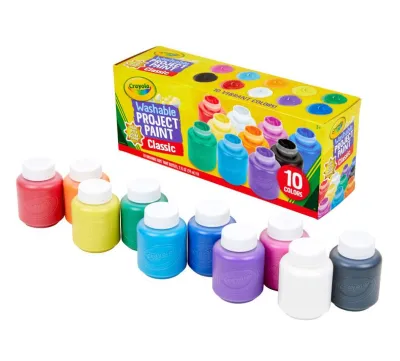
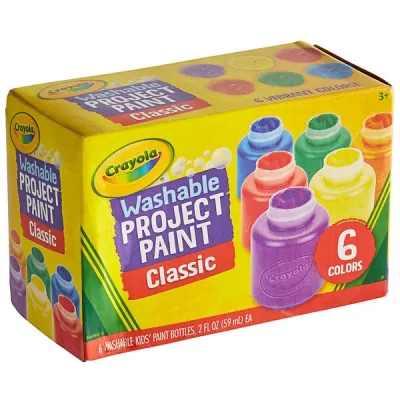
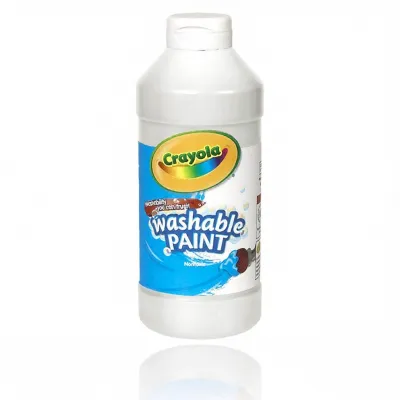
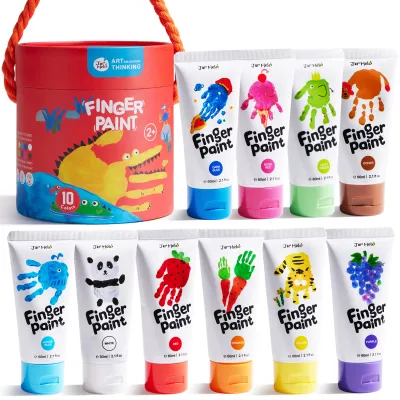
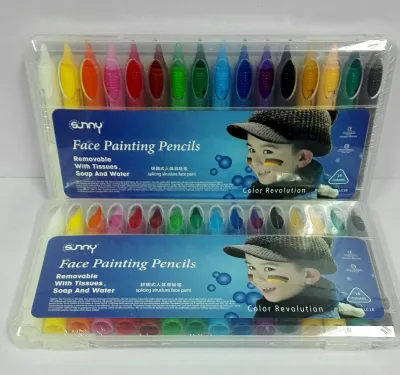
Prices are valid at publication and may change. Please refer to the product page for the latest price.
Another critical standard to look for is the European EN71-3 certification, which specifically regulates toy safety and limits the migration of certain heavy metals—such as lead, cadmium, barium, and mercury—from toy materials into a child’s body. In Singapore, reputable art supplies imported from Europe or North America will typically display either the ACMI AP seal or the CE mark alongside the EN71-3 designation. These certifications ensure that even if a child accidentally gets paint on their hands or puts a paint-covered finger near their mouth, the risk of chemical exposure is minimized.
Reading the ingredient list is equally important, especially for children with sensitive skin or known allergies. Some children’s paints contain common allergens, such as wheat-derived binders (gluten), dairy by-products, or specific preservatives like methylisothiazolinone, which can trigger contact dermatitis. If your child has allergies, look for brands that explicitly state they are gluten-free, egg-free, and dairy-free. Additionally, water-based formulations are always preferable to solvent-based options, as they do not emit harmful volatile organic compounds (VOCs) that can irritate developing respiratory systems.
Parents should exercise extreme caution when considering unlabelled, generic, or bulk paint options often sold at exceptionally low prices on general online marketplaces. These products frequently lack clear safety documentation, manufacturer contact details, or batch numbers. Without these identifiers, it is impossible to verify if the paint has been tested for heavy metals or harmful chemical stabilizers. Investing in established brands with transparent labeling is a necessary step to safeguard your child’s health during creative play.
Evaluating the Practical Components of a Beginner Kit
A successful painting session relies heavily on the usability of the tools included in the starter kit. Washability is often the first feature parents look for, but not all “washable” paints perform equally across different materials. True washability depends on the paint’s binder and pigment concentration; high-quality washable paints are formulated to release easily from skin and common household fabrics without leaving permanent stains. Before committing to a large art project, it is wise to perform a quick spot test by applying a small dab of paint to an inconspicuous area of a garment or a scrap piece of fabric, letting it dry completely, and then washing it according to the manufacturer’s instructions.

The design of the brushes and accessories in a beginner kit should match the physical capabilities of young artists. For toddlers and preschoolers, look for kits that include chubby, round brushes with textured, non-slip grips. These ergonomic designs are easier for small hands to hold using a palmar grasp (the whole fist), which precedes the development of the mature pincer grasp. Older children will benefit from a variety of brush shapes, such as flat brushes for broad strokes and round brushes for fine details, helping them develop hand-eye coordination and precise motor control.
Mixing trays and palettes included in the kit should be sturdy, lightweight, and easy to clean. Deep-welled palettes are particularly useful for beginners because they prevent different paint colors from running into one another and causing frustration. Look for palettes made from smooth, non-porous plastic that can be quickly rinsed under warm water before the paint dries. Some kits also feature spill-proof paint cups with dual-lid designs, which allow children to dip their brushes without the risk of tipping over the entire container.
While a massive palette of twenty or thirty colors might seem appealing, a smaller selection of primary colors (red, yellow, and blue) along with black and white is often more educational. A limited color palette encourages children to experiment with color mixing, teaching them how to create secondary colors like green, orange, and purple. This hands-on experimentation builds cognitive pathways related to cause and effect, spatial awareness, and color theory, making the painting experience both a creative and an intellectual exercise.
Matching Paint Formulations to Your Child's Developmental Stage
Children interact with art materials differently as they grow, meaning a paint set that is perfect for a five-year-old might cause frustration or safety concerns for a toddler. For children under the age of three, sensory exploration is the primary goal of art play. Finger paints are the ideal choice for this stage, as they feature a thick, jelly-like viscosity that resists dripping and allows toddlers to explore texture directly with their hands. These paints are specifically formulated to stay wet longer, giving young children ample time to manipulate the medium on paper without it drying too quickly.
As children transition into preschool and kindergarten (ages three to five), they begin to transition from sensory play to representational drawing. Tempera paint, also known as poster paint, is highly suitable for this age group. Tempera is an opaque, water-based paint that dries quickly to a smooth, matte finish. Its thick consistency prevents it from running down vertical surfaces, making it excellent for use on easels. Because tempera is highly opaque, children can easily layer light colors over dark colors once the base layer is dry, which keeps them engaged and satisfied with their progress.
For school-aged children (ages six and older) who are developing refined fine motor skills, watercolor sets offer an excellent next step. Watercolors require a completely different set of physical skills, as the child must learn to control the ratio of water to paint on their brush to achieve the desired transparency and intensity. Pan watercolors (dry cakes) are highly portable, dry almost instantly, and present a very low mess risk, making them ideal for quick creative sessions at home or in school. Liquid watercolors, on the other hand, offer vibrant, concentrated hues that are perfect for wash techniques and science-art fusion projects.
When choosing a paint formulation, always check the product specifications for viscosity, drying time, and opacity. High-viscosity paints are easier for beginners to control because they do not run off the brush or paper. Fast-drying paints are excellent for preventing accidental smudges, but they limit the child’s ability to blend colors directly on the page. Understanding these physical properties allows you to select a paint set that matches your child’s current skill level, minimizing frustration and fostering a lifelong love for artistic expression.
Navigating Purchasing Channels and Pre-Use Inspections
In Singapore, parents have access to a wide variety of retail channels for purchasing children’s art supplies. To ensure you are buying genuine, non-toxic products, it is highly recommended to purchase from authorized stationery retailers, specialty art supply stores, or the official flagship stores of established brands on major e-commerce platforms. Authorized distributors are subject to local consumer protection regulations and are far more likely to stock products that comply with international safety standards. Buying from unverified third-party sellers increases the risk of receiving counterfeit goods that may contain non-compliant chemical formulations.
Once you have purchased a paint set, perform a thorough pre-use inspection before handing it over to your child. Start by checking the packaging seals to ensure the product has not been opened or tampered with. Look for an expiration date or a manufacture date; while water-based paints do not have a strict shelf life like food, older paints can dry out, separate, or lose their preservative efficacy over time. If the paint has separated into a watery layer and a thick pigment layer, a simple shake or stir should restore its consistency; however, if the paint remains clumpy or curdled, it may have degraded.
Smell is one of the most reliable indicators of paint quality and safety. High-quality children’s paints should have a very mild, neutral, or slightly sweet scent. If you open a paint pot and detect a strong chemical odor, a sour smell, or a musty, mold-like aroma, do not use the product. A sour or musty smell indicates that bacteria or mold has contaminated the water-based formula, which can happen if the product was stored in warm, humid conditions during transit or warehousing.
If you discover that a paint set lacks clear safety documentation, displays signs of tampering, or has an unusual odor, stop use immediately and contact the manufacturer or the retailer for a replacement or refund. Do not attempt to dilute or salvage compromised paint, as this can alter the chemical balance and compromise its non-toxic properties. Taking these precautionary steps ensures that your child’s creative environment remains completely safe and enjoyable.
Frequently Asked Questions (FAQ)
How should I store open paint sets to prevent them from drying out?
To maximize the lifespan of your children’s paint sets, store them in a cool, dry place away from direct sunlight and extreme temperature fluctuations. Singapore’s warm, humid climate can accelerate the growth of mold in water-based paints if they are stored in damp, dark cupboards. Conversely, storing paints in rooms with constant air conditioning can cause them to dry out quickly if the containers are not sealed perfectly.
Before closing paint tubes, pots, or bottles, use a damp cloth to wipe away any excess paint from the rims and caps. Dried paint on the threads of a lid prevents an airtight seal, allowing moisture to escape and causing the remaining paint to solidify. For plastic paint pots that snap shut, ensure you press down firmly on all sides until you hear a distinct clicking sound. If you are storing paint for an extended period, placing the sealed containers inside a zip-top plastic bag provides an extra layer of protection against drying.
What is the safest way to clean dried paint from skin and clothing?
If washable paint dries on your child’s skin, avoid using harsh scrubbing brushes or chemical solvents, which can irritate sensitive skin. Instead, wash the area with warm water and a mild baby soap or body wash. Gently massage the soapy water over the dried paint using your fingers or a soft washcloth; the water-based binders will gradually dissolve, allowing the pigment to rinse away cleanly.
For paint stains on clothing, act as quickly as possible before the paint sets completely. Scrape off any excess dried paint from the surface of the fabric using a dull edge, such as a plastic spoon. Flush the stain from the backside of the fabric with cold running water to push the pigment out of the fibers. Pre-treat the area by rubbing a small amount of liquid laundry detergent or dish soap directly into the stain, let it sit for five minutes, and then wash the garment in cold water. Avoid using hot water or putting the garment in a clothes dryer until you are certain the stain is completely gone, as heat can permanently set the paint pigment into the fabric.

Community discussion
Share your experience or ask a question. Comments are reviewed before publication.