
Selecting the perfect silk cloth for a sewing project requires moving beyond the simple label of “100% silk.” Silk is a natural protein fiber, but the way those fibers are spun, woven, and finished determines the fabric’s weight, drape, texture, and suitability for specific garments. Choosing the wrong type can lead to structural failures, such as a structured jacket sagging or a lightweight blouse feeling stiff and uncomfortable.
By matching the unique physical characteristics of different silk weaves to your specific pattern, you can ensure your finished garment drapes beautifully and stands up to wear. Understanding these distinctions also helps you navigate the sewing process, as some silk varieties require specialized handling, cutting techniques, and machine settings to prevent shifting, puckering, or fraying.
Quick Reference: Matching Silk Cloth Types to Sewing Projects
When planning a sewing project, matching the fabric’s natural drape and weight to the silhouette of the garment is the most critical step. Silk cloth is highly versatile, but a single weave cannot fulfill every design requirement. For instance, a bias-cut dress demands a fluid, liquid-like drape that clings gently to the body, whereas a structured evening gown requires a fabric with inherent stiffness to support dramatic pleats or full skirts.
Products mentioned in this guide
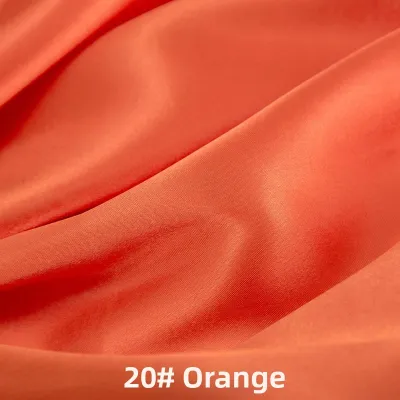
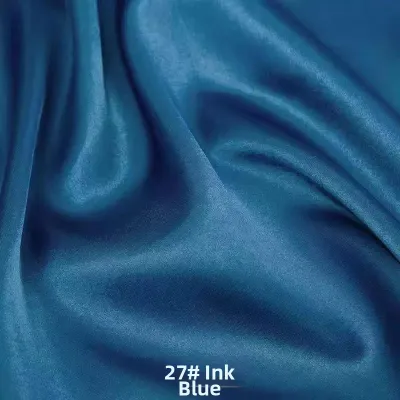
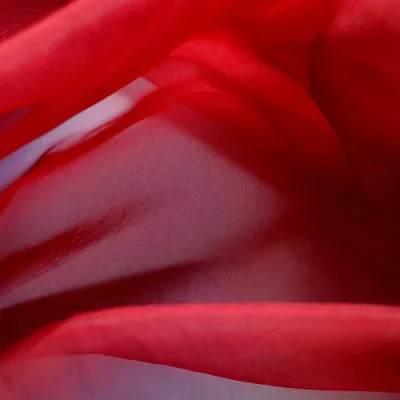
Prices are valid at publication and may change. Please refer to the product page for the latest price.
To simplify your selection process, the following reference table pairs common sewing projects with the most compatible silk cloth types, taking into account their drape, structure, and relative sewing difficulty:
| Silk Cloth Type | Visual Characteristics | Drape & Structure | Best Sewing Projects | Sewing Difficulty |
|---|---|---|---|---|
| Charmeuse | High-gloss front, matte back | Fluid, liquid drape; highly unstable | Lingerie, bias-cut slip dresses, elegant blouses | Advanced |
| Chiffon | Sheer, matte, slightly crepe-like | Airy, floaty drape; very lightweight | Overlays, sheer sleeves, scarves, layered skirts | Advanced |
| Habotai | Moderate sheen, smooth surface | Soft, light drape; limp structure | Garment linings, lightweight summer scarves | Intermediate |
| Dupioni | Lustrous, irregular slubs | Crisp, stiff structure; holds shapes | Structured bridal wear, tailored jackets, pleats | Beginner-friendly |
| Crepe de Chine | Subtle pebbled texture, low sheen | Fluid, elegant drape; moderate body | Everyday blouses, dresses, wide-leg trousers | Intermediate |
Selecting the right fabric involves balancing these physical properties with your personal sewing experience. While a high-gloss charmeuse might look appealing for a slip dress, its slippery nature can frustrate beginners, making a more stable option like crepe de chine a more practical choice for developing skills.
Common Silk Cloth Types and Their Best Sewing Applications
Different weaving techniques produce distinct fabric characteristics. To choose the right material, you must understand how each silk cloth behaves under the needle and on the body.

Charmeuse (Silk Satin)
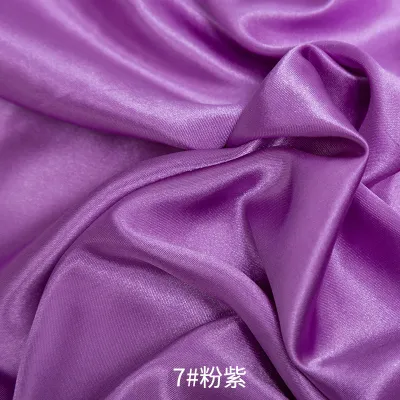
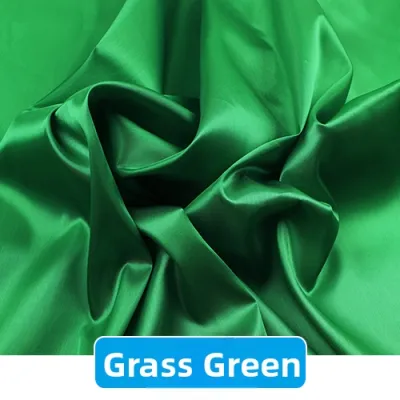
Charmeuse is woven with a satin weave, which allows the warp threads to float over the weft threads, creating a highly reflective, lustrous front surface and a contrasting matte, dull back. This structural design gives charmeuse its signature liquid-like drape, making it the premier choice for garments that need to flow over the body, such as luxury lingerie, bias-cut slip dresses, cowl-neck blouses, and elegant evening wear.
However, this fluid drape comes with a high sewing difficulty. The floating threads make charmeuse incredibly slippery and prone to shifting during cutting and stitching. It also frays easily along raw edges. When working with charmeuse, you must use ultra-fine needles, such as a size 60/8 or 70/10 Microtex needle, and secure the seams carefully to avoid snagging the delicate satin surface.
Chiffon
Chiffon is a lightweight, plain-weave fabric made from highly twisted silk yarns. These twisted fibers give the fabric a slightly puckered, rough hand feel and a sheer, translucent appearance. It has an airy, floating quality that moves beautifully with the slightest breeze, making it ideal for delicate garment overlays, flowing scarves, decorative ruffles, and multi-layered skirts.
Because chiffon is sheer and lightweight, cutting and sewing it requires specialized preparation. The fabric tends to slide off cutting tables and warp out of shape. To stabilize chiffon, you can cut it over a layer of tissue paper or apply a temporary liquid stabilizer that washes out after sewing. Seam finishes must be exceptionally neat, as they are visible from the outside of the garment; French seams are highly recommended to enclose raw edges cleanly.
Habotai (China Silk)
Habotai, historically known as China silk, is a classic plain-weave fabric characterized by its lightweight feel, smooth surface, and moderate, non-reflective sheen. It is generally one of the more affordable silk options available, offering a soft hand that feels comfortable directly against the skin. Because it does not add bulk, it is primarily used as a high-quality lining for wool, cashmere, or heavier silk garments, though it also works well for lightweight summer scarves and silk painting.
While habotai is easier to handle than charmeuse, it has lower tensile durability and is highly prone to seam slippage if the garment is fitted too tightly. Its lightweight nature also means it frays rapidly when cut. You must finish all internal seams using pinking shears, a serger, or clean zigzag stitching to ensure the lining survives regular wear and cleaning.
Dupioni and Shantung
Dupioni and Shantung are crisp, tightly woven silks known for their structural body and distinctive textured surfaces. Dupioni is woven from double-thread cocoons, which creates prominent, irregular horizontal slubs (thick-and-thin bumps) across the fabric. Shantung is similar but woven with single-thread yarns, resulting in a slightly thinner, more uniform texture with fewer slubs. Both fabrics have a lustrous sheen that shifts beautifully in the light, making them favorites for structured bridal wear, tailored jackets, corsetry, and formal home decor like drapery.
These silks are excellent for sewists who are new to working with silk. Because they are crisp and hold creases well, they do not slip or slide during cutting and sewing. However, the irregular slubs can occasionally cause slight needle deflection or snagging. To prevent this, use a sharp, new needle and inspect the stitch line regularly to ensure the needle has not dulled.
Crepe de Chine
Crepe de Chine is a medium-weight fabric woven with alternating S- and Z-twist crepe yarns in the weft. This construction produces a subtle, pebbled texture and a soft, matte finish with a very gentle luster. It offers an elegant, fluid drape that is slightly heavier and more substantial than chiffon or habotai, providing excellent coverage while remaining breathable and light.
This versatility makes Crepe de Chine a highly popular choice for everyday luxury garments, including professional blouses, summer dresses, wide-leg trousers, and gathered skirts. It has a moderate sewing difficulty; while it is more stable than charmeuse, it still requires careful pinning and tension adjustment. A significant benefit of Crepe de Chine is its natural wrinkle resistance, making it highly practical for travel and daily wear.
How to Evaluate Silk Cloth for Your Specific Needs
To select the exact specification of silk for your project, you must look beyond the weave type and evaluate several technical and environmental factors.
Weight and Opacity (Momme)
The weight of silk fabric is measured in a Japanese unit called “momme” (pronounced moe-mee and abbreviated as “mm”). One momme represents the weight in pounds of a piece of fabric that is 100 yards long and 45 inches wide. In metric terms, 1 momme is approximately 4.34 grams per square meter. Understanding this system allows you to judge fabric thickness and opacity online or in-store:
- Lightweight (3 to 10 mm): Highly sheer and delicate. Typical for chiffon (3-6 mm) and light habotai (5-8 mm). Best for linings, overlays, and scarves.
- Mediumweight (12 to 19 mm): Semi-opaque to opaque. Standard for Crepe de Chine (12-16 mm) and lightweight charmeuse (16-19 mm). Excellent for blouses, summer dresses, and shirts.
- Heavyweight (20 to 30+ mm): Completely opaque, highly durable, and substantial. Common for heavy charmeuse (22-30 mm) and silk crepe. Best for structured dresses, trousers, and winter garments.
Sheen and Texture
Match the visual finish of the silk to the formality and aesthetic of your project. High-gloss finishes like charmeuse reflect light intensely, highlighting drapes and curves, but they can also draw attention to sewing imperfections or body contours. Matte or low-sheen finishes, such as Crepe de Chine or silk noil, offer a more understated, casual elegance that transitions easily from daytime wear to evening events. Textured silks like Dupioni add organic depth and visual interest, making them ideal for structured, architectural designs.
Sewing Skill Level
Be realistic about your sewing experience when purchasing silk. If you are a beginner, starting with a highly slippery 12 mm charmeuse can lead to frustration, uneven seams, and wasted fabric. Instead, build your confidence with Dupioni, Shantung, or a stable, medium-weight silk-cotton blend. Once you have mastered handling these stable structures, progress to Crepe de Chine, and eventually to challenging fabrics like chiffon and charmeuse.
Climate and Comfort
Silk is a natural protein fiber with excellent breathability and moisture-wicking properties, making it highly comfortable to wear in warm, humid climates like Singapore. However, in tropical weather, lightweight and medium-weight silks (such as 14 mm Crepe de Chine or 8 mm Habotai linings) perform significantly better than heavy, dense weaves, which can trap heat.
Always verify the fiber content label before purchasing. Many fabrics marketed as “silk satin” or “chiffon” are actually made from 100% synthetic polyester. Polyester does not breathe, traps sweat, and can feel uncomfortably hot in humid conditions. Ensure the label explicitly states “100% Silk.”
Essential Techniques for Cutting, Sewing, and Maintaining Silk
Working with silk requires a shift in your standard sewing habits. Because the fibers are delicate and smooth, traditional preparation and construction methods can damage the fabric.
Preparation
Before making any cuts, check the manufacturer’s care instructions. Silk can shrink significantly when washed. If you plan to hand-wash the finished garment, you must pre-wash the fabric in the same manner to preshrink it. If the manufacturer specifies “Dry Clean Only,” do not expose the fabric to water, as it can cause water spots, loss of sheen, or permanent texture changes.
Cutting and Pinning
Standard sewing pins can leave permanent holes or snags in fine silk weaves. Instead, use ultra-fine glass-head pins or sewist’s pattern weights to hold your pattern pieces in place. When cutting slippery silks like charmeuse or chiffon, lay the fabric in a single layer rather than folded. Placing a non-slip cutting mat or a clean cotton sheet underneath the silk can prevent it from sliding off the table while you cut with a sharp rotary cutter or micro-serrated shears.
Machine Setup
To prevent skipped stitches and puckered seams, configure your sewing machine specifically for fine fabrics:
- Needle: Install a brand-new Microtex or sharp needle in size 60/8 (for very light silks) or 70/10 (for medium-weight silks).
- Thread: Use fine silk thread or high-quality extra-fine polyester thread. Avoid thick, general-purpose threads which can distort the seams.
- Stitch Length: Shorten your stitch length to 1.8 mm to 2.0 mm to secure the fine weave.
- Tension: Reduce the needle tension slightly if you notice the fabric puckering along the stitch line. Always test your settings on a double-layered scrap of your project fabric first.
Care and Storage
To maintain the longevity and luster of your silk garments, always refer to the specific care label. For washable silks, hand wash gently in cool water using a mild, pH-neutral detergent formulated for silk and wool. Never wring or twist the fabric; instead, roll it in a clean towel to press out excess moisture.
Air-dry the garment flat or on a padded hanger away from direct sunlight, which can fade colors and weaken natural fibers. When ironing, use a low silk setting and always place a clean cotton press cloth between the iron and the silk to prevent shiny scorch marks. Store your finished silk garments in a breathable cotton garment bag rather than plastic, which can trap moisture and degrade the fibers over time.
Frequently Asked Questions (FAQ)
What is the best silk cloth for beginners to sew?
Dupioni and Shantung are the best options for beginners. Because of their tight weave, crisp structure, and natural friction, these fabrics do not slide, warp, or slip out of place during cutting and sewing. They crease easily with an iron, making hem preparation straightforward, and they are highly forgiving under the sewing machine foot compared to slippery or sheer varieties.
How do I determine the quality of silk cloth before buying?
To evaluate silk quality, check the momme weight listed on the bolt or product description; a higher momme within a specific fabric category generally indicates a denser, more durable weave. Visually inspect the fabric under good lighting for uniform weaving, consistent dye application without streaks, and a smooth hand feel. Most importantly, verify the fiber content label to ensure it is certified 100% natural silk rather than a synthetic polyester imitation.
Can I wash silk cloth in a washing machine?
You must strictly follow the manufacturer’s care label on your specific fabric. While some modern, pre-treated silk blends or heavy-weight silks can tolerate a gentle, cold-water machine cycle inside a protective mesh laundry bag, most high-quality silks require hand washing or professional dry cleaning. Machine washing can cause severe shrinkage, friction-induced fiber damage, and a permanent loss of the fabric’s original sheen and softness.

Community discussion
Share your experience or ask a question. Comments are reviewed before publication.