
Mesh fabric is a highly versatile textile characterized by its open, knitted, or woven structure that creates a network of closely spaced holes. From structured athletic jerseys to delicate bridal veils and supportive shapewear, this fabric family spans a wide range of weights, elasticities, and textures. Selecting the right variety for your sewing or crafting project requires analyzing how the fabric behaves under tension, how it feels against the skin, and how its fiber content responds to wear. By matching these physical characteristics to your specific pattern requirements, you can ensure your finished project is both durable and comfortable.
Key Characteristics to Evaluate in Mesh Fabrics
Before purchasing mesh fabric from a local textile shop or online marketplace, it is essential to understand the structural properties that define its performance. The most critical factor for apparel projects is the distinction between mechanical stretch and elastane-blend stretch. Mechanical stretch relies entirely on the physical knit pattern of the fibers to provide a slight give, whereas fabrics blended with spandex or elastane offer significant elasticity and recovery. If a pattern requires a high-stretch fabric, using a mesh with only mechanical stretch can lead to a restricted fit and distorted seams.
Weight, drape, and sheerness also vary dramatically across the mesh spectrum. Fine netting and illusion meshes are incredibly lightweight and sheer, offering a delicate drape that floats over other fabrics. In contrast, heavy-duty athletic meshes are thicker, more opaque, and possess a stiffer drape designed to hold its shape. Evaluating these properties in person or checking the manufacturer’s specifications for weight helps you determine if the fabric will hang correctly on the body.
Products mentioned in this guide
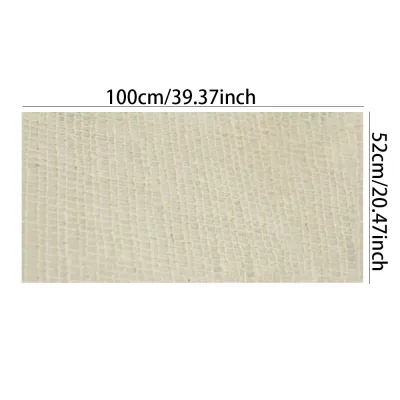
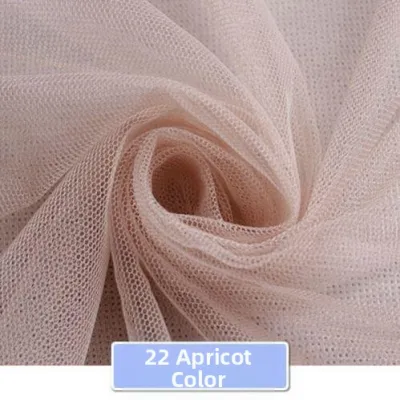
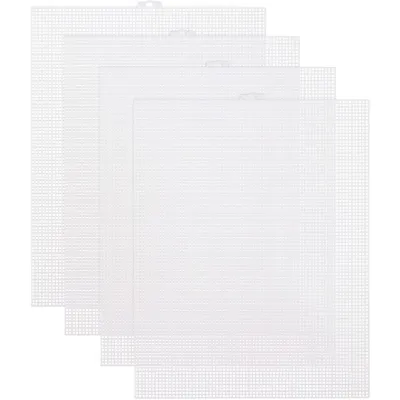
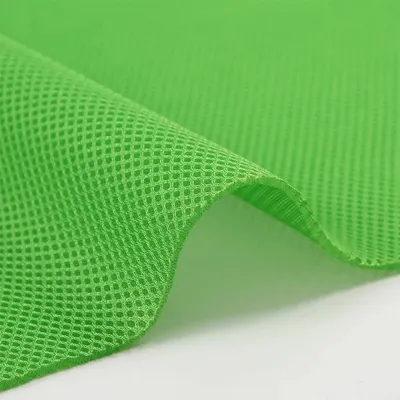
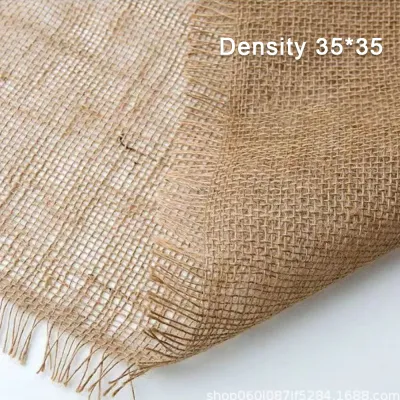
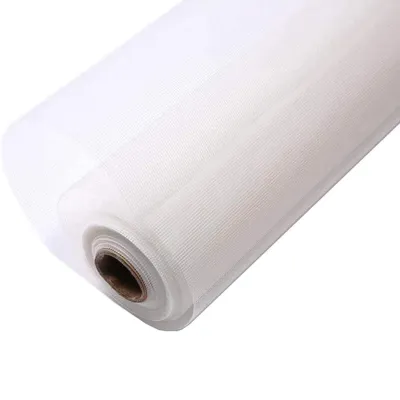
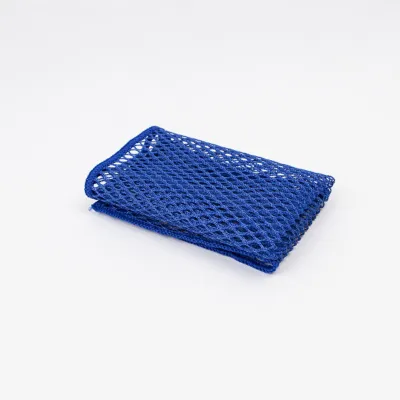
Prices are valid at publication and may change. Please refer to the product page for the latest price.
Hole size and texture directly influence both the breathability and the tactile feel of the fabric. Large, open-mesh structures allow maximum airflow, making them excellent for ventilation panels in sportswear, though they can feel rough against sensitive skin. Fine-gauge meshes feature microscopic holes that provide a smooth, soft hand feel while still maintaining a degree of breathability. When planning garments that sit directly against the skin, always feel the fabric or check reviews regarding its softness to prevent chafing.
Finally, fiber content dictates how you must care for and maintain the finished item. Most commercial meshes are made from synthetic fibers like nylon or polyester, which offer excellent durability, resistance to shrinking, and quick-drying properties. Cotton mesh is also available, offering a natural, highly breathable alternative that is gentle on the skin but prone to shrinking and fading over time. Always verify the fiber composition on the bolt or product listing to ensure the care requirements align with your lifestyle and the other fabrics used in your project.
Common Mesh Fabric Varieties and Their Best Uses
While shopping, you will encounter a wide array of commercial names for mesh fabrics, many of which overlap or are used interchangeably by retailers. To avoid confusion, always verify the actual fiber content, stretch percentage, and weight on the label rather than relying solely on the product title. The diverse world of mesh can be broadly categorized into three main structural groups: stretch meshes, decorative or sheer meshes, and performance athletic meshes.

Power Mesh and Stretch Meshes
Power mesh, also known as power net, is a high-compression knit fabric engineered to provide structural support and shaping. Typically constructed from a blend of nylon and a high percentage of spandex, this fabric is widely used in the construction of lingerie, shapewear, activewear linings, and supportive panels in swimwear. Its defining characteristic is its excellent four-way stretch and recovery, meaning it stretches in all directions and snaps back to its original shape without bagging out over time.
When selecting a stretch mesh, it is vital to verify the compression level and stretch percentage on the product label. High-compression power mesh is stiff to the touch and offers significant resistance when pulled, making it suitable for structural garments. Lightweight stretch meshes, on the other hand, offer a softer feel with gentle elasticity, making them more appropriate for decorative sleeves or comfortable linings. Keep in mind that while these fabrics are highly breathable on their own, layering multiple sheets of high-compression power mesh can significantly reduce airflow and trap heat against the body.
Tulle and Illusion Meshes
Tulle and illusion meshes represent the delicate, decorative side of the mesh family, characterized by their fine, hexagonal netting structure. These fabrics are traditionally used to create volume, structure, and layers in bridal veils, tutus, evening gowns, and sheer skirt overlays. Depending on the fiber content and manufacturing process, tulle can range from extremely stiff and scratchy utility netting to incredibly soft, flowing nylon tulle.
When working with these sheer varieties, you must carefully evaluate the balance between stiffness and drape. Stiff polyester tulle is excellent for creating structural volume under skirts, but it can be uncomfortable if it rubs against the skin. Illusion mesh is a specialized, ultra-fine nylon variety designed to be virtually invisible against the skin, making it the standard choice for sheer necklines and back panels on formal wear. Because these fabrics are incredibly delicate, they do not tolerate heavy tension and require specialized, low-bulk seam finishes to prevent the raw edges from irritating the wearer.
Sport and Performance Meshes
Sport and performance meshes are engineered for durability, ventilation, and moisture management in athletic apparel and utility gear. Commonly found in sports jerseys, basketball shorts, lining for windbreakers, and pocket panels on backpacks, these fabrics are typically made from 100% polyester. This fiber choice ensures the fabric remains lightweight, resists tearing, and does not absorb moisture, allowing sweat to evaporate quickly during physical activity.
When sourcing performance mesh, look for manufacturer specifications indicating moisture-wicking treatments or durability ratings, which enhance the comfort of activewear. These meshes often feature a distinct hole pattern, such as eyelet or birds-eye structures, which optimize airflow. While highly functional for athletic applications, performance meshes have a distinct, casual texture and a somewhat stiff drape that makes them unsuitable for structured, formal, or highly tailored everyday garments.
How to Select the Right Mesh for Your Specific Project
Choosing the correct mesh requires a systematic approach to ensure the fabric’s physical properties align with your sewing pattern. Begin by analyzing the pattern’s stretch requirements. If your pattern is designed for a high-stretch knit with negative ease—meaning the finished garment is smaller than the body measurements—you must select a mesh with matching stretch and recovery, such as a high-quality power mesh. Using a low-stretch or mechanical-stretch mesh for such a pattern will result in a garment that is impossible to put on or will tear at the seams.
Next, consider the opacity and sheerness of the fabric in relation to the garment’s design. If you are using mesh for a full garment, determine whether you will need to incorporate a lining or wear a separate undergarment. For sheer panels or inserts, evaluate how the mesh color matches or complements the main fabric and the wearer’s skin tone. It is often helpful to drape a swatch of the mesh over your hand or the main fabric in natural light to assess its true transparency and color interaction before cutting into your main yardage.
Compatibility in care is another critical factor when combining mesh with other textiles. If you are sewing a cotton knit dress with mesh inserts, ensure both fabrics have similar washing requirements to prevent uneven shrinking or color bleeding. A polyester mesh paired with a shrink-prone cotton can cause the seams to pucker dramatically after the first wash. Always pre-wash all fabrics using the same water temperature and drying cycle you plan to use for the finished garment.
Finally, assess the structural integrity of the mesh to plan your construction methods. Delicate meshes like tulle and illusion net are prone to snagging and tearing under the sewing machine foot, and their raw edges can fray or feel scratchy. Highly elastic meshes can stretch out of shape during stitching, leading to wavy, distorted seams. By identifying these risks early, you can select appropriate stabilizers, seam finishes, and edge treatments to protect the fabric and ensure a clean, professional finish.
Essential Sewing and Handling Tips for Mesh
Working with mesh can be challenging due to its slippery nature and open structure, but employing the right techniques makes the process straightforward. When cutting mesh, avoid using traditional pins, which can easily slip through the holes or distort the fabric. Instead, lay the fabric flat on a cutting mat, secure the pattern pieces with heavy pattern weights, and cut using a sharp rotary cutter. This method keeps the fabric completely flat and prevents the shifting that often occurs when lifting the fabric with shears.
Selecting the correct needle and thread is paramount to preventing skipped stitches and fabric damage. For stretch and power meshes, always use a ballpoint or stretch needle. These needles feature a rounded tip that slides between the knit loops rather than piercing and breaking the elastic fibers, which can cause runs in the fabric. For fine, non-stretch meshes like tulle, a slim universal or microtex needle is ideal. Pair these needles with a high-quality, smooth polyester thread, which offers the necessary strength and flexibility to match the fabric’s properties.
Your choice of stitch must accommodate the elasticity of the mesh. When sewing stretch mesh on a standard sewing machine, use a narrow zigzag stitch, a triple stretch stitch, or a built-in stretch stitch to ensure the seam can expand without snapping the thread. If you have access to a serger, a three-thread or four-thread overlock stitch provides a highly professional, durable, and flexible finish. For delicate, non-stretch meshes, a French seam or a bound seam is excellent for enclosing raw edges, preventing irritation, and keeping the seam flat.
To prevent the sewing machine from chewing or stretching the mesh at the beginning and end of seams, utilize stabilizers. Placing a strip of tissue paper or water-soluble stabilizer underneath the fabric while stitching provides the feed dogs with a solid surface to grip. Once the seam is complete, the tissue paper can be gently torn away, or the water-soluble stabilizer can be washed out with warm water. This simple step prevents puckering and ensures your seams remain perfectly flat and professional.
Frequently Asked Questions (FAQ)
Does mesh fabric fray when cut?
Whether mesh fabric frays depends entirely on its construction. Knitted meshes, such as power mesh and athletic eyelet mesh, are constructed with interlocking loops that generally do not fray or unravel when cut, allowing you to leave raw edges unfinished if desired. Woven meshes and stiff, low-quality tulles, however, can experience minor fraying or fiber shedding along cut lines. To ensure durability and comfort, it is best to finish raw edges with a serger, a zigzag stitch, or bias binding, especially on garments subject to frequent wear and washing.
Can you dye synthetic mesh fabrics at home?
Dyeing synthetic mesh fabrics at home is challenging but possible if you use the correct materials. Because most commercial meshes are made from polyester or nylon, standard household dyes designed for natural fibers like cotton will not adhere to them. Nylon mesh can be dyed using acid dyes or specialized all-purpose dyes at high temperatures, while polyester mesh requires disperse dyes formulated specifically for synthetics, which must be applied in a boiling dye bath. Always check the fiber content label first and perform a test on a small scrap piece to verify the color results before dyeing your entire project.
What is the best needle for sewing power mesh?
The best needle for sewing power mesh is a stretch needle or a ballpoint needle, typically in a size 70/10 or 80/12 depending on the fabric’s weight. These needles are designed with a medium ball point that gently pushes aside the elastic and synthetic fibers of the power mesh rather than cutting through them, which prevents skipped stitches and fabric runs. It is highly recommended to start your project with a brand-new needle, as even slightly dull needles can snag the delicate mesh fibers and cause permanent damage to your fabric.

Community discussion
Share your experience or ask a question. Comments are reviewed before publication.