
Selecting the perfect indian fabric for your next sewing project requires looking beyond vibrant colors and intricate patterns. The rich textile heritage of India offers an incredibly diverse range of weaves, weights, and fibers, each behaving differently under the sewing machine foot. Whether you are crafting a breathable daily garment for Singapore’s humid climate or designing an elegant, structured outfit for a formal event, matching your fabric’s physical properties to your pattern is the key to a professional-looking finish.
To make an informed decision, you must analyze how a fabric behaves in terms of weight, drape, and structure. Choosing the wrong material can lead to distorted seams, poor fit, or a garment that is uncomfortable to wear. By understanding the unique characteristics of Indian cottons, silks, and sheer synthetics, you can confidently select the ideal textile and apply the correct sewing techniques to bring your vision to life.
Key Properties to Evaluate Before Cutting Indian Fabric
Before you even lay out your pattern pieces, it is crucial to recognize that the term ‘Indian fabric’ is an umbrella designation covering a vast spectrum of textiles. A fabric’s name alone does not dictate its sewing behavior or how it will perform over time. To ensure your sewing project succeeds, you should systematically evaluate four core physical properties: weight, drape, breathability, and surface texture.
Products mentioned in this guide
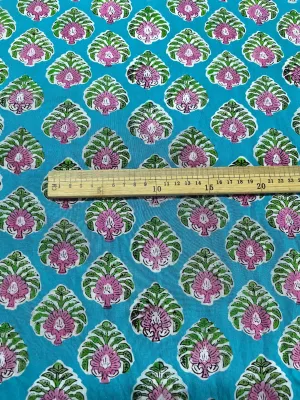
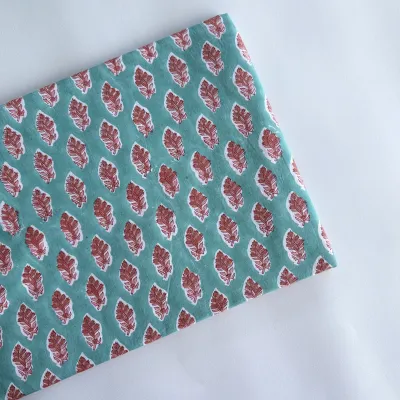
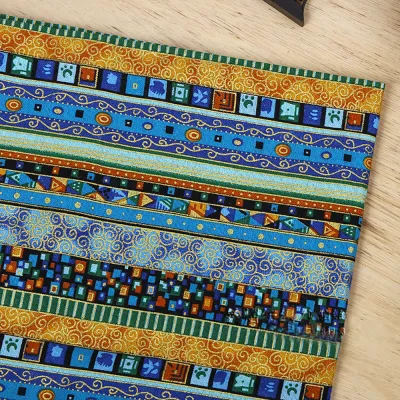
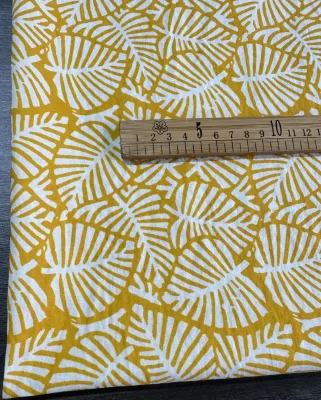
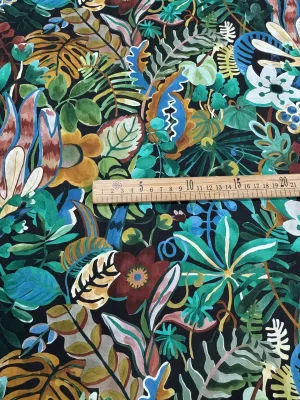
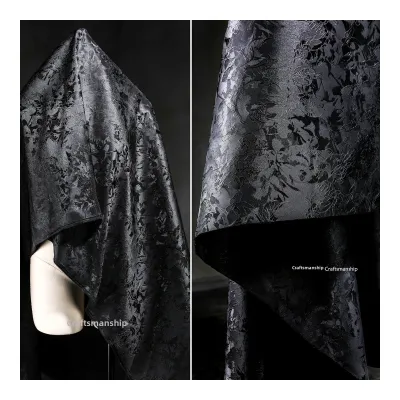
Prices are valid at publication and may change. Please refer to the product page for the latest price.
Weight is typically measured in grams per square meter (GSM). Lightweight fabrics (under 100 GSM), such as Mulmul, are highly breathable but require delicate handling and fine needles. Medium-weight fabrics (100 to 200 GSM), like block-printed cottons, offer excellent stability and are highly recommended for beginners. Heavyweight fabrics (above 200 GSM), such as brocades and heavy embroidered silks, provide substantial structure but demand robust sewing machines and heavy-duty needles.
Drape refers to how the fabric falls and folds under its own weight. A fluid drape is essential for flowing dresses and sarees, whereas a structured drape is necessary for tailored jackets and pleated skirts. Breathability is another vital consideration, especially if you live in a tropical environment like Singapore. Natural fibers like cotton, linen, and pure silk allow air circulation, keeping you cool, whereas synthetic blends may trap heat and moisture.
Surface texture also plays a significant role in your sewing strategy. Slubbed, embroidered, or embellished surfaces require extra care during cutting and stitching. You must also distinguish between handloom and power-loom textiles. Handloom fabrics, woven on manual looms, often feature charming irregularities, minor slubs, and slight variations in weave tension. These characteristics are hallmarks of artisanal craftsmanship but require careful pattern placement to avoid placing weak spots on high-stress seams. Power-loom fabrics, by contrast, offer perfect uniformity but may lack the unique organic texture of hand-woven pieces. Always touch the fabric hand-feel and check the manufacturer’s care instructions before committing to a cut.
Cotton and Blends: Breathable Choices for Everyday Sewing
Indian cottons are world-renowned for their exceptional quality, softness, and suitability for hot, humid climates. If you are sewing everyday garments, casual wear, or loungewear for tropical weather, these breathable fabrics and their blends should be at the top of your list.

- Mulmul (Muslin): This legendary, extremely lightweight cotton is exceptionally soft and airy. Because of its fine weave, Mulmul is highly breathable, making it a favorite for hot-weather clothing, delicate linings, and baby garments. However, its delicate nature means it is prone to shifting during cutting and fraying rapidly at raw edges. When sewing Mulmul, use a fine needle (size 60/8 or 70/10) and consider stabilizing the seams with lightweight interfacing or sewing French seams to prevent unraveling.
- Khadi (Handspun Cotton): Khadi is a hand-spun, hand-woven cotton fabric characterized by its textured, slightly uneven surface. This unique texture creates a natural air pocket effect, making it incredibly cool in summer and warm in cooler weather. Khadi holds its structure beautifully, making it an excellent choice for tailored kurtas, structured shirts, trousers, and light casual jackets. It is generally stable and easy to sew, though you should watch out for slight variations in fabric thickness along the grainline.
- Block-Printed and Ikat Cottons: Typically medium-weight, these fabrics are incredibly stable, making them a joy to cut and sew, even for novice sewists. Block-printed cottons feature beautiful hand-stamped designs, while Ikat fabrics display patterns created by resist-dyeing the yarns before weaving. When working with these textiles, pattern matching at the seams is essential to maintain the visual continuity of the design. Always purchase an extra 10% to 15% of fabric to allow for precise pattern placement.
Regardless of the specific cotton variety you choose, pre-washing is an absolute necessity. Indian cottons, particularly those dyed with natural pigments like indigo or madder, are prone to significant shrinkage and color bleeding during their first few washes. To avoid ruining your finished garment, wash the fabric in cold water with a color-retaining agent or a splash of white vinegar to help set the dyes, then press it thoroughly before cutting.
Silk Varieties: Navigating Drape and Structure for Formal Wear
Indian silks are celebrated for their luxurious textures, rich colors, and exquisite craftsmanship. However, the category is highly diverse, ranging from stiff, heavily ornamented brocades to fluid, lightweight weaves. To select the right silk for your formal wear project, you must match the fabric’s structure to your garment’s design.
- Structured Silks (Kanjeevaram and Banarasi): These are heavy, dense fabrics often woven with intricate metallic threads known as Zari. Kanjeevaram and Banarasi silks possess a naturally stiff structure that holds volume, pleats, and dramatic shapes exceptionally well. They are ideal for structured evening wear, formal jackets, bridal gowns, or decorative paneling. Because of their thickness and metallic content, these fabrics require heavy-duty sewing machine needles (size 90/14 or 100/16) and robust, high-quality polyester thread to prevent seam breakage.
- Fluid Silks (Tussar and Chanderi): If your project demands movement, elegance, and a softer silhouette, look to Tussar and Chanderi silks. Tussar silk, also known as wild silk, has a lovely textured, slightly matte finish with a natural golden sheen. It offers a moderate drape that works beautifully for tailored blouses and relaxed formal dresses. Chanderi silk is an ultra-lightweight, semi-sheer blend of silk and fine cotton, characterized by its delicate shimmer and airy feel. It is perfect for flowing dupattas, sheer overlays, and elegant summer blouses.
Sewing with heavily embellished or Zari-woven silks presents unique challenges. The metallic threads can easily dull or snap standard sewing needles, leading to skipped stitches or fabric damage. To avoid this, plan your pattern layout to minimize seam lines running directly over dense embroidery. If necessary, carefully remove the heavy Zari threads or beads from the seam allowance area before stitching to protect your machine and ensure a flat, comfortable seam.
Sheer and Lightweight Fabrics: Handling Chiffon, Georgette, and Organza
Lightweight, sheer Indian fabrics add an ethereal quality to festive wear, evening gowns, and draped garments. However, their slippery nature and delicate structures can make them intimidating to sew. Understanding how to handle Chiffon, Georgette, and Organza will help you overcome common construction hurdles.
- Chiffon: This is an extremely lightweight, highly slippery fabric with a fluid, liquid-like drape. It is completely sheer and moves constantly, making cutting and sewing a test of patience.
- Georgette: Made with highly twisted yarns, Georgette has a slightly crinkled, matte texture that gives it more 'grip' than chiffon. It has a subtle natural stretch and a beautiful, heavy drape, making it slightly easier to control under the presser foot while still offering a flowing silhouette.
- Organza: Unlike chiffon and georgette, Organza is a crisp, stiff, sheer fabric that holds its shape and volume. It is perfect for creating structured ruffles, dramatic statement sleeves, and voluminous overlays.
The primary sewing difficulties with these fabrics include shifting during cutting, seam puckering, and rapid fraying. To prevent the fabric from sliding around while cutting, lay it over a sheet of tissue paper or a cutting mat, and use a sharp rotary cutter instead of shears. Secure the fabric layers with fine, sharp pins or pattern weights.
When stitching, insert a brand-new microtex or sharp needle (size 60/8 or 70/10) into your machine. Placing a strip of tissue paper or water-soluble stabilizer directly beneath the seam can prevent the delicate fabric from being pulled down into the needle plate. Reduce your machine’s thread tension slightly to avoid puckering. For a professional inside finish, always use French seams, which completely enclose the raw edges and prevent the fabric from fraying during wear and washing.
Matching Fabric Properties to Your Specific Sewing Project
To ensure your sewing project is a complete success, you must align the physical properties of your chosen indian fabric with the functional requirements of your garment. A fabric that works beautifully for a structured jacket will fail miserably if used for a flowing summer dress.
Use the following matrix to guide your selection process, ensuring you choose a material that offers both the desired aesthetic and the necessary structural support:
| Project Type | Recommended Indian Fabrics | Key Properties & Benefits | Fabrics to Avoid |
|---|---|---|---|
| Everyday Summer Wear & Loungewear | Mulmul, lightweight block-printed cottons, cotton-linen blends | Extremely breathable, soft against the skin, easy to wash, absorbs moisture in humid climates. | Heavy Banarasi silk, thick brocades, heavily embroidered georgettes (too hot and stiff). |
| Structured Tailoring & Jackets | Khadi cotton, Kanjeevaram silk, heavy raw silk, cotton brocades | Holds structure, supports interfacing, presses crisply, defines darts and collars. | Slippery chiffon, lightweight Chanderi, highly fluid georgette (lacks structural support). |
| Flowing Evening Wear & Dupattas | Georgette, Chiffon, Tussar silk, soft crepe | Elegant fluid drape, beautiful movement, conforms to body contours, lightweight. | Crisp Organza, heavy Banarasi brocade, stiff Khadi (will not drape or flow naturally). |
| Volume, Overlays, & Statement Sleeves | Organza, stiff Chanderi silk, lightweight metallic tissue | Holds shape and volume without adding heavy weight, sheer, creates dramatic silhouettes. | Heavy cottons, limp chiffons, dense wool-silk blends (will collapse or look bulky). |
By consulting this matrix before purchasing your materials, you can avoid common sewing mismatches. For instance, attempting to sew a gathered, tiered maxi dress out of heavy Banarasi silk will result in a bulky, uncomfortable, and excessively hot garment that is impractical for Singapore’s climate. Conversely, attempting to sew a tailored blazer out of chiffon will result in a limp, shapeless garment that cannot support its own collar or pockets.
Essential Preparation and Sewing Tips for Indian Textiles
Achieving a professional-grade finish with Indian textiles requires careful preparation and specialized sewing techniques. Because many of these fabrics are hand-woven or hand-dyed, they require more preparation than standard commercial synthetic fabrics.
First, always pre-wash your fabrics. For cottons like Mulmul and Khadi, hand-wash or use a gentle machine cycle in cold water. If you notice significant dye bleeding, add a handful of salt or a splash of white vinegar to the water to help lock the dye molecules into the fibers. For delicate silks, hand-washing with a pH-neutral silk wash or professional dry cleaning is recommended to preserve the fiber’s natural luster and prevent shrinkage.
Next, select your needle and thread carefully. Match the needle size to the weight of the fabric: use size 60/8 or 70/10 sharp needles for chiffons and fine silks, size 80/12 universal needles for medium cottons, and size 90/14 or 100/16 jeans needles for heavy brocades. High-quality polyester thread is generally the safest choice as it offers strength and slight elasticity, but pure silk thread is excellent for sewing high-end silk garments.
Edge finishing is critical because many Indian fabrics, particularly handloom cottons and loosely woven silks, are highly prone to fraying. If you own a serger (overlocker), finish all internal seams immediately after stitching. If you do not have a serger, use pinking shears, sew a classic zigzag stitch along the edges, or encase the seams in lightweight bias binding.
Finally, practice proper pressing techniques. Always use a clean pressing cloth to protect the fabric surface from scorch marks, water spots, or unwanted shine. Set your iron temperature according to the fiber content: low heat for synthetics and delicate silks, and medium-high heat with steam for sturdy cottons. Press down gently rather than sliding the iron back and forth, which can stretch bias-cut seams out of shape.
Frequently Asked Questions (FAQ)
How should I wash and store Indian fabrics with Zari or heavy embroidery?
Heavily embellished Indian fabrics featuring metallic Zari threads, delicate beadwork, or intricate embroidery require specialized care to prevent tarnishing and damage. Standard washing machines can easily snag the threads or cause the metallic plating on Zari to flake off. For garments like Banarasi silk sarees, bridal lehengas, or heavily embroidered kurtas, professional dry cleaning is highly recommended.
When storing these precious textiles, never hang them for extended periods, as the heavy embellishments can stretch the base fabric out of shape over time. Instead, fold the garments carefully. Place sheets of acid-free tissue paper or clean, unbleached muslin cloth between the folds to prevent the metallic threads from catching on the fabric or rubbing against each other. To protect the Zari from oxidizing and tarnishing due to high humidity, store the folded garments in breathable cotton storage bags rather than plastic containers.

Community discussion
Share your experience or ask a question. Comments are reviewed before publication.