
Encouraging stickers are more than just colorful pieces of adhesive paper; they are tangible symbols of recognition that can shape a child’s attitude toward learning. In Singapore’s primary school landscape, where students navigate a structured curriculum from Primary 1 through Primary 6, the right sticker can spark joy, reinforce positive behavior, and build academic confidence. However, a sticker that delights a seven-year-old starting Primary 1 will likely fail to motivate an eleven-year-old preparing for their upper primary assessments. To make these small rewards truly effective, parents and educators must align sticker designs, materials, and messages with the distinct cognitive, emotional, and social developmental stages of each grade level.
Why Developmental Stages Matter When Choosing Stickers
As children progress through primary school, their psychological needs and sources of motivation undergo a profound shift. In the early years, students rely heavily on external visual rewards to understand that they have done a good job. A bright, shiny sticker placed directly on their worksheet provides immediate validation, helping them connect effort with positive outcomes. As they enter middle primary, this external drive begins to transition into internal motivation and a desire for peer validation. They care less about a generic praise from an adult and more about how their achievements and personal belongings are perceived by their classmates.
Matching sticker themes to reading levels and evolving interests is crucial for maintaining their utility as motivational tools. For younger children, complex text is a barrier, so visual cues must do the heavy lifting. For older students, sophisticated language, subtle humor, or minimalist designs are necessary to capture their attention. If parents or educators use designs that feel too childish for upper primary students, it can cause immediate disengagement. An older child may feel patronized by a cartoonish smiley face, viewing the reward as a babyish gesture rather than a genuine acknowledgment of their hard work. Selecting age-appropriate stickers ensures that the reward remains respectful of the student’s growing maturity.
Products mentioned in this guide
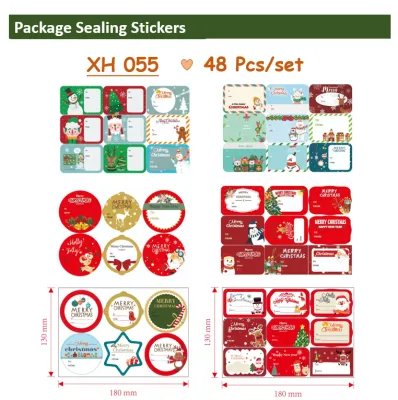
Prices are valid at publication and may change. Please refer to the product page for the latest price.
Lower Primary (Grades 1-2): Visuals, Simplicity, and Immediate Rewards
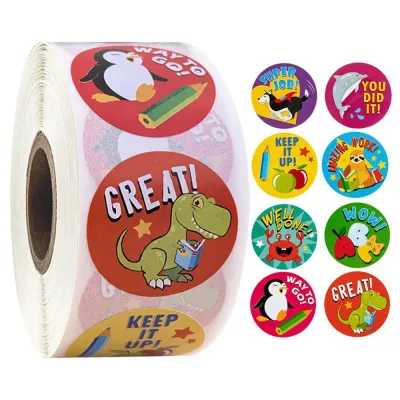
For students in Primary 1 and Primary 2, the transition into a structured school environment is a major milestone. At this stage, encouraging stickers should focus on high-contrast colors, large formats, and familiar, friendly characters that instantly capture their imagination. Bright primary colors and bold outlines help young learners quickly identify the reward, creating an immediate sense of accomplishment. Characters like friendly animals, smiling stars, or cheerful suns provide a sense of comfort and familiarity, making the classroom feel like a welcoming space.

The text on these stickers must remain highly accessible. Simple phrases like “Great!”, “Super!”, or “Well Done!” are ideal, as are single-word praises that students can easily decode on their own. Visual cues, such as classic gold stars, thumbs-up illustrations, or simple smiley faces, are incredibly powerful because they do not require advanced reading skills to convey success. This immediate visual feedback helps young children build positive associations with reading, writing, and behavioral compliance without adding cognitive strain.
Tactile and textured stickers are particularly effective for lower primary students, who still learn and engage heavily through sensory experiences. Puffy stickers, glittery finishes, and metallic foil accents offer a physical sensation that makes the reward feel extra special. Peeling and placing these textured stickers also supports the development of fine motor skills and hand-eye coordination. When choosing these items, parents and teachers should look for options with easy-peel backing sheets, allowing small hands to manage the stickers independently without tearing the paper or becoming frustrated.
Safety is a paramount consideration for this age group. It is essential to verify that all stickers are made from non-toxic, child-safe materials, especially since younger children may still occasionally put their fingers or decorated items near their mouths. Checking product packaging for safety certifications and ensuring the adhesives are acid-free and skin-safe will prevent accidental irritation. By focusing on simple, safe, and highly visual designs, you can create a positive reinforcement system that helps lower primary students build foundational habits with confidence.
Middle Primary (Grades 3-4): Hobbies, Humor, and Growing Independence
As students enter Primary 3 and Primary 4, their cognitive abilities expand, and they begin to develop distinct personal identities, hobbies, and social circles. During this transitional phase, generic rewards lose their appeal, and stickers must evolve to reflect the children’s growing independence. Transitioning to hobby-based and interest-driven designs is an excellent way to keep these students engaged. Stickers featuring themes like sports equipment, space exploration, realistic animals, or gaming aesthetics resonate deeply with their personal lives outside the classroom, making the encouragement feel personalized and relevant.
Introducing mild humor and clever wordplay is highly effective for middle primary students, who are beginning to appreciate puns and double meanings. Stickers that feature funny animal illustrations paired with encouraging puns—such as a picture of a koala with the text “Koala-ty Work!” or a bee saying “Bee-lieve in Yourself!”—add an element of fun that keeps learning lighthearted. Interactive stickers, such as scratch-off reward cards or color-in stickers, also work wonderfully at this stage. These formats turn the receipt of a sticker into an active experience, maintaining high engagement levels even during challenging academic tasks.
At this stage, stickers can also transition from simple behavioral rewards to functional tools for goal-tracking and self-regulation. Students can use small, colorful stickers to mark progress on reading logs, track daily homework completion, or celebrate milestones in long-term science or art projects. This shift encourages students to take ownership of their learning journey, using the stickers as visual representations of their personal progress rather than just tokens handed down by an authority figure.
While humor and personal interests are encouraged, it is important to balance fun with classroom appropriateness and school guidelines. Parents and educators should ensure that any humorous or gaming-themed stickers remain respectful and free of aggressive imagery. Stickers used on school-bound notebooks or folders should comply with general school rules regarding neatness and distraction-free materials. By selecting stickers that bridge the gap between playful humor and academic responsibility, you can support middle primary students as they navigate their expanding worlds.
Upper Primary (Grades 5-6): Aesthetics, Subtle Motivation, and Peer Trends
Students in Primary 5 and Primary 6 are preparing for major academic transitions and are highly sensitive to peer dynamics and self-image. Overtly childish stickers will almost certainly be rejected or hidden away. Instead, encouraging stickers for upper primary students should focus on sophisticated aesthetics, subtle motivation, and opportunities for personal expression. Minimalist designs, elegant typography, and muted pastel or metallic color palettes are highly popular among this demographic, as they align with the visual styles seen in adult stationery and lifestyle trends.
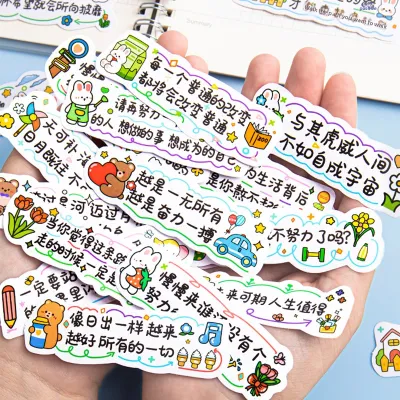
These older students often use stickers to decorate personal planners, study diaries, and journaling notebooks. Stickers that feature clean, modern fonts with inspiring but mature quotes—such as “Progress Over Perfection,” “Focus,” or “Keep Growing”—provide quiet encouragement without drawing unwanted attention from peers. Abstract art, geometric patterns, and botanical illustrations also appeal to their developing aesthetic tastes, allowing them to personalize their study spaces in a way that feels mature and self-directed.
In upper primary, stickers serve primarily as tools for organization, time management, and self-expression. Functional stickers, such as colorful index tabs, checklist bullets, and subject-specific icons, help students manage their increasingly busy study schedules and exam preparation. By choosing stickers that double as organizational aids, parents and teachers can support students’ executive functioning skills while subtly reinforcing positive study habits.
Navigating peer trends and pop-culture references is a key aspect of choosing stickers for this age group. While students may be drawn to specific internet memes, gaming trends, or popular characters, it is vital to ensure that the content remains entirely school-safe and age-appropriate. Avoid stickers with ambiguous slang or designs that could be interpreted as exclusionary. Opting for high-quality, aesthetic sticker sheets that focus on positive mindset concepts, mindfulness, and clean design ensures that the rewards remain supportive, respectful, and highly valued by older primary students.
Practical Buying Checklist for Parents and Educators
Selecting the right encouraging stickers involves evaluating practical factors beyond visual design to ensure they are durable, safe, and easy to use. Before purchasing from local stationery shops or online marketplaces, consider the following checklist to make an informed decision:
- Adhesive Quality: Look for stickers that offer a balance of secure adhesion and residue-free removal. This is particularly important for school supplies, as students often apply stickers to textbooks, plastic folders, and personal devices. High-quality removable adhesives allow students to reposition or remove stickers without tearing paper covers or leaving behind a sticky, dirt-attracting residue.
- Material Selection: Match the sticker material to its intended application. Paper stickers are highly cost-effective and ideal for temporary use on worksheets, spelling tests, and progress charts. They are also easy to write on with standard pens or pencils. For items that experience heavy wear and tear, such as water bottles, lunchboxes, and laptop lids, opt for vinyl or waterproof stickers. These materials resist moisture, friction, and fading, ensuring the encouraging message lasts throughout the school term.
- Safety and Compliance: Always verify the manufacturer's safety labels and age recommendations on the packaging. Ensure the stickers are certified non-toxic, lead-free, and phthalate-free, especially when buying in bulk for younger children. For lower primary students, check for potential choking hazard warnings if the stickers include small, detachable parts or dimensional embellishments like rhinestones or tiny plastic eyes.
- Format and Value: Consider how the stickers will be distributed. For classroom teachers or parents managing large study groups, bulk rolls containing hundreds of repeating designs offer excellent value and convenience. For individual rewards, personal goal-tracking, or gifting, curated sticker sheets or themed booklets provide a wider variety of unique designs, allowing children to choose the specific sticker that resonates most with them.
Frequently Asked Questions (FAQ)
How can I remove sticker residue from textbooks or folders?
Removing stubborn adhesive residue from school supplies requires a gentle touch to avoid damaging the underlying surface. Start by using a fingernail or a flat plastic scraper, such as an old membership card, to carefully peel away as much of the dry residue as possible. For plastic folder covers or laminated textbook jackets, you can apply a tiny drop of mild vegetable oil or a specialized, paper-safe adhesive remover to a microfiber cloth and gently rub the sticky area in a circular motion. Always perform a quick spot test on an inconspicuous corner of the cover first to ensure the liquid does not discolor or warp the material. If the textbook has an uncoated paper cover, avoid liquids entirely; instead, use a clean art eraser to gently roll the adhesive away, or consult the publisher’s care guidelines for delicate materials.
Are vinyl stickers better than paper stickers for school supplies?
Whether vinyl or paper stickers are better depends entirely on where they will be applied and how long they need to last. Vinyl stickers are highly durable, water-resistant, and flexible, making them the ideal choice for personal items that undergo daily handling and washing, such as water bottles, metal pencil cases, and laptop covers. They resist tearing and fading, maintaining their encouraging designs even under harsh conditions. However, paper stickers are far more economical for daily classroom grading, homework feedback, and temporary progress charts. Paper stickers also allow teachers or parents to write personalized notes, dates, or grades directly onto the sticker surface using standard ballpoint pens or markers. Before applying any sticker to expensive electronic devices, check the manufacturer’s specifications to ensure the adhesive will not damage specialized coatings.

Community discussion
Share your experience or ask a question. Comments are reviewed before publication.