
Selecting a table calendar for 2027 involves more than finding a simple grid of dates to place on your desk. A well-designed desk calendar serves as a central hub for daily productivity, a visual anchor for your workspace, and a reliable tool for tracking deadlines, meetings, and personal milestones. In an increasingly digital world, the physical act of writing down appointments and seeing your month at a glance provides a cognitive benefit that screens cannot easily replicate. Choosing the right brand ensures that your calendar remains durable, functional, and aesthetically pleasing throughout the entire year.
To make an informed decision, you must look beyond cover designs and examine the structural elements that define a high-quality paper product. The ideal calendar should align with your specific planning habits, accommodate your preferred writing instruments, and fit comfortably within your physical workspace. By evaluating key manufacturing standards, layout options, and paper specifications, you can select a table calendar that enhances your daily workflow and withstands daily wear and tear.
Core Criteria for Evaluating Calendar Brands
When searching for the perfect table calendar for 2027, establishing a clear set of evaluation criteria is essential for distinguishing high-quality products from poorly made alternatives. The market is filled with options, ranging from specialized stationery manufacturers with decades of paper-making heritage to general merchandise brands that produce calendars as seasonal novelties. Understanding the differences between these manufacturers helps you invest in a product that will not fall apart by mid-year.
Products mentioned in this guide
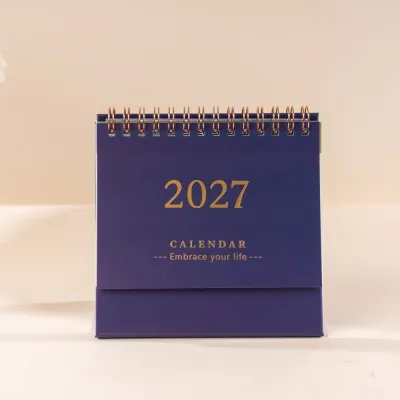
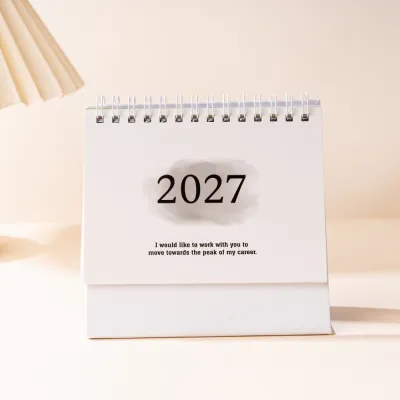
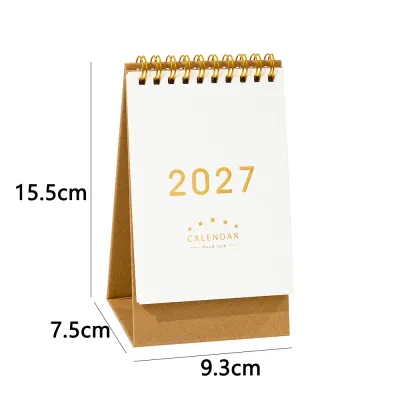
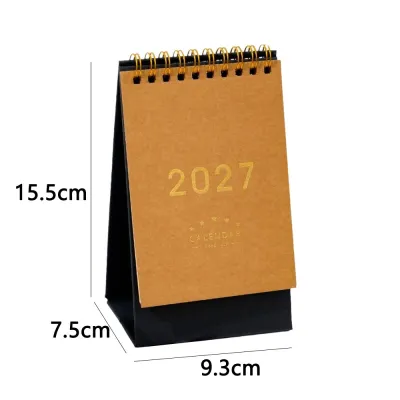
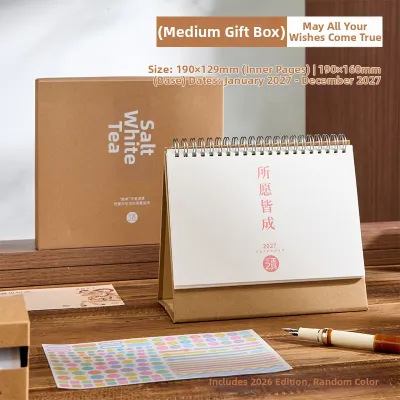
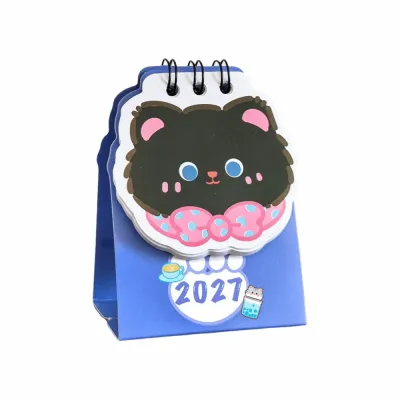
Prices are valid at publication and may change. Please refer to the product page for the latest price.
Specialized stationery manufacturers typically prioritize paper engineering, structural integrity, and typographic clarity. These brands invest in high-grade paper stock that is specifically formulated to handle various ink types, and they design their layouts with careful attention to visual hierarchy and readability. In contrast, general merchandise brands often focus on trendy cover illustrations or licensed characters, sometimes compromising on paper weight, binding durability, and grid functionality. If your calendar is meant to be an active planning tool rather than a purely decorative piece, focusing on specialized stationery brands is generally the more reliable path.
Consistency in annual design themes and layout predictability is another hallmark of a reputable calendar brand. Many professionals rely on a specific grid format year after year to maintain their planning systems. Established brands tend to keep their core layouts consistent, making minor refinements rather than drastic redesigns that force you to adapt to an entirely new system. When evaluating a brand, look at their historical product lines to see if they maintain a stable design language, clean typography, and predictable page structures.
Transparency in material sourcing and manufacturing standards is also a strong indicator of brand reliability. Reputable manufacturers often provide detailed specifications for their products, including the exact paper weight measured in grams per square meter (gsm), the type of binding used, and the environmental certifications of their paper sources. They also tend to have a track record of positive customer feedback regarding page-turning smoothness and stand stability. Checking for these details in product descriptions or user reviews helps you verify that a brand is committed to quality control and customer satisfaction.
Matching Calendar Layouts to Your Planning Style
Your daily scheduling habits and desk space constraints should dictate the layout of your 2027 table calendar. Different formats serve distinct planning styles, and choosing the wrong layout can lead to an underutilized calendar or a cluttered workspace. Understanding how you interact with your schedule throughout the day will help you select the most effective format.

Daily page-per-day layouts are ideal for individuals who require detailed task tracking, time-blocking, or space for daily journaling. These calendars provide a dedicated page for each day, offering ample room to write down hourly appointments, comprehensive to-do lists, and reflective notes. This format is particularly useful for busy professionals, freelancers, or students who manage complex daily schedules. However, because they contain more pages, daily table calendars are typically thicker and heavier, requiring a sturdy base and a permanent spot on your desk.
Weekly and monthly spreads are better suited for high-level overviews, long-term project planning, and team coordination. A monthly grid allows you to see the entire month at a glance, making it easy to identify upcoming deadlines, travel dates, and recurring meetings. Weekly layouts strike a balance between daily detail and monthly perspective, providing a structured view of your week across a two-page spread. These formats are excellent for managers who need to coordinate team schedules or individuals who prefer a clean, uncluttered view of their commitments.
The physical structure of the calendar also impacts its usability and desk footprint. Tear-off pads are designed to lie flat on your desk, allowing you to write easily and tear away pages as time passes. While convenient, they do not offer the ability to flip back and reference past months easily. Flip-style wire-bound calendars utilize a spiral binding that allows you to turn pages smoothly and keep past records intact. Standing tent formats feature a triangular cardboard base that props the calendar upright, maximizing vertical space and keeping your schedule visible at eye level. Consider your available desk space and whether you prefer a flat writing surface or an upright display before choosing a format.
Assessing Paper Quality and Functional Features
The tactile experience of using a table calendar depends heavily on paper quality and structural construction. Since you will be interacting with your calendar daily for a full year, assessing these physical characteristics is crucial to ensure a frustrating-free planning experience.
Paper weight and finish are the primary factors that determine how well a calendar handles different writing instruments. Standard copy paper is typically around 70 to 80 gsm, which is highly prone to ink bleed-through, ghosting, and feathering when used with gel pens, rollerballs, or fountain pens. For a table calendar, look for paper weights of at least 100 gsm, with 120 gsm to 150 gsm being the sweet spot for premium products. A smooth, matte finish is generally preferred, as it allows pens to glide effortlessly across the page while ensuring that ink dries quickly to prevent smudging.
When selecting a calendar, it is also important to verify its physical dimensions to ensure it fits your desk space without obstructing other items. Check the paper size standards (such as A5 or custom dimensions) and how they fit your writing style. If you use refillable calendar systems, verify the compatibility of the binding rings or base slots with standard refills. Additionally, consider how the paper medium interacts with your specific writing tools; the drying speed and bleed resistance of your ink or consumable type—whether gel, ballpoint, or fountain pen ink—will depend on the exact combination of paper fibers and ink formulation. Conducting a small trial on an inconspicuous corner of the page is an effective way to verify erasability and smoothness before committing to a full year of planning.
The durability of the binding mechanism and the stability of the base stand are critical for a calendar that must stand upright for 365 days. Double-loop wire-o binding is the industry standard for high-quality flip calendars, as it prevents pages from binding or tearing when turned. The wire should be made of coated metal that resists bending. For standing calendars, the base stand must be constructed from thick, rigid chipboard or heavy cardstock. A flimsy base will sag or collapse under the weight of the pages over time, especially in humid climates like Singapore’s, where moisture in the air can soften paper products. Look for calendars with a reinforced, laminated, or extra-thick base to ensure they remain upright and stable.
Practical functional features can significantly enhance the utility of your table calendar. Some brands include perforated edges on pages or memo sections, allowing you to tear out shopping lists or weekly tasks easily. Others incorporate useful astronomical data like moon phases, or practical details like Julian dates and week numbers, which are highly beneficial for project management. Dedicated note sections on the side or back of each monthly page provide extra space for brainstorming or monthly reflections. Additionally, ensure the calendar includes local public holidays relevant to your region, as planning around long weekends and national holidays is a key part of annual scheduling.
Building Your 2027 Table Calendar Shortlist
To simplify your search for the perfect 2027 table calendar, it is helpful to categorize potential brands based on their design philosophy, functionality, and target audience. This allows you to match your aesthetic preferences and practical needs to the right category of manufacturers.
Premium and design-focused brands are tailored for executive desks, client-facing reception areas, or professional gifting. These brands often collaborate with artists, typographers, and designers to create visually stunning calendars that serve as decorative pieces as well as planning tools. They frequently feature high-end materials such as textured linen covers, copper or gold foil accents, and heavy archival-grade paper. The layouts in this category tend to be elegant and minimalist, prioritizing clean lines and sophisticated color palettes. While these calendars may carry a higher price tag, often ranging from S$25 to S$50, their exceptional craftsmanship makes them a standout addition to any professional workspace.
Highly functional and utilitarian brands are optimized for heavy daily scheduling, project tracking, and rigorous office use. These manufacturers focus on maximizing writing space, offering large, clear grids with minimal decorative distractions. They often include comprehensive planning tools, such as yearly overview walls, project tracking sheets, and dedicated index pages. The paper used is typically robust and designed to handle constant erasing, highlighting, and writing with various pen types. These calendars are highly favored by project managers, administrators, and anyone who relies on their desk calendar as their primary organizational tool.
Eco-friendly and minimalist brands cater to environmentally conscious consumers and those who prefer a clutter-free, modern workspace. These brands prioritize sustainability by using post-consumer recycled paper, soy-based inks, and plastic-free packaging. Their designs are often characterized by simple, clean layouts, neutral color schemes, and compact footprints that do not dominate your desk. Many of these calendars feature clever, reusable bases made of FSC-certified wood or recycled cardboard, allowing you to purchase only the paper refills in subsequent years. This approach not only reduces waste but also offers a cost-effective way to maintain your planning system year after year.
Purchasing Channels and Pre-Checkout Verification
Acquiring your chosen 2027 table calendar requires selecting the right purchasing channel and performing a few essential checks before finalizing your order. Because calendars are highly time-sensitive products, buying from reliable sources ensures you receive an authentic, undamaged item in time for the new year.
Official brand websites and specialized stationery retailers are the most reliable channels for purchasing high-quality calendars. Buying directly from the manufacturer or an authorized boutique stationery store guarantees product authenticity and ensures you are getting the correct edition for the upcoming year. These retailers also tend to package paper goods with greater care, using rigid cardboard mailers or bubble wrap to prevent bent corners, crushed wire bindings, or creased pages during transit.
While general online marketplaces and ecommerce platforms offer convenience and a wide variety of options, they require extra vigilance. When shopping on these platforms, pay close attention to the seller’s ratings and customer reviews. Be wary of listings with generic product descriptions or unusually low prices, as these can be indicators of counterfeit products or poor-quality reprints. Always verify that the product listing explicitly states “2027” in the title and specifications, as some sellers may still be clearing out stock from previous years.
Before clicking the checkout button, perform a thorough pre-checkout verification. First, double-check the regional holiday inclusion. Many international calendar brands print standard holidays for their home country, which may not align with Singapore’s public holiday calendar. If tracking local holidays is important to your planning, look for regional editions or brands that offer localized versions. Second, verify the language options; some minimalist or design-focused calendars use foreign-language month names or abbreviations that might not suit your preferences. Finally, review the retailer’s return policy and shipping protections. Because paper products are easily damaged by moisture or rough handling during shipping, ensure the seller offers a straightforward return or replacement policy for items that arrive damaged.
Frequently Asked Questions (FAQ)
When is the best time to buy a 2027 table calendar?
The optimal window to purchase a 2027 table calendar is during late Q3 and early Q4 of 2026, typically between September and November. Most major stationery brands release their upcoming year collections during this period, offering the widest selection of designs, layouts, and formats. Buying early ensures you secure your preferred style before popular designs sell out. While some retailers offer clearance discounts in late December or early January, the inventory is often highly depleted, leaving you with limited choices.
Can I use a standard 2027 calendar for financial or academic year planning?
A standard 2027 table calendar, which runs from January to December, is generally not ideal for financial or academic planning if your organization operates on a non-standard cycle. Academic years typically run from August or September to June, while fiscal years vary by organization. Using a standard calendar for these cycles requires constant mental shifting and manual adjustments. If your planning revolves around school terms or corporate fiscal quarters, look for specialized academic planners or mid-year calendars that specifically span from July to June or cover an 18-month period to maintain continuity.

Community discussion
Share your experience or ask a question. Comments are reviewed before publication.