
Starting your watercolour journey in Singapore does not require an immediate investment in professional-grade materials. For beginners, a budget of S$50 is a practical threshold to acquire a functional, student-grade watercolour set that allows you to learn fundamental techniques, test colour mixing, and understand water control. This guide breaks down how to evaluate starter kits, interpret manufacturer labels, and assess bundled accessories so you can make an informed purchase that maximises your budget without compromising the core learning experience.
Defining Your S$50 Budget Priorities for Watercolours
When working with a strict budget of S$50, your primary decision lies in how to allocate your funds between paint volume and paint quality. Many entry-level kits tempt buyers with massive palettes containing dozens of different colours. While a vast array of shades looks appealing, these sets often compromise on pigment concentration and binder quality to keep costs low. A smaller set of 12 to 18 high-quality student-grade colours is almost always a better investment for a beginner, as it forces you to learn the essential skill of colour mixing.
Another key priority is deciding between an all-in-one starter kit and a standalone paint set. All-in-one kits bundle paints, brushes, paper, and mixing palettes into a single package. While convenient, the bundled accessories in these kits are frequently of lower quality. If you allocate your entire S$50 budget to a dedicated paint set, you can often secure a much higher grade of paint, leaving you to source a single reliable brush and a small pad of proper watercolour paper separately.
Products mentioned in this guide
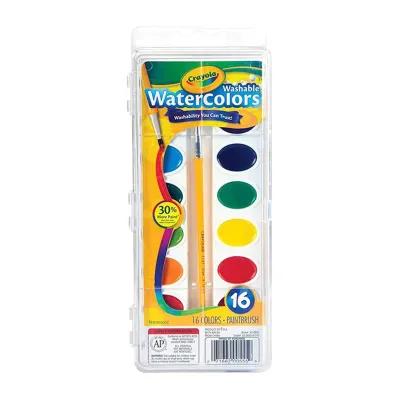
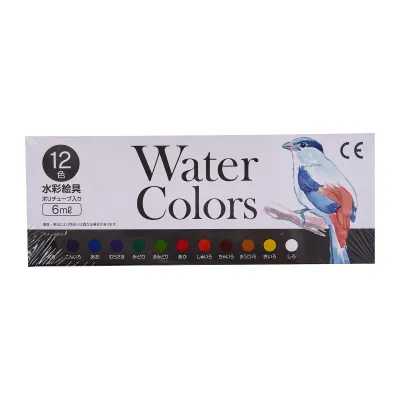
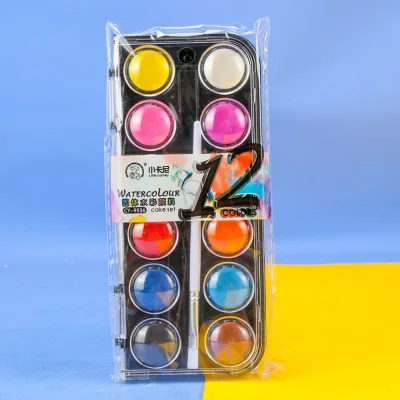
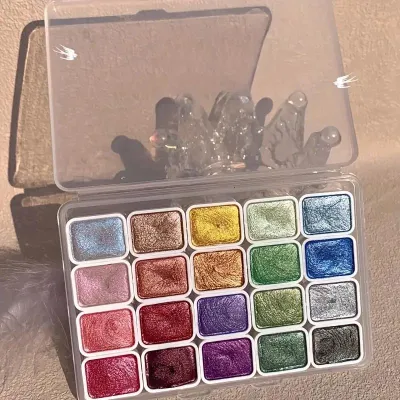
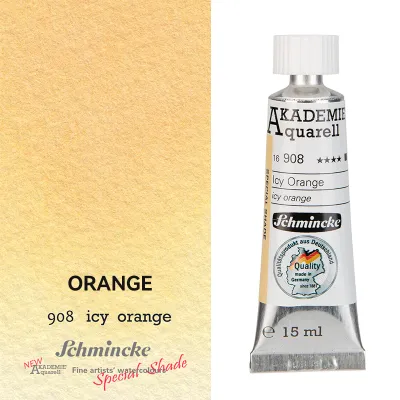
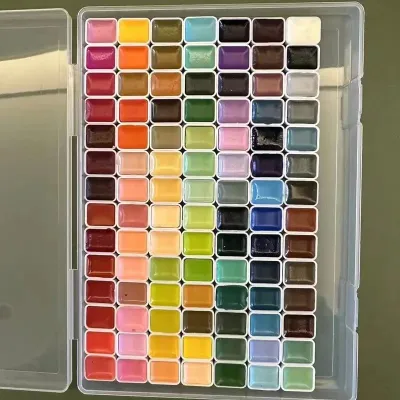
Prices are valid at publication and may change. Please refer to the product page for the latest price.
To maximise your budget, identify the non-negotiable features of a starter set. The paint itself must contain a reliable binder, such as gum arabic, which allows the pigment to flow smoothly and adhere to the paper. The mixing palette should be functional and easy to clean. On the other hand, nice-to-have extras like decorative storage boxes, masking fluids, or multiple sponge applicators often inflate the retail price without adding real value to your learning process. Prioritising paint quality over accessory count ensures your budget goes toward what actually matters on the page.
Essential Components to Look for in a Starter Set
Watercolour paints are primarily sold in two formats: dry pans and wet tubes. For beginners, understanding the practical differences between these formats is crucial for selecting the right starter set. Pans are small, dry blocks of paint housed in plastic cups (half-pans or full-pans) that activate when touched with a wet brush. Half-pans are highly popular in budget sets because they are compact, exceptionally portable, and easy to clean up. They also minimise paint waste, as you only use what you re-wet.

Tubes contain moist, paste-like paint that you squeeze onto a palette. While tubes make it much easier to mix large quantities of paint for broad washes, they can lead to waste if you squeeze out more than you need. For a beginner painting at a desk or on the go in Singapore’s humid climate, dry pans are often more manageable. They resist spilling, dry quickly after use, and fit neatly into small metal or plastic tins that double as mixing surfaces.
The mixing palette is another essential component to evaluate. A good starter set should feature a lid or fold-out tray with distinct wells to keep your colour mixes separate. Metal tins with enamel-coated mixing areas are highly durable and resist staining, whereas cheap plastic palettes can cause water to bead up, making it difficult to see your mixed colours accurately. Avoid sets that lack a dedicated mixing area, as purchasing an external palette will quickly eat into your S$50 budget.
Navigating Paint Quality and Pigment Grades on a Budget
When shopping under S$50, you will primarily encounter “student-grade” or “scholar” watercolour paints. These terms indicate that the manufacturer has formulated the paint to be affordable for learners. Student-grade paints typically contain lower concentrations of pure pigment and a higher proportion of fillers, such as chalk or dextrin, compared to professional-grade alternatives. This composition means the colours may appear slightly less vibrant or require more effort to build up opacity, but they are perfectly adequate for mastering basic techniques.
To ensure your work does not fade over time, check the product packaging for lightfastness ratings. Lightfastness refers to a paint’s resistance to fading when exposed to light. Reliable student-grade brands print these ratings directly on the packaging or colour chart, often using a star system or ASTM standards. Avoiding unrated, generic paints ensures that your practice pieces and early projects retain their colour for years to come.
Another label detail to watch for is the word “Hue” on the paint name, such as “Cobalt Blue Hue” or “Cadmium Red Hue.” In the art supply world, “Hue” indicates that the paint mimics a traditional, often expensive or toxic pigment using a blend of cheaper, modern synthetic pigments. For a beginner on a budget, hue replacements are an excellent and safe way to access classic colours without paying premium prices. However, reading the pigment codes on the back of the packaging helps you understand exactly what chemical pigments are in your set, which is invaluable as you learn how different colours interact.
Evaluating Brushes, Paper, and Accessories Included in Sets
While the paint is the star of your watercolour set, the brushes and paper you use play an equally critical role in your success. Many budget-friendly watercolour sets include a complimentary brush. When inspecting these bundled brushes, look for synthetic bristles, such as nylon or golden synthetic fibers. Synthetic brushes are highly durable, hold their shape well when wet, and offer a reliable “spring” that helps you control your strokes. Ensure the metal ferrule holding the bristles is securely crimped to the handle; loose ferrules lead to shedding bristles, which can ruin your paintings.
The paper included in starter kits is often the weakest link. Watercolour painting relies heavily on water control, and standard drawing paper cannot handle wet washes. When evaluating bundled paper, check the weight, which is measured in grams per square metre (GSM). Paper under 200 GSM will quickly buckle, warp, or pill when water is applied. For a successful learning experience, look for paper that is at least 300 GSM. Additionally, consider the texture: cold-press paper has a slight texture that holds water well and is highly forgiving for beginners, while hot-press paper is completely smooth and better suited for fine detail work.
It is important to set realistic expectations for the lifespan of entry-level accessories. The brushes and paper pads included in sub-S$50 sets are meant to get you started, not to last a lifetime. As your skills develop, you can plan strategic upgrades. Investing in a single high-quality, round synthetic brush and a pad of 100% cotton watercolour paper will dramatically improve your painting experience, even if you continue using your budget-friendly student-grade paint set.
Where to Shop and How to Verify Total Costs in Singapore
Finding the right watercolour set within your budget requires knowing where to shop in Singapore and how to calculate the true cost of your purchase. Local art supply stores and traditional stationery shops, particularly those clustered around Bras Basah Complex or major retail hubs, offer a significant advantage: you can physically inspect the sets. Handling the packaging allows you to verify the paper weight, check the build quality of the mixing tin, and ensure the paints have not suffered damage during transit.
Alternatively, browsing online marketplaces and e-commerce platforms can reveal a wider selection of international brands and competitive pricing. However, shopping online requires extra vigilance to avoid hidden costs. Always factor in shipping fees, which can quickly push a S$45 paint set over your S$50 budget. Keep an eye out for platform vouchers, shop discounts, and seasonal sales to offset these costs, and be aware of potential import duties if ordering from overseas sellers.
To protect your investment, always verify seller authenticity before making an online purchase. Read customer reviews carefully, looking specifically for feedback regarding dried-out, cracked, or moldy paints, which can occur if inventory is stored poorly in Singapore’s warm, humid climate. Check the seller’s return and refund policies to ensure you are covered if the set arrives damaged or incomplete. Taking these precautions ensures your S$50 budget is spent on a genuine, usable product.
Frequently Asked Questions (FAQ)
Do I need to buy extra paper if my watercolour set includes a sketchbook?
Yes, in most cases, you will need to purchase dedicated watercolour paper even if your starter set includes a basic sketchbook. Standard sketchbook paper is typically thin and made from wood pulp, which causes it to buckle, warp, and pill when exposed to water. To enjoy a smooth painting experience, look for paper specifically labeled for watercolour use. Verify that the cover specifies a weight of at least 300 GSM and indicates whether it is made from cellulose or cotton, as cotton paper offers superior water absorption and blending capabilities.
Are pan watercolours better than tubes for beginners on a budget?
For most beginners on a budget, pan watercolours are the more practical and cost-effective choice. Pans are dry blocks of paint that are highly portable, easy to store, and simple to clean up, making them ideal for quick practice sessions at home or on the go. They also prevent paint waste because you only activate the amount of paint you need with a wet brush. While tubes are excellent for mixing large washes and offer vibrant colour straight from the tube, they can be difficult for beginners to control, often leading to wasted paint when too much is squeezed onto the palette.

Community discussion
Share your experience or ask a question. Comments are reviewed before publication.