
Achieving a rich, deep black finish on a shirt requires selecting the correct dye formulation for your specific fabric type and using the right tools. For beginners in Singapore, the most reliable path to success lies in understanding how different dyes interact with fibers, deciding between a convenient starter kit and individual components, and setting up a controlled, safe workspace. By matching your fabric to its corresponding chemical dye class, you can prevent patchy results, faded charcoal tones, and excessive bleeding during subsequent washes.
Core Selection Criteria for Black Fabric Dye
When selecting a black fabric dye, the primary factor to evaluate is the expected depth of color. Black is notoriously difficult to achieve because it requires a high concentration of pigment to fully saturate the fibers. Manufacturers typically classify their black dyes into categories such as jet black, warm black, or charcoal. Reviewing the manufacturer’s color charts and specifications will indicate whether a dye produces a neutral, cool blue, or warm brown undertone under different lighting conditions.
Fiber compatibility is the next critical metric. Every dye package features clear indicators detailing which materials the formula can bond with. Natural fibers like cotton require completely different chemical reactions than synthetic fibers like polyester. Attempting to use a dye formulated for natural fibers on a synthetic shirt will result in the pigment washing completely down the drain, leaving you with an unaltered or faintly stained grey garment.
Products mentioned in this guide
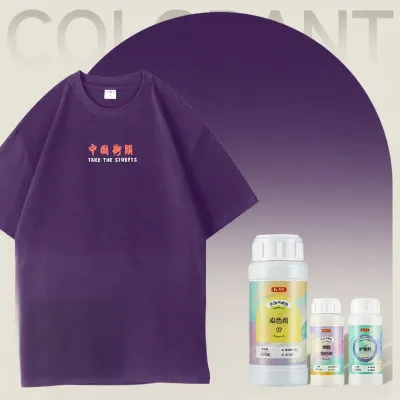

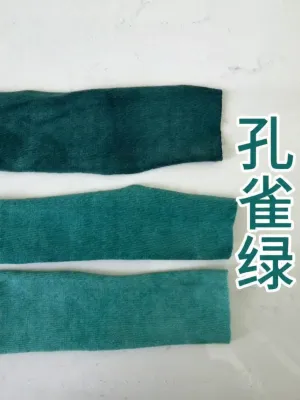
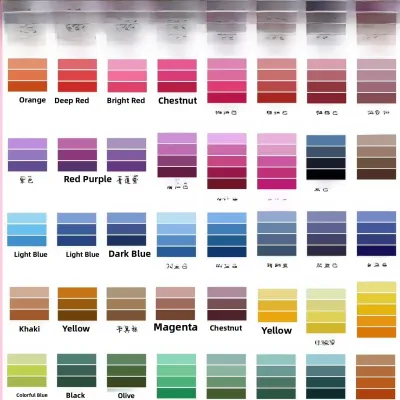
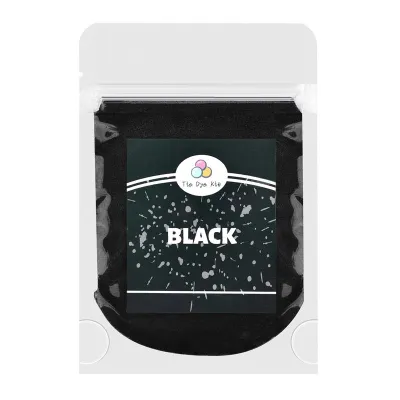
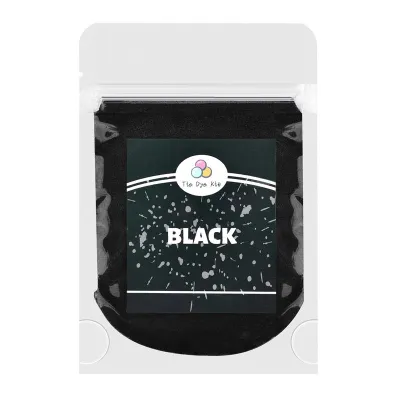
Prices are valid at publication and may change. Please refer to the product page for the latest price.
Beginners must also weigh the ease of use of liquid dyes versus powder dyes. Liquid dyes come pre-dissolved, which eliminates the risk of inhaling fine airborne powder particles and ensures a highly uniform distribution of pigment in the dye bath. Powder dyes, while often more economical and offering a longer shelf life, require meticulous mixing in warm water to ensure every granule dissolves completely. Undissolved powder specks can cause dark, concentrated spots on your finished shirt.
Because the final color depth, bleed resistance, and wash-fastness depend heavily on the exact combination of fabric fibers and dye chemistry, always perform an observable trial before committing your entire shirt. Cut a small, inconspicuous swatch from an inner hem or use a matching scrap piece of fabric to run through the entire dyeing, fixing, and washing cycle. This trial allows you to verify the exact shade of black achieved, check for uneven absorption, and observe how much pigment bleeds during the initial rinse.
Finally, calculate the required package size based on the weight of the dry fabric. Dye coverage is determined by weight rather than the physical size of the garment. A standard adult cotton t-shirt weighs approximately 150 to 200 grams. Most dye packages specify the maximum weight of fabric they can dye to the deepest shade. If you attempt to dye a heavy sweatshirt or multiple shirts with a single standard packet, the pigment will be spread too thin, resulting in a faded charcoal or medium grey instead of a true black.
Matching Dye Formulations to Your Shirt Material
To ensure the dye permanently bonds with your shirt, you must identify the exact fiber composition from the garment’s care label.

Cellulose Fibers
Cotton, linen, rayon, viscose, and bamboo are cellulose-based natural fibers. These materials are highly receptive to fiber-reactive dyes (such as cold-water covalent dyes) and direct dyes. Fiber-reactive dyes are highly recommended for beginners because they form a molecular bond with the fiber at room temperature or in lukewarm water. This chemical bond ensures exceptional colorfastness, meaning the black shade will resist fading and bleeding over dozens of wash cycles. Direct dyes are also common but generally require hot water and have lower wash-fastness unless treated with a post-dye fixative.
Protein Fibers
Silk, wool, cashmere, and angora consist of protein structures. These fibers require acid dyes, which utilize mild acids (such as white vinegar or citric acid) and heat to activate the bonding process. Acid dyes yield incredibly vibrant, deep black tones on silk and wool without damaging the delicate protein structures. Standard fiber-reactive dyes can sometimes work on protein fibers, but they require different pH adjusters and temperature controls to achieve a true black.
Synthetic Fibers
Polyester, acrylic, and acetate are synthetic polymers that are hydrophobic, meaning they repel water and standard water-based dyes. To dye these materials black, you must use disperse dyes. Disperse dyes consist of microscopic pigment particles suspended in water that can only penetrate synthetic fibers when the dye bath is heated to a near-boiling temperature (typically 95°C to 100°C) for an extended period. This process requires a dedicated stovetop pot and constant agitation, making it significantly more challenging for beginners. Nylon is an exception among synthetics; it can be dyed using acid dyes or certain multi-purpose dyes due to its unique chemical structure.
Blended Fabrics
Many modern shirts are made from poly-cotton blends (such as 60% cotton and 40% polyester). Dyeing these blends requires a strategic approach. If you use a standard fiber-reactive dye, only the cotton portion will take the color, resulting in a heathered, lighter grey appearance. To achieve a solid, deep black on a blend, you must either use a multi-purpose dye formulated to tint both natural and synthetic fibers simultaneously, or perform a dual-bath process. A dual-bath process involves dyeing the shirt first with a cellulose-compatible dye and then with a synthetic-compatible disperse dye.
Starter Kits vs. Individual Dye Supplies
For a beginner embarking on a first shirt-dyeing project in Singapore, choosing between a pre-packaged starter kit and individual supplies depends on your long-term crafting goals and budget.
Starter Kit Inclusions and Value
A typical beginner-friendly fabric dye starter kit contains pre-measured dye packets, a dedicated chemical fixative or activator (such as soda ash), protective gloves, rubber bands for pattern creation, and a detailed instruction manual. Some kits also include squeeze bottles for precise application. These kits offer excellent convenience because they eliminate the need to source separate chemical auxiliaries. For a single-shirt project, a starter kit prevents waste, ensuring you do not buy large quantities of chemicals you may never use again. In Singapore, these kits generally range from S$15 to S$35 depending on the volume and included accessories.
Individual Supplies for Scale
If you plan to dye multiple garments or want to customize your color depth, purchasing individual supplies is far more cost-effective. You can buy a single bottle of liquid dye or a tin of powder dye for approximately S$5 to S$12. You will then need to purchase a separate bag of soda ash (for fiber-reactive dyes) or use household non-iodized salt and white vinegar as fixatives, depending on the dye type. Sourcing these items individually allows you to scale up your projects and mix custom shades, but it requires a higher initial effort to measure and prepare the solutions.
Sourcing and Quality Checks
Both starter kits and individual dye supplies can be sourced from local art supply stores in retail hubs like Bras Basah Complex, or via major online marketplaces operating in Singapore. When purchasing, always inspect the packaging. Ensure the seals are completely intact, as moisture exposure can degrade powder dyes and cause them to clump or lose their chemical potency. Check for expiration or manufacturing dates on the packaging; while dry dyes have a long shelf life if stored in a cool, dry place, liquid dyes can occasionally settle or degrade over several years.
Essential Preparation and Safety Checks Before Dyeing
Proper preparation of both your garment and your workspace is essential to prevent uneven coloration and protect your home from permanent black stains.
Garment Pre-Washing
Never dye a brand-new or unwashed shirt. New garments often carry manufacturing finishes, starches, sizing agents, or chemical softeners that prevent the dye from penetrating the fibers uniformly. Wash the shirt in a washing machine using a standard detergent without fabric softener. Fabric softeners leave a microscopic silicone coating on the fibers that repels water-based dyes, leading to splotchy or pale results. The shirt should be dyed while it is still damp, as wet fibers absorb the dye solution much more evenly than dry ones.
Workspace Setup and Protection
Black dye is highly concentrated and will permanently stain porous surfaces like wooden countertops, grout, and laminate. Set up your workspace in an area with non-porous flooring, such as a tiled bathroom or an outdoor service yard. Cover all work surfaces with heavy-duty plastic sheeting or trash bags, securing them with painter’s tape. Keep a roll of paper towels and a bucket of soapy water nearby to wipe up any accidental splatters immediately before they can set.
Personal Protective Equipment (PPE)
Always wear thick nitrile or latex gloves throughout the entire process to avoid staining your skin, as black dye can take days of scrubbing to remove. If you are working with powder dyes, wear a dust mask or respirator during the mixing phase. Inhaling fine dye powder can irritate your respiratory tract. Wear an apron or old clothing that you do not mind staining, and protect your eyes with safety glasses when mixing or pouring hot dye solutions.
Ventilation and Wastewater Disposal
Ensure your workspace has excellent ventilation, especially if you are heating a dye bath on a stove. Open windows and turn on exhaust fans to disperse any chemical fumes or steam. When disposing of the spent dye bath, pour it directly down a stainless steel sink, a utility drain, or a toilet bowl, flushing immediately with plenty of water to prevent staining. Avoid pouring dye wastewater into acrylic tubs or porcelain sinks, as these materials can absorb the pigment. Singapore’s domestic wastewater systems can safely process standard household fabric dyes, but you should never dump dye solutions into outdoor storm drains or natural waterways.
Frequently Asked Questions (FAQ)
Can I dye a blended fabric shirt completely black?
Achieving a solid, jet-black finish on a blended fabric shirt depends entirely on the ratio of natural to synthetic fibers. If the shirt is predominantly natural (such as 80% cotton and 20% polyester), a standard fiber-reactive black dye will yield a very dark charcoal or slightly heathered black, as the polyester fibers will remain white. To get a true, uniform black on blends with high synthetic content, you must use a multi-purpose dye designed for synthetic-natural blends, or execute a two-step process. This involves first dyeing the shirt with a cotton-specific dye, rinsing it, and then dyeing it again in a hot bath with a disperse dye formulated for polyester. Always check the garment care label first to determine the exact fiber percentages before purchasing your dye.
How do I prevent black dye from bleeding in the wash?
Preventing black dye from bleeding requires thorough rinsing and the use of a dedicated color fixative. After the dyeing process is complete, rinse the shirt repeatedly in cold, clear water. You must continue rinsing until the water runs completely clear without a trace of grey or black pigment; this can take a significant amount of time and multiple water changes. For cotton and other cellulose fibers, using a commercial liquid dye fixative immediately after dyeing helps lock the pigment molecules into the fibers. For the first three to four wash cycles, wash the newly dyed shirt completely separately from other laundry, using cold water, a gentle cycle, and a mild, color-safe detergent. Avoid laundry detergents containing optical brighteners, bleach, or heavy enzymes, as these will rapidly break down the dye bonds and cause premature fading.
What household items can I use instead of a dedicated dye pot?
If you do not have a dedicated dye pot, you can use large stainless steel or enamel-coated pots, provided they are strictly designated for crafting and never used for food preparation again. Stainless steel and enamel are non-reactive materials that will not interfere with the chemical reaction of the dye. You must absolutely avoid using pots made of aluminum, copper, or galvanized iron, as these reactive metals can chemically bond with the dye molecules, altering the final color and potentially ruining the dye bath. For cold-water dyeing methods, such as tie-dyeing or low-immersion tub dyeing, heavy-duty plastic buckets, storage bins, or even large glass jars are excellent, safe alternatives that do not require any stovetop heating.

Community discussion
Share your experience or ask a question. Comments are reviewed before publication.