
Choosing a 50gm dye powder package is one of the most practical ways for a beginner to step into the world of fabric dyeing. This compact size provides more than enough pigment to experiment with small projects—such as a few t-shirts, a canvas tote bag, or several yards of test fabric—without requiring a significant financial investment. However, walking into an art supply store or browsing online marketplaces can quickly become overwhelming due to the sheer variety of chemical formulations, packaging styles, and brand promises available.
To make an informed first purchase, you must look beyond the color swatches on the packaging. Achieving vibrant, wash-fast results depends entirely on matching the chemical properties of the dye powder to your specific fabric fibers, verifying label details for safety and ease of use, and preparing the correct auxiliary tools. By understanding these core factors, you can avoid common beginner pitfalls like fading colors, patchy coverage, or ruined fabrics, ensuring your very first dye batch is a satisfying success.
Identify the Right Dye Chemistry for Your Fabric
Before evaluating specific brands of 50gm dye powder, you must identify the fiber content of the material you plan to dye. Fabric dyes are not universal; they are formulated to bond with specific types of fibers through distinct chemical reactions. Using the wrong class of dye on a fabric will result in the pigment washing completely down the drain, leaving you with a pale, patchy, or entirely unstained piece of cloth.
Products mentioned in this guide
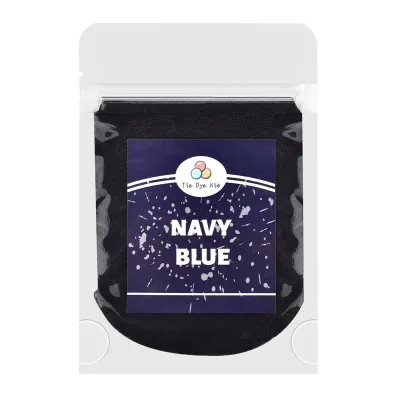
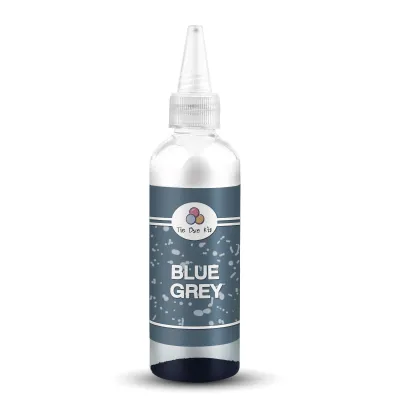
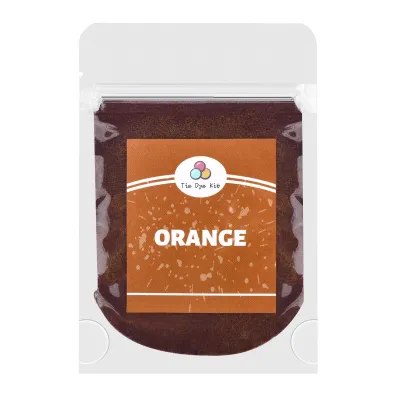
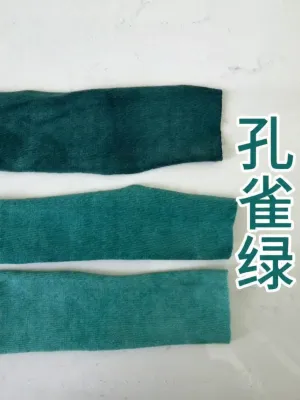
Prices are valid at publication and may change. Please refer to the product page for the latest price.
For natural, plant-based fibers—known as cellulose fibers—you should look for fiber-reactive dye powders. Cellulose fibers include cotton, linen, rayon, hemp, and bamboo. Fiber-reactive dyes are highly favored by beginners because they form a permanent covalent bond with the fabric molecules at lukewarm or room temperatures. This chemical bond makes the dyed fabric exceptionally wash-fast and resistant to fading, ensuring your custom colors remain bright and crisp through dozens of laundry cycles.
If you are working with animal-based fibers—known as protein fibers—you will need to purchase acid dye powders. Protein fibers include wool, silk, alpaca, cashmere, and feathers, as well as synthetic nylon. Acid dyes require a combination of heat and an acidic environment to activate and bond with the protein molecules. While the process involves working with hot water on a stovetop or in a dedicated steamer, acid dyes produce incredibly rich, saturated colors on delicate fibers like silk and wool that fiber-reactive dyes cannot match.
You should generally avoid “all-purpose” dye powders if you are seeking professional, long-lasting results. All-purpose dyes are typically a pre-blended mixture of direct dyes (which stain cellulose fibers) and acid dyes (which stain protein fibers). Because they attempt to dye every fabric type simultaneously, a large portion of the dye mixture does not chemically bond and simply washes away. This leads to less predictable shades, significant color bleeding during subsequent washes, and rapid fading under sunlight, which can be highly discouraging for a novice.
What to Check on 50gm Dye Powder Labels Before Buying
Once you know which chemical class of dye fits your fabric, you must examine the product labels of the 50gm packages carefully. A high-quality dye powder label should provide clear technical specifications that indicate how easy and safe the product will be to use in a home environment. Paying attention to these details before purchasing will save you from unexpected complications during the mixing and application stages.

First, verify the solubility requirements of the powder. Some dye formulations dissolve easily in lukewarm water, while others require near-boiling water to break down the dry particles fully. For beginners, cold-water or lukewarm-water fiber-reactive powders are highly recommended because they eliminate the safety hazards of handling large volumes of scalding water. If a powder requires high heat to dissolve, ensure you have a dedicated, non-food-grade heat source and mixing vessel available.
Second, check the label for fixative requirements. Dye powder cannot bond to fabric on its own; it requires a chemical activator, or fixative, to trigger the bonding process. Fiber-reactive dyes typically require sodium carbonate (soda ash), while acid dyes require citric acid or white vinegar. Some brands sell “all-in-one” powders that have the fixative pre-mixed into the dry powder. While this may seem convenient, these pre-mixed powders are highly sensitive to moisture and have a much shorter shelf life once opened, making separate dye and fixative components a more reliable choice.
Third, inspect the packaging design and seal integrity. Because 50gm is a relatively small quantity, protecting the powder from ambient humidity is critical to preventing clumping and chemical degradation. Look for brands that package their powders in sturdy, wide-mouth plastic jars with induction-sealed foil liners beneath the screw cap. Wide-mouth jars are much easier to scoop from with a small spoon, reducing the risk of spilling fine dye dust compared to narrow-necked bottles or flimsy paper packets.
Finally, ensure the manufacturer provides precise mixing ratios on the label or via a clearly marked digital link. A beginner-friendly brand will specify the exact weight of dye powder needed per weight of dry fabric—often referred to as the “depth of shade”—as well as the required volume of water. Avoid products that offer vague instructions like “use half a packet,” as these do not account for the weight of your fabric and frequently lead to inconsistent, disappointing color results.
How to Filter for Safe and Reliable Dye Brands
The market for art supplies is filled with countless dye options, ranging from established heritage brands to cheap, unbranded powders imported and sold on online marketplaces. To protect your health and ensure consistent results, you must establish strict criteria to filter out unreliable or potentially hazardous products before spending your money.
Your primary safety check should be the availability of a Safety Data Sheet (SDS) from the manufacturer. Dry dye powder consists of extremely fine, lightweight particles that can easily become airborne when poured or stirred. Inhaling these fine particulates can cause respiratory irritation, and repeated exposure to certain dye classes can lead to chemical sensitization or allergies. Reputable brands always make their SDS publicly available online, detailing the chemical composition, potential hazards, and proper handling precautions for their products.
You should actively avoid unbranded, unlabelled, or bulk-repackaged dye powders. These products are often sold in plain plastic zip-top bags with handwritten labels, lacking manufacturing dates, batch numbers, or ingredient disclosures. Without this information, you cannot verify if the dye contains toxic heavy metals, banned industrial colorants, or fillers that dilute the pigment strength. Furthermore, unbranded powders lack batch consistency, meaning a second purchase of the same color may look completely different from the first.
Additionally, look for manufacturers that invest in educational resources and customer support. The best brands for beginners provide comprehensive step-by-step tutorials, downloadable color-mixing charts, and responsive customer service channels. Having access to official troubleshooting guides can help you understand why a color turned out lighter than expected, how to fix uneven spotting, or how to safely dispose of leftover dye baths in compliance with local guidelines.
Plan the Essential Auxiliaries for Your First Dye Batch
When budgeting for your first fabric dyeing project, remember that the 50gm dye powder is only one part of the equation. While a 50gm jar of dye is relatively inexpensive, you should budget an additional S$15 to S$30 for essential auxiliary supplies and safety gear. To activate the dye and complete the process safely and successfully, you must plan for and acquire several essential auxiliary supplies. Preparing these items beforehand ensures a smooth, stress-free crafting experience.
First, gather the necessary chemical auxiliaries required by your chosen dye type. For fiber-reactive dyes, you will need to purchase pure soda ash to raise the pH of the dye bath, allowing the chemical bond to form. For acid dyes, you will need food-grade citric acid powder or standard white vinegar to lower the pH. You will also need non-iodized salt (such as common dye salt or pure kosher salt), which acts as an electrolyte to help drive the dye molecules out of the water and deep into the fabric fibers.
Second, prioritize your personal safety gear. Because dry dye powder is a respiratory irritant, you must wear a well-fitting particulate mask (such as an N95 or equivalent respirator) whenever you are measuring, pouring, or mixing the dry powder. Protect your skin from chemical exposure and stubborn staining by wearing thick nitrile gloves. Additionally, set aside dedicated plastic tubs, measuring cups, and stainless steel stirring spoons that will be used exclusively for dyeing and never reused for preparing or consuming food.
Finally, invest in a precise measurement tool. A 50gm container of high-quality dye powder is highly concentrated and can easily dye up to two kilograms of fabric to a medium shade. To achieve accurate, repeatable colors, do not rely on kitchen measuring spoons, which measure volume rather than weight. Instead, use a small digital scale accurate to 0.1 grams. Weighing your dye powder and fabric precisely allows you to follow manufacturer recipes exactly, ensuring your finished projects match your creative vision every time.
Frequently Asked Questions (FAQ)
How long does 50gm of dye powder last once opened?
When stored correctly, high-quality dry dye powder can remain potent and usable for several years. The primary enemy of dry dye is ambient moisture and high humidity, which can cause the fine powder to clump, dissolve prematurely, or undergo hydrolysis—a chemical reaction where the dye reacts with water molecules and loses its ability to bond with fabric fibers.
To maximize the shelf life of your opened 50gm jar, ensure the inner foil seal is pressed down as tightly as possible after each use and screw the cap on firmly. Store the jar in a cool, dark, and dry cupboard away from direct sunlight, steam, and temperature fluctuations. For added protection, place the dye jar inside a secondary airtight plastic container or a heavy-duty zip-top bag along with a few silica gel desiccant packets to absorb any residual moisture in the air.
Can I mix different brands of dye powder to create custom colors?
You can successfully mix different brands of dye powder to create custom shades, but only if the powders belong to the exact same chemical class. For example, you can mix a cold-water fiber-reactive Procion MX dye from one manufacturer with a Procion MX dye from another manufacturer, as they share the same reactive chemistry, dissolve at the same temperature, and require the same soda ash fixative.
However, you must never mix different classes of dyes, such as combining an acid dye powder with a fiber-reactive dye powder. These different classes require completely opposite pH environments and temperature ranges to bond with fibers; mixing them will result in chemical interference, uneven fixation, and a muddy, washed-out final color. For the most predictable and repeatable color-mixing results, beginners should stick to mixing colors within the same product line from a single trusted brand.

Community discussion
Share your experience or ask a question. Comments are reviewed before publication.