
Selecting the ideal diary notebook for 2026 requires balancing paper specifications and layout designs with your daily writing habits. With numerous options available in Singapore, from compact pocket planners to substantial desk journals, there is no single option that suits everyone. The value of a planner lies in how well its physical attributes—such as paper weight, binding method, and page structure—support your preferred writing instruments and organizational style. By focusing on verifiable manufacturer specifications and hands-on testing methods, you can select a planner that remains functional and intact throughout the entire year.
Key Factors for Evaluating 2026 Diary Notebooks
When shopping for a 2026 diary notebook, the physical construction of the book determines how comfortable it will be to use daily. Size is the first decision point, as it impacts both writing space and portability. An A5-sized notebook (approximately 148mm by 210mm) offers a generous canvas for detailed planning, making it highly suitable for desk-bound use. If you frequently commute on the MRT or prefer to keep your planner within arm’s reach, a compact B6 size (125mm by 176mm) or a pocket-sized A6 notebook provides a lightweight alternative that fits easily into smaller bags.
The binding method is equally critical to your writing comfort, especially when working near the center margins. Thread-sewn binding, or stitch binding, allows the notebook to lie completely flat on a desk without requiring you to hold the pages down. This feature is essential for left-handed writers and anyone who wants to utilize the entire width of a two-page spread. In contrast, spiral or wire-bound planners offer the flexibility of folding the book back on itself to save desk space, though the central rings can sometimes obstruct your hand while writing. Disc-bound systems allow you to insert, remove, or rearrange pages, but they require specialized punches and may feel less structurally rigid than traditional bound books.
Products mentioned in this guide

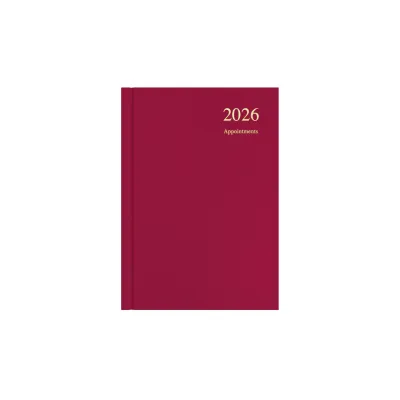
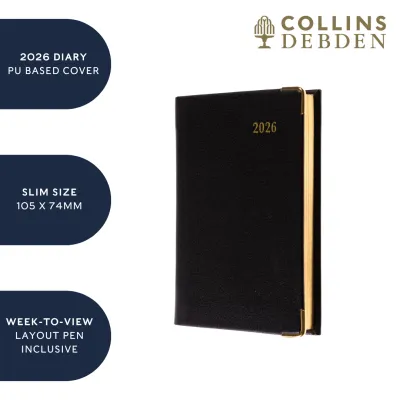

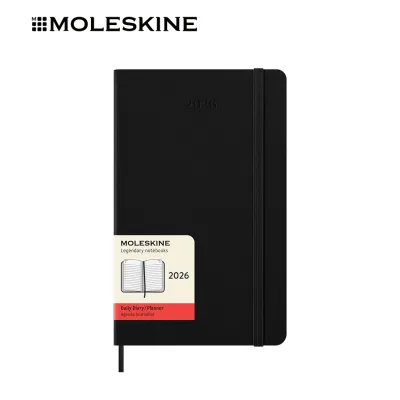
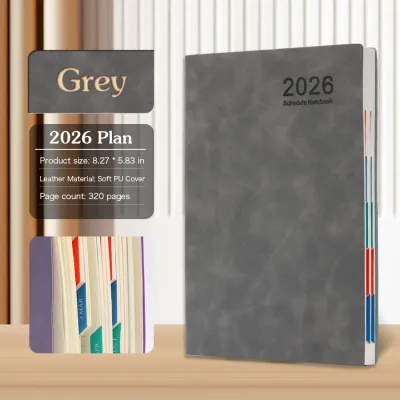
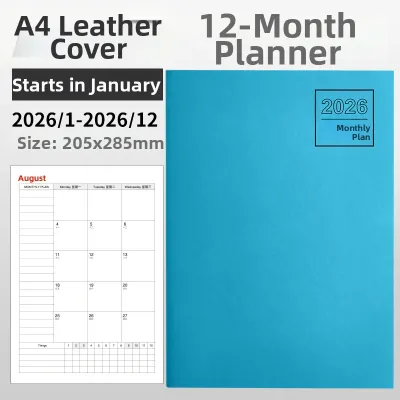
Prices are valid at publication and may change. Please refer to the product page for the latest price.
Finally, consider the cover material and overall structural durability, as a diary notebook must withstand 365 days of handling. Hardcover planners, typically wrapped in bookcloth, synthetic leather, or heavy cardboard, offer a built-in writing surface that is ideal for planning on the go. Softcover options, while lighter and more flexible, may require a protective plastic cover to prevent the edges from fraying or bending in your bag. Checking the manufacturer’s specifications for cover materials and looking for reinforced corners or elastic closure bands can help ensure your planner survives the year looking neat.
Comparing Popular Diary Notebook Layouts
The internal layout of your 2026 diary notebook dictates how you will interact with your schedule and track your goals. Choosing the right layout depends on the level of detail you need to record and the time you can realistically commit to maintaining the planner. A daily layout dedicates an entire page to a single day, providing ample space for hourly scheduling, extensive journaling, and detailed task lists. This format is highly beneficial for professionals with packed meeting schedules or individuals who use their planner as a daily diary. However, daily pages require a consistent time commitment and result in a thicker, heavier book that may be less convenient to carry.

Weekly layouts are often the most versatile option for general planning, as they display an entire week across a two-page spread. This format allows you to see your upcoming commitments at a glance, helping you balance your workload across several days. Weekly planners generally fall into two categories: vertical columns, which are excellent for time-blocking hourly appointments, and horizontal blocks, which favor open-ended task lists and short journal entries. If your primary goal is to track high-level deadlines, travel plans, and major events, a monthly planner might be sufficient. Monthly layouts use minimal pages, resulting in an exceptionally slim profile that is easy to slip into any bag, though they offer very little space for daily task management.
Beyond the standard calendar grids, many modern planners incorporate flexible page styles like grid, dotted, or blank layouts. Dotted pages provide a subtle guide for writing in straight lines or drawing custom charts without the visual clutter of solid lines. These flexible spaces are ideal for bullet journaling, sketching, or creating custom trackers. When evaluating a planner, also check for supplementary pages such as annual goal-setting worksheets, monthly habit trackers, and dedicated notes sections at the back. These built-in tools can streamline your planning process, but only if they align with your actual habits; unused pages simply add unnecessary bulk to your daily carry.
Assessing Paper Quality and Pen Compatibility
Paper quality is the foundation of any satisfactory writing experience, yet it is often the most difficult aspect to evaluate online. The most common metric used to describe paper is its weight, measured in grams per square meter (GSM). Generally, lighter paper (around 52 GSM to 70 GSM) is thin and lightweight, allowing manufacturers to pack hundreds of pages into a slim volume. However, thin paper is more prone to ghosting, where the shadow of your writing is visible on the reverse side of the page. Medium-weight paper (80 GSM to 100 GSM) offers a balanced compromise for everyday gel pens and ballpoints, while heavier paper (120 GSM to 160 GSM) is designed to handle wet inks, markers, and light watercolor washes without bleeding through.
To determine if a diary notebook is compatible with your preferred writing tools, look for explicit manufacturer notes regarding ink compatibility. Some specialized papers, such as Tomoe River paper, are exceptionally thin yet engineered specifically to resist fountain pen bleed-through while showcasing ink sheen and shading. Other brands use proprietary acid-free papers designed to resist yellowing over time. If you prefer using wet gel pens, liquid ink rollerballs, or fountain pens, search the product specifications for terms like “fountain pen friendly” or “bleed-resistant.”
When you receive a new notebook or test one in a physical stationery store, performing a structured pen test on an inconspicuous back page is the most reliable way to verify performance. Write a few lines using your favorite pens, varying the pressure and ink flow. Observe the paper for three common issues: bleed-through, where ink penetrates completely to the other side of the sheet; feathering, where the ink spreads sideways along the paper fibers to create fuzzy lines; and ghosting, where the writing is visible from behind but the ink has not broken through the surface. If you observe significant feathering or bleeding, you may need to adjust your choice of pen or seek a notebook with a different paper specification.
How to Choose the Right Diary for Your Planning Style
To finalize your decision for 2026, you should synthesize your preferences into a clear choice that balances layout, paper weight, and local utility. If you enjoy the tactile experience of writing with fountain pens, brush markers, or heavy gel pens, and you tend to write extensive daily reflections, a daily planner featuring high-GSM paper or specialized fountain-pen-friendly paper is your best match. This combination ensures that your writing remains crisp and legible on both sides of the page, even if it means carrying a slightly heavier book.
Conversely, if your planning style is focused on quick task logging, rapid scheduling, and maximum portability, a weekly or monthly layout with standard-weight paper (around 80 GSM) is highly practical. This setup minimizes the physical weight of the notebook, making it easy to carry in a briefcase or handbag during your daily commute. Because you will likely be using standard ballpoint pens or fine-liner gel pens, you will not need to worry about the ghosting or bleeding associated with wetter inks, allowing you to prioritize a slim profile over heavy paper stock.
Before making your final purchase, it is also essential to verify the regional localization of the calendar pages. Many international diary brands print calendars that default to the public holidays of their country of origin. If you live and work in Singapore, check whether the planner includes local public holidays, school term dates, or lunar calendar markers if those are important for your scheduling. If the planner does not include these local details, ensure there is sufficient space in the monthly or weekly grids for you to manually write in Singapore’s public holidays before the year begins, preventing any scheduling conflicts down the road.
Frequently Asked Questions (FAQ)
How can I test a diary notebook's paper quality before committing to a full year?
To verify how a planner’s paper handles your specific writing instruments without purchasing the entire book blindly, visit a physical stationery store in Singapore that displays open sample models. Many specialty boutiques provide tester notebooks specifically for customers to try out different pens. If you are purchasing online, consider buying a small, inexpensive memo pad or a pocket notebook from the same brand first, as manufacturers typically use the same proprietary paper stock across their product lines. Alternatively, you can search online stationery forums and review sites for detailed paper tests that specifically mention the exact pen and ink combinations you plan to use.
What should I do if my preferred pen bleeds through the diary pages?
If you have already purchased your 2026 planner and find that your favorite pen causes ink to bleed or ghost excessively, you can employ several practical workarounds. Placing a heavy plastic sheet or a thick piece of cardstock—often called a pencil board or blotter page—directly underneath the active page prevents ink from transferring to the sheets below. You can also switch to drier writing instruments, such as high-quality ballpoint pens, gel pens with finer tips (such as 0.38mm or smaller), or wooden pencils, which do not saturate the paper fibers. Another option is to use decorative washi tape or adhesive correction tape to cover up mistakes or heavily ghosted areas, turning a paper limitation into a creative layout feature.

Community discussion
Share your experience or ask a question. Comments are reviewed before publication.