
Collecting physical memorabilia of Chinese actor Zhang Linghe has become a popular pursuit for fans looking to bring a piece of their favorite dramas and promotional campaigns into their physical spaces. From pocket-sized photo cards to elaborate photobooks and acrylic stands, the variety of available formats can be overwhelming for a new collector. Deciding which items to collect involves understanding the physical characteristics of each format, evaluating their long-term display value, and learning how to preserve them against environmental wear.
To build a collection that brings long-term satisfaction, you must balance your personal aesthetic preferences with practical considerations like storage space, budget, and material durability. This guide breaks down the primary formats of Zhang Linghe photo merchandise, offers strategies for assessing their collectibility, and provides actionable advice on verifying authenticity and maintaining the condition of your items over time.
Understanding Zhang Linghe Photo Merchandise Formats
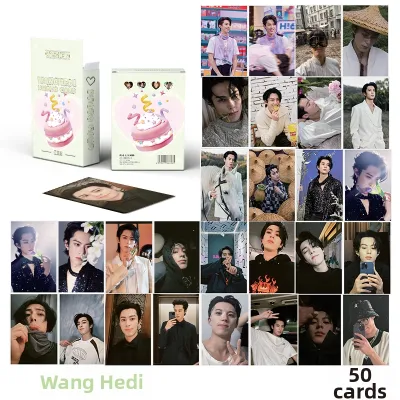
Photo cards are the cornerstone of modern idol collecting. Standard photo cards typically measure around 54mm by 85mm, matching the dimensions of a standard credit card, which makes them highly compatible with standard pocket pages and wallets. Mini cards may vary slightly, often measuring around 70mm by 100mm, while lenticular cards feature a specialized plastic lens layer that creates a shifting, multi-image effect when tilted. These cards are generally printed on heavy paperboard, ranging from 300gsm to 400gsm, and are finished with glossy, matte, or holographic lamination to protect the printed image.
Products mentioned in this guide







Prices are valid at publication and may change. Please refer to the product page for the latest price.
Photobooks and magazines offer a more comprehensive visual experience, compiling high-resolution editorial shoots and behind-the-scenes imagery. These publications generally feature either softcover adhesive binding, which uses a flexible glue to bind the pages to a wrap-around cover, or premium hardcover case binding, which provides a rigid protective exterior and allows the book to lie flatter during viewing. Page counts vary significantly, with promotional magazines often running between 40 and 80 pages, while dedicated collector photobooks can exceed 200 pages of high-grade art paper.
Posters and wall scrolls serve as large-scale visual statements for wall displays. Standard paper posters are typically printed on medium-weight paper, ranging from 150gsm to 250gsm, and are shipped either folded (which introduces permanent creases) or rolled in protective cardboard tubes to maintain a smooth surface. Wall scrolls offer an alternative format, utilizing woven polyester or canvas fabrics attached to plastic or wooden dowels at the top and bottom, which prevents creasing and allows for easy hanging without adhesive.
Acrylic stands and blocks translate two-dimensional photography into three-dimensional desk displays. These items are manufactured by printing high-resolution images directly onto transparent acrylic sheets, which are then laser-cut into character shapes and matching base plates. Standard stands range from 2mm to 5mm in thickness, with thicker bases offering greater stability on flat surfaces. High-quality acrylic blocks, often 10mm to 20mm thick, stand independently without a base, utilizing a sandwich printing technique where the image is sealed between two polished acrylic layers to create depth and protect the print from scratching.
Evaluating Collectibility and Value for New Collectors
For new collectors, assessing the potential value of Zhang Linghe merchandise requires looking at specific rarity indicators. Official releases often feature limited-edition stamps, serial numbers, or event-exclusive markers that denote a restricted production run. Pre-order benefits (POBs), which are exclusive photo cards or mini-posters included only with initial production batches, often command higher interest on the secondary market due to their limited availability once the pre-order window closes.

Evaluating the cost-to-display ratio is a practical way to manage a collecting budget. In local markets, a single collectible photo card might range from S$5 to S$20 depending on its rarity, while a complete photobook or a detailed acrylic stand might cost between S$25 and S$60. While paper goods like photo cards are relatively inexpensive individually, they require additional storage investments like binders and sleeves to enjoy safely. Conversely, an acrylic stand represents a higher initial cost but provides immediate, standalone display value on a desk or shelf without requiring extra framing hardware.
Material longevity is another critical factor, particularly when collecting in humid climates. Paper-based merchandise is highly susceptible to moisture absorption, which can lead to warping, yellowing, and mold growth over time. Acrylic items are structurally more durable and resistant to humidity, but they are highly susceptible to surface scratching and can yellow if exposed to ultraviolet (UV) light for extended periods.
Display space and storage capacity should ultimately guide your format choices. A collection consisting entirely of photo cards can easily be stored in a single compact binder, making it ideal for collectors with limited living space. Large posters and multiple acrylic stands, however, require dedicated wall space and deep shelving, which can quickly clutter a room if not planned carefully.
How to Verify Authenticity and Condition Before Buying
As the popularity of Zhang Linghe merchandise grows, counterfeit items have become increasingly common on online marketplaces and secondary trading platforms. Verifying authenticity starts with looking for official anti-counterfeit features. Many official agencies and publishers apply holographic stickers with unique serial numbers, micro-printed text along the borders, or embossed seals that are difficult for counterfeiters to replicate accurately.
Inspecting the print quality and physical construction of paper goods is highly effective for spotting replicas. Genuine photo cards feature sharp, high-resolution printing with accurate color balance, whereas counterfeits often exhibit blurry details, unnatural color saturation, or a noticeable color cast. Additionally, check the edge alignment and corner cuts; official cards are die-cut with precise, uniform rounded corners, while bootleg copies may have uneven edges or rough, hand-cut corners.
Acrylic stands should be examined for structural integrity and manufacturing quality. Authentic stands feature clean, flame-polished laser cuts along the edges, whereas counterfeit or low-quality versions may have rough, sharp, or cloudy edges. The printing on genuine acrylic should be sharp and free of dust particles trapped beneath the ink layer, and the tab at the bottom of the stand must fit securely into the base slot without excessive wobbling or requiring force that could crack the plastic.
Navigating secondary markets safely requires a disciplined approach to buyer safety. Always review seller ratings, transaction history, and feedback from other collectors on the platform. Request clear, unedited photos or videos of the item taken under direct, neutral lighting, and ask the seller to show specific angles, such as the back of a photo card or the edges of an acrylic stand, to verify its condition before finalizing any transaction.
Storage and Display Solutions for Photo Merchandise
Preserving the condition of your collection requires utilizing the right stationery and storage materials. For photo cards, always use archival-safe sleeves made from acid-free, PVC-free polypropylene or polyethylene. Standard PVC (polyvinyl chloride) sleeves contain plasticizers that degrade over time, releasing chemicals that can bond with the photo card’s ink and ruin the image permanently. Once sleeved, cards can be placed in rigid plastic top-loaders for individual display or organized in D-ring binders with pocket pages to prevent bending.
Posters require careful framing techniques to prevent physical damage and environmental wear. When framing a poster, use acid-free backing boards to prevent the paper from yellowing over time, and avoid using standard adhesive tape directly on the poster’s surface. Opt for archival-safe mounting corners to secure the poster within the frame, and select frames equipped with UV-filtering glass or acrylic sheets to shield the printed ink from fading due to ambient light exposure.
Acrylic stands and blocks require gentle maintenance to keep their surfaces clear and scratch-free. Clean these items using a soft, dry microfiber cloth to remove dust and fingerprints. Avoid using alcohol-based cleaners, glass sprays, or harsh solvents, as these chemicals can cause acrylic to undergo “crazing”—a process that creates a network of fine, microscopic cracks inside the plastic, permanently ruining its transparency. If a deeper clean is necessary, use a small drop of mild dish soap diluted in lukewarm water, then dry the stand thoroughly with a clean microfiber cloth.
Environmental control is the final line of defense for preserving your collection, especially in warm, humid regions. High humidity can cause paper merchandise to warp and mold, while direct sunlight accelerates ink fading and paper yellowing. Store your binders and display cases away from windows, and consider placing silica gel desiccant packs inside storage boxes to absorb excess moisture and maintain a stable, dry environment for your collectibles.
Frequently Asked Questions (FAQ)
Are digital photo cards considered valuable collectibles?
Digital photo cards, often distributed via official apps or online campaigns, offer a modern alternative to physical collecting, but they carry distinct limitations. Unlike physical cards, digital assets rely entirely on specific platform ecosystems, meaning your access is dependent on the platform’s continued operation and terms of service. Because they lack physical presence and tactile appeal, and cannot be easily displayed on a physical shelf, the collector community generally places a much higher long-term value on physical photo cards, where tangible scarcity and physical ownership drive demand.
What is the best way to transport photobooks without damaging them?
Transporting delicate photobooks requires robust packaging to prevent corner dings, spine damage, and moisture exposure. Always wrap the photobook in several layers of bubble wrap, paying extra attention to the corners, which are highly susceptible to impact damage. Place the wrapped book inside a rigid cardboard mailer or a sturdy box, and insert cardboard corner protectors or stiff cardboard sheets on both sides to prevent bending. To protect the binding and pages from humidity or unexpected rain during transit, seal the wrapped photobook inside a waterproof plastic sleeve or zip-top bag before placing it in the shipping box.
Community discussion
Share your experience or ask a question. Comments are reviewed before publication.