
Selecting the perfect zipper is a critical decision that dictates the longevity, drape, and functionality of any sewing project. A zipper that is too heavy can cause lightweight fabrics to pucker, while a zipper that is too delicate will fail under the tension of a heavy-duty bag. To choose the right YKK zipper, you must evaluate the structural type of the teeth, the gauge size, the slider mechanism, and the specific demands of your fabric.
By understanding how different zipper designs interact with various textiles, you can avoid common sewing pitfalls and ensure a professional finish. Whether you are repairing a favorite jacket, crafting a custom cushion cover, or sewing a delicate evening gown, matching the zipper characteristics to your project requirements is the key to a successful build.
Quick Guide: Matching YKK Zipper Types to Common Sewing Projects
Different sewing projects subject closures to varying levels of stress, movement, and environmental exposure. To help you quickly identify the most suitable YKK zipper category, consider this general mapping of common projects to their primary zipper types:
Products mentioned in this guide
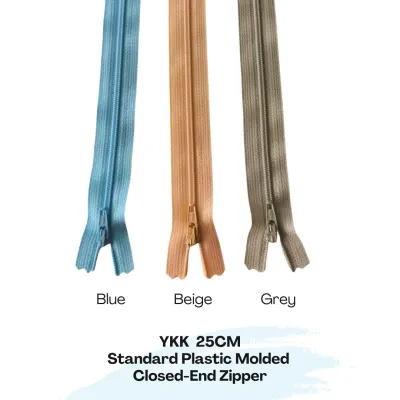
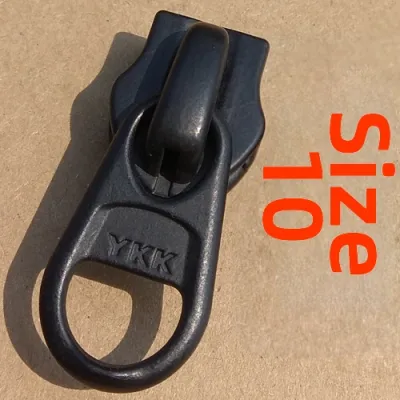
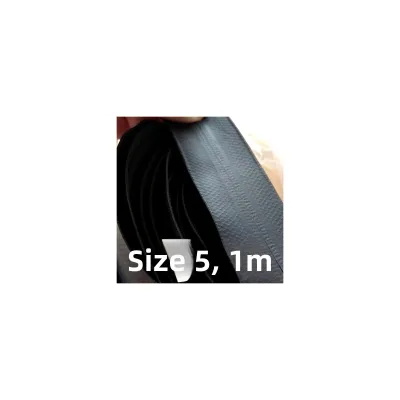
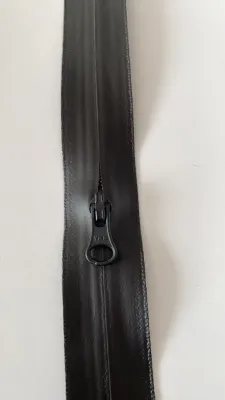
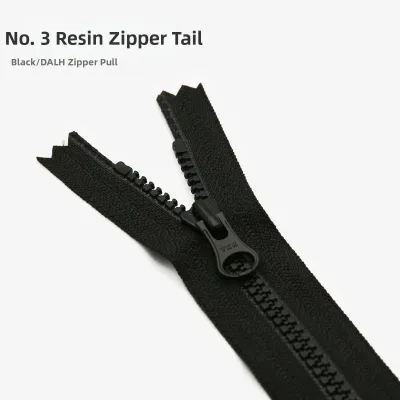
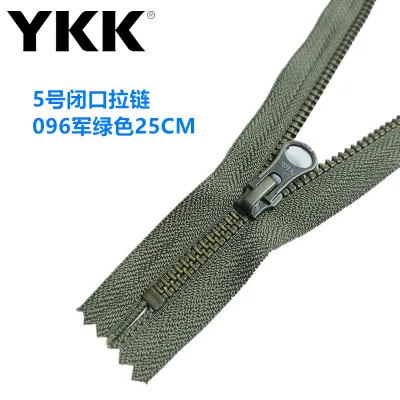
Prices are valid at publication and may change. Please refer to the product page for the latest price.
- Lightweight Garments (Dresses, Skirts, Blouses): Invisible zippers or lightweight nylon coil zippers (#3) provide a clean, unobtrusive finish that preserves the natural drape of the fabric.
- Heavy-Duty Bags and Backpacks: Thick nylon coil zippers (#5 or #8) offer the necessary flexibility to navigate tight corners while resisting high bursting pressures.
- Denim and Leather Goods (Jeans, Jackets, Boots): Metal zippers (#4.5 or #5) provide the structural strength and classic aesthetic required to complement heavy, dense materials.
- Sportswear and Outdoor Gear: Molded plastic (Vislon) zippers offer excellent resistance to moisture and humidity, making them ideal for activewear and jackets.
Before finalizing your purchase, always verify the specific weight of your fabric and the expected stress on the seam. Heavy canvas or thick wool will require a larger gauge zipper than lightweight linen or silk, regardless of the project type. Additionally, always consult your sewing pattern instructions, as specific designer recommendations or construction techniques may override these general guidelines.
Understanding the Main Types of YKK Zippers
To make an informed selection, you must first understand the structural differences, strengths, and typical applications of the core YKK zipper families. Each type is engineered with distinct materials and manufacturing processes to perform under specific conditions.

Coil Zippers (Nylon/Polyester)
Coil zippers are constructed from a continuous spiral loop of synthetic monofilament, typically polyester or nylon, sewn onto a fabric tape. This design gives coil zippers immense flexibility, allowing them to bend around curves and conform to the natural movement of garments without stiffening the seam.
Because the teeth are formed from a continuous loop, coil zippers are highly resistant to horizontal pulling forces and are less likely to snag or catch on surrounding fabric. They are the standard choice for lightweight apparel, interior pockets, cosmetic bags, and home decor items like throw pillows. If a coil zipper tooth becomes slightly misaligned, it can often self-correct through normal slider movement, making it a highly forgiving option for everyday items.
Metal Zippers
Metal zippers feature individual metal teeth clamped at precise intervals along the edge of a sturdy fabric tape. These teeth can be made from various metals, including brass, aluminum, nickel, and antique finishes, each offering a distinct visual style and weight.
Metal zippers are prized for their durability, classic appearance, and high tensile strength. They are the traditional choice for rugged workwear, denim jeans, leather jackets, and heavy-duty luggage where a robust closure is essential. However, metal zippers are heavier and stiffer than synthetic alternatives, meaning they can cause lightweight fabrics to sag or distort if installed incorrectly.
Invisible Zippers
Invisible zippers are a specialized subset of coil zippers where the teeth are mounted on the reverse side of the zipper tape. When installed correctly using a specialized presser foot, the zipper teeth roll inward toward the inside of the garment, leaving only a tiny, teardrop-shaped pull tab visible on the exterior.
This concealed design makes invisible zippers the industry standard for formal wear, bridal gowns, tailored skirts, and fitted dresses where a visible zipper line would disrupt the clean silhouette of the garment. Because the tape is lightweight and the teeth are hidden, invisible zippers require careful handling during installation to avoid catching the delicate fabric of the garment in the slider mechanism.
Molded Plastic (Vislon) Zippers
Molded plastic zippers, commonly known by the YKK brand name Vislon, consist of individual polyacetal resin teeth injected directly onto the zipper tape. This manufacturing process creates a chunky, distinct tooth structure that is significantly lighter than metal while remaining incredibly strong.
Vislon zippers are highly resistant to environmental factors, including salt water, chemicals, and extreme humidity, which makes them the preferred choice for outdoor gear, marine applications, ski jackets, and sportswear. The molded plastic teeth slide smoothly and are less prone to freezing or jamming in cold weather, providing reliable performance in demanding outdoor conditions.
Key Selection Criteria Beyond the Zipper Type
Once you have selected the appropriate zipper family, you must evaluate several secondary specifications to ensure the zipper functions correctly and lasts for the lifespan of your finished product.
Zipper Size (Gauge)
The size of a zipper, often referred to as its gauge, is indicated by a number such as #3, #5, #8, or #10. This number corresponds to the approximate width of the closed zipper teeth in millimeters; for example, a #5 zipper has teeth that measure approximately 5 mm across when zipped.
Matching the gauge to your fabric weight and project stress levels is crucial for structural integrity. A delicate #3 zipper is perfect for lightweight summer dresses and pocket linings, whereas a #5 zipper is the standard utility size for casual jackets, tote bags, and cushion covers. For heavy-duty applications like backpacks, tents, or thick winter coats, a #8 or #10 zipper provides the necessary bulk and strength to withstand high tension.
Tape Material and Width
The fabric tape that supports the zipper teeth is typically made from polyester, cotton, or synthetic blends. Polyester tape is the most common due to its strength, resistance to shrinking, and quick-drying properties, making it ideal for items that undergo frequent washing.
Cotton tape is occasionally selected for vintage restoration projects or garments that will undergo a dyeing process, as cotton readily absorbs fabric dyes while polyester resists them. When sewing, ensure your sewing machine needle is appropriate for the tape thickness; a standard universal needle works well for polyester tapes, but a heavier denim or jeans needle may be required when sewing through thick, reinforced zipper tapes on heavy-duty projects.
Slider and Puller Options
The slider is the mechanism that joins and separates the zipper teeth, and its locking style must match the function of the item you are creating. Sliders generally fall into three main categories:
- Auto-Lock Sliders: These contain a small internal pin that locks the slider in place as soon as tension is released from the pull tab. This prevents the zipper from sliding open on its own, making auto-lock sliders essential for trousers, skirts, and jackets.
- Non-Lock Sliders: These slide freely along the teeth without locking, which is ideal for bags, backpacks, and cushion covers where you want to be able to pull the opening apart easily from the top.
- Pin-Lock Sliders: These rely on a small pin on the pull tab itself to lock into the teeth when pushed flat against the zipper, offering a low-profile locking option often found on vintage garments.
End Types (Closed-end vs. Separating)
You must choose between a closed-end zipper and a separating zipper based on how the finished item needs to open. Closed-end zippers are secured at the bottom with a metal or plastic stop, preventing the two sides of the tape from separating completely. These are used for trousers, pockets, sleeves, and home decor cushions.
Separating zippers feature a box-and-pin mechanism at the bottom, allowing the two halves of the zipper to detach completely from one another. This style is mandatory for front-opening jackets, cardigans, and detachable hoods. For long coats or sleeping bags, a two-way separating zipper allows you to open the zipper from both the top and the bottom, providing extra mobility and ventilation.
How to Measure and Order the Correct YKK Zipper
Accurate measurement and clear ordering specifications are essential to prevent sizing errors and ensure your zipper fits your project perfectly without requiring awkward modifications.
Defining the Exact Measurement Points
When measuring a zipper, the specified length refers strictly to the distance between the top stop and the bottom stop. It does not include the extra fabric tape extending beyond the stops at either end, which is designed to be sewn into the seams of your project.
To measure an existing zipper for replacement, lay it flat on a hard surface and measure from the very top metal or plastic stop to the very bottom stop. If you are measuring a sewing pattern, measure the designated zipper opening along the seam line, keeping in mind that you can always shorten a zipper that is too long, but you cannot easily lengthen one that is too short.
Continuous Zipper Chains vs. Pre-Cut Finished Zippers
For large-scale projects or custom designs, you must decide between purchasing pre-cut finished zippers and continuous zipper chains sold by the meter. Pre-cut zippers come with stops and sliders pre-installed, making them convenient and ready to sew immediately into standard-sized openings.
Continuous zipper chain is highly economical for home decor projects, such as long sofa cushions, or custom outdoor gear. When using continuous chain, you cut the exact length you need from a spool, slide on a compatible slider manually, and create your own stops by sewing dense satin stitches over the teeth at the ends. This method eliminates waste and allows you to customize closures to any non-standard length.
What to Check on the Product Label or Supplier Listing
When purchasing YKK zippers from a local haberdashery shop or an online marketplace, always verify the complete product specifications listed on the label or description. Ensure the listing clearly states the length unit (inches or centimeters), the gauge size, the tape color code, and whether the slider is included and pre-installed.
If you are working on a precise project where color matching is critical, try to reference the official YKK color card numbers rather than relying on digital screen representations, which can vary significantly. If your project dimensions are highly unusual or ambiguous, consult your sewing pattern envelope or reach out to a specialty supplier for guidance on the best configuration for your specific build.
Frequently Asked Questions (FAQ)
Can I use a standard coil zipper for an invisible zipper application?
No, you cannot successfully substitute a standard coil zipper for a true invisible zipper application. Standard coil zippers are designed with the teeth facing forward on the same side as the pull tab, which prevents them from rolling backward into the seam to hide.
True invisible zippers feature teeth that are physically coiled toward the back of the tape, allowing them to disappear completely when sewn with a specialized invisible zipper foot. Attempting to hide a standard zipper using concealed sewing techniques will result in a bulky, puckered seam that is prone to catching on the slider and will not lay flat against the body.
What does the number (e.g., #5) on a YKK zipper slider mean?
The number stamped on a YKK zipper slider indicates the gauge size of the zipper teeth it is designed to fit. For example, a slider marked with a #5 is engineered specifically for a #5 zipper chain, which has a closed teeth width of approximately 5 mm.
Using a slider that does not match the gauge of your zipper chain will cause the zipper to malfunction, either by failing to close the teeth properly or by jamming entirely. When replacing a worn slider, always check the back of the original slider for this number to ensure you purchase an exact match for your zipper chain.
How do I fix a YKK zipper that separates after being zipped up?
A zipper that separates after being zipped up is usually caused by a worn-out slider that has lost its tension, misaligned teeth, or debris caught in the track. Over time, the metal walls of a slider can stretch open slightly, preventing them from applying enough pressure to lock the teeth together.
To diagnose the issue, first inspect the zipper track for any caught threads, dirt, or bent teeth, and gently clear any obstructions. If the teeth are undamaged but still separate, you can try using a pair of pliers to gently squeeze the sides of the slider body back together to restore its original shape. If the slider or teeth are physically cracked, deformed, or missing, stop using the item and replace the zipper entirely or consult a professional tailor to avoid damaging the surrounding fabric.
Community discussion
Share your experience or ask a question. Comments are reviewed before publication.