
Selecting the right yarn for a knitting project is far more than an aesthetic choice; the fiber content directly determines how your finished item will drape, stretch, wear, and wash. While a knitting pattern typically recommends a specific yarn weight, understanding the underlying properties of different fibers empowers you to make successful substitutions. Whether you are crafting a warm winter sweater, a breathable summer top, or a durable household item, matching the material to the project’s purpose ensures your hard work lasts. This guide breaks down the essential characteristics of natural and synthetic fibers to help you navigate your next project with confidence.
Understanding Natural vs. Synthetic Yarn Fibers
To make informed decisions, you must first understand the two primary categories of yarn: natural and synthetic. Natural fibers are sourced from plants or animals. Animal-based fibers, such as wool and alpaca, provide excellent warmth, elasticity, and moisture-wicking capabilities. Plant-based fibers, including cotton and bamboo, offer high breathability and strength, though they lack natural bounce.
Synthetic fibers, such as acrylic, polyester, and nylon, are man-made materials engineered for durability, ease of care, and cost-effectiveness. While highly practical, they generally lack the breathability and temperature-regulating properties of natural fibers.
Products mentioned in this guide
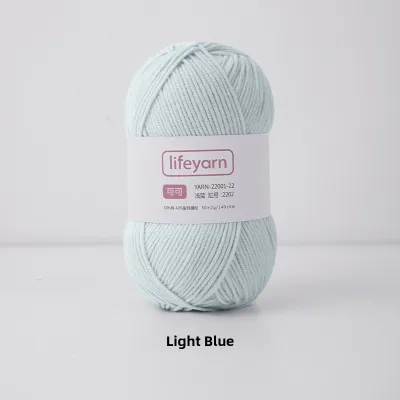
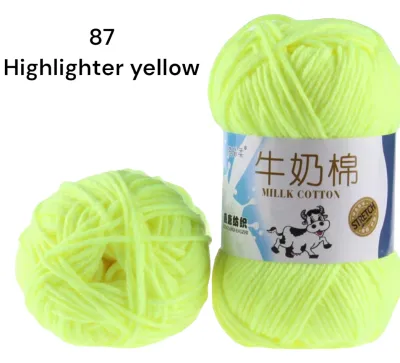
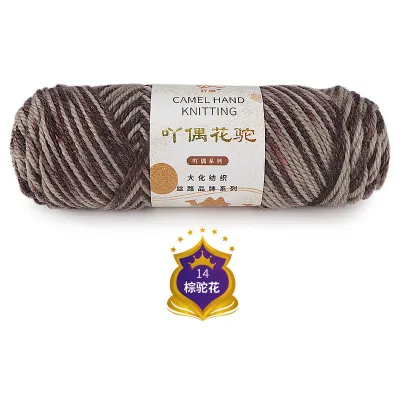
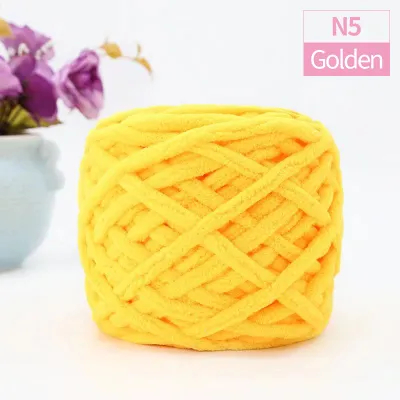
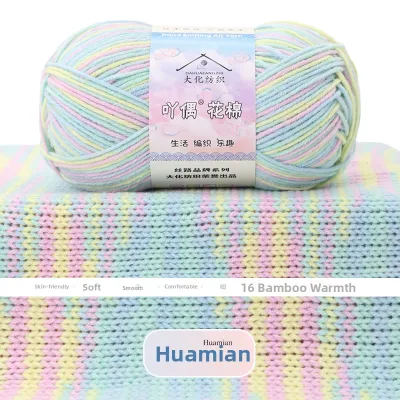
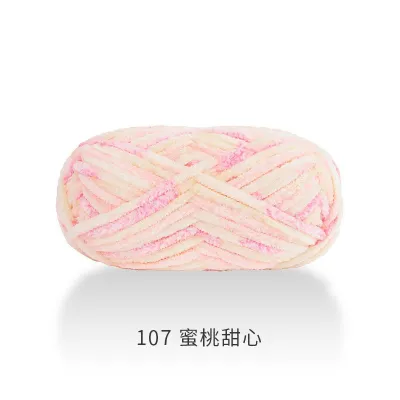
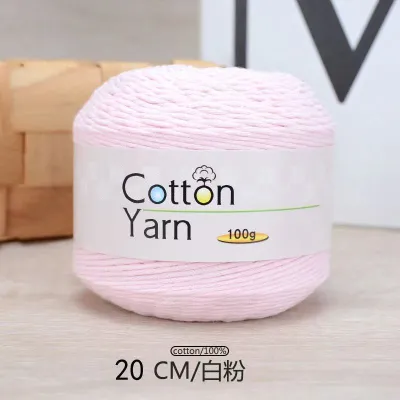
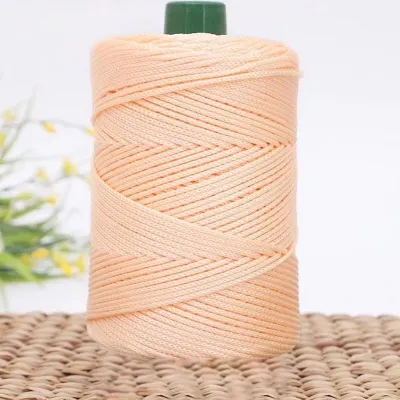
Prices are valid at publication and may change. Please refer to the product page for the latest price.
When selecting yarn, always inspect the paper ball band wrapped around each skein. This label details the exact fiber percentages, recommended needle size, gauge, and care instructions, which are essential for verifying whether the material matches your project requirements.
Wool Yarn: Properties and Suitable Knitting Projects
Wool, harvested from sheep, is celebrated for its excellent warmth and structural integrity. Its natural elasticity and ‘stitch memory’ allow the fiber to stretch during wear and return to its original shape, making it highly suitable for form-fitting garments. The natural crimp of wool fibers also creates tiny air pockets that trap heat.

These properties make wool an excellent choice for structured winter garments like sweaters, cardigans, mittens, and hats. The elasticity of the fiber helps ribbing retain its snug fit, while the natural texture provides clean stitch definition for complex cable patterns.
However, traditional wool requires careful maintenance. Its microscopic scales can interlock when exposed to heat, moisture, and friction, causing the garment to shrink and felt. Unless the label states the yarn is ‘superwash’ (treated to prevent felting), you must hand-wash wool items in cool water and lay them flat to dry.
Additionally, some individuals find standard wool itchy against sensitive skin. When knitting next-to-skin garments, look for softer varieties like merino wool, which has finer fibers, or check the yarn’s texture in person to verify its softness before purchasing.
Cotton Yarn: Properties and Suitable Knitting Projects
Cotton is a plant-based fiber known for its strength, smoothness, and high breathability. Unlike wool, cotton does not trap heat, making it highly suitable for warm-weather wear. It is also highly absorbent, drawing moisture away from the body, and can withstand frequent washing without shrinking or felting.
These characteristics make cotton yarn excellent for summer tops, lightweight shawls, baby clothing, and household items like dishcloths and market bags. Its smooth texture provides clean, crisp stitch definition, which beautifully showcases lace patterns and simple knit-purl textures.
However, cotton lacks natural elasticity and memory. Because the fibers do not stretch and bounce back, garments knitted from 100% cotton tend to sag or stretch out of shape over time, especially when wet. To mitigate this, choose patterns with structured seams or opt for cotton blends that introduce lighter, more elastic fibers.
While cotton is generally machine-washable, 100% cotton items take longer to dry than synthetic alternatives. Laying garments flat to dry is still recommended to prevent gravity from stretching the wet, heavy fibers.
Acrylic Yarn: Properties and Suitable Knitting Projects
Acrylic yarn is a fully synthetic material popular for its affordability, durability, and ease of maintenance. It is naturally hypoallergenic, making it an excellent alternative for individuals with wool allergies or sensitive skin. Acrylic is also moth-resistant and available in an almost limitless array of vibrant colors.
These practical benefits make acrylic yarn the go-to choice for large-scale projects like blankets and home decor, where the cost of natural wool would be prohibitive. It is also highly favored for children’s wear, amigurumi (knitted toys), and items intended for charity donations, where easy care is essential.
Despite its convenience, acrylic has notable limitations. It lacks the breathability of natural fibers, which can make garments feel warm and clammy. Synthetic fibers are also prone to static electricity and tend to pill—forming small, fuzzy balls of fiber on the surface—in areas of high friction.
The standout advantage of acrylic is its washability. Most acrylic yarns can be tossed directly into the washing machine and tumble dryer without risk of shrinkage or felting, making them highly practical for busy households.
Blended Yarns: Combining Fibers for Specific Needs
Blended yarns combine two or more different fibers into a single strand, allowing knitters to enjoy the benefits of each material while minimizing their individual drawbacks. Manufacturers strategically blend fibers to balance cost, durability, drape, and care requirements, creating highly versatile options.
A classic example is a wool and nylon blend, often used for socks. While wool provides warmth, adding 20% nylon dramatically increases durability in high-friction areas. Another popular combination is cotton and acrylic; the acrylic reduces the overall weight and adds elasticity, preventing the cotton from sagging while retaining breathability.
When working with blends, always read the ball band to identify the dominant fiber percentage, which dictates how the yarn behaves and how it must be washed. For instance, a blend of 70% wool and 30% acrylic should still be hand-washed to prevent felting, whereas an 80% acrylic blend can often tolerate a gentle machine wash.
How to Match Yarn Material to Your Knitting Pattern
Choosing the right yarn requires a systematic approach that balances the pattern’s technical requirements with the practical needs of the finished item. Before purchasing yarn, cross-reference your pattern’s recommended fiber content, yarn weight, and gauge. Substituting a heavy, inelastic cotton yarn in a pattern designed for a lightweight, bouncy wool can result in a garment that is out of proportion.
Next, evaluate the end-use environment and the wearer’s lifestyle. If you are knitting a baby blanket, a machine-washable acrylic or cotton blend is far more practical than a delicate hand-wash wool. Conversely, if you are knitting a rugged outdoor sweater for cold climates, prioritizing the warmth and water resistance of natural wool is essential.
Finally, avoid skipping the step of knitting a gauge swatch. Cast on a small square using your chosen yarn and needles, knit a few inches, and measure your stitches. Wash and dry this swatch exactly how you plan to care for the finished garment. This simple test allows you to observe how the fiber behaves after wet blocking—whether it stretches, shrinks, or loses its stitch definition—before you invest hours of labor.
Frequently Asked Questions (FAQ)
Can I substitute cotton yarn for wool in a sweater pattern?
Substituting cotton for wool in a sweater pattern requires caution because cotton lacks wool’s natural elasticity and memory. A sweater designed for wool relies on the fiber’s bounce to hold its shape; if knitted in cotton, the garment may stretch out, sag, and become heavy. If you want to make this substitution, choose a cotton-acrylic blend to add elasticity, or select a pattern specifically designed for plant-based fibers that accounts for the heavier drape.
How do I minimize pilling on acrylic yarn projects?
To minimize pilling on acrylic items, reduce friction during wear and washing. Wash acrylic garments inside out on a gentle cycle using cool water, and avoid washing them alongside rough fabrics like denim. Air drying or using a low-heat dryer cycle also helps preserve the fibers. If pills do form, gently remove them using a dedicated fabric shaver or a sweater stone rather than pulling them off by hand, which can loosen more fibers.
Which yarn material is most forgiving for beginners?
For beginners, a medium-weight (vorsted or DK) acrylic yarn or a wool-acrylic blend is recommended. These fibers offer excellent elasticity, making it easier to maintain even tension, and they provide clear stitch definition so you can easily spot and correct mistakes. Beginners should avoid extremely dark colors, highly textured novelty yarns, and slippery fibers like pure cotton or silk, which can easily slide off the needles.

Community discussion
Share your experience or ask a question. Comments are reviewed before publication.