
When selecting a yarn holder, there is no single best option for every crafter. The right choice depends entirely on whether you need active yarn feeding during your project or yarn preparation before you begin. By comparing the distinct functions of yarn bowls, stands, and swifts against your specific project size, yarn weight, and workspace, you can identify the tool that best supports your crafting style. Whether you are working in a cozy apartment where space is at a premium or setting up a dedicated craft room, understanding these tools ensures your fibers remain clean, untangled, and ready to work.
Understanding How Each Yarn Holder Functions
To choose the correct tool, you must first distinguish between active crafting accessories and preparation equipment. Using the wrong tool can lead to frustrating tangles, uneven tension, or damaged fibers. Each of these three yarn holders serves a distinct mechanical purpose in a crafter’s workflow.
Yarn bowls are designed for active knitting or crocheting. These bowls feature a weighted base and a curved slit or guide hole on the side. When you place a pre-wound ball or skein inside, you thread the working yarn through the slit. As you pull, the bowl keeps the yarn from rolling across the floor, collecting dust, or escaping under furniture. The physical weight of the bowl, combined with the friction of the slit, provides a mild, consistent tension that helps stabilize your stitches as you work.
Products mentioned in this guide
Prices are valid at publication and may change. Please refer to the product page for the latest price.
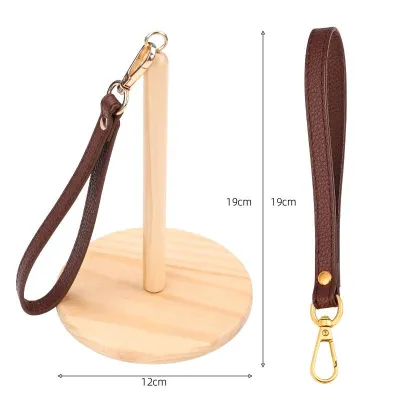
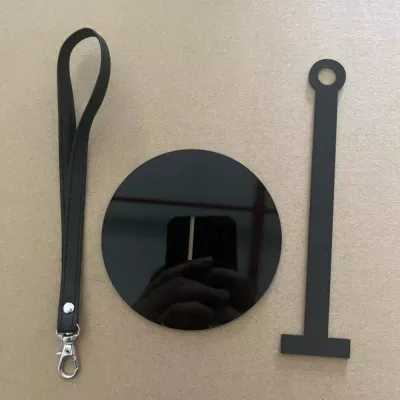
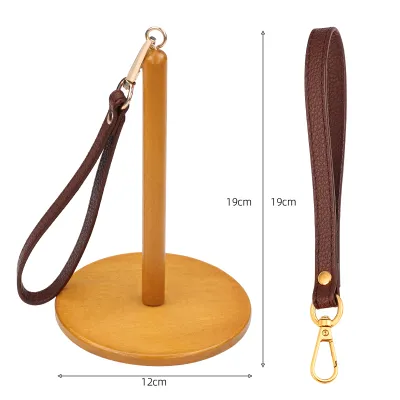
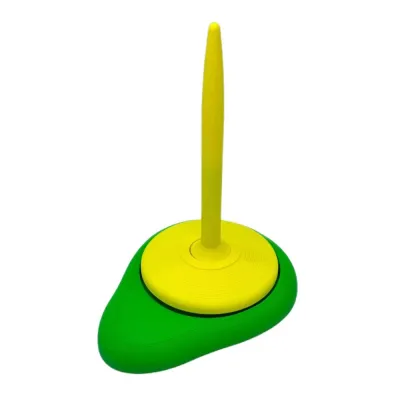
Yarn stands utilize a vertical spindle or pole to hold yarn packages upright. They are engineered for continuous, high-tension feeding directly from cones, large industrial skeins, or multiple yarn cakes simultaneously. Instead of letting the yarn tumble freely, a stand keeps the core stationary while the strand feeds smoothly upward or outward. This setup is particularly beneficial for colorwork, double-strand projects, or machine knitting, where any sudden snag or drop in tension can ruin the gauge of your fabric.
Yarn swifts serve an entirely different phase of the crafting process: yarn preparation. A swift is an adjustable, rotating frame—often resembling an umbrella or a horizontal wooden ladder—designed to hold loose, untwisted loops of yarn known as hanks or skeins. You cannot easily knit directly from a loose hank without creating a massive tangle. The swift holds the hank under light tension, rotating smoothly as you wind the yarn into a neat, usable ball or center-pull cake using a manual ball winder. It is a preparation tool, not an active feeding accessory.
Matching the Yarn Holder to Your Project Needs
Selecting the right yarn holder requires analyzing the physical characteristics of your yarn, your preferred crafting environment, and the scale of your projects. Matching the tool to your specific workflow prevents unnecessary purchases and keeps your workspace organized.

Yarn Bowls for Light to Medium Yarns and Contained Spaces
Yarn bowls are highly practical for everyday crafting with standard commercial skeins, cakes, and hand-wound balls. If you frequently work with light to medium yarn weights—such as lace, fingering, sport, or worsted weight fibers—a bowl provides the perfect amount of containment. It prevents the ball from unraveling too quickly or rolling off your lap, making it an excellent companion for crafting in compact living spaces or while commuting on public transit.
When evaluating a yarn bowl, pay close attention to its physical weight and material. A bowl that is too light will slide across your table or tip over when you pull the yarn. Ceramic, heavy stoneware, and solid wood are popular choices because their natural weight keeps them anchored. Additionally, inspect the inner surface and the guide slit. The entire pathway must be perfectly smooth; any rough wood grain, glaze drips, or sharp ceramic edges can snag delicate fibers like mohair, silk, or fine merino wool, causing them to fray before they even reach your needles.
Yarn Stands for Large Cones and Continuous Tension
For projects that demand heavy yarns, large cones, or multiple strands worked together, a yarn stand outperforms a bowl. If you are working on large-scale home decor items, heavy blankets, or using machine knitting techniques, a standard yarn bowl will quickly prove too small or unstable. A yarn stand holds the heavy core of a cone securely, allowing the yarn to feed from the top without the risk of the entire package tipping over or rolling away.
When choosing a stand, verify the stability of the base and the height of the vertical pole. A wide, weighted base—often made of solid wood or cast iron—is essential to counteract the upward pull of the yarn. Some stands feature multiple spindles, which are invaluable for colorwork or holding companion yarns together. You should also evaluate any built-in tension guides or loops at the top of the stand. Ensure these guides are smooth and wide enough to accommodate your specific yarn thickness without causing friction that could shred or pill the fiber.
Yarn Swifts for Yarn Preparation and Winding
If you frequently purchase premium, hand-dyed yarn that arrives in loose hanks, a yarn swift is an indispensable preparation tool. Attempting to wind a hank into a ball by stretching it over the back of a chair or having a friend hold it often leads to hours of untangling. A swift holds the hank securely at its full diameter, rotating effortlessly as you wind the yarn.
Before purchasing a swift, check its adjustable diameter range to ensure it can accommodate the typical hank sizes you buy. Most umbrella-style swifts can expand to hold hanks ranging from small sport-weight loops to large bulky-weight skeins. Additionally, verify the mounting mechanism. Most swifts rely on a table clamp to stay secure during rotation. You must measure your crafting desk or table thickness to ensure the clamp can open wide enough to secure the swift firmly without damaging the wood surface.
Practical Checks Before You Buy
Because you cannot always test a yarn holder in person before purchasing, performing a few practical checks on specifications and materials will help you avoid common pitfalls. Whether you are investing S$25 in a compact ceramic bowl or S$70 in a solid wood swift, verifying these details ensures a long-lasting tool.
First, conduct a thorough surface and snag check. If you are buying online, zoom in on product images to inspect the guide slits of yarn bowls or the wooden arms of swifts. Look for unfinished wood, splinters, or sharp metal seams. For wooden tools, check if they have been sealed with a smooth, clear lacquer. If you are purchasing a ceramic bowl, look for a fully glazed interior. Any rough texture will catch on your yarn, disrupting your tension and damaging the fiber structure.
Second, evaluate the stability and physical footprint of the tool in relation to your workspace. Measure the table or desk where you plan to use the holder. A yarn swift requires a sturdy edge to clamp onto; verify that your desk does not have a decorative bevel or a metal frame underneath that prevents a clamp from gripping securely. If you choose a tabletop yarn stand or bowl, ensure it has a non-slip base, such as felt or rubber pads, to protect your furniture and keep the holder from sliding around as you pull.
Finally, consider portability versus permanence. If you enjoy crafting on the go, a lightweight, compact wooden or plastic yarn bowl is easy to pack into a project bag. Conversely, if you have a dedicated craft room, a heavy, stationary ceramic bowl or a large, table-mounted wooden swift and ball winder setup can remain permanently assembled. Choosing a tool that matches your lifestyle ensures it becomes a helpful asset rather than an inconvenient obstacle.
Final Decision Framework
To make your final decision, assess your current yarn stash and crafting habits against these conditional guidelines:
- Choose a yarn bowl if you primarily work with pre-wound balls, cakes, or standard commercial skeins, craft in smaller or mobile spaces, and need a simple, portable way to keep your yarn clean and contained.
- Choose a yarn stand if you work with large cones, knit with multiple strands simultaneously, require high and consistent tension, or use a knitting machine.
- Choose a yarn swift if you regularly buy loose hanks of yarn and need an efficient, tangle-free way to wind them into usable cakes before you begin your projects.
Before finalizing your purchase, always verify the physical dimensions of the tool. Check the inner diameter of a yarn bowl to ensure it fits your typical cake size, measure your desk thickness to guarantee clamp compatibility for swifts, and confirm the weight of any tabletop stand to ensure it will remain stable during your crafting sessions.
Frequently Asked Questions (FAQ)
Can I use a yarn swift while actively knitting?
No, you should not use a yarn swift for active knitting. Swifts are designed strictly for yarn preparation and lack the necessary tension control, weight, and stability required for active pulling. Attempting to knit directly from a rotating swift can cause the frame to spin unpredictably, leading to slack yarn, severe tangles, and uneven stitch tension. For active crafting, always wind your yarn into a ball or cake first, then feed it from a yarn bowl or stand.
Do yarn bowls work with center-pull cakes?
Yes, yarn bowls can be used with center-pull cakes, but their utility depends on how you pull the yarn. If you pull from the center of the cake, the cake will remain stationary, and the bowl simply acts as a clean container to protect it from dust and pets. However, the curved guide slit on a yarn bowl is specifically designed for outside-pull skeins and balls, where the yarn rotates and tumbles. If you plan to use center-pull cakes, check the bowl’s inner diameter to ensure the cake fits comfortably inside without being compressed, which can restrict the smooth flow of the yarn.

Community discussion
Share your experience or ask a question. Comments are reviewed before publication.