
Finding the perfect World Cup trophy replica requires looking far beyond shiny online product photos. A high-quality replica is defined by its material composition, weight distribution, surface finish, and scale accuracy. Whether you are purchasing a memorable souvenir for a passionate football fan in Singapore or adding a striking centerpiece to your own display cabinet, understanding these technical specifications ensures you receive a durable, visually impressive piece rather than a cheap, easily damaged imitation.
Decoding Material and Build Specifications
When evaluating a trophy replica, the base material is the most critical factor determining both its durability and overall feel. Manufacturers typically use three primary materials: metal alloys, resin, or plastic. Each material offers distinct characteristics that affect how the replica looks on a shelf and how it handles over time.
Resin is highly popular for mid-range and premium replicas because it allows for incredibly intricate molding. This material captures the fine details of the two physical figures holding up the globe with high precision. While resin replicas have a satisfying weight, they can be brittle; a drop onto a hard tile floor can easily cause chipping or breakage.
Products mentioned in this guide

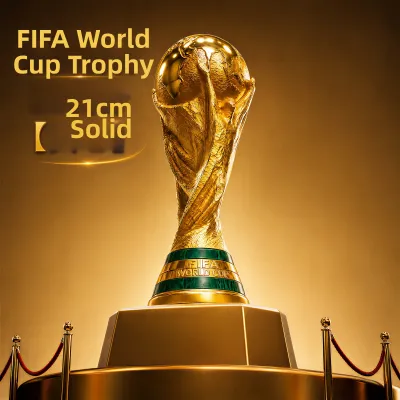

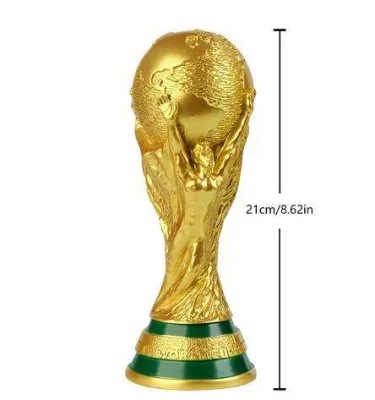
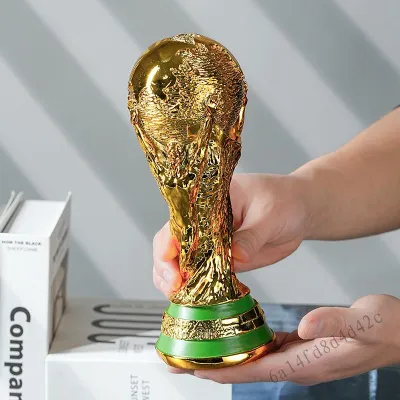
![[Bekcona.] 2026 US-Canada-Mexico World Cup Hercules Cup Model Fans Fans Football Souvenirs Champions Trophy](https://img.lazcdn.com/g/p/bc0b4acb7995d4bcc080a7c2b5006992.jpg_webp_400x400q80.jpg_.webp)
Prices are valid at publication and may change. Please refer to the product page for the latest price.
Metal alloys, such as zinc alloy, offer a premium, cold-to-the-touch feel and exceptional structural strength. These replicas are highly durable and resist impact damage much better than resin. However, untreated metal alloys can be susceptible to oxidation and tarnishing if exposed to high humidity over extended periods.
Plastic is the most budget-friendly option, making it suitable for casual toys or children’s party favors. However, plastic replicas lack the weight and premium texture required for a serious display piece or a formal gift. They are also highly prone to scratching and surface wear.
To avoid disappointment, always check the manufacturer’s specification sheet for the exact material composition rather than relying on visual guesses. Some online listings use clever lighting and digital editing to make painted plastic look like solid metal. Furthermore, keep in mind that a heavier trophy is not universally better; if the replica is intended to be passed around and handled frequently during match viewings, a moderately weighted resin or lightweight alloy is often safer than an extremely heavy solid metal piece.
Interpreting Scale, Dimensions, and Weight Specs
The original FIFA World Cup trophy stands at exactly 36.5 centimeters tall and weighs approximately 6.17 kilograms. Replicas are generally produced in several standard scale categories, and understanding these measurements is essential for planning your display space.

Full-size replicas (1:1 scale) match the original 36.5-centimeter height. These are commanding pieces that require a significant amount of dedicated space. A full-size resin or metal replica can weigh anywhere from 1.5 to over 3 kilograms, meaning you must ensure your display cabinet or floating shelf is structurally rated to support such a concentrated load.
Half-scale replicas (typically around 18 to 20 centimeters tall) offer an excellent compromise. They preserve enough surface area to showcase detailed engraving and molding while fitting comfortably on standard bookshelves. These pieces generally weigh between 500 grams and 1 kilogram, making them sturdy yet easy to move.
Desktop miniatures (under 15 centimeters tall) are highly popular for office desks, study tables, or small bedside shelves. These compact souvenirs are lightweight and highly portable, making them excellent, unobtrusive gifts that do not clutter limited living spaces.
Before making a purchase, always use a physical ruler to visualize the listed height and base diameter in your intended display area. This simple step prevents the common disappointment of receiving a trophy that is either too massive for a compact apartment shelf or too small to be noticed.
Evaluating Finish, Detailing, and Base Construction
The visual authenticity of a replica depends heavily on the quality of its surface finish and the precision of its casting. A high-quality finish should look like solid, polished gold rather than a yellow toy.
Look for replicas that specify an electroplated metallic finish. Electroplating deposits a genuine, micro-thin layer of metal onto the surface, providing a brilliant, mirror-like luster that resists fading. In contrast, lower-tier replicas often rely on gold spray paint, which can look dull, show visible drip marks, and flake off over time.
Examine close-up product photos to evaluate the detailing on the globe and the physical figures. The lines representing the continents and the muscular definition of the two figures holding up the earth should be sharp and distinct. Blurry, soft, or merged edges indicate a low-quality casting mold or a manufacturer rushing the production process.
The base of the trophy is another critical area for both visual accuracy and physical stability. The original trophy features two distinctive bands of green malachite. In replicas, these bands are represented by painted stripes, colored resin inserts, or genuine polished stone. Ensure the base is perfectly flat and wide enough to prevent the top-heavy structure from tipping over. Replicas with a felt or non-slip pad on the bottom are highly preferred, as they protect both the trophy base and your wooden or glass furniture from scratches.
Aligning Physical Specs with Display and Gifting Needs
Choosing the right replica often comes down to how the item will be used. Whether you are looking at budget-friendly options or investing in a premium collector’s piece priced over S$100, matching the physical specifications to the recipient’s lifestyle is key.
For personal collections where the trophy will sit permanently inside a glass cabinet, a full-size resin or alloy replica provides the ultimate visual impact. However, if you are purchasing a souvenir gift for a colleague or friend, a half-scale or desktop miniature is often much more practical, as it is easier to transport and integrate into a home or office environment.
When gifting, pay close attention to the packaging specifications. A quality replica should come in a dedicated presentation box with custom-cut foam lining. This packaging not only elevates the gifting experience but also ensures the delicate metallic finish is protected from friction and impact during shipping and transit.
Finally, consider the long-term maintenance of the materials. To preserve the brilliant gold finish, the replica should be kept out of direct sunlight, which can degrade painted coatings and cause resin to become brittle. Placing the trophy in a closed glass display case is the best way to protect it from dust and ambient moisture, keeping it looking pristine for years to come.
Frequently Asked Questions (FAQ)
How can I tell if a replica is officially licensed?
Officially licensed replicas feature specific security markers, such as holographic stickers with unique serial numbers, official FIFA branding on the packaging, and precise legal copy engraved on the base or printed on the box. While unlicensed replicas can sometimes offer decent physical craftsmanship, they lack these official authentication markers and do not hold the same collectible or resale value.
What is the safest way to clean a metallic-finish replica?
The safest way to clean a metallic-finish replica is to wipe it gently with a dry, ultra-soft microfiber cloth. Avoid using water, liquid detergents, glass cleaners, or chemical solvents, as these substances can react with the thin electroplated layer or paint, leading to tarnishing, peeling, or permanent discoloration.

Community discussion
Share your experience or ask a question. Comments are reviewed before publication.