
Choosing the right painting palette is not about finding a universally superior tool, but rather about matching a material’s physical properties to your specific paint medium, working environment, and cleanup habits. The surface you mix on directly influences how long your paint stays wet, how accurately you can judge color values, and how much effort you must spend on maintenance.
For artists working in high-humidity environments like Singapore, material stability becomes even more critical, as moisture can accelerate warping in natural materials or affect paint drying times. By understanding the distinct behaviors of wood, plastic, and glass, you can select a palette that integrates seamlessly into your creative workflow and preserves the quality of your pigments.
How to Match Palette Material to Your Paint Medium
Each painting medium possesses unique chemical properties, drying mechanisms, and solvent requirements that interact differently with your palette surface. Watercolors rely on a highly fluid application where pigments must remain easily re-wettable. Non-porous surfaces like plastic and glass are excellent for keeping watercolor washes pooled without absorption, though untreated plastic can cause the water to bead up rather than spread evenly. Traditional wood palettes are rarely used for watercolors unless they are heavily sealed, as raw wood will immediately absorb the water, causing the pigments to sink into the grain and permanently stain the surface.
Products mentioned in this guide
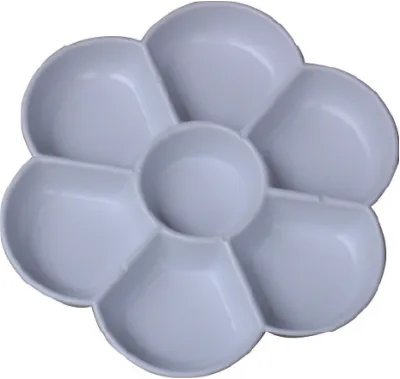
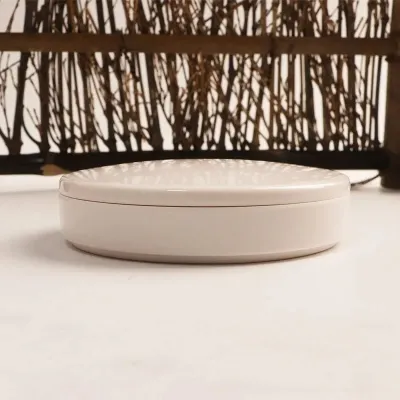
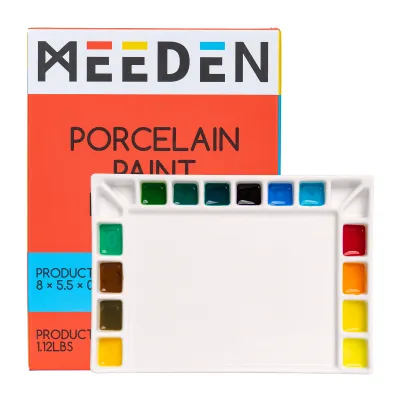
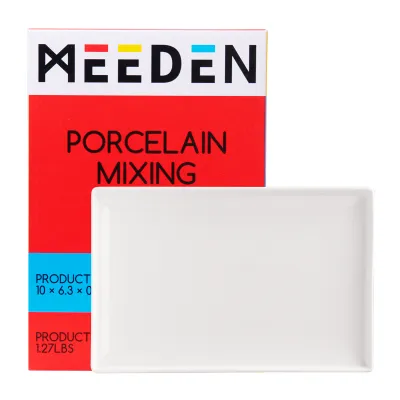
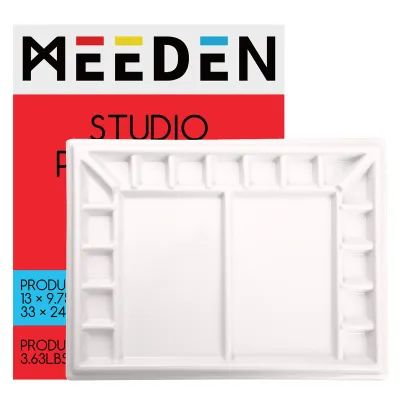
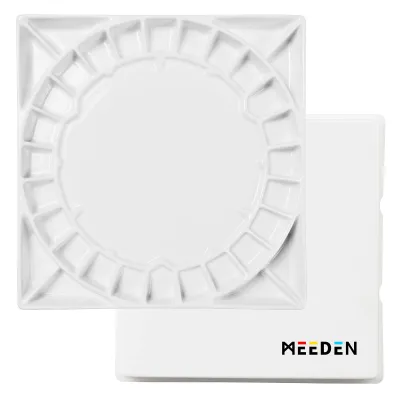
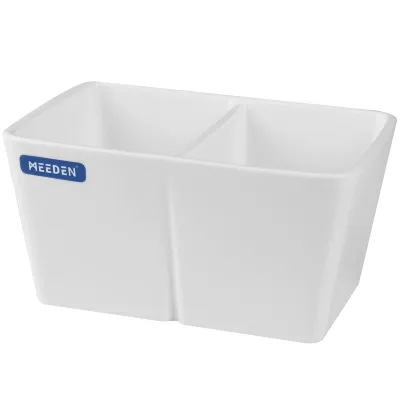
Prices are valid at publication and may change. Please refer to the product page for the latest price.
Acrylic paints present a different challenge due to their rapid drying times and polymer-based binder. As acrylic paint dries, it forms a flexible, plastic-like film that bonds tightly to porous surfaces. If you use an unsealed wood palette, the acrylic paint will lock into the wood fibers, making it nearly impossible to remove without damaging the palette. Glass and specially treated non-stick plastics are highly effective for acrylics because the dried paint film does not form a permanent bond, allowing you to peel the dried paint away or scrape it off with ease.
Oil paints dry slowly through oxidation, requiring a surface that can withstand prolonged exposure to oils and the harsh solvents used for cleanup, such as mineral spirits or turpentine. Sealed wood and glass are the traditional standards for oil painting. Wood absorbs a small amount of excess oil, which some artists find helpful for maintaining paint consistency, while glass provides an incredibly smooth, inert surface that resists chemical breakdown from solvents.
Before purchasing any palette, always check the manufacturer’s label or product specifications to verify its chemical resistance and medium compatibility. Some budget plastics can degrade or melt when exposed to the strong solvents used in oil painting, while certain wood finishes may not tolerate water-based mediums over long periods.
Wood Painting Palettes: Traditional Feel and Moisture Control
Wooden palettes carry a rich artistic heritage and remain a favorite for traditional oil painters who appreciate their classic aesthetic and physical feedback. The natural warmth and texture of wood provide a familiar, tactile experience that many studio artists prefer over synthetic materials. When properly prepared, a wooden palette offers excellent moisture control, absorbing just enough oil from the paint to prevent the medium from running or separating during long mixing sessions.

However, raw wood is highly susceptible to environmental damage and must be thoroughly sealed before its first use. Unfinished wood will quickly drink up the binders from your paint, leaving your pigments dry and crumbly while permanently staining the wood grain. To prepare a raw wooden palette, you must apply multiple thin coats of linseed oil or a specialized wood sealer, sanding lightly between coats until the surface achieves a smooth, satin finish that repels moisture.
In humid tropical climates like Singapore, environmental checks are essential for maintaining wooden studio tools. High ambient humidity can cause unsealed or poorly maintained wood to absorb atmospheric moisture, leading to warping, cracking, or even mold growth over time. Store your wooden palettes in a well-ventilated area away from direct sunlight and damp corners, and inspect them regularly for any signs of surface degradation or finish wear.
Ergonomics play a significant role in the design of wooden palettes, which are often shaped with a classic thumb-hole and balanced to rest comfortably on the artist’s forearm. This handheld design allows you to move freely around your studio or paint outdoors without being anchored to a table. When selecting a wooden palette for handheld use, evaluate its weight and balance; a well-designed palette should distribute its weight evenly across your arm to minimize wrist fatigue during extended painting sessions.
Plastic Painting Palettes: Lightweight and Budget-Friendly
Plastic palettes are highly versatile, lightweight, and economical, making them the standard choice for students, hobbyists, and artists who paint on the go. They are particularly well-suited for water-based mediums like gouache, student-grade watercolors, and acrylics, where portability and ease of transport are key priorities. Many plastic palettes feature molded wells and mixing areas, which help keep fluid colors separated and organized.
One common characteristic of new plastic palettes is their hydrophobic surface behavior, which causes water-based paints to bead up into tight droplets rather than spreading smoothly. This beading makes it difficult to judge color mixtures and wash consistency. Fortunately, this is an observable condition that you can easily manage by gently prepping the surface with a mild abrasive or pre-treating it to reduce surface tension, allowing the paint to lay flat.
Over time, plastic palettes are prone to wear and tear that can affect their performance. Plastic is a relatively soft material that scratches easily when exposed to stiff brushes, palette knives, or abrasive cleaning tools. These micro-scratches can harbor dried paint particles and pigments, leading to permanent staining that compromises your ability to judge color accuracy during mixing. Inspect your plastic palettes regularly, and replace them if the mixing areas become heavily scored or discolored.
The primary advantage of plastic lies in its portability and storage convenience. Many plastic models are designed with airtight lids, silicone seals, and folding compartments, allowing you to preserve wet paint between sessions and transport your materials safely without spills. Their lightweight nature and impact resistance make them ideal for classroom environments, outdoor plein air painting, and compact home studios where space is limited.
Glass Painting Palettes: Smooth Mixing and Easy Cleanup
For dedicated studio setups, glass palettes offer an exceptionally smooth mixing surface and unmatched ease of cleanup, making them highly valued by both acrylic and oil painters. The non-porous nature of glass ensures that paint binders are never absorbed, allowing your pigments to retain their exact consistency and moisture level throughout your painting session. The absolute flatness of tempered glass allows your palette knife to glide effortlessly, facilitating incredibly precise color blending.
Cleanup is where glass truly excels compared to other materials. When working with acrylics, you can simply let the leftover paint dry completely and then peel it off the glass surface in a single, satisfying sheet. For oil paints or stubborn, semi-dry acrylics, a simple razor scraper or a flat palette knife held at a shallow angle will cleanly lift the paint without scratching the tempered glass. This eliminates the need for harsh scrubbing or prolonged soaking in chemical solvents.
Another major benefit of glass is the ease of color customization. Because glass is completely transparent, you can place a sheet of neutral gray or white paper directly underneath the palette. This simple adjustment allows you to judge color values and temperatures accurately against a neutral background, mimicking the exact tone of your canvas or paper. Many commercial glass palettes come pre-finished with a neutral gray backing for this exact reason.
Despite these advantages, glass palettes have distinct handling limitations that make them less suitable for mobile use. They are significantly heavier than wood or plastic, and even tempered glass carries a risk of shattering if dropped or subjected to sudden impacts. Consequently, glass palettes are best reserved for permanent studio tables where they can remain stationary, rather than being packed into a travel bag or held in hand for long periods.
Comparison Matrix: Choosing Your Ideal Palette
To help you select the right tool for your creative space, the following matrix compares how each material performs across key operational criteria.
| Palette Material | Best Paint Mediums | Portability | Cleanup Effort | Key Trade-off |
|---|---|---|---|---|
| Wood | Oils, traditional mediums | Moderate (handheld designs) | Moderate (requires sealing) | Can warp in high humidity; stains easily if unsealed |
| Plastic | Watercolors, gouache, acrylics | High (lightweight, folding) | Low to Moderate | Surface scratches easily; water beads on new plastic |
| Glass | Acrylics, oils | Low (heavy, breakable) | Very Low (peels or scrapes clean) | Heavy and fragile; not suitable for handheld use |
Use these conditional selection rules to guide your final purchase decision:
- Choose Wood if you primarily paint with oils, prefer a traditional handheld posture, and are willing to invest time in initial sealing and ongoing surface conditioning.
- Choose Plastic if you travel frequently, paint outdoors, work with highly fluid watercolors or gouache, or need an affordable, impact-resistant option for a classroom.
- Choose Glass if you work in a dedicated studio space, paint with acrylics or oils, prioritize effortless cleanup, and require a perfectly flat surface for precise color mixing.
Neither material may fit your needs if you require a highly portable setup but insist on using heavy glass, or if you use aggressive chemical solvents but attempt to mix on an unsealed wooden surface. Before completing your purchase, always verify the product packaging for specific manufacturer instructions regarding solvent resistance, dishwasher safety, or recommended cleaning agents.
Care and Maintenance for Longevity
Proper maintenance is key to extending the lifespan of your painting palette and ensuring a reliable mixing surface for years to come. For wooden palettes, never submerge the wood in water or leave it soaking, as this will cause the fibers to swell, warp, and split. Instead, wipe the surface clean with a damp cloth immediately after your painting session, and periodically recondition the wood by rubbing a small amount of linseed oil or artist-grade conditioning oil into the surface with a soft cloth.
When caring for plastic palettes, avoid using abrasive scrubbers, steel wool, or harsh chemical solvents, which can create micro-scratches and degrade the plastic. To remove dried acrylic or watercolor, soak the palette in warm, soapy water to soften the paint film, then gently peel or wipe it away with a soft sponge. If watercolor staining occurs, a mild paste of baking soda and water can help lift the pigment without scratching the surface.
Glass palettes require minimal maintenance but benefit from safe handling practices. Always use a dedicated razor scraper with a fresh, sharp blade held at a 15-degree angle to lift dried paint, ensuring you do not gouge the surface. Wipe down the glass with standard glass cleaner or a mild solvent to remove oily residue, and inspect the edges regularly for any chips or cracks that could pose a safety hazard.
Knowing when to retire a palette is crucial for maintaining the quality of your artwork. You should discard and replace your palette if a wooden surface develops deep cracks or mold, if a plastic palette becomes heavily stained and deeply scratched, or if a glass palette shows any signs of chipping or structural cracking. Continuing to use a compromised palette can introduce unwanted debris into your paint mixtures and hinder your color accuracy.
Frequently Asked Questions (FAQ)
Can I use a wooden palette for acrylic paints?
While you can use a wooden palette for acrylics, it is generally not recommended unless the wood is thoroughly sealed with a non-porous polyurethane or acrylic varnish. Unsealed wood will absorb the water from the acrylic paint, causing the paint to dry incredibly fast and bond permanently with the wood fibers. Once acrylic paint dries on raw wood, it cannot be scraped off without tearing the wood grain, which quickly ruins the mixing surface.
How do I stop watercolor from beading on a new plastic palette?
New plastic palettes often have a microscopic oily residue from the manufacturing mold, causing water-based paints to bead up. You can easily fix this by gently scrubbing the mixing surface with a mild abrasive cleanser, a baking soda paste, or a white eraser to micro-texture the surface. Alternatively, wiping the palette with a damp sponge dipped in a tiny drop of liquid soap or a thin layer of gum arabic will break the surface tension, allowing your watercolors to pool smoothly.
Community discussion
Share your experience or ask a question. Comments are reviewed before publication.