
Choosing the right material is the foundation of any successful patchwork project, and 100% cotton stands as the industry standard for several practical reasons. Pure cotton offers exceptional dimensional stability, high heat tolerance for pressing, and a natural grip that prevents layers from shifting during sewing. These physical properties ensure that intricate geometric patterns align precisely and seams remain flat and crisp over years of use. While synthetic blends exist, they often lack the structural integrity and ease of handling required for precise piecing.
Why Quilters Prefer 100% Cotton Over Blends
When piecing together dozens of small fabric shapes, even a tiny amount of stretch can ruin the alignment of your entire design. Pure cotton fabric possesses minimal diagonal stretch along the bias and virtually no stretch along the grain. This dimensional stability allows you to cut, handle, and sew intricate pieces without worrying about the fabric warping or distorting under your hands.
Another critical advantage of 100% cotton is its remarkable heat tolerance. Patchwork requires frequent, high-temperature pressing to flatten seams and create sharp, crisp folds. Cotton can withstand the maximum heat setting on a household iron without melting, scorching, or losing its shape. This allows you to press seams completely flat, which reduces bulk at the intersections where multiple fabric corners meet.
Products mentioned in this guide
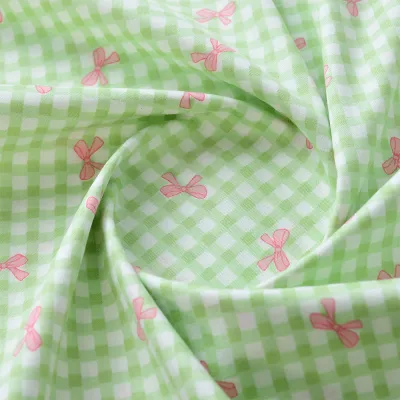
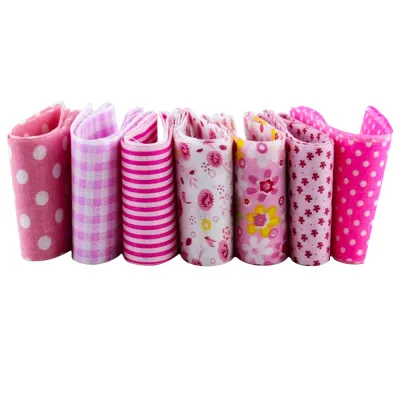

Prices are valid at publication and may change. Please refer to the product page for the latest price.
The natural texture of cotton fibers also provides a subtle friction that is highly beneficial during the sewing process. When you stack layers of pure cotton, they naturally grip one another rather than sliding apart. This grip makes it much easier to feed multiple layers through your sewing machine presser foot without relying on excessive pinning or experiencing uneven feeding.
Finally, cotton fibers excel at absorbing dyes and inks, resulting in sharp, vibrant prints with excellent color depth. This high absorption rate ensures that complex patterns, fine lines, and rich colors remain distinct and do not easily fade or blur over time. For patchwork designs that rely on high contrast and precise color placement, this print clarity is essential for achieving the intended visual effect.
Key Material Specifications to Evaluate
While 100% cotton is the preferred fiber, not all cotton fabrics are manufactured to the same standards. Fabric designed for general apparel or home decor may behave very differently from fabric woven specifically for quilting and patchwork. To select the right material, you must evaluate several key physical specifications, including the weave structure, factory finishes, and dye application.

Weave Density and Thread Count
A high-quality patchwork fabric features a tight, even plain weave where the warp and weft threads cross at consistent right angles. This dense structure is crucial because it prevents the raw edges of your cut pieces from fraying excessively during handling and sewing. A tight weave also acts as a barrier, preventing the fine fibers of your batting from migrating or poking through the front of your quilt over time.
When evaluating fabric, you do not need to search for an exact thread count number, as manufacturers rarely print this on the bolt. Instead, you can assess the quality by feeling the drape and stiffness of the material. High-quality quilting cotton feels substantial and smooth, with a balanced drape that is neither stiff like cardboard nor limp like gauze. Avoiding loose, open weaves is essential, as these fabrics are highly prone to puckering, stretching, and distorting under the needle.
Sizing, Starch, and Pre-Shrinkage
During the manufacturing process, factories often apply chemical finishes known as sizing or starch to the fabric. Sizing adds temporary stiffness and luster, making the fabric easier to handle on the bolt and during initial cutting. However, low-quality manufacturers sometimes use heavy sizing to artificially mask a loose, low-density weave, making a cheap fabric feel temporarily sturdy.
Before purchasing, check the manufacturer’s notes or the bolt label for information regarding expected shrinkage. Pure cotton naturally shrinks when washed for the first time, typically between three to five percent. Understanding whether a fabric has been pre-shrunk or if it is raw cotton straight from the bolt helps you plan your cutting dimensions and decide whether you need to wash the material before starting your project.
Dye Quality and Print Alignment
The visual appeal of a patchwork project relies heavily on the quality of the printed designs. To verify print consistency, inspect the fabric’s selvedge—the self-finished edge of the fabric. High-quality fabrics feature registration marks, which are small colored dots or symbols printed along the edge. If these dots are precisely aligned and do not overlap or drift, it indicates that the printing screens were properly calibrated during manufacturing.
You should also check for off-grain printing, which occurs when a visual pattern is printed crookedly across the woven threads. If you try to cut along the visual lines of an off-grain print, your fabric pieces will be cut on a slight bias, leading to stretching and warping during sewing. Look for manufacturer instructions or guarantees regarding colorfastness to ensure that dark dyes will not bleed into lighter adjacent fabrics during future washes.
How to Verify Fabric Quality In-Store or Online
Whether you are shopping at a local boutique or browsing an online marketplace, you can use several practical checks to verify fabric quality before making a purchase. When shopping in person, start by reading the bolt label carefully. Look for a clear declaration of 100% cotton, and check for specific designations such as “quilting cotton” or “patchwork fabric,” which indicate the material has been woven to the appropriate density.
If you are holding the fabric, perform a simple light test by holding a single layer up to a bright light source or window. Observe how much light passes through the weave. High-quality patchwork cotton will allow some light through but will show a highly consistent, tight grid pattern with no visible thin spots, slubs, or irregular gaps between the threads. If the fabric looks like cheesecloth or shows uneven patches of light, the weave is too loose for durable patchwork.
Another useful physical test is the scratch test. Gently scratch the surface of the fabric with your fingernail. If a white, powdery residue flakes off, or if the fabric suddenly feels significantly softer and floppier in that spot, the manufacturer has used excessive starch or sizing to disguise a low-quality, sparse weave. A quality fabric will retain its structure and feel consistent even after being rubbed or manipulated.
When shopping online, where physical tests are impossible, rely on detailed product descriptions and manufacturer specifications. Look for reputable brands that specialize in quilting fabrics, and check the listed fabric weight, which is typically measured in grams per square meter (GSM) or ounces per square yard. A weight of approximately 130 to 150 GSM is generally ideal for patchwork, providing a practical balance of durability and ease of sewing. Always review the care instructions to ensure the fabric’s washing requirements match your project plans.
Limitations and When to Reconsider Pure Cotton
While 100% cotton is the standard for traditional quilting, it does have specific limitations that you must manage. Cotton is highly susceptible to wrinkling, which means you must commit to frequent and careful pressing at every stage of the piecing process. Failing to press your seams thoroughly can result in bulky intersections and inaccurate block sizes, which accumulate and throw off the alignment of the entire project.
Additionally, pure cotton lacks natural elasticity and drape, which makes it less suitable for certain specialized projects. If you are creating garment-style patchwork, such as a flowing jacket or a soft skirt, 100% quilting cotton can feel stiff and structured rather than draping naturally against the body. In these cases, you might need to consider cotton-linen blends or lighter cotton lawns, keeping in mind that these alternative fabrics require different handling techniques.
Color bleeding is another potential risk with pure cotton, particularly when combining deep reds, blues, or blacks with crisp whites. If the fabric is not properly finished or pre-washed, excess dye can migrate during the first wash, staining your hard work. To mitigate this, you must take extra precautions, such as using color-trapping sheets in the wash or pre-washing high-risk fabrics to remove loose dye before cutting.
Frequently Asked Questions (FAQ)
Can I use cotton-polyester blends for patchwork projects?
While you can technically use cotton-polyester blends, they introduce several challenges that make precise patchwork difficult. Polyester blends are highly resistant to wrinkling and shrink less than pure cotton, which might seem like an advantage at first. However, polyester has a much lower heat tolerance than cotton, meaning you cannot use a hot iron to press your seams flat without risking melting or glazing the synthetic fibers. Additionally, blends tend to have a slippery texture, causing the fabric layers to slide against each other under the presser foot and leading to misaligned seams.
Do I need to pre-wash 100% cotton quilting fabric before sewing?
Pre-washing is a matter of personal preference and project goals, but consistency is key. If you choose to pre-wash, you must pre-wash all the fabrics used in your project to prevent differential shrinkage, which occurs when unwashed and pre-washed fabrics shrink at different rates during the final wash, causing uneven puckering. Many modern, high-quality quilting cottons are designed to be used straight from the bolt because the factory sizing keeps the fabric crisp and easy to cut accurately. Always check the manufacturer’s care instructions on the bolt for specific recommendations regarding shrinkage and washing.
Community discussion
Share your experience or ask a question. Comments are reviewed before publication.