
Finding the right stand calendar for your desk in Singapore is not about chasing a single “best” brand, but rather matching a calendar’s physical design, paper quality, and layout to your daily workflow. A stand calendar serves as both a visual anchor on your desk and a functional tool for tracking deadlines, appointments, and daily habits. Because everyone organizes their day differently, the ideal calendar must align with your specific writing tools and spatial constraints.
By focusing on key physical specifications, paper characteristics, and layout structures, you can select a calendar that enhances your productivity without cluttering your workspace. This guide breaks down the essential factors to evaluate, compares the primary design styles available, and provides a practical framework to help you make an informed decision.
Essential Specs to Check Before Buying a Stand Calendar
Before committing to a specific calendar design, you must evaluate how its physical dimensions and construction will fit into your daily workspace. The physical footprint of a stand calendar determines where it can sit on your desk and how easily you can read it while working.
Products mentioned in this guide
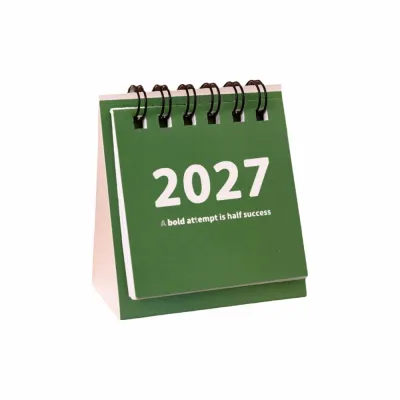
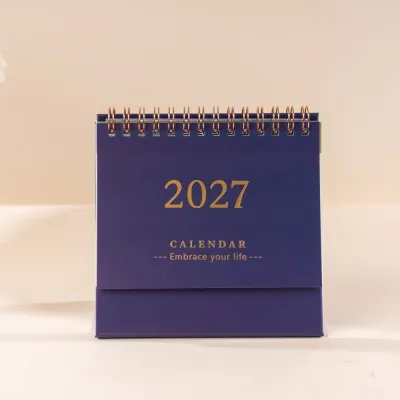
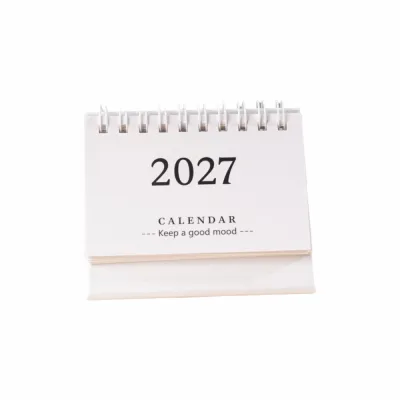
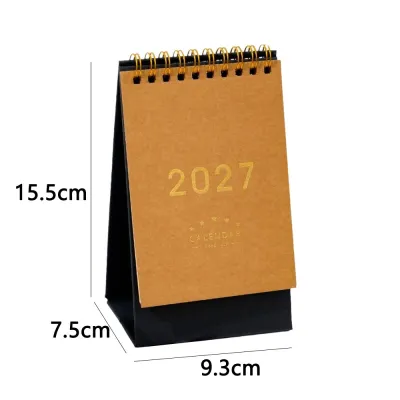
Prices are valid at publication and may change. Please refer to the product page for the latest price.
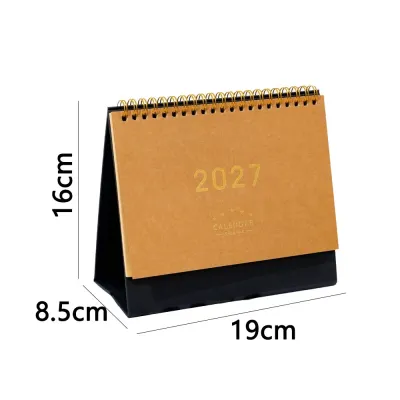
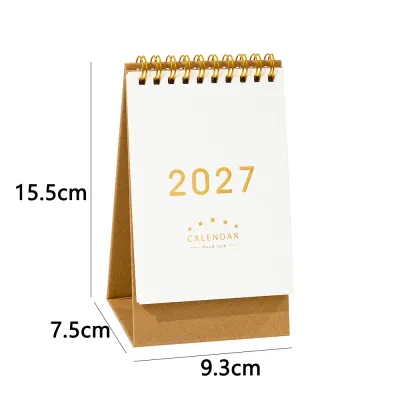
- Desk Footprint and Orientation: Landscape and portrait orientations offer distinct spatial advantages. Landscape calendars are typically wider and shorter, making them ideal for placing directly beneath a computer monitor or along the lower edge of a keyboard. Portrait calendars stand taller and have a narrower base, which works well for compact desks, corner placements, or alongside a vertical document holder. Measure your available desk space before purchasing to ensure the calendar does not obstruct your screen or mouse movement.
- Binding Durability: The binding mechanism affects both durability and usability over a twelve-month period. Wire-o binding, which uses a double-loop metal wire, is highly durable and allows the calendar to lie completely flat or fold back 360 degrees without damaging the pages. Ring binding offers similar flexibility but can sometimes cause pages to catch if the rings are not perfectly aligned. Glued or tear-off bindings provide a very clean, modern aesthetic, but they do not allow you to flip back and forth to reference past months easily, as pages must usually be removed or folded over permanently.
- Layout Density: Layout density dictates how much information you can comfortably record on each page. If you only need to track major deadlines or holidays, a standard monthly grid with open boxes is usually sufficient. However, if you plan to use the calendar for detailed daily scheduling, look for layouts that offer split-view designs, weekly summaries, or dedicated daily columns. Ensure the individual date boxes are large enough to accommodate your typical handwriting size without requiring microscopic print.
Comparing Stand Calendar Styles for Daily Planning
Stand calendars generally fall into three distinct design categories, each catering to a different organizational philosophy and aesthetic preference. Understanding these styles will help you narrow down your choices based on how you naturally process information throughout the day.

- Planner-Focused Styles: These are built specifically for high-utility task management and productivity tracking. These calendars often feature dual-sided pages, where one side displays a clean monthly grid for long-term planning, while the reverse side provides structured templates for weekly goals, habit trackers, or daily to-do lists. This style is highly functional for professionals and students who need to keep their daily priorities visible at a glance without opening a separate notebook. The design is usually clean and systematic, prioritizing writing space over decorative elements.
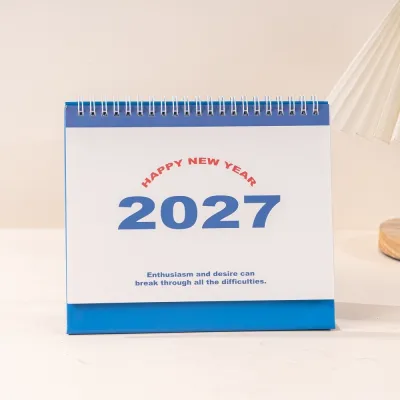
- Minimalist and Typographic Styles: These focus on clean aesthetics, high-contrast lettering, and generous white space. These calendars are highly versatile because they do not force you into a rigid organizational structure. The open, unlined grids allow for flexible planning methods, such as bullet journaling, color-coding, or sketching quick diagrams. If you prefer a calm, uncluttered workspace, a minimalist typographic calendar provides a professional look that blends seamlessly into any office environment.
- Illustrated and Lifestyle Styles: These prioritize visual inspiration, featuring monthly artwork, motivational quotes, or unique seasonal themes. While these calendars add a pleasant decorative touch to your desk, they often compromise on writing space to accommodate the illustrations. Tear-off daily calendars, which fall into this category, offer a fresh visual design or quote every day, but their small physical size typically limits you to writing short-form notes or single-word reminders. If your primary goal is detailed daily planning, an illustrated calendar may serve better as a secondary visual reference rather than your primary organizational tool.
How to Verify Paper Quality and Pen Compatibility
The utility of a stand calendar depends heavily on how its paper interacts with your favorite writing instruments. Using the wrong pen on incompatible paper can lead to frustrating issues like ink bleeding through the page, feathering along the paper fibers, or ghosting on the reverse side.
- Paper Weight (GSM): To prevent these issues, start by checking the paper weight, which is measured in grams per square meter (gsm). Standard office paper is typically around 70 to 80 gsm, which is highly prone to ghosting when used with liquid inks. For a reliable daily planning experience, look for calendars that specify a paper weight of 100 gsm to 150 gsm. Thicker paper provides a more substantial feel and offers much better resistance to ink penetration, allowing you to write on both sides of the page without distraction.
- Finish (Coated vs. Uncoated): The paper finish plays a crucial role in ink compatibility and drying speed. Coated paper, which has a smooth, semi-gloss or matte satin finish, makes printed colors look vibrant but resists water-based inks. If you use gel pens, rollerballs, or fountain pens on coated paper, the ink will pool on the surface and smudge easily. Uncoated paper, which has a slightly textured, natural finish, absorbs ink quickly and is highly compatible with gel pens and fountain pens. However, if the uncoated paper is of low quality, it can cause feathering, where the ink spreads outward along the paper fibers, making your writing look fuzzy.
- The Bleed-Test Method: Because paper performance depends on the exact combination of ink and paper fibers, you should always perform a quick, observable trial before writing on your main calendar pages. When you receive your calendar, find an inconspicuous area, such as the corner of a notes page or the back of the cover sheet, to conduct a pen test. Write a few words using your preferred daily pens, wait five seconds to assess the drying speed, and then flip the page to check for any signs of ghosting, bleeding, or feathering. This simple check ensures your writing remains clean and legible throughout the year.
Decision Framework: Which Calendar Style Fits Your Routine?
To finalize your choice, match your daily planning habits and writing preferences to the most compatible calendar style using this structured decision framework.
- Choose Planner-Focused Styles: Select this option if your daily routine requires structured time-blocking, detailed task lists, and active goal tracking. These calendars are best suited for individuals who keep their calendar at the center of their desk and update it multiple times a day. If you rely on gel pens or fine-liner markers for color-coding tasks, verify that the calendar uses uncoated paper with a weight of at least 100 gsm to ensure fast drying times and zero smudging.
- Choose Minimalist Styles: Select this option if you prefer an adaptable, unstructured workspace where you can jot down spontaneous notes, reminders, and high-level deadlines. This style is ideal for creative professionals or those who use a digital calendar for hourly scheduling but still want a physical monthly overview on their desk. Because these designs feature ample white space, they pair exceptionally well with bold markers or fountain pens, provided you verify the paper is thick enough to prevent ghosting.
- Choose Tear-Off Illustrated Styles: Select this option if your primary need is a quick daily visual refresh and you prefer to keep desk clutter to an absolute minimum. This style works best for those who only need to write down a single daily focus, track a simple habit, or note down quick, short-form reminders. Since these calendars often use thinner or coated paper to accommodate color printing, they are best paired with standard ballpoint pens or pencils, which do not require absorption to dry.
- Verify Pen Compatibility First: Before making a final purchase, always cross-reference your preferred writing tools with the manufacturer's paper specifications. If you use heavy ink, fountain pens, or wet gel pens, prioritize uncoated paper options with a minimum weight of 120 gsm to ensure a smooth, smudge-free planning experience.
Where to Buy and Verify Stock in Singapore
When purchasing a stand calendar in Singapore, sourcing from reliable channels ensures you receive an authentic product with high-quality binding and paper.
- Physical Boutiques and Specialty Stores: Visiting physical stationery boutiques and specialty bookstores in Singapore is the most reliable way to verify paper quality before buying. Handling the calendar in person allows you to feel the paper texture, test the stiffness of the stand, and inspect the binding for any defects. Many local boutiques display sample copies specifically for customers to examine, giving you a clear idea of how the calendar will look and function on your desk.
- Online Marketplaces: If you prefer to shop online through ecommerce platforms or online marketplaces, take extra steps to verify the authenticity of the seller. Look for official brand storefronts or highly-rated local distributors to avoid counterfeit products that may use inferior paper or low-quality wire binding. Carefully read customer reviews, paying close attention to user-uploaded photos that show the actual thickness of the paper and the condition of the calendar upon arrival.
- Return and Exchange Policies: Always check the retailer's return and exchange policies before completing your purchase. This precaution is especially important when ordering online, as calendars can occasionally sustain bent corners or damaged bindings during transit. A flexible return policy ensures you can easily exchange the product if the paper finish or binding quality does not meet your expectations upon delivery.
Community discussion
Share your experience or ask a question. Comments are reviewed before publication.